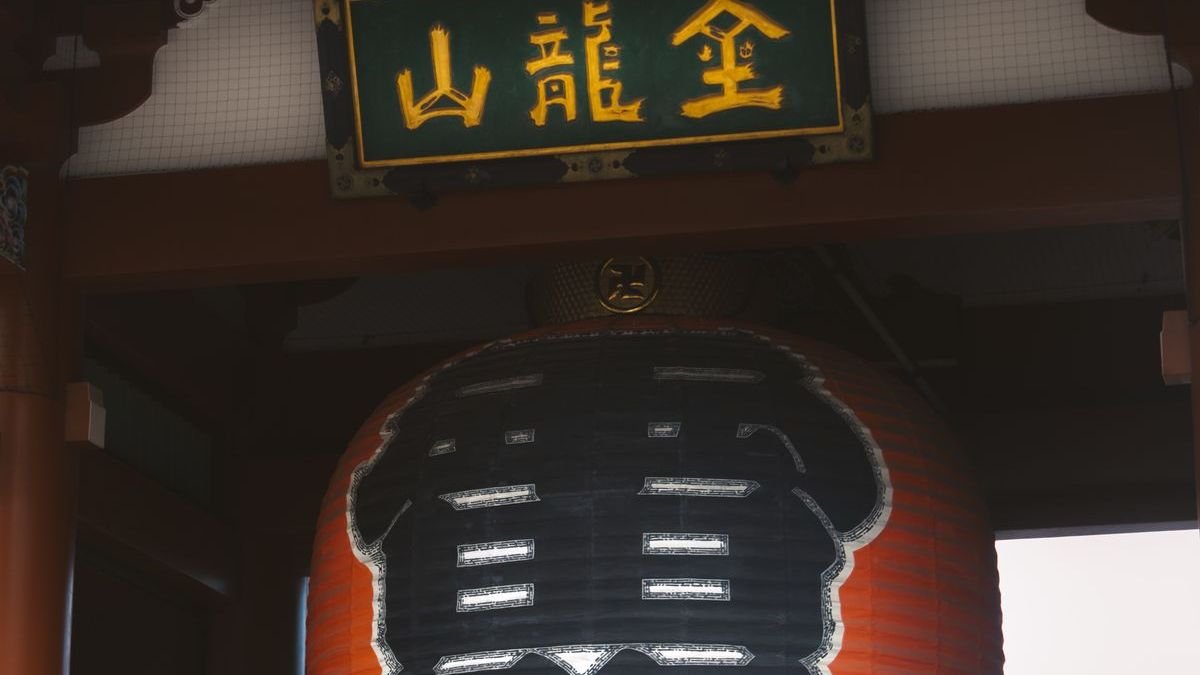
Asakusa is the part of central Tokyo that best keeps an older scale. Buildings are low, streets are walkable, and the centre of everything is Senso-ji, a temple that traces its origins to the year 645. The area was a major entertainment district in the Edo period, and while many buildings were lost in the 1923 earthquake and the 1945 bombing, the layout and atmosphere survive.
This guide covers what to do in Asakusa, how to avoid the worst crowds, and where to eat. For a detailed look at the temple itself, see our Senso-ji visitor guide. For other districts, see our Tokyo neighbourhoods guide.
Asakusa at a glance:
| Sight | What it is | Cost |
|---|---|---|
| Kaminarimon and Nakamise-dori | Thunder Gate and a 250 m snack street | Free |
| Senso-ji | Temple dating from 645 | Free, grounds open at all hours |
| Kappabashi | Kitchenware and knife street, 10 minutes west | Free to browse |
| Sumida River cruise | Boats to Hamarikyu and Odaiba | About ¥1,000-¥1,800 |
| Tokyo Skytree | 634 m tower | From about ¥2,100 for the Tembo Deck |
| Rickshaw ride | 30 minutes | About ¥8,000-¥12,000 |
Kaminarimon and Nakamise-dori
The approach to Senso-ji begins at the Kaminarimon (Thunder Gate), with its enormous red paper lantern, about four metres tall and weighing around 700 kilograms. Behind it, Nakamise-dori runs about 250 metres to the temple’s inner gate, lined with some 90 shops selling snacks, fans, kimono accessories and souvenirs. Prices are higher than elsewhere, but the shops are part of the experience.
Try ningyo-yaki (small cakes filled with red bean paste), age-manju (deep-fried buns) and kibi dango (millet dumplings). Most shops open around 9am and close by 5pm or 6pm. The street is crowded by mid-morning, so arrive early or visit after closing, when the shutters are painted with scenes of old Asakusa.
Senso-ji
Beyond the Hozomon (Treasure House Gate) is the main hall, a five-storey pagoda and a bronze incense burner where visitors wave smoke towards themselves. Entry to the grounds is free and open at all hours, with the main hall open from early morning to around 5pm. Fortune slips (omikuji) cost ¥100; if you draw a bad one, you tie it to a rack at the temple.
Evenings are less crowded and the buildings are lit. For a quiet follow-up, a tea ceremony in Asakusa is a way to see another side of the neighbourhood.
Kappabashi and Craft Shops
Kappabashi Kitchen Town is a 10-minute walk west of Senso-ji, a street of shops selling restaurant equipment, knives, ceramics, and the plastic food models seen in restaurant windows. Knife shops such as Kamata Hamono and Tsubaya sell high-quality kitchen knives, with engraving offered at some shops. Many shops close on Sundays, so check before going. Sample food models, from approximately ¥1,000 for small items, are a useful souvenir.
Sumida River and Tokyo Skytree
From Senso-ji, it is a 10-minute walk to the Sumida River. Sumida Park along the river has cherry trees in spring, and the Sumida River Cruise runs from Asakusa to Hamarikyu and Odaiba, with tickets from approximately ¥1,000 to ¥1,800 for different routes as of 2026.
Tokyo Skytree stands across the river, 634 metres tall. The Tembo Deck at 350 metres costs from approximately ¥2,100 and the upper Tembo Galleria at 450 metres brings the total to around ¥3,400. The Skytree is a 15-minute walk or a short train ride from Asakusa. The shopping complex at its base, Solamachi, has restaurants and souvenirs.
Best Time to Visit Asakusa
Asakusa works year-round, but the timing changes the experience. Early morning, from about 6am to 8am, is the quietest time at the temple, and you can walk the grounds with only a few worshippers and locals. Cherry blossoms along the Sumida River usually peak in late March or early April. The Sanja Matsuri in mid-May is the area’s biggest festival, with portable shrines carried through the streets over three days, and it draws very large crowds. The Sumida River Fireworks take place in late July, and the temple’s Hozuki-ichi (ground-cherry market) is held in early July. In winter, the Hagoita-ichi battledore fair on 17 to 19 December sells decorated paddles around the temple grounds.
Rain suits Asakusa better than most districts because the Nakamise arcade and many shops are covered, and the temple grounds look good under grey skies.
Where to Eat in Asakusa
Asakusa is strong for traditional food. Daikokuya Tempura, open since 1887, serves tempura rice bowls with a long queue at lunch. Asakusa Imahan serves sukiyaki and shabu-shabu in a restaurant that dates from 1895. For something cheaper, look for set lunches at soba and unagi (eel) restaurants along the side streets, typically ¥1,200 to ¥3,000. Kagetsudo is known for its melon pan, and a bakery stop near the temple is a common snack.
A guided Asakusa walking tour is a way to see the lanes behind the temple, and a rickshaw ride (about ¥8,000 to ¥12,000 for 30 minutes, as of 2026) is another option for a quick tour.
Suggested Half-Day Plan
- Arrive early at the Kaminarimon, before tour groups.
- Walk Nakamise-dori for snacks and the main hall for a fortune.
- Lunch at a tempura or soba restaurant.
- Walk to Kappabashi, then to the river and Skytree.
- Return for a sunset walk on the river or Sumida Park.
Getting There
Asakusa Station is on the Tokyo Metro Ginza Line, the Toei Asakusa Line and the Tobu Skytree Line. From Ueno it is about 5 minutes on the Ginza Line, and from Shibuya about 30 minutes (¥250 to ¥280). From Haneda Airport you can reach Asakusa directly on the Keikyu and Toei Asakusa lines, about 40 to 50 minutes. A Suica or IC card works on all lines.
Where to Stay
Asakusa has good value hotels, ryokan-style guesthouses and hostels, and is one of the cheaper central areas. Browse hotels in Tokyo on Booking.com to compare prices.