Tokyo rewards visitors who resist the urge to rush. The city contains enough to fill months of exploration, but with thoughtful selection you can see a genuine cross-section in four to six days. The 25 experiences below are organised by type to help you plan days that make geographical sense - grouping nearby sights together saves time and energy in a city this large.
Temples and Shrines
1. Senso-ji Temple, Asakusa
Tokyo’s oldest and most visited temple, founded in 645 AD according to legend. The approach along Nakamise Shopping Street - lined with stalls selling ningyo-yaki (small cakes filled with sweet bean paste), sensu fans, and traditional snacks - is as much part of the experience as the main hall itself. The five-storey Asakusa Pagoda and the enormous red Kaminarimon (“Thunder Gate”) lantern are the most photographed sights. Arrive before 8:00 for a quiet experience, or visit late evening when the lanterns are lit and crowds thin considerably.
Entry: Free | Hours: Grounds open 24 hours; Main hall 6:00–17:00 (Oct–Mar 6:30–17:00) | Access: Asakusa Station (Tokyo Metro Ginza Line, Asakusa Line, Tobu Skytree Line)
2. Meiji Shrine, Harajuku
Set in 70 hectares of forested parkland in the middle of one of Tokyo’s most commercialised districts, Meiji Shrine is dedicated to Emperor Meiji and Empress Shoken. The towering cypress torii gate at the entrance and the long gravel approach through forest create a meditative transition that feels genuinely removed from the city. The inner garden (Gyoen) requires a separate ¥500 entry fee and is one of Tokyo’s finest iris gardens in June.
Entry: Free (inner garden ¥500) | Hours: Sunrise to sunset (varies by season) | Access: Harajuku Station (JR Yamanote Line), Meijijingumae Station (Tokyo Metro)
3. Zojo-ji Temple with Mt Fuji Views, Minato
Zojo-ji is an imposing Jodo sect Buddhist temple established in 1393, later relocated to its current position in Shiba in 1598. The Great Sangedatsumon gate (1622) is one of Tokyo’s oldest surviving structures. The striking combination of the temple’s main hall with Tokyo Tower rising directly behind it is one of the city’s most distinctive views - and on clear winter mornings, Mt Fuji is visible in the distance to the west. The temple grounds also contain a poignant collection of Jizo statues dressed in red knitted hats.
Entry: Free | Hours: Grounds 6:00–17:30 | Access: Daimon Station (Toei Oedo/Asakusa Lines), Shibakoen Station (Toei Mita Line)
Tokyo’s Skyline
4. Tokyo Skytree
At 634 metres, Tokyo Skytree is the world’s tallest tower and the second-tallest structure on earth. The Tembo Deck at 350 metres gives panoramic views across the city and, on clear days (typically winter mornings), north to Nikko’s mountains and west to Mt Fuji. The Tembo Galleria at 450 metres is a spiralling glass walkway with a floor section that allows you to look straight down.
Entry: Main Deck ¥2,100 | Top Deck ¥3,000 (includes main deck) | Hours: 10:00–21:00 daily | Tip: Book timed tickets online in advance - same-day queues can add 40–60 minutes.
5. Shibuya Sky (Scramble Square Rooftop)
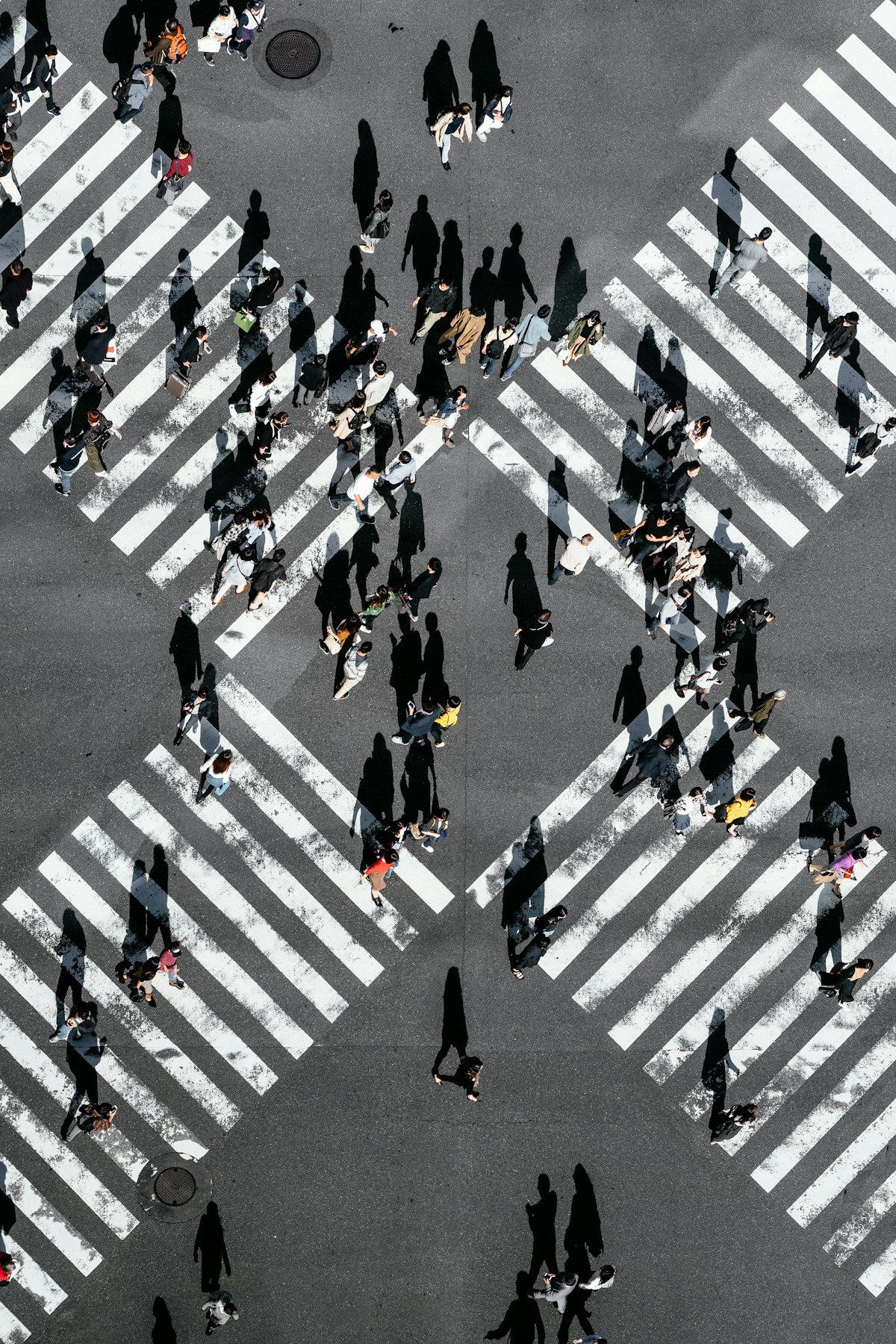
The open-air rooftop observation deck on the 46th floor of Shibuya Scramble Square sits 229 metres above the intersection below. The view directly down onto the Shibuya Crossing is one of the most striking city perspectives available anywhere. The outdoor section includes viewing nets where you can lean out over the edge. Sunset and the first hour after dark are the most dramatic times to visit.
Entry: ¥2,000 | Hours: 10:00–22:30 (last entry 21:30) | Tip: Book online to guarantee your preferred time slot. Full details: Shibuya Sky tickets, hours, and what to expect.
6. Tokyo Tower
Built in 1958 and modelled loosely on the Eiffel Tower, Tokyo Tower has become one of Japan’s most recognisable landmarks. At 333 metres it is shorter than the Skytree, but the Main Deck at 150 metres offers a more intimate city view at a lower price. The tower is particularly attractive after dark, lit in orange and white. The surrounding Shiba Park area is pleasant for an early morning or evening walk.
Entry: Main Deck ¥1,200 | Top Deck ¥3,000 | Hours: 9:00–23:00 daily
7. Tokyo Metropolitan Government Building (Free)
The twin towers of the Tokyo Metropolitan Government Building in Nishi-Shinjuku contain one of the city’s best-kept open secrets: a free observation floor at 202 metres. The North Tower observatory is open until 22:30 most nights (South Tower until 17:30). Views extend across Shinjuku’s skyscraper district westward, with Mt Fuji visible to the southwest on clear winter days.
Entry: Free | Hours: North Tower 9:00–22:30 (closed 2nd and 4th Mondays); South Tower 9:00–17:30 | Access: Tochomae Station (Toei Oedo Line)
Viewpoint Comparison Table
| Viewpoint | Height | Entry | Best Time | Outdoor? |
|---|---|---|---|---|
| Skytree Main Deck | 350m | ¥2,100 | Clear morning, winter | No |
| Skytree Top Deck | 450m | ¥3,000 | Any clear day | Partial |
| Shibuya Sky | 229m | ¥2,000 | Sunset/evening | Yes |
| Tokyo Tower Main Deck | 150m | ¥1,200 | After dark | No |
| TMG Building (free) | 202m | Free | Clear evening | No |
| Shinjuku Park Tower (free) | 200m | Free | Weekdays 9:00–17:00 | No |
Neighbourhoods to Explore on Foot
8. Yanaka - Old Shitamachi Tokyo
Yanaka is the most atmospheric walking neighbourhood in central Tokyo. The area survived both the 1923 Great Kanto Earthquake and the World War II firebombing, which left a street grid of narrow lanes, old wooden townhouses, small temples, and family-run shops largely intact. The Yanaka Cemetery (open to the public, not morbid) is one of Tokyo’s finest cherry blossom spots. Yanaka Ginza - a short covered shotengai (shopping street) - sells menchi katsu (fried meat patties), croquettes, and local snacks. Allow two to three hours.
9. Shimokitazawa - Vintage Markets and Live Music
A neighbourhood of second-hand clothing stores, record shops, small live music venues (Shimokitazawa is the centre of Tokyo’s indie music scene), and independent cafes, compressed into a low-rise area that feels deliberately unhurried. The streets are too narrow for large vehicles, which keeps the character intact. The twice-monthly Shimokita Flea Market is worth timing your visit around. Allow two hours minimum.
10. Koenji - Local and Unpolished
West of Shinjuku on the Chuo Line, Koenji sits at the older, more local end of Tokyo’s alternative neighbourhoods. High concentrations of vintage clothing shops (reportedly the greatest density in Tokyo), record stores, and small live houses make it worth an afternoon if Shimokitazawa is too crowded.
11. Kagurazaka - French-Japanese Quarter
A sloping street climbing from Iidabashi Station with one of Tokyo’s most distinctive character blends. French restaurants, boulangeries, and wine bars sit alongside traditional Japanese ryotei and geisha ochaya. The stone-paved Ishikawa-cho alley running behind the main street is the most atmospheric lane in the neighbourhood. The area retains active geisha culture - one of the last in Tokyo.
Fans of anime and gaming culture can follow a guided route with our Akihabara anime tour guide, and for a calmer afternoon try a Tokyo tea ceremony in Asakusa.
Museums and Culture
12. teamLab Planets Toyosu
One of two permanent teamLab installations in Tokyo (the other being teamLab Borderless in Azabudai). Planets is the more intimate and intense of the two - visitors walk barefoot through a series of large-scale immersive digital art rooms featuring water, light, and projection. The experience lasts around 45–60 minutes. Pre-booking is mandatory; same-day tickets are rarely available.
Entry: ¥3,200 adults | Hours: 9:00–21:00 | Access: Shin-Toyosu Station (Yurikamome Line) | Book: teamlab.art
13. Tokyo National Museum, Ueno
Japan’s oldest and largest museum, established in 1872, holds over 110,000 objects covering Japanese art, archaeology, and history from the Jomon period through the Edo era. The main Honkan building focuses on Japanese art - lacquerwork, samurai armour, woodblock prints, ceramics, and Buddhist sculpture. The Heiseikan annex has a consistently excellent archaeological collection. Allow a minimum of two hours.
Entry: ¥1,000 | Hours: 9:30–17:00 (Fri/Sat until 20:00) | Closed: Mondays
14. Ghibli Museum, Mitaka
Studio Ghibli’s museum in Inokashira Park is a dedicated temple to the studio’s creative process - original storyboards, model rooms, hand-drawn animation cells, and a roof garden patrolled by a giant Totoro. Tickets must be purchased through the lottery system months in advance. Do not buy from resellers - the museum checks ID. Note that photography of exhibits is not allowed inside (you can photograph the architecture and garden).
Entry: ¥1,000 adults | Access: 15 minutes walk or shuttle from Mitaka Station (JR Chuo Line)
15. Edo-Tokyo Museum (Ryogoku) - currently under renovation
The Edo-Tokyo Museum documents the transformation of Edo (pre-modern Tokyo) into the contemporary city, with scale models, reproduced building interiors, and artefacts spanning 400 years of history. Note: the museum was closed for large-scale renovation as of 2022 and scheduled to reopen in 2025 - confirm current status before visiting.
Entry when open: ¥600 | Access: Ryogoku Station (JR Sobu Line, Toei Oedo Line)
If you want to cook what you eat, our Tokyo cooking classes guide compares sushi, ramen and wagashi sessions, and the Ghibli Museum and Ghibli Park booking guide explains how to get tickets for Mitaka.
Markets and Shopping
16. Tsukiji Outer Market
The inner wholesale market relocated to Toyosu in 2018, but the Tsukiji Outer Market - the retail and restaurant zone surrounding the former site - continues to function and is arguably more visitor-friendly now than when it competed for space with wholesale buyers. Dozens of stalls sell fresh seafood, tamagoyaki (rolled omelette, ¥300–¥500), tuna sashimi breakfasts, pickles, knives, and dried goods. Arrive between 7:00 and 10:00 for the best atmosphere. Entry is free.
17. Nakamise Shopping Street, Asakusa
The 250-metre pedestrianised approach to Senso-ji has sold traditional goods to visitors for over 300 years. Stalls sell ningyo-yaki cakes (¥600–¥800 for a bag of 10), sensu fans, tenugui cotton cloths, paper goods, and souvenirs. Quality varies across stalls - the goods in the lanes running perpendicular to Nakamise tend to be more authentic and better priced.
18. Ameya-Yokocho Market, Ueno
A dense market lane running along the elevated JR tracks between Ueno and Okachimachi stations. Originally a black market operating immediately after World War II, Ameya-Yokocho (often shortened to Ameyoko) now sells fresh seafood, dried foods, nuts, sportswear, cosmetics, and general goods at competitive prices. The energy is chaotic and enjoyable. Best visited on a weekend afternoon when stall holders are loudly advertising their prices.
Parks
19. Shinjuku Gyoen
One of Tokyo’s finest gardens - 58 hectares combining French formal, English landscape, and Japanese garden sections. The greenhouse is a separate pleasure in winter. Shinjuku Gyoen has some of the most reliable cherry blossoms in the city, slightly later blooming than Ueno Park. Alcohol is prohibited in the garden, which keeps the atmosphere calmer than the rowdier hanami (blossom viewing) sites.
Entry: ¥500 | Hours: 9:00–16:00 (last entry 15:30) | Closed: Mondays
20. Yoyogi Park
A large, freely accessible park adjacent to Meiji Shrine in Harajuku. Used by locals for picnics, frisbee, cycling, and group sports. On Sundays, the path along the outer edge of the park sometimes hosts informal music performances and gatherings. Cherry blossoms here are celebrated but the park gets crowded during Golden Week. Free to enter at all times.
21. Ueno Park
One of Japan’s first public parks, established in 1873. Contains Ueno Zoo, five major museums, Shinobazu Pond (with a lotus-covered section), and rows of cherry trees along the central path that become extraordinary during bloom season. Avoid on a Golden Week or cherry blossom weekend unless you enjoy very large crowds.
Unique Experiences
22. Maid Cafes, Akihabara
Maid cafes - where staff in maid costumes serve food and interact with customers through performance and games - originated in Akihabara and remain concentrated there. @Home Cafe (multiple locations in Akihabara) is among the most established. Budget a ¥500 entry cover charge plus a minimum spend of around ¥700 on food and drinks per person. The experience is performance-oriented and deliberately playful - approach it as exactly that.
23. Robot Restaurant, Shinjuku (check current status)
The theatrical dinner show featuring neon-lit robot performances, taiko drummers, and elaborate stage sets in Shinjuku’s Kabukicho was a long-running Tokyo institution. It closed during the pandemic and its reopening status has fluctuated - verify current operation before booking. Entry ¥8,000 with dinner option additional.
24. Sumo Morning Training (Keiko), Ryogoku
The Ryogoku district in eastern Tokyo is Japan’s sumo heartland. Several sumo stables (heya) in the neighbourhood permit visitors to observe morning training sessions, which run approximately 6:00–10:00. Access is informal and not guaranteed - stables are working training facilities and access can be withdrawn without notice. The best approach is to arrange a visit through your hotel concierge or book a dedicated sumo tour that includes morning practice observation and a chanko-nabe lunch. The Kokugikan national sumo stadium hosts three of the year’s six tournaments (January, May, September).
25. Day-Use Onsen in Tokyo
Oedo-Onsen Monogatari in Odaiba was the city’s most famous day-onsen facility but closed in 2021. Several alternatives operate:
- Thermae-Yu (Shinjuku): ¥2,750 weekday, ¥3,500 weekend. 11:00–23:00. Accessible on foot from Shinjuku Station.
- Spa LaQua (Bunkyo, near Tokyo Dome): ¥2,900 weekday. Rooftop outdoor bath.
- Juraku (Asakusa): Budget neighbourhood sento from ¥500; local atmosphere, limited English.
Where to stay: Search hotels in Tokyo on Booking.com
See also: Tokyo travel guide · Where to stay in Tokyo · Best restaurants in Tokyo · Tokyo food guide · Day trips from Tokyo · teamLab Borderless Azabudai · teamLab Planets Toyosu · Tokyo Disney Resort tickets · Best tours in Tokyo · One week in Tokyo itinerary
Two more ideas: sumo wrestling morning practice with a chanko nabe lunch, and samurai and ninja sessions in Tokyo.