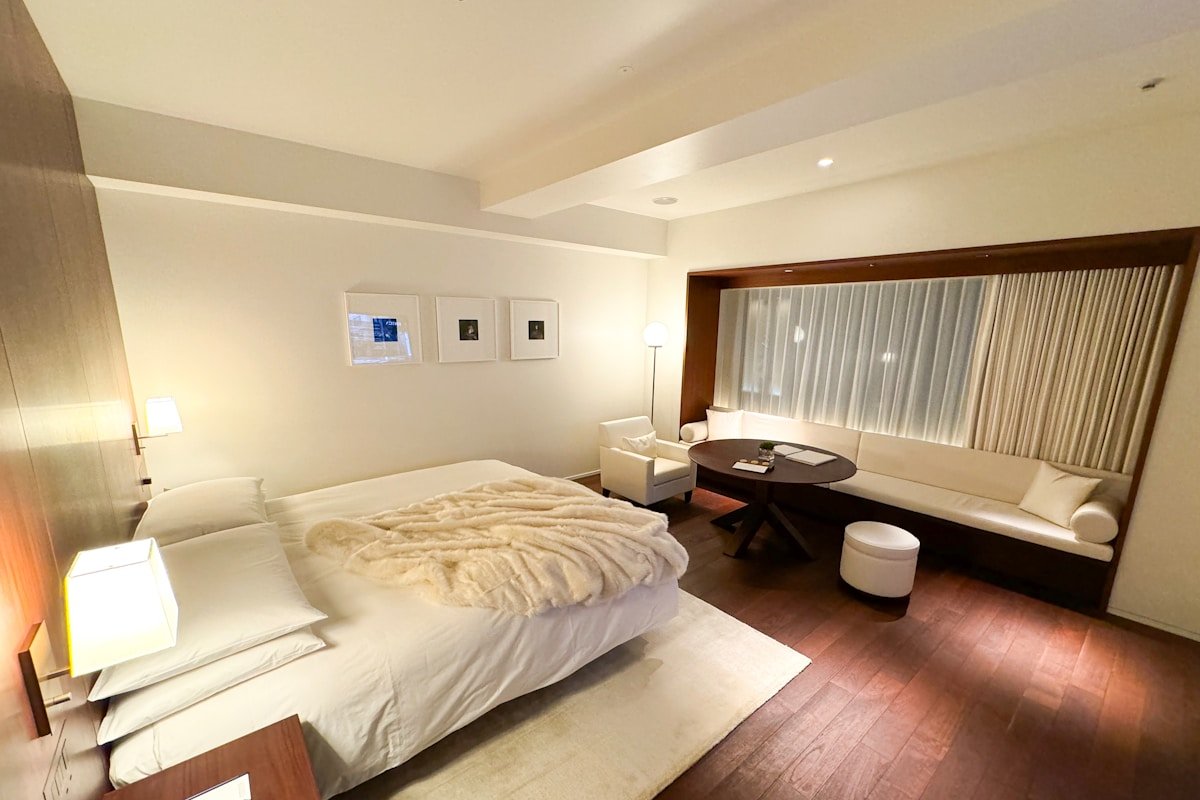
Choosing where to stay in Tokyo shapes the entire experience of the city. The 23 special wards contain hundreds of distinct neighbourhoods, but most visitors do best by anchoring themselves in one of six or seven well-connected areas and using Tokyo’s train network - one of the most efficient on earth - to reach everything else. Search hotels in Tokyo on Booking.com
Neighbourhood-by-Neighbourhood Breakdown
Shinjuku
Shinjuku is Tokyo’s most functionally central neighbourhood for visitors. Shinjuku Station connects to the JR Yamanote and Chuo/Sobu Lines, the Keio and Odakyu private lines (for Hakone and Mt Takao day trips), and the Toei and Tokyo Metro subway systems. As a result, virtually any point in the greater Tokyo area is reachable within 30–40 minutes.
The east side of Shinjuku is dense with restaurants, department stores (Isetan, Takashimaya), electronics shops, and nightlife concentrated in Kabukicho. The west side is home to the Tokyo Metropolitan Government Building and the corporate skyscraper district, with some of the city’s highest-end accommodation.
Who it suits: First-time visitors who want transport convenience above all else; travellers with day trips planned to Hakone or Nikko; those who want to be close to nightlife.
Accommodation:
- Budget capsule hotels: ¥3,500–¥6,000 - 9h Hotel Shinjuku, First Cabin Shinjuku
- Budget business hotels: ¥8,000–¥12,000 - Toyoko Inn Shinjuku, APA Hotel chains
- Mid-range: ¥12,000–¥20,000 - Citadines Shinjuku, Keio Plaza Hotel (lower-end rooms)
- Luxury: ¥50,000–¥120,000+ - Park Hyatt Tokyo (from approx ¥70,000), Hyatt Regency Shinjuku
Shibuya
Shibuya sits on the southwestern arc of the Yamanote Line and is the hub for several private rail lines including the Tokyu and Keio lines, making it well-connected. The immediate area around Shibuya Station is undergoing continued large-scale redevelopment - several new towers have opened in recent years and construction continues, which means some pedestrian routes around the station can be confusing.
The surrounding sub-neighbourhoods - Daikanyama (boutique fashion, high-concept cafes), Nakameguro (canal walks, strong food scene), and Ebisu (international residential feel) - are all within 15 minutes’ walk and significantly calmer than Shibuya proper.
Who it suits: Those interested in fashion, design, and Tokyo’s contemporary restaurant scene; younger travellers; visitors who want good international restaurant options nearby.
Accommodation:
- Budget: ¥8,000–¥13,000 - BnA Alter Museum (art hotel), Shibuya Stream Excel Hotel Tokyu (entry rooms)
- Mid-range: ¥15,000–¥25,000 - Shibuya Granbell Hotel, Remm Plus Shibuya
- Luxury: ¥40,000–¥100,000+ - Cerulean Tower Tokyu Hotel, The Shinmonzen (smaller luxury boutique)
Asakusa
Asakusa sits on the eastern side of the Yamanote loop, connected to the city centre by the Tokyo Metro Ginza Line and the Tobu Skytree Line. The neighbourhood retains more of old Tokyo’s scale and texture than any other central district - low-rise, walkable, with independent shops, local shotengai, and the Senso-ji temple complex at its heart. Skytree is a 15-minute walk or one stop by Tobu train.
Accommodation in Asakusa runs consistently cheaper than Shinjuku or Shibuya. The area has a good concentration of budget guesthouses, capsule hotels, and business hotels, and a growing number of well-designed independent hostels. It is the best base for visitors who prioritise traditional atmosphere and lower costs.
Who it suits: Budget-conscious travellers; those on their second or later visit to Tokyo who want a different atmosphere; visitors interested in traditional crafts, food, and old-city streetscapes.
Accommodation:
- Capsule hotels: ¥3,000–¥5,500 - Khaosan Tokyo Samurai, Capsule Inn Akihabara (nearby)
- Budget business hotels: ¥7,000–¥10,000 - Dormy Inn Asakusa, APA Hotel Asakusa
- Mid-range: ¥12,000–¥18,000 - Asakusa View Hotel, Wired Hotel Asakusa
- Luxury ryokan-style: ¥25,000–¥50,000 - Andon Ryokan, Sadachiyo (Asakusa ryokan with kaiseki)
Ginza
Ginza is Tokyo’s most prestigious retail and commercial district. Hotels here are high-end by default - the neighbourhood has little budget accommodation. Its position between the Yamanote loop’s eastern arc and Tokyo Bay makes it reasonably central, and the proximity to Tsukiji Outer Market and Hibiya Park are practical advantages. However, for most travellers, the premium attached to a Ginza address is not justified unless you specifically intend to spend time shopping or attending Kabuki performances.
Who it suits: Luxury travellers; those attending events at Kabuki-za; business visitors.
Accommodation:
- Mid-range starts: ¥20,000–¥35,000 - Mitsui Garden Hotel Ginza Premier, Monterey Ginza
- Luxury: ¥50,000–¥150,000+ - Palace Hotel Tokyo, The Peninsula Tokyo, Mandarin Oriental Tokyo
Akihabara and Ueno
Both Akihabara and Ueno sit on the JR Yamanote and Keihin-Tohoku Lines and are well-connected. Ueno Station also links to the Keisei Skyliner (Narita airport access) and several Tokyo Metro lines. This pocket of the city is a practical and affordable base - close to the National Museum, Ueno Zoo and Park, and the Ameyoko market. Akihabara is more specialised in character but has good transport links and several well-rated capsule and budget business hotel options.
Who it suits: Budget travellers who want central access; visitors arriving via Narita who prefer a quick transfer; anime and gaming enthusiasts.
Accommodation:
- Capsule hotels: ¥3,500–¥6,000 - First Cabin Akihabara, Capsule Inn Akihabara
- Budget: ¥6,000–¥10,000 - APA Hotel Akihabara, Toyoko Inn Ueno
- Mid-range: ¥10,000–¥18,000 - Dormy Inn Ueno, Mystays Ueno East
Harajuku and Omotesando
The stretch of the Yamanote Line between Harajuku and Aoyama contains some of Tokyo’s most expensive real estate and most interesting architecture. Omotesando’s keyaki (zelkova) tree-lined boulevard - sometimes called Tokyo’s Champs-Élysées - is a pleasant place to base yourself if you are travelling at the mid-to-luxury end of the market. Boutique hotels dominate here; international chain business hotels are scarce.
Who it suits: Design-oriented travellers; those focused on fashion and art; couples looking for a quieter, stylish neighbourhood without sacrificing access.
Accommodation:
- Mid-range boutique: ¥15,000–¥30,000 - Onsen Ryokan Yuen Shinjuku (short train), The Millennials Harajuku (hybrid capsule-hotel concept)
- Luxury: ¥40,000–¥120,000+ - Trunk Hotel Shibuya (design-forward, short walk), Omotesando Hills residences (longer stays)
Neighbourhood Comparison Table
| Neighbourhood | Best For | Budget ¥/night | Mid-range ¥/night | Luxury ¥/night |
|---|---|---|---|---|
| Shinjuku | Transport hub, all budgets | ¥7,000–¥12,000 | ¥14,000–¥25,000 | ¥50,000+ |
| Shibuya | Fashion, dining, younger crowd | ¥8,000–¥13,000 | ¥15,000–¥25,000 | ¥40,000+ |
| Asakusa | Traditional atmosphere, budget | ¥5,000–¥9,000 | ¥12,000–¥18,000 | ¥25,000+ |
| Ginza | Luxury, retail, Kabuki | Not recommended | ¥20,000–¥35,000 | ¥50,000+ |
| Akihabara/Ueno | Budget, central, Narita access | ¥6,000–¥10,000 | ¥10,000–¥18,000 | ¥25,000+ |
| Harajuku/Omotesando | Design, boutique, couples | ¥10,000–¥18,000 | ¥20,000–¥35,000 | ¥60,000+ |
Accommodation Types Explained
Capsule Hotels (¥3,000–¥6,000)
Tokyo’s capsule hotels have evolved substantially from the original 1970s concept. Modern properties offer individual pods with a private screen, charging points, in-pod lighting controls, a small lockable wardrobe, and access to shared shower rooms, common areas, and sometimes saunas. They are clean, efficiently designed, and offer reasonable value for solo travellers.
Recommended properties:
- 9h (Nine Hours) Shinjuku North - Design-forward capsule hotel, communal showers designed like a spa, ¥3,500–¥5,000. Female floor available.
- First Cabin Akihabara - Pods styled like business-class aircraft seats, private curtain, ¥4,000–¥6,000.
- Khaosan Tokyo Samurai (Asakusa) - Good for solo travellers who want a social atmosphere, mix of dorm and capsule beds, ¥3,000–¥4,500.
Budget Business Hotels (¥7,000–¥12,000)
Japan’s budget business hotel chains - particularly Toyoko Inn, APA Hotel, and Dormy Inn - offer efficient, clean, private-room accommodation. Rooms are small (often under 15 square metres) but well-designed. Most include a private bathroom with a Japanese toilet, TV, desk, and sometimes a small refrigerator. Some chains offer a simple complimentary breakfast.
Toyoko Inn locations across Tokyo cover every major neighbourhood. APA Hotel is similar and ubiquitous. Dormy Inn tends slightly higher in quality and often includes access to a communal onsen or large bath.
Mid-Range Hotels (¥12,000–¥25,000)
At this level, room size increases significantly and locations tend to be in central neighbourhoods. International chains (Marriott, Hilton, Mercure, Westin) have strong representation, as do Japanese mid-range brands like Keio Plaza and Mitsui Garden Hotel. Breakfast is usually available but not always included - budget ¥1,000–¥2,000 per person if adding it.
Luxury Hotels (¥30,000–¥120,000+)
Tokyo’s luxury hotel scene is genuinely world-class. The Park Hyatt Tokyo in Shinjuku, made famous by the film Lost in Translation, has rooms from approximately ¥70,000. The Peninsula Tokyo in Yurakucho is one of the city’s most polished properties. Aman Tokyo in Otemachi blends Japanese minimalism with exceptional service at prices starting above ¥120,000 per night.
For a traditional Japanese luxury experience, consider a ryokan in the city. Andon Ryokan in Asakusa offers a modern take on the format, while Hotel Monterey La Soeur Ginza incorporates Japanese elements at a more accessible price point. If a full ryokan stay is on your list, our Japan ryokan guide explains how booking, meals, and etiquette work.
Getting to Tokyo? Compare flights to Japan to find the best international connection. Travel insurance for Japan covers delays, cancellations, and medical costs - worth sorting before you finalise accommodation bookings. An Airalo eSIM for Japan means you have mobile data and maps from the moment you land.
Booking Tips
Cherry blossom season (late March to early April): This is the single most competitive booking period of the year. Book accommodation four to six months in advance. Prices increase by 20–50 percent above standard rates in the most popular areas.
Golden Week (April 29 to May 5): The combination of multiple national holidays creates the second busiest domestic travel period. Domestic tourists fill most of Japan’s accommodation, not just international ones. Book at least four months ahead.
Obon (mid-August, typically August 13–16): Domestic peak as Japanese families travel. Urban accommodation in Tokyo actually becomes slightly easier to book as many city residents leave - but the countryside and resort towns fill up.
Off-peak advantages: Mid-January through mid-March, and late May through mid-June (excluding rainy season concerns) offer the best combination of lower prices, shorter queues, and pleasant temperatures (particularly February and March).
See also: Tokyo travel guide · Things to do in Tokyo · Best restaurants in Tokyo · Tokyo food guide · Day trips from Tokyo · Ryokan guide Japan · One week in Tokyo itinerary · Tokyo long-stay guide