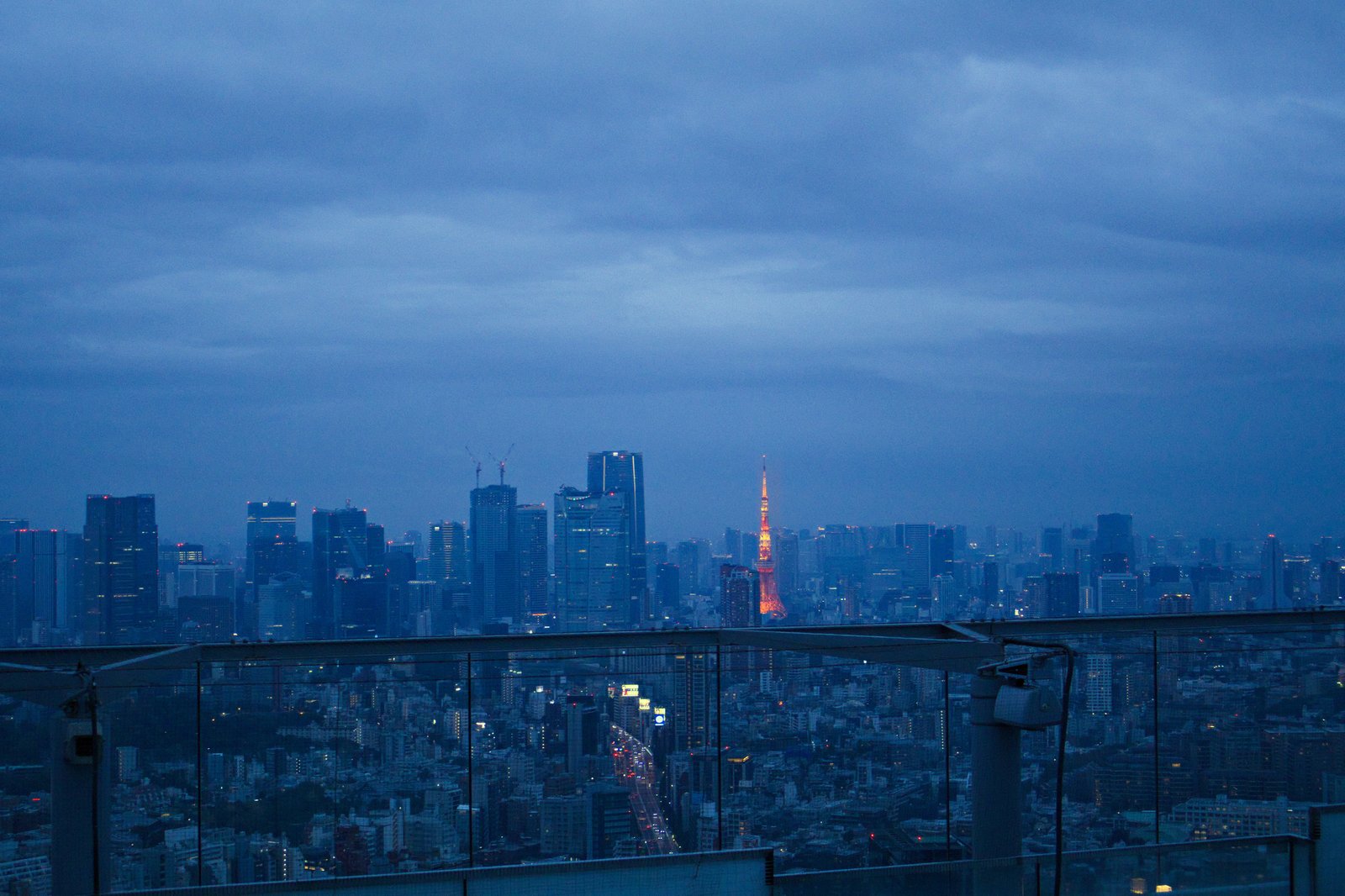
Tokyo Travel Guide: Shinjuku, Senso-ji & Shibuya Sky
Tokyo guide: Senso-ji free, Shibuya Sky ¥2,000, metro from ¥180 - neighbourhood picks from Shinjuku to Yanaka with entry fees and where to eat.
Guides for Tokyo
Tokyo is Japan’s capital and the world’s most populous metropolitan area, with around 14 million people within the city’s 23 special wards and more than 37 million in the wider greater metropolitan region. It is a city of extreme contrasts - ancient Shinto shrines pressed against glass-and-steel skyscrapers, neighbourhood-scale covered shopping arcades next to luxury fashion corridors, raucous izakaya alleys a short walk from silent temple gardens.
For first-time visitors, the scale can feel overwhelming. Tokyo covers 2,194 square kilometres and contains over 290 train and metro stations within the 23 wards alone. Understanding which neighbourhoods to focus on, and how they connect, makes the city navigable quickly.
Tokyo’s Key Neighbourhoods
Each of Tokyo’s major neighbourhoods has a distinct identity. You do not need to see all of them - pick the ones that match your interests and allow time to go deep rather than rushing across the entire city.
Shinjuku - The city’s busiest transport hub and one of its most intensely alive districts. The east side delivers dense nightlife (Kabukicho entertainment district, Golden Gai’s tiny bar alley, Omoide Yokocho “Memory Lane” under the train tracks), department stores, and electronics shops. The west side is a canyon of corporate towers, with the free observation floor of the Tokyo Metropolitan Government Building offering one of the city’s best views. Shinjuku Station itself processes over 3.5 million passengers per day - the world’s busiest station.
Shibuya - Famous globally for the Shibuya Crossing, the world’s busiest pedestrian scramble intersection, where up to 3,000 people cross simultaneously when the light changes. Shibuya is also the centre of Tokyo’s youth fashion scene, with the shopping streets of Center-gai, the Shibuya 109 fashion building, and the elevated Shibuya Sky observation deck. The neighbourhood around Daikanyama and Nakameguro (a short walk from Shibuya) is considerably calmer - boutique shops line a canal that turns spectacular during cherry blossom season.
Asakusa - The most “old Tokyo” feeling of any central district. Senso-ji temple is the anchor - Tokyo’s oldest temple, founded in 645 AD - and the Nakamise Shopping Street leading to it sells traditional snacks and souvenirs. The streets around Senso-ji, particularly Kappabashi (the wholesale kitchen district), reward slow exploration. Accommodation here tends to be cheaper than Shibuya or Shinjuku, and the area has excellent capsule hotel options.
Akihabara - The global epicentre of anime, manga, electronics, and gaming culture. Multi-floor electronics stores selling every conceivable component sit alongside maid cafes, retro game shops, and figures stores. Even if this isn’t your primary interest, the energy is unlike anything else in the city. The neighbourhood is a short walk from Ueno.
Harajuku - Two very different experiences within one postcode. Takeshita Street is a pedestrianised lane of crepe stalls, fast fashion, and everything designed to attract a teenage audience. Five minutes’ walk away, Omotesando is Japan’s most prestigious fashion boulevard - wide, tree-lined, and home to flagship stores from every major global luxury brand, many designed by Japan’s leading architects.
Ginza - Tokyo’s historic luxury shopping district. Wide boulevards, gallery spaces, Kabuki-za theatre, and the flagship stores of Japanese and international luxury brands. Prices here are the highest in the city. The Tsukiji Outer Market - the retail section of the former wholesale fish market, still very much operating - sits on Ginza’s eastern edge.
Ueno - Home to Ueno Park, which contains five major museums (including the Tokyo National Museum, Japan’s largest), the National Zoo, Ueno Toshogu shrine, and a significant stretch of cherry blossom trees. Beneath and around the park, Ameya-Yokocho market sells everything from fresh fish to knockoff goods in a dense, atmospheric market lane. Accommodation in this area skews affordable.
Shimokitazawa - A low-rise neighbourhood on the western side of the Yamanote loop, known for vintage clothing markets, independent music venues, small theatres, and a younger, creative local crowd. The vibe is deliberately unhurried and uncommercial - a useful counterpoint to the intensity of Shibuya or Shinjuku.
Yanaka - One of the few parts of central Tokyo that escaped both wartime bombing and postwar redevelopment. The neighbourhood retains a pre-modern street grid, wooden townhouses, local shotengai (shopping streets), and a large historic cemetery. The atmosphere gives a genuine sense of what much of Tokyo looked like before the 1960s. It is one of the best walks in the city.
Kagurazaka - A steep lane climbing northwards from Iidabashi Station, lined with French restaurants and bakeries, traditional Japanese restaurants, and the stone-paved Ishikawa-cho alley that runs behind geisha houses still in operation. The French-Japanese character of the neighbourhood is distinctive and unlike anywhere else in Tokyo.
Three quieter districts have their own guides: Nakameguro, Shimokitazawa and Yanaka.
Must-See Sights: Opening Hours and Entry Fees
| Sight | Entry Fee | Hours | Notes |
|---|---|---|---|
| Senso-ji Temple | Free | Grounds 24hrs, main hall 6:00–17:00 | Nakamise shopping street opens ~10:00 |
| Meiji Shrine | Free | Sunrise to sunset | Forested walk, inner garden ¥500 extra |
| Tokyo Skytree (Main Deck, 350m) | ¥2,100 | 10:00–21:00 | Top Deck (450m) ¥3,000; book online to avoid queues |
| Shibuya Sky (Scramble Square rooftop) | ¥2,000 | 10:00–22:30 | Last entry 21:30; best at dusk |
| teamLab Planets (Toyosu) | ¥3,200 | 9:00–21:00 | Timed tickets must be pre-booked online |
| Tokyo National Museum (Ueno) | ¥1,000 | 9:30–17:00 (Fri/Sat until 20:00) | Closed Mondays |
| Tokyo Tower | ¥1,200 (Main Deck) | 9:00–23:00 | Main Deck 150m; Top Deck ¥3,000 |
| Shinjuku Gyoen Garden | ¥500 | 9:00–16:00 | Closed Mondays; exceptional cherry blossoms |
| Ghibli Museum (Mitaka) | ¥1,000 | 10:00–18:00 | Lottery tickets only - book months in advance via official site |
| Tokyo Metropolitan Gov’t Building | Free | 9:00–22:30 (North Tower) | Free observation deck at 202m |
Several of these - teamLab in particular - sell out well ahead in peak season. If you are already in Japan and booking on short notice, our last-minute tours page shows tours and experiences with confirmed availability in the next three days, refreshed twice daily.
For advance bookings - guided Shinjuku night walks, Tsukiji morning food tours, day trips to Kamakura or Nikko, and private tea ceremony sessions - browse Tokyo tours on GetYourGuide.
Best Neighbourhoods by Budget
See our full Tokyo accommodation guide for a neighbourhood-by-neighbourhood breakdown of where to stay across all budget tiers, from Asakusa guesthouses to Ginza luxury hotels.
Getting to Tokyo from the Airports
Tokyo is served by two airports: Narita International (NRT), about 60km east of the city centre, and Haneda (HND), significantly closer at roughly 20km south.
From Narita:
- Narita Express (N’EX) to Shinjuku/Shibuya/Yokohama: ¥3,070, approx 60–90 minutes depending on destination. Pre-book online for a slight discount.
- Airport Limousine Bus to major hotels: ¥3,200, 60–120 minutes depending on traffic.
- Keisei Skyliner to Ueno: ¥2,570, 41 minutes - fastest budget option to the east side of town.
- Taxi from Narita: ¥20,000–¥30,000 - not recommended unless splitting costs. For a fixed-price private transfer from Narita or Haneda to your hotel, Kiwitaxi is worth comparing against the limousine bus, particularly if you are travelling with luggage or in a group.
From Haneda:
- Tokyo Monorail to Hamamatsucho Station: ¥500, 13 minutes - connects to Yamanote Line.
- Keikyu Line to Shinagawa or Asakusa: ¥300–¥340, 13–30 minutes.
- Limousine Bus to central Tokyo: ¥1,000–¥1,300.
- Taxi to central Tokyo: ¥4,000–¥8,000.
Koenji hosts a lively summer dance festival. See our Awa Odori Koenji event guide for dates and viewing tips.
Tokyo’s Sanno Matsuri is one of the city’s great shrine festivals, held in even-numbered years. See our Sanno Matsuri event guide for dates and viewing tips.
Getting Around Tokyo
Load a Suica or Pasmo IC card at any station machine (requires ¥500 deposit, any amount loadable on top). The card works on all metro lines, JR lines, buses, and even at convenience stores and some restaurants.
Day passes for tourists:
- Tokyo Metro 24hr pass: ¥800
- Tokyo Metro 48hr pass: ¥1,200
- Tokyo Metro 72hr pass: ¥1,500
- Tokyo Metro + Toei 24hr pass: ¥1,000
These passes only cover Tokyo Metro and/or Toei Subway lines - not JR lines. If you are hopping between districts frequently, the 72-hour pass pays for itself quickly. For lighter use, IC card pay-as-you-go is simpler.
Trains run approximately 05:00–00:30. After the last train, taxis are the only option - expensive and sometimes scarce during weekend nights in Shibuya or Shinjuku.
Practical Tips
Tokyo tap water is safe to drink. Public toilets - often featuring heated seats and bidet functions - are found in every station, department store, and most convenience stores, and are consistently clean. The city is remarkably safe at any hour. Vending machines on virtually every street corner sell hot and cold drinks for ¥120–¥180. Google Maps is the best navigation tool available and handles Tokyo’s complex train network accurately in English.
Mobile data is essential for navigating Tokyo - Japan’s physical SIM cards can be slow to purchase on arrival. We recommend picking up an Airalo eSIM for Japan before you fly so you have data the moment you land at Narita or Haneda.
Timing changes the experience a lot here, so our best time to visit Tokyo month-by-month guide is worth a look before you book.
Eating in Tokyo
Tokyo holds more Michelin stars than any other city in the world. From miso ramen and conveyor belt sushi to monjayaki, wagyu, and kaiseki, the city covers every price point and every level of formality. For a full breakdown of what to eat, where to find it, and what it costs, see our Tokyo food guide. For neighbourhood-by-neighbourhood restaurant recommendations, see our best restaurants in Tokyo guide.
After dinner, our Tokyo nightlife guide breaks down the bar districts, and the Tokyo cooking classes guide suits travellers who want to learn the dishes themselves.
Tokyo vs Other Cities
Deciding between Tokyo and another destination? Our comparison guides cover the key differences: Tokyo vs Osaka - food, culture, and which suits your trip; Tokyo vs Kyoto - modern metropolis vs ancient capital; Tokyo vs Seoul - Japan’s capital against Korea’s.
Tokyo sits in the Kanto region - Japan’s most populous and geographically diverse area. See our Kanto region guide for an overview of cities, day trips, and travel logistics across the greater Tokyo area.
Search hotels in Tokyo on Booking.com
Explore Tokyo in Depth
Things to do in Tokyo · Where to stay in Tokyo · Best restaurants in Tokyo · Tokyo food guide · Day trips from Tokyo · Tokyo neighbourhoods guide · Getting around Tokyo · Best time to visit Tokyo
Official sources worth checking before you go: Japan National Tourism Organization.
See also: Best tours in Tokyo · Shibuya Sky tickets · teamLab Borderless Azabudai Hills · teamLab Planets Toyosu · teamLab Tokyo overview · Tokyo Disney Resort tickets · Tokyo food tours · Tokyo food guide · Vegan restaurants in Japan · Kanto region guide · 3 days in Tokyo itinerary · One week in Tokyo itinerary · Long stay in Tokyo
Upcoming Events in Tokyo
Hatsumode - New Year Shrine Visits
Hatsumode 2027, 1–3 January. Japan's most important annual tradition - millions visit shrines and temples in the first three days of the new year.
Nearby Cities
Frequently Asked Questions
- How many days do you need in Tokyo?
- Most visitors find four to six days enough to cover Tokyo's major neighbourhoods and a couple of day trips. With three days you can hit the highlights - Asakusa, Shibuya, Shinjuku, and one museum - but you will feel rushed. A week is comfortable if you want to explore beyond the obvious.
- What are the best areas to stay in Tokyo?
- Shinjuku and Shibuya are the most convenient for transport connections to everywhere. Asakusa is better value and suits those who want a more traditional atmosphere. Akihabara and Ueno are central and affordable. Ginza suits luxury travellers. Harajuku and Omotesando are good for boutique mid-range options.
- Is the Tokyo Subway pass worth buying?
- The 72-hour Tokyo Metro pass costs ¥1,500 and pays off if you make five or more metro journeys per day. For lighter use, load an IC card (Suica or Pasmo) and pay as you go - metro fares typically run ¥180–¥310 per journey depending on distance.
- Is Tokyo expensive to visit?
- Less so than many visitors expect, especially given the weakened yen. Budget travellers can live well on ¥8,000–¥12,000 per day ($53–$80). Mid-range travel costs ¥15,000–¥30,000 per day. Accommodation is the main variable - food and transport are both very affordable by the standards of a global capital.
- What are the best day trips from Tokyo?
- Kamakura (1 hour, Great Buddha and Zen temples), Nikko (2 hours, UNESCO shrines), Hakone (1 hour 20 minutes, Mt Fuji views and open-air museum), and Kawaguchiko in the Fuji Five Lakes area (2 hours) are the four most rewarding. All are easily done independently by train.
Book an experience
Top experiences in Tokyo
Explore the best tours and activities in Tokyo, with instant confirmation and free cancellation on most bookings.