Nikko Travel Guide: UNESCO Shrines and Mountain Scenery
Nikko travel guide: UNESCO World Heritage shrines, Kegon Falls, Lake Chuzenji, and how to get there from Tokyo in 2 hours.
Guides for Nikko
Nikko sits in the Tochigi mountains 140 kilometers north of Tokyo, a mountain town of 85,000 people that contains one of Japan’s most extravagant concentrations of religious architecture. The Tosho-gu shrine complex, mausoleum of the first Tokugawa shogun Ieyasu, was built in the 1630s with the explicit intention of overwhelming visitors with color, craft, and scale - and seven centuries of reverence have done nothing to diminish it. Beyond the shrine gates, Nikko National Park extends into mountains, waterfalls, and a caldera lake that offer a full day of natural scenery distinct from anything in the historic center.
Getting to Nikko
The Tobu Limited Express Spacia or Revaty from Asakusa Station in Tokyo is the standard route. The journey takes 1 hour 50 minutes and costs ¥2,740 for a reserved seat (seat reservation required on the Limited Express). Tobu also runs slower rapid trains that take around 2 hours 10 minutes for less, with no reservation needed.
JR Pass holders have a different calculation: take the Tohoku Shinkansen from Tokyo to Utsunomiya (approximately 50 minutes, covered by the pass), then switch to the JR Nikko Line for 45 minutes (¥1,150, also covered by the pass). The total fare without the pass on this route is approximately ¥3,640 plus ¥1,150, making it more expensive than Tobu without a pass but free with one. The JR Nikko Line only covers the journey to Nikko town - buses into the national park area are operated by Tobu and require separate payment or the Nikko Pass.
The Nikko Pass
The Nikko All Area Pass (¥4,600 for 4 days from Asakusa) is worth considering if you plan to use the buses. It covers the Tobu Limited Express from Asakusa to Nikko and back, unlimited bus travel within the Nikko area including the Iroha-zaka switchback road to Lake Chuzenji, and discounts at major attractions. Without the pass, the bus from Nikko to Lake Chuzenji costs ¥1,150 each way.
Tosho-gu Shrine Complex
Tosho-gu is the mausoleum-shrine of Tokugawa Ieyasu, the shogun who unified Japan in 1600 and founded the Tokugawa dynasty that ruled until 1868. Construction of the current complex began in 1634 under his grandson Iemitsu, who employed 15,000 craftsmen and used vast quantities of gold leaf, lacquer, and carved wood to create a building that was meant to demonstrate the eternal power of the Tokugawa line.
The result is unlike any other religious complex in Japan - where most temples and shrines emphasize restraint and the beauty of natural materials, Tosho-gu blazes with color. The Yomeimon Gate alone contains over 400 individual carvings of dragons, lions, birds, peony flowers, and mythological creatures. The gate’s one deliberately incomplete pillar (inverted so that its pattern runs upside down) was included by the builders to ensure the complex was never perfect, as perfection would attract disaster.
The ¥1,300 combo ticket covers the main shrine hall, the Sacred Stable building (home to the famous See No Evil/Hear No Evil/Speak No Evil monkey carvings), the Sleeping Cat carving above the Sakashita Gate, and the 200-step path up through the cedar forest to the tomb of Ieyasu at the summit. Opening hours are 8:00am to 5:00pm from April to October, and 8:00am to 4:00pm from November to March.
Guided Nikko day tours from Tokyo cover Tosho-gu, Taiyuin Mausoleum, and the cedar forest approach as a structured circuit, with context for the Tokugawa dynastic ambition behind the shrine’s extravagant design.
Rinnoji Temple
Rinnoji is the major Buddhist temple of Nikko, founded by the Buddhist monk Shodo Shonin in 766 CE - predating the Tosho-gu shrine complex by nearly 900 years. The Sanbutsudo three-Buddha hall (¥400) contains three enormous gilded wooden figures: Amida Buddha, Senju Kannon, and Bato Kannon. The complex also includes the Shoyo-en garden (¥300), a landscape garden with a pond reflecting the surrounding mountains.
Futarasan Shrine
Futarasan Shrine (¥200) is one of three Futarasan shrines in the Nikko area, dedicated to the three sacred mountains of Nantai, Nyoho, and Taro. The main Nikko shrine was founded in 767 CE and sits within the main shrine precinct alongside Tosho-gu. The shrine is older and more subdued in architectural style than its neighbor, offering a useful point of comparison.
Taiyuin Mausoleum
The Taiyuin Mausoleum (¥550) is the tomb of Tokugawa Iemitsu, the shogun who built Tosho-gu to honor his grandfather. Iemitsu specifically requested that his own mausoleum face toward Tosho-gu and be more modest in scale - though “more modest” remains relative. Taiyuin has a series of ornate gates leading uphill through the forest to the main hall, the architectural quality equivalent to Tosho-gu but with fewer visitors. Many visitors who have seen both rate Taiyuin as the more atmospheric of the two.
Nikko National Park
The national park surrounds Nikko town and extends into the mountains, lakes, and highlands of Tochigi and Fukushima prefectures. The main attraction from Nikko is the combination of Kegon Falls and Lake Chuzenji, reached by a 45-minute bus ride up the Iroha-zaka switchback mountain road.
Kegon Falls
Kegon Falls (¥570 for the elevator to the base observation deck) is a 97-meter single-drop waterfall fed by the outflow of Lake Chuzenji. The free observation deck above gives a wide-angle view of the full drop; the elevator takes you to a small platform at the base where the full force and scale of the falls is apparent. After heavy rainfall, the spray reaches the observation deck. The surrounding forest turns spectacular colors in late October and November.
Lake Chuzenji
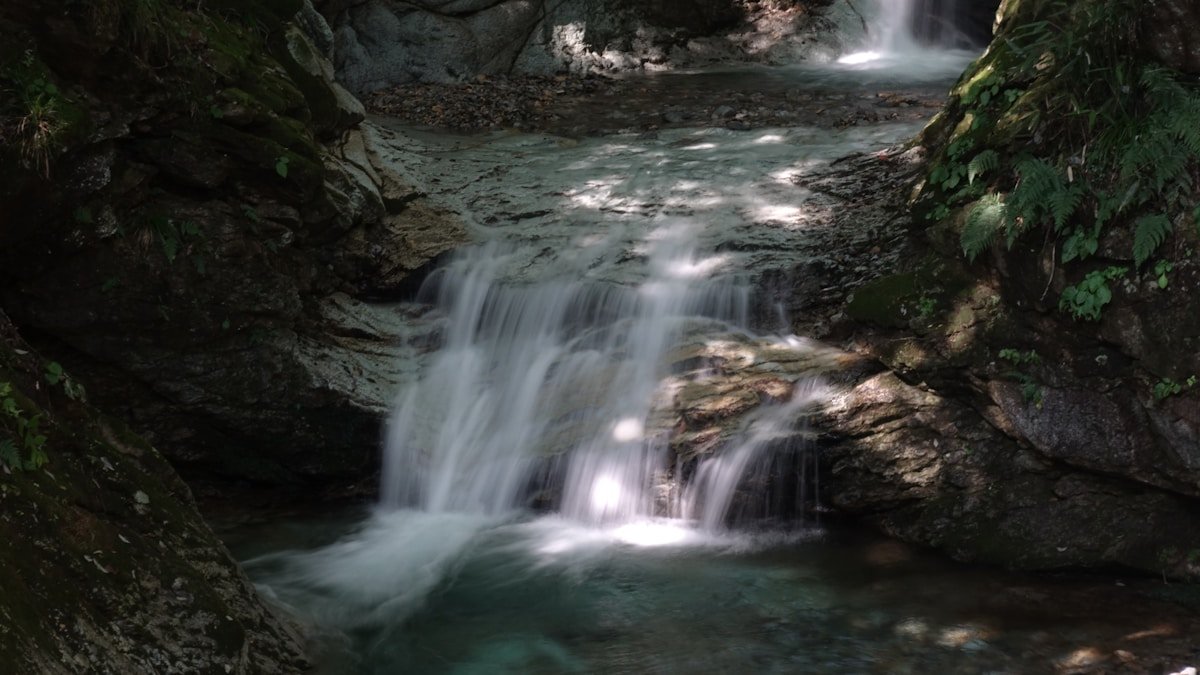
Lake Chuzenji sits at 1,269 meters altitude, formed by lava flows from the nearby volcano Nantai-san. The lake is 12 kilometers around and can be reached by bus from Nikko town in about 45 minutes. Walking the lake shore, particularly the 3-kilometer stretch from Chuzenji-onsen to Ryuzu Falls at the northern end, passes through some of the best autumn foliage in the Kanto region. Ryuzu Falls - where the river cascades over a wide natural rock ledge before entering the lake - is free to view and spectacular in November when the surrounding maples are in full color.
Senjogahara Marshland
The Senjogahara Marshland extends north of the lake, a high-altitude bog traversed by a wooden boardwalk trail of approximately 3 kilometers. The trail is free, takes 2 to 3 hours to walk, and passes through open wetland with views of surrounding peaks. It is one of the few genuinely wild-feeling walks accessible from Nikko without specialist equipment.
Edo Wonderland
Edo Wonderland Nikko Edomura (¥4,800) is a theme park recreating the streets and buildings of Edo-period Japan, with actors in period costume as merchants, samurai, and ninja. Ninja shows and interactive experiences are included in the admission. It is unabashedly touristy but well-executed and genuinely entertaining for those interested in the period. Located 3 kilometers from Nikko Station, accessible by bus.
Seasonal Highlights
| Season | What to See | Notes |
|---|---|---|
| Spring (April–May) | Cherry blossoms at Rinnoji, fresh green on hiking trails | Shinkyo Bridge lined with cherry trees in April |
| Summer (June–August) | Hiking, cool mountain air at the lake | Mountain weather unpredictable; bring rain gear |
| Autumn (Oct–Nov) | Best foliage in Kanto; Ryuzu Falls and lake shores | Peak weekend crowds; book accommodation early |
| Winter (Dec–March) | Snow-covered shrines, far fewer crowds | Some buses reduced; crampons useful for shrine steps |
Nikko vs Hakone
Both are classic Tokyo day trips. Our Hakone vs Nikko comparison explains the key differences - Nikko for shrine architecture and mountain scenery, Hakone for Mount Fuji views and onsen stays.
Planning your trip to Nikko? Tours and activities in Nikko cover guided experiences, cultural immersion, and the top sights with local expertise. Flights to Japan vary significantly by season - compare early to secure the best fares. Sort out travel insurance for Japan before you book, and pick up an Airalo eSIM for Japan to have mobile data the moment you land.
Search hotels in Nikko on Booking.com
Explore Nikko
Things to do in Nikko · Where to stay in Nikko · Best restaurants in Nikko · Nikko food guide · Day trips from Nikko
Nikko is part of the Kanto region. For an overview of destinations near Tokyo, see our Kanto region guide.
See also: Kanto region guide · Tokyo travel guide · Hakone travel guide · Hakone vs Nikko · One week in Tokyo itinerary · Onsen guide Japan
Upcoming Events in Nikko
Hatsumode - New Year Shrine Visits
Hatsumode 2027, 1–3 January. Japan's most important annual tradition - millions visit shrines and temples in the first three days of the new year.
Nearby Cities
Frequently Asked Questions
- How do we get from Tokyo to Nikko?
- The Tobu Limited Express from Asakusa Station takes 1 hour 50 minutes for ¥2,740. Alternatively, take the Shinkansen to Utsunomiya (50 minutes, covered by JR Pass) then the JR Nikko Line for 45 minutes (¥1,150). The Tobu option is usually cheaper overall without a JR Pass.
- Is the Nikko Pass worth buying?
- The Nikko All Area Pass (¥4,600 for 4 days from Asakusa) covers the Tobu train from Tokyo to Nikko, unlimited Tobu bus travel in the Nikko area including to Lake Chuzenji, and discounts at major sights. It is usually worth buying if you plan to visit the lake.
- What does the Tosho-gu combo ticket include?
- The ¥1,300 combo ticket for Tosho-gu covers the main shrine complex including the Yomeimon Gate, the Sacred Stable, the Sleeping Cat carving, and the tomb of Tokugawa Ieyasu at the top of the hill. The Rinzo library and Yakushido hall require additional small fees.
- When is the best time to visit Nikko?
- Autumn (mid-October to mid-November) is the most spectacular time for foliage around the shrines and lake. Spring (April to May) brings cherry blossoms. Summer is pleasant in the mountain air. Winter is cold but the snow-covered shrines are beautiful and far less crowded.
- Can we visit Nikko as a day trip from Tokyo?
- Yes, as a long day trip. Leave Tokyo by 8am to arrive at the shrines for 10am, covering the shrine complex and possibly the lake before returning by early evening. Two days is more comfortable and allows the national park to be properly explored.
Book an experience
Top experiences in Nikko
Explore the best tours and activities in Nikko, with instant confirmation and free cancellation on most bookings.