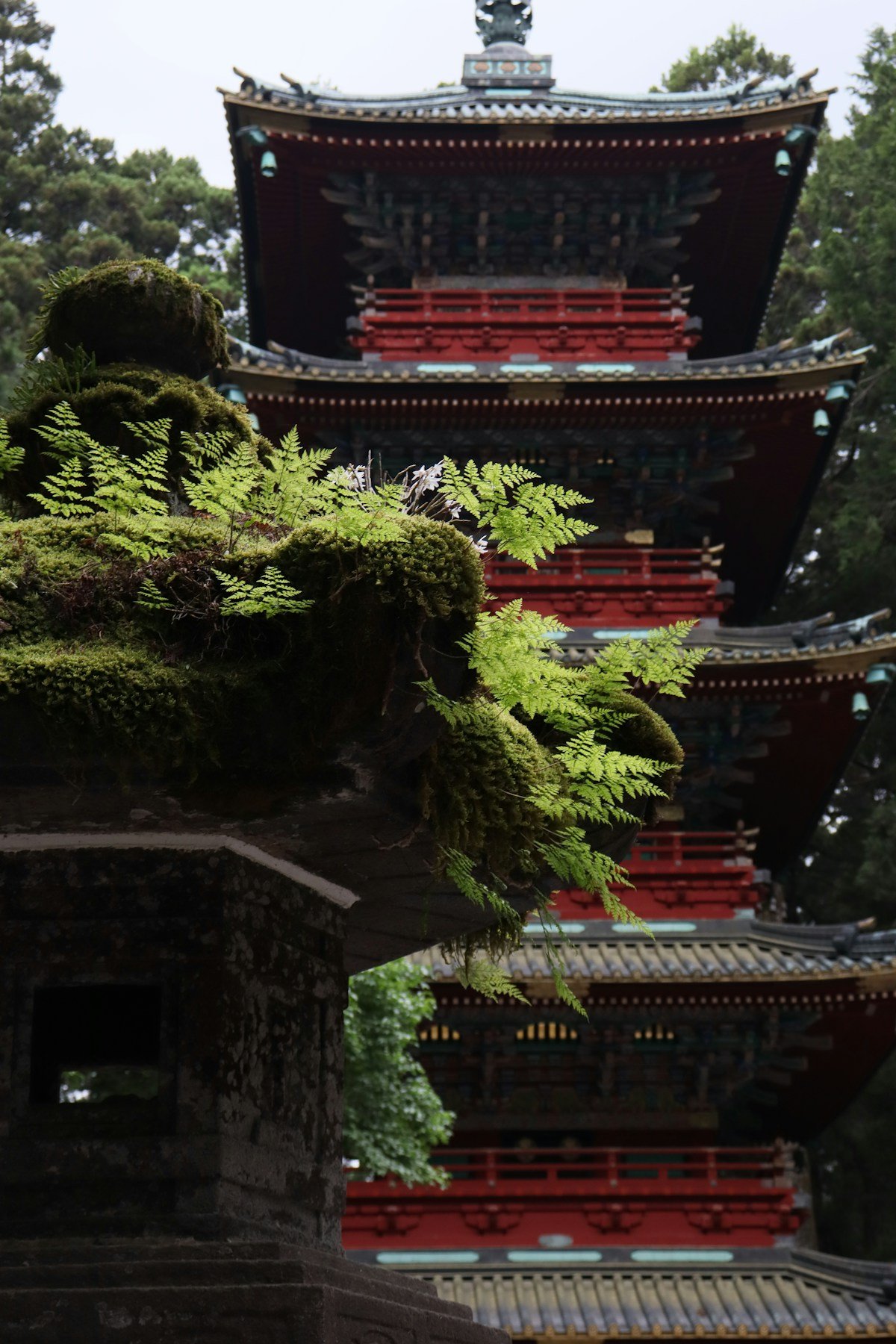
Nikko divides into two distinct experiences: the shrine complex in the town itself, and the national park spreading into the mountains above. Covering both properly requires at least two days - one for the shrines and mausoleums, one for the lake, falls, and highland walks. Below are 16 things to do in Nikko, organized from the historic core to the natural periphery.
1. Tosho-gu Shrine - The Yomeimon Gate and Main Complex
The Yomeimon Gate (also called the Gate of Sunlight) is the architectural centerpiece of Tosho-gu and one of the most ornately decorated structures in Japan. The gate’s 12 pillars and 12 interior columns support a structure covered in 400+ individual carvings - mythological animals, birds, peonies, and scenes from Chinese legend. The artists who decorated the gate apparently worked for months on individual animals; the dragon heads emerging from the roof brackets alone required weeks of carving. The combo ticket (¥1,300) covers the full complex.
2. Tosho-gu’s See No Evil Monkeys
The Sacred Stable building on the approach to Tosho-gu’s main gate is decorated with a series of carved wooden panels depicting monkeys at different life stages. The third panel in the series shows three monkeys covering their eyes, ears, and mouth - the most famous rendering of mizaru, kikazaru, and iwazaru (“see no evil, hear no evil, speak no evil”) in Japan. The stable itself houses a white horse donated by the New Zealand government. Entry is included in the ¥1,300 combo ticket.
3. The Sleeping Cat and Tomb of Ieyasu
The Nemuri-neko (Sleeping Cat) is a small, easily-overlooked carving above the Sakashita Gate leading to the tomb area - a palm-sized cat apparently sleeping, attributed to the legendary carver Hidari Jingoro. Beyond the gate, 200 stone steps climb through a forest of 600-year-old cedar trees to the tomb of Tokugawa Ieyasu. The cedar forest is one of the most impressive natural elements of the entire Tosho-gu complex, the trees enormous and silent around the small bronze tomb. Included in the ¥1,300 combo ticket.
4. The Sacred Shinkyo Bridge
The Shinkyo (Sacred Bridge) is a vermilion lacquered arched bridge spanning the Daiya River at the entrance to the shrine area. Entry is ¥300 to walk across the bridge itself; viewing and photographing from the road below is free. The bridge dates to 1636 in its current form, built on a site that was sacred since the 8th century - legend holds that the priest Shodo Shonin crossed the river here on the backs of two sacred serpents. The combination of red lacquer against the green river gorge is one of Nikko’s most photographed compositions.
5. Rinnoji Temple’s Three-Buddha Hall
Rinnoji’s Sanbutsudo (¥400) is the largest wooden building in the Nikko area, housing three gilded wooden statues that are among the largest in the Kanto region. The Senju Kannon (Thousand-Armed Kannon) in the center stands 7.4 meters tall; the two flanking figures are nearly as imposing. The hall is often overlooked by visitors focused on Tosho-gu, but the scale of the interior and the quality of the gilded figures merit the detour.
6. Taiyuin Mausoleum - Fewer Crowds, Equal Beauty
Taiyuin (¥550) is the mausoleum of Iemitsu, the shogun who built Tosho-gu. The complex follows the same logic - a series of increasingly ornate gates climbing through forest toward the final hall and tomb - but receives perhaps one-tenth of Tosho-gu’s visitors on a typical day. The Nitenmon Gate (housing the guardian deities Jikokuten and Komokuten) and the Yakushamon Gate (decorated with medicinal plant carvings) are architecturally superb. Visiting in the afternoon after Tosho-gu, when the shrine crowds have thinned, gives Taiyuin the quiet it deserves.
7. Kegon Falls - Japan’s Most Famous Waterfall
Kegon Falls (¥570 for the elevator to the base platform) drops 97 meters from the outflow of Lake Chuzenji. The free upper observation deck gives a panoramic view of the full drop into the gorge below. The paid elevator descends through the rock to a viewing platform at the base, from which the full force of the water is immediately apparent - the spray carries across the platform on high-flow days. Eleven smaller falls feed into the gorge from the sides. The November autumn foliage around the falls is the most dramatic in the Nikko area.
8. Lake Chuzenji Shore Walk
The 3-kilometer walk along the northern shore of Lake Chuzenji from Chuzenji-onsen to Ryuzu Falls passes through birch, maple, and Japanese cedar forest that turns vivid color in late October and early November. The lake surface reflects the surrounding mountains; on calm mornings the reflections of the peaked ridges are almost perfect. The walk is flat and requires no special equipment. Combining it with the bus to Ryuzu Falls and back makes a half-day outing from Nikko town.
9. Ryuzu Falls - October Autumn Colour
Ryuzu Falls (free) at the north end of Lake Chuzenji is where the Yukawa River descends over a wide natural rock ledge before entering the lake. The falls are wide and relatively low - a strong, spreading curtain of water rather than a narrow drop - and the surrounding maples are among the most reliably spectacular in the national park in late October. A small teahouse beside the lower observation platform serves warm drinks and mochi.
10. Senjogahara Marshland Boardwalk
The Senjogahara Marshland is a high-altitude bog (1,400 meters elevation) north of Lake Chuzenji, crossed by 3 kilometers of wooden boardwalk. The trail is free and takes 2 to 3 hours at an easy pace. The landscape is open and exposed - very different from the forested shrine areas - with grasses, sedges, and seasonal wildflowers stretching to the surrounding mountain ridges. The circuit connects to Yudaki Falls at the far end, where the Yukawa River drops 70 meters over a wide rock face in one of the park’s most impressive natural features.
11. Yudaki Falls in Senjogahara
Yudaki Falls (free) at the northern end of the Senjogahara Marshland circuit is a 70-meter cascade where the Yukawa River spills over a wide basalt ledge into the valley below. The falls can be viewed from the road bridge above or from a short path to a lower platform. They are often less visited than Kegon Falls but are arguably more naturally impressive - wider, wilder, and without the infrastructure of the Kegon viewing decks.
12. Tamozawa Imperial Villa
The Tamozawa Imperial Villa (¥500) is a Meiji-era summer palace built in 1899 for the imperial family, combining Edo-period residential architecture with Meiji-era modifications. The building contains 106 rooms and is set in carefully maintained grounds. The interior tour takes about 45 minutes and gives an unusually clear picture of how the Meiji-era aristocracy lived in their mountain retreats. Located 2 kilometers from Nikko Station, it is walkable or accessible by bus.
13. Edo Wonderland Nikko Edomura
Edo Wonderland (¥4,800) is a theme park recreating Edo-period streetscapes, with actors in period costume, ninja shows, samurai demonstrations, and theatrical performances throughout the day. The entertainment is well-staged and the period buildings - while reconstructions - are detailed and atmospheric. Ninja-themed experiences are interactive and suitable for all ages. Located 3 kilometers from Nikko Station; accessible by Tobu bus.
14. Nikko Kanaya Hotel Afternoon Tea
The Nikko Kanaya Hotel opened in 1873 and is one of the oldest Western-style hotels in Japan, having hosted foreign diplomats and celebrities across three centuries. Afternoon tea in the main lounge (¥2,500 per person) is served in a dining room with original dark-wood paneling, stained glass, and antique furniture. The experience is more about atmosphere than the food itself, but the setting is genuinely historic and worth 90 minutes on a Nikko itinerary.
15. Skiing at Nikko Yumoto Ski Area
The Nikko Yumoto Ski Area opens from late December through early March. Day lift passes cost around ¥3,500, with equipment rental available at the base. The ski area is small (best for beginners and intermediates), but the mountain setting in Nikko National Park - surrounded by snow-covered forest and with views toward the volcanic peaks - is the main draw. Combine with an evening soak at Nikko Yumoto Onsen directly at the base of the slopes.
16. Nikko Yumoto Onsen Day Soak
Nikko Yumoto Onsen (day-use ¥600–¥1,000 depending on the inn) is a small hot spring village at the far end of the national park, 45 minutes by bus from Lake Chuzenji. The spring water has a mild sulphurous quality, and several inns allow day visitors to use their baths without an overnight booking. The combination of mountain forest, steam, and the quiet of the far northern park makes it a fitting end to a day of hiking or shrine-visiting.
Book ahead for popular experiences: Tours and activities in Nikko include guided options, skip-the-line tickets, and immersive cultural experiences.
How to Split Your Day in Nikko
| Time | Shrine Complex | National Park |
|---|---|---|
| 8:00–9:30am | Shinkyo Bridge, Rinnoji Sanbutsudo (before crowds) | - |
| 9:30–12:00pm | Tosho-gu full complex including tomb | - |
| 12:00–1:00pm | Lunch in Nikko town | Lunch at Chuzenji-onsen |
| 1:00–3:00pm | Taiyuin Mausoleum, Tamozawa Villa | Kegon Falls, lake shore walk |
| 3:00–5:00pm | Futarasan Shrine, Kanaya Hotel tea | Ryuzu Falls, Senjogahara return |
For a two-day visit, split the schedule above across both days - shrine complex on day one, national park on day two - and add an onsen evening at Nikko Yumoto.
Where to stay: Search hotels in Nikko on Booking.com
See also: Nikko travel guide · Where to stay in Nikko · Best restaurants in Nikko · Day trips from Nikko · Hakone vs Nikko · Onsen guide Japan · Kanto region guide · Japan in October