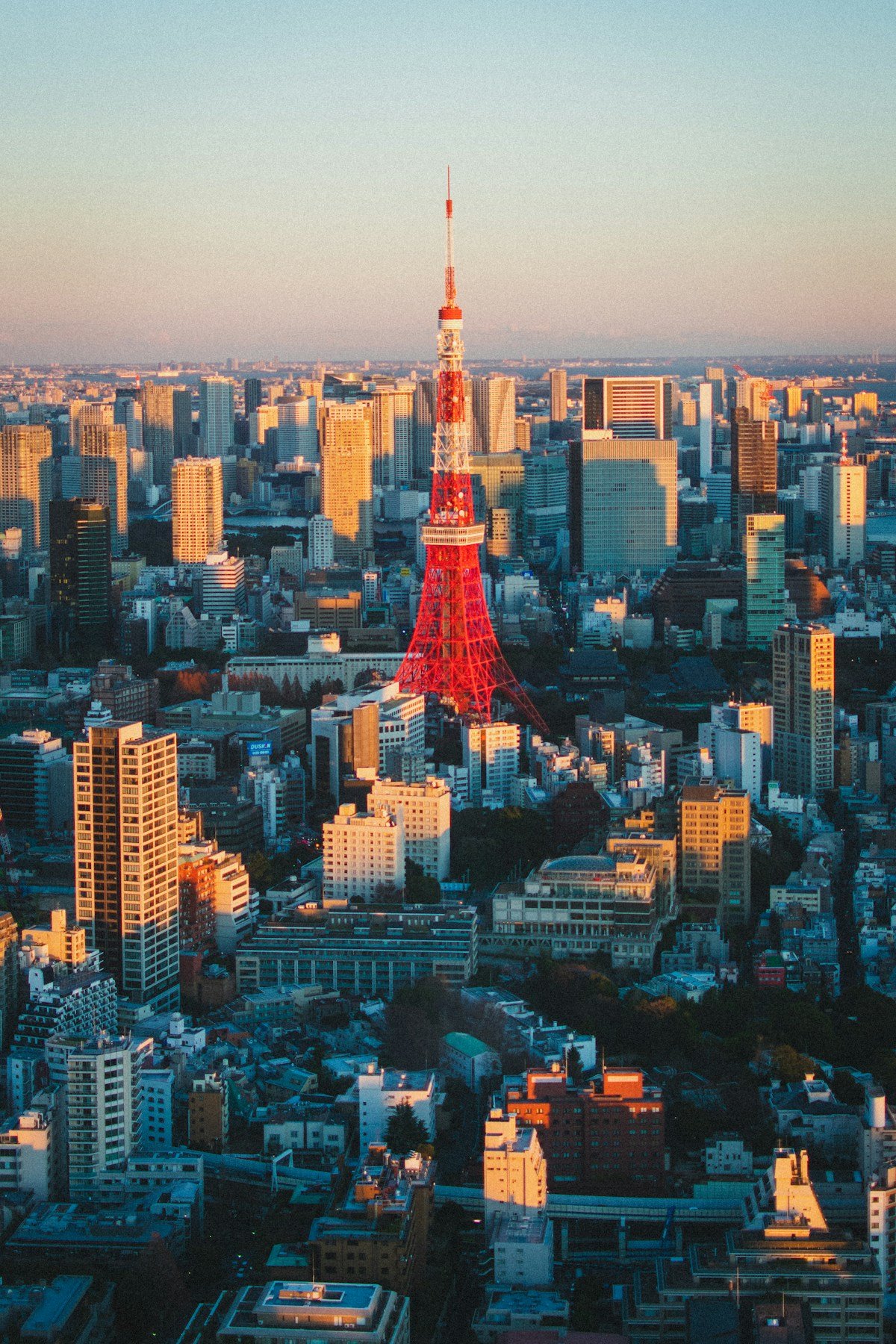
Tokyo is not one city - it is a loose federation of distinct neighbourhoods, each with its own character, price level, and reason to visit. Understanding what each district offers is the most practical piece of planning you can do before arriving.
This guide covers the nine neighbourhoods most visitors should know: what each is for, who it suits best, the nearest stations, and named hotels and restaurants at different price points.
Prices listed are approximate as of 2026 and will fluctuate with seasonality and exchange rates.
Shinjuku - Transport Hub, Entertainment, Hotels
Shinjuku is the natural headquarters for most first-time Tokyo visitors. Shinjuku Station - the world’s busiest by passenger volume - connects the JR Yamanote and Chuo/Sobu Lines, the Keio and Odakyu private railways (for Hakone and Mt Takao day trips), and several Tokyo Metro and Toei subway lines. From here, every other major neighbourhood in this guide is reachable in 20–40 minutes.
The east side is built for entertainment: Kabukicho is Tokyo’s largest red-light and nightlife district, though it is safe to walk through and worth seeing. Shinjuku Golden Gai - a warren of tiny bars, each seating six to twelve people - is one of the city’s most atmospheric drinking experiences. Omoide Yokocho (Memory Lane) is a narrow alley of yakitori counters that dates to the post-war era. The west side is corporate, dominated by skyscrapers and home to the Tokyo Metropolitan Government Building, whose free observation deck gives some of the best panoramic views in the city.
Best for: First-time visitors, day-trippers to Hakone and Nikko, night owls.
Nearest stations: Shinjuku Station (JR, Keio, Odakyu, Toei Oedo, Tokyo Metro)
Hotels:
- Keio Plaza Hotel Tokyo - classic large-format Tokyo hotel, multiple restaurants on-site, rooms from approximately ¥18,000. Mid-range.
- Park Hyatt Tokyo - the Lost in Translation hotel, 39th–52nd floors of the Shinjuku Park Tower, rooms from approximately ¥70,000. Luxury.
Restaurants:
- Omoide Yokocho stalls - yakitori skewers and cold beer from approximately ¥800–¥1,500 per person at a counter, authentic post-work atmosphere, open evenings only.
- Katsukura Shinjuku - high-quality tonkatsu (breaded pork cutlet) restaurant on Takashimaya Times Square’s dining floor, set meals from approximately ¥2,200.
Shibuya - Shopping, Youth Culture, Dining
Shibuya centres on one of the world’s most photographed intersections: Shibuya Crossing, where five pedestrian crossings discharge simultaneously and up to 3,000 people move at once. The crossing can be viewed street-level from the scramble or from above at Shibuya Sky (outdoor observation deck, approximately ¥2,000) or from the free Starbucks window on the first floor of Mag’s Park.
Beyond the crossing, Shibuya is Tokyo’s anchor for youth fashion and contemporary retail: Shibuya 109, Shibuya Stream, and Scramble Square form a dense concentration of shops. The sub-neighbourhoods within walking distance - Daikanyama (boutique fashion, concept stores), Nakameguro (canal-side restaurants, independent cafes), and Ebisu (international residential feel) - are a step calmer and often more interesting for visitors who have moved past the initial sightseeing.
Best for: Shopping, food-oriented travellers, younger visitors, those interested in Tokyo’s contemporary design and architecture.
Nearest stations: Shibuya Station (JR Yamanote, Tokyu, Keio Inokashira, Tokyo Metro Ginza and Hanzomon Lines)
Hotels:
- Shibuya Granbell Hotel - design-forward, good location five minutes from the crossing, rooms from approximately ¥15,000. Mid-range.
- Cerulean Tower Tokyu Hotel - 19 floors above Shibuya, panoramic city views, rooms from approximately ¥45,000. Luxury.
Restaurants:
- Ippudo Shibuya - ramen chain that originated in Hakata (Fukuoka); tonkotsu broth bowls from approximately ¥980. Long queues at peak hours.
- Udon Shin - handmade udon in a no-frills setting near Yoyogi Park, lunch sets from approximately ¥850. Short walk from Shibuya.
Asakusa - Traditional Tokyo, Senso-ji
Asakusa is the area that best preserves old Tokyo’s scale and atmosphere. The neighbourhood is low-rise, walkable, and oriented around Senso-ji - Tokyo’s oldest temple, founded in 645 AD - and the Nakamise shopping street that leads to it. The enormous red Kaminarimon lantern at the entrance to Nakamise is the most recognisable single image in Tokyo.
Beyond the temple, Asakusa is dense with traditional craft shops, senbei (rice cracker) sellers, rickshaw operators, and small restaurants serving tempura, ramen, and unagi. Tokyo Skytree - the world’s second-tallest structure at 634 metres - is 15 minutes’ walk east, with a main deck observation floor at 350 metres (approximately ¥2,100) and a premium deck at 450 metres (approximately ¥3,400).
Accommodation in Asakusa is consistently cheaper than Shinjuku or Shibuya, making it the best neighbourhood for budget-conscious visitors who still want a central location.
Best for: Traditional atmosphere, budget travellers, return visitors, families, photography.
Nearest stations: Asakusa Station (Tokyo Metro Ginza Line, Toei Asakusa Line, Tobu Skytree Line)
Hotels:
- Asakusa View Hotel - reliable mid-range option with views towards Senso-ji from upper floors, rooms from approximately ¥13,000. Mid-range.
- Andon Ryokan - small boutique ryokan with Japanese-style rooms and a rooftop onsen, rooms from approximately ¥20,000. Upper mid-range.
Restaurants:
- Daikokuya Tempura - established tempura restaurant near Senso-ji since 1887, tempura donburi sets from approximately ¥1,600. Expect a queue.
- Otafuku - traditional oden (simmered winter stew) restaurant in business since 1945, set courses from approximately ¥3,000 per person.
Harajuku - Fashion, Meiji Shrine
Harajuku occupies a narrow strip of the Yamanote Line between Shinjuku and Shibuya, but its character is distinct. Meiji Jingu (Meiji Shrine) - set within 70 hectares of forested grounds - is Tokyo’s most visited Shinto shrine and a remarkable piece of urban woodland for a city this dense. The entrance is a two-minute walk from Harajuku Station; the forest path to the main hall takes about ten minutes on foot.
The street culture side of Harajuku runs along Takeshita Street - a pedestrianised lane of cheap fashion, cosplay accessories, and sugar-loaded crepe stalls. A short walk away, Omotesando Boulevard is the architectural opposite: wide, tree-lined, home to flagship stores by Prada, Louis Vuitton, and Comme des Garçons (the latter in a building designed by Future Systems).
Best for: Fashion, design, shrine visits, architecture enthusiasts.
Nearest stations: Harajuku Station (JR Yamanote Line), Meiji-jingumae Station (Tokyo Metro Chiyoda and Fukutoshin Lines)
Hotels:
- Trunk Hotel - design-driven boutique hotel in Shibuya, 10 minutes’ walk, rooms from approximately ¥35,000. Upper mid-range.
- The Millennials Harajuku - smart-capsule concept hotel on Takeshita Street, pods from approximately ¥7,000. Budget-plus.
Restaurants:
- Gyukatsu Motomura Harajuku - beef cutlet (gyukatsu) restaurant where diners cook thin-cut wagyu on individual hot stones at the table, sets from approximately ¥1,500.
- Maison Kayser Omotesando - French bakery chain, consistently good for a coffee and croissant mid-morning, from approximately ¥600.
Ginza - Luxury Retail, High-End Dining
Ginza is Tokyo’s most prestigious commercial district, occupying about twelve blocks between Higashi-Ginza and Shimbashi stations. Flagship stores for Chanel, Hermès, Cartier, and Apple line Chuo-dori, which is pedestrianised on weekend afternoons. Kabuki-za - Tokyo’s dedicated Kabuki theatre - is at the Higashi-Ginza end; single-act tickets (¥1,000–¥2,000) allow visitors to experience a portion of a performance without committing to a full programme.
The dining scene in Ginza skews expensive - this is where Tokyo’s high-end sushi counters and kaiseki restaurants are concentrated. However, lunch sets at many restaurants are significantly cheaper than dinner, and several department store basement food halls (Mitsukoshi and Matsuya in particular) offer excellent ready-to-eat food at accessible prices.
Best for: Luxury shopping, high-end Japanese dining, Kabuki, visitors on expense accounts.
Nearest stations: Ginza Station (Tokyo Metro Ginza, Hibiya, and Marunouchi Lines), Higashi-Ginza Station (Toei Asakusa Line)
Hotels:
- Mitsui Garden Hotel Ginza Premier - upper-floor views over the district, rooms from approximately ¥25,000. Mid-range.
- The Peninsula Tokyo - one of Tokyo’s benchmark luxury properties in adjacent Yurakucho, rooms from approximately ¥90,000. Luxury.
Restaurants:
- Sushi Saito - three Michelin stars, one of Tokyo’s most sought-after counters; reservations are notoriously difficult and require advance planning through your hotel concierge. Omakase from approximately ¥40,000.
- Ginza Kyubey - long-established high-end sushi restaurant with a more accessible reservation process than top counters, lunch from approximately ¥8,000.
Roppongi - Nightlife, Art Museums
Roppongi’s reputation is split cleanly in two. The nightlife side - centred on Roppongi Crossing and the club district around Gaien-Higashi-dori - is Tokyo’s most international late-night scene and one of its most persistent. The Art Triangle side - formed by Mori Art Museum, Suntory Museum of Art, and 21_21 Design Sight - is entirely different in character: one of the highest concentrations of serious contemporary art institutions in Asia.
Mori Art Museum (Roppongi Hills, 53rd floor, approximately ¥2,000) combines exhibition space with a panoramic observation deck that is open until midnight - making it the best combination of art and nighttime city view in Tokyo. 21_21 Design Sight in Midtown (from approximately ¥1,400) runs internationally significant design exhibitions throughout the year.
Best for: Nightlife, contemporary art, design exhibitions, expat social scene.
Nearest stations: Roppongi Station (Tokyo Metro Hibiya Line, Toei Oedo Line)
Hotels:
- The Ritz-Carlton Tokyo - floors 45–53 of Midtown Tower, rooms from approximately ¥80,000. Luxury.
- Dormy Inn Premium Akasaka - reliable budget-business option one stop from Roppongi, communal onsen included, rooms from approximately ¥13,000. Mid-range.
Restaurants:
- Gonpachi Nishi-Azabu - the restaurant reportedly used as a reference for the Kill Bill fight scene; robust robatayaki grill menu, dinner from approximately ¥4,000 per person.
- Tofuya-Ukai - refined tofu kaiseki in a converted Edo-period building in the shadow of Tokyo Tower, dinner from approximately ¥8,000 per person.
Akihabara - Electronics, Anime, Gaming
Akihabara’s identity is specific: it is the world centre for consumer electronics, retro gaming, anime merchandise, and maid cafes. The main shopping area runs along Chuo-dori and its surrounding streets for about five blocks. Multi-storey shops like Yodobashi-Akiba - the largest electronics store in Japan at over 40,000 square metres - sell everything from cameras and computer components to home appliances at prices that are often lower than anywhere else in Tokyo.
Retro gaming shops on the upper floors of older buildings stock Super Famicom cartridges, Dreamcast hardware, and Sega Saturn rarities. Maid cafes (where staff dress in French maid costumes and treat customers as guests in a manor house) are a cultural curiosity if approached with the right expectations - expect a ¥500 cover charge plus a minimum spend per person.
Best for: Electronics shopping, anime and gaming culture, tech enthusiasts, maid cafe experiences.
Nearest stations: Akihabara Station (JR Yamanote and Keihin-Tohoku Lines, Tsukuba Express)
Hotels:
- APA Hotel Akihabara Ekimae - directly in front of the station, functional rooms from approximately ¥8,000. Budget.
- First Cabin Akihabara - smart capsule hotel, pods styled as business-class seats, from approximately ¥5,000. Budget capsule.
Restaurants:
- @Home Cafe - one of Akihabara’s most established maid cafes, multiple floors, cover and minimum spend approximately ¥1,500 per person.
- Kanda Matsuya - soba restaurant in business since 1884 in the adjacent Kanda district, handmade soba sets from approximately ¥950.
Ueno - Museums, Parks, Markets
Ueno is Tokyo’s cultural institution district. The park itself - Ueno Koen - contains the Tokyo National Museum (Japan’s largest and oldest museum, admission approximately ¥1,000), the National Museum of Western Art, the National Museum of Nature and Science, Ueno Zoo (approximately ¥600), and the Tosho-gu shrine. In late March and early April, the cherry blossoms along Shinobazu Pond draw the largest crowds of any spot in the city.
Ameyoko Market - a covered and open-air market running south from Ueno Station along the elevated JR track - sells fresh produce, dried foods, clothes, and cosmetics at discounted prices. It is most lively at weekends and in the days before New Year.
Ueno is also the most practical neighbourhood for visitors arriving by Keisei Skyliner from Narita Airport - the Skyliner terminates at Keisei-Ueno Station (41 minutes from Narita Terminal 1, approximately ¥2,570).
Best for: Museum visits, cherry blossom season, budget travellers, Narita airport arrivals.
Nearest stations: Ueno Station (JR Yamanote, Keihin-Tohoku, Utsunomiya, Takasaki Lines; Tokyo Metro Ginza and Hibiya Lines; Keisei Line)
Hotels:
- Dormy Inn Ueno Okachimachi - budget-business chain with communal natural hot spring bath, rooms from approximately ¥10,000. Budget-plus.
- Mystays Ueno East - clean, central, practical; rooms from approximately ¥9,000. Budget.
Restaurants:
- Kagari Ramen Ueno - chicken paitan (white broth) ramen, rich and silky, bowls from approximately ¥1,100. Small shop with queues at lunch.
- Sasa-no-Yuki - tofu restaurant in business since the Edo period, set menus from approximately ¥4,000 per person.
Tsukiji and Toyosu - Food Markets
Tsukiji Outer Market is the food culture hub that remained after the main wholesale market moved to Toyosu in 2018. The outer market’s stalls - selling fresh seafood, pickles, tamago-yaki (sweet egg), dried goods, and kitchen knives - are open to the public every morning except some Wednesdays. The most-visited experience is breakfast at one of the sushi counters or seafood bowl (kaisendon) restaurants, most of which open by 5:00–6:00 and run until ingredients sell out. Budget approximately ¥1,500–¥3,000 for a solid breakfast.
Toyosu Market - a 40-minute Metro and bus journey from central Tokyo - now handles the wholesale fish trade and hosts the famous tuna auctions. The public viewing gallery requires advance reservation via the Tokyo Metropolitan Central Wholesale Market website and is open on a limited schedule. For most visitors, Tsukiji Outer Market offers a more accessible and equally atmospheric food experience.
Best for: Seafood breakfasts, food culture, knife shopping, early risers.
Nearest stations (Tsukiji): Tsukiji Station (Tokyo Metro Hibiya Line), Tsukijishijo Station (Toei Oedo Line)
Hotels:
- Monterey La Soeur Ginza - in adjacent Ginza, a short walk, rooms from approximately ¥22,000. Mid-range.
- Mitsui Garden Hotel Ginza - similarly close, rooms from approximately ¥18,000. Mid-range.
Restaurants:
- Sushi Dai - perennial queue-leader at Tsukiji for omakase sushi breakfast, wait times of 1–2 hours are common; omakase from approximately ¥4,000.
- Turret Coffee - espresso shop on a quiet Tsukiji side street, good for waiting out the Sushi Dai queue, flat white from approximately ¥550.
Explore Tokyo in depth: Walking tours and activities in Tokyo include neighbourhood walks, cultural experiences, and skip-the-line tickets for the top sights.
Neighbourhood Comparison at a Glance
| Neighbourhood | Character | Best Station | Budget Hotels | Luxury Hotels |
|---|---|---|---|---|
| Shinjuku | Transport hub, nightlife | Shinjuku (JR) | ¥8,000–¥12,000 | ¥50,000+ |
| Shibuya | Shopping, youth culture | Shibuya (JR) | ¥8,000–¥14,000 | ¥40,000+ |
| Asakusa | Traditional, temples | Asakusa (Metro) | ¥5,000–¥9,000 | ¥20,000+ |
| Harajuku | Fashion, shrines | Harajuku (JR) | ¥7,000–¥12,000 | ¥35,000+ |
| Ginza | Luxury, dining | Ginza (Metro) | Not recommended | ¥50,000+ |
| Roppongi | Nightlife, art | Roppongi (Metro) | ¥12,000+ | ¥80,000+ |
| Akihabara | Electronics, anime | Akihabara (JR) | ¥5,000–¥9,000 | ¥25,000+ |
| Ueno | Museums, parks | Ueno (JR) | ¥9,000–¥13,000 | ¥25,000+ |
| Tsukiji | Food markets | Tsukiji (Metro) | - | ¥20,000+ |
Where to stay: Search hotels in Tokyo on Booking.com
See also: Tokyo travel guide · Where to stay in Tokyo · Things to do in Tokyo · Best restaurants in Tokyo