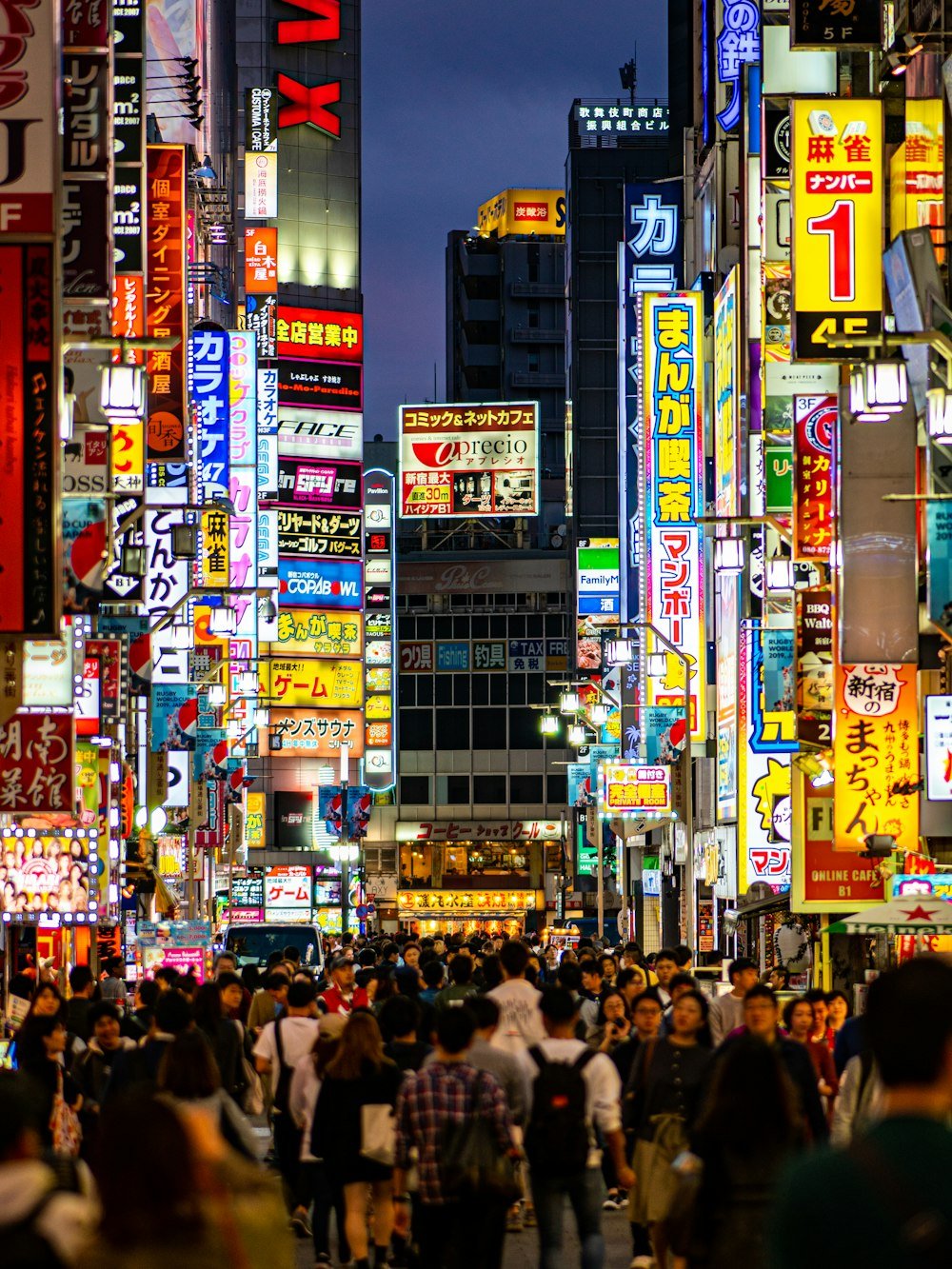
Tokyo after dark is a different city. The same streets that hum with commuters at rush hour transform into something looser, louder, and more human once the suits give way to the regulars. Whether you want a quiet whisky in a six-seat bar, a raucous izakaya, or a Shibuya club running until sunrise, Tokyo can deliver. What it rewards is knowing where to go - and a few practical rules that keep the night from unravelling.
The Last-Train Rule: Plan Around Midnight
Before anything else, know this: most Tokyo rail lines stop between midnight and 00:30. Missing the last train doesn’t end your night - it extends it by four to five hours, whether you want that or not. Taxis are expensive (¥3,000–¥8,000 across the city depending on distance). Night buses exist on some routes but are infrequent.
The practical approach is to either get yourself home by 00:00 or commit to staying out until the first trains from around 05:00. The 01:00–04:30 gap is the dead zone - too late for trains, too early for the morning commute. Most serious night owls plan accordingly and pick venues that stay open all night if they’re staying late.
Check exact last-train times for your route on Jorudan or Hyperdia before you go out. The Yamanote Loop Line runs later than most - but check the specific station and direction.
Shinjuku: Three Districts in One Neighbourhood
Shinjuku is Tokyo’s most concentrated nightlife hub and the logical starting point for most visitors. It contains at least three distinct scenes within walking distance of each other.
Kabukicho
Kabukicho is Shinjuku’s entertainment district - large, busy, and lit up like a pinball machine. It’s home to karaoke towers, hostess clubs, game centres, and a dense cluster of restaurants and izakaya. It’s also where you’ll find the Robot Restaurant (now permanently closed) and Godzilla’s head peeking over the Shinjuku Toho Building.
For most travellers, Kabukicho means izakaya drinking. The streets around the main entrance are packed with chain izakaya like Torikizoku (small plates and drinks from ¥330 each - no frills, great value) and Watami. Touts along the main strip try to pull passersby into hostess clubs or overpriced restaurants - a polite but firm “kekko desu” (no thank you) handles them.
Shinjuku Ni-Chome
A five-minute walk east of Kabukicho, Ni-Chome is Tokyo’s LGBTQ+ district and one of the friendliest, most relaxed drinking areas in the city. The bars here are almost all tiny - many hold 10 to 20 people - and the vibe is genuinely welcoming to all visitors regardless of orientation.
Most bars in Ni-Chome charge a cover of ¥500–¥1,000. The drinks are straightforward and reasonably priced. GB (Shinjuku-ku 2-12-3) is a long-established English-friendly spot. Arty Farty is a reliable larger bar with a dance floor. The area runs late and attracts a mixed international crowd.
Golden Gai
Golden Gai is the most famous drinking district in Tokyo for good reason. Around 200 tiny bars are crammed into six alleys on Kabukicho’s eastern edge - each bar typically seats between 5 and 15 people, and each has its own character, its own music, its own obsession.
Cover charges here run ¥1,000–¥3,000 depending on the bar. This is not negotiable and is standard. The cover usually includes a small snack (otoshi). Prices are posted outside almost every bar - read them before entering.
Foreigner-friendly bars worth finding:
- Albatross G - One of the most welcoming and visually striking bars in Golden Gai. Dark wood, antiques stacked to the ceiling, and a proprietor who has been there for decades. Cover around ¥1,000. Go early in the evening to get a seat.
- Bar Plastic Model - A nostalgia-bar themed around Showa-era Japanese toys and plastic model kits. Cover around ¥1,000. Draws a mix of locals and visitors.
- Deathmatch in Hell - Horror and underground music themed. Black walls, skull decor, metal on the speakers. Cover around ¥700. Genuinely fun if you’re in the right mood.
- BenFiddich - Technically not in Golden Gai itself but nearby in Shinjuku - a renowned craft cocktail bar where the bartender forages his own botanicals. Reservations recommended. Cocktails from ¥2,000.
Golden Gai fills up from around 20:00 and stays busy until the trains stop. Some bars run until dawn. Go on a weeknight if you want any chance of a seat.
Shibuya: Young, Loud, and Running All Night
Shibuya is younger and louder than Shinjuku. The area around the crossing funnels into multiple layers of bars, clubs, and karaoke. It’s a good place to drink if you want to be around other people in their 20s and don’t mind noise.
Bar-hopping along Udagawacho (the street heading towards Parco) gives access to craft beer spots and themed bars without heavy cover charges. Goodbeer Faucets on Dogenzaka is one of the best craft beer bars in Tokyo - 40 taps, knowledgeable staff, no cover.
For clubs, Womb (Maruyamacho 2-16) is the most internationally known - a four-floor club with a serious sound system and a focus on techno and house. Entry is around ¥2,000–¥3,000 with a free drink. Club Asia runs hip-hop and R&B nights. Both open late and run until 05:00 or beyond.
Nonbei Yokocho (Drunkard’s Alley) is a narrow lane near Shibuya Station with yakitori stalls and tiny bars - more intimate than Kabukicho, less themed than Golden Gai.
Roppongi: International Crowd, Late Hours
Roppongi has a reputation among long-term Tokyo residents as a tourist trap, but it’s the place where nightlife runs latest and where the international crowd concentrates. That makes it useful for certain kinds of nights.
The upside: Clubs like Muse and Esprit Tokyo run themed nights until 05:00. The strip along Gaien Higashi Dori has numerous international-facing bars. It’s easy to find English-speaking staff.
The downside: Pricing is inflated compared to Shinjuku or Shibuya. Entry fees at clubs run ¥2,000–¥4,000. Some bars near the main intersection use aggressive pricing tactics - confirm the price of every drink before ordering in establishments you don’t recognise.
Roppongi Hills (a five-minute walk from the strip) is a more pleasant area - the outdoor spaces have bars and restaurants that are calmer and more reliable. Tokyo Midtown, also in Roppongi, has an upscale selection of hotel bars and restaurants.
The neighbourhood is safe but stay alert to the standard big-city caution: don’t leave drinks unattended, don’t follow strangers to after-party locations, and be clear about pricing before you commit.
Shimokitazawa: Live Music and Low-Key Bars
Shimokitazawa is where Tokyo’s creative subculture lives - vintage shops, theatre venues, and dozens of small live music rooms clustered around a pedestrian-friendly network of lanes.
The nightlife here is different from Shinjuku or Roppongi. It’s quieter, more local, and centred around live music rather than dancing or drinking as the main event. Venue entry fees typically include a drink - expect ¥1,500–¥3,000 for a live show.
Shelter (basement of the Honda Building, Daizawa 2-6-10) is one of the most respected live music venues in the city - small capacity, high-quality bookings across indie rock, folk, and alternative. Flowers Loft and Garage run similar programming.
Between shows, the bars along Ichibangai and Nidaime streets are low-key and genuinely cheap - ¥500 highballs, friendly regulars, no tourist markup. This is where you go when you want to drink like someone who actually lives in Tokyo.
Shimokitazawa is about 15 minutes from Shibuya on the Keio Inokashira Line. Last train back is around midnight.
Izakaya Etiquette
A few things to know before your first izakaya:
You will be seated, not left to find your own spot. Wait at the entrance for staff to seat you. Say “nannin desu ka?” will be asked - hold up fingers for the number in your group.
Order drinks first. The first order at an izakaya is almost always a round of drinks. “Toriaezu biiru” (beer for now) is the standard opener, even if beer isn’t your thing long-term.
Otoshi is not optional. The small snack that arrives with your first drink is the otoshi - a ¥300–¥500 per-person seating charge disguised as a starter. You haven’t ordered it, but you pay for it. It’s the Japanese equivalent of a cover charge.
Sharing is the default. Izakaya food comes in small dishes meant to be shared. Order several rounds rather than one large meal.
Don’t pour your own drink. Pour for others at the table; let others pour for you. This is the social glue of izakaya culture.
Paying: Most izakaya bring a paper bill to the table. It’s common to split evenly (warikan) rather than calculating individual portions. Some izakaya are cash-only - check before you order.
All-Night Options
For those staying until the first trains:
- Round One (Shibuya, Shinjuku) - Massive entertainment complex with karaoke, arcade games, batting cages, and bowling. Open 24 hours. Good for killing time from 02:00–05:00 without spending a fortune.
- Manga cafes (manga kissa) - Pay by the hour, unlimited soft drinks, private booths, internet access, and thousands of manga. Sleep in the chair if you want. Available at Gera Gera (Shibuya), Com’s Cafe (multiple locations). Rates from ¥300/hour.
- Convenience stores - 7-Eleven, FamilyMart, and Lawson are open 24 hours and sell chilled beer, highballs, and hot food. The best and cheapest option for a late-night eat.
- Denny’s and Jonathan’s (family restaurants) - Yes, the Japanese versions are open all night and serve decent food. Less glamorous than a cocktail bar, but a coffee and a plate of karaage while you wait for the 05:00 train has its own kind of charm.
Getting Around at Night
The Tokyo transport guide covers daytime options. At night, the calculus shifts:
- Before midnight: Use the train. It’s fast, cheap, and direct.
- After midnight: Take a taxi (flag from the street or use JapanTaxi / GO apps), or accept you’re staying out. Ubers operate but are often more expensive than regular taxis in Tokyo.
- Night buses: Limited routes, infrequent. Only useful if your hotel is directly on a served route.
The Shibuya–Shinjuku–Harajuku corridor has enough 24-hour options that you don’t need to plan too hard for the gap between last train and first train. Outside that corridor, the gap feels longer.
Budget Guide
| Category | Typical spend |
|---|---|
| Izakaya (food + drinks, 2 hours) | ¥2,500–¥4,500 per person |
| Golden Gai bar (cover + 2 drinks) | ¥2,000–¥5,000 per person |
| Shibuya club entry | ¥2,000–¥3,500 per person |
| Craft beer bar (no cover) | ¥700–¥1,500 per drink |
| Convenience store drinks | ¥150–¥350 per can |
| Taxi (Shinjuku to Shibuya) | ¥900–¥1,300 |
| Manga cafe (4 hours) | ¥1,200–¥1,800 |
Tokyo nightlife rewards pacing. The instinct to hit four districts in one night is understandable but usually means none of them get their due. Pick one neighbourhood, let the evening develop slowly, and trust that there’s always another bar at the end of the alley.
Where to stay: Search hotels in Tokyo on Booking.com
Explore Tokyo: Tours and activities in Tokyo - guided neighbourhood walks, food tours, and day trips around the capital.