Tokyo holds more Michelin stars than any other city in the world - 226 as of the most recent Michelin Guide - spread across establishments ranging from sushi counters run by craftsmen with 40-year careers to ramen shops where a former banker has spent a decade perfecting a single broth. The city’s relationship with food is not casual, and its food landscape rewards visitors who know what to look for.
This guide covers the dishes Tokyo is known for, where specifically to find them, and what they cost. For a broader overview of dining neighbourhoods and restaurant recommendations across categories, see our Tokyo restaurants guide.
Ramen
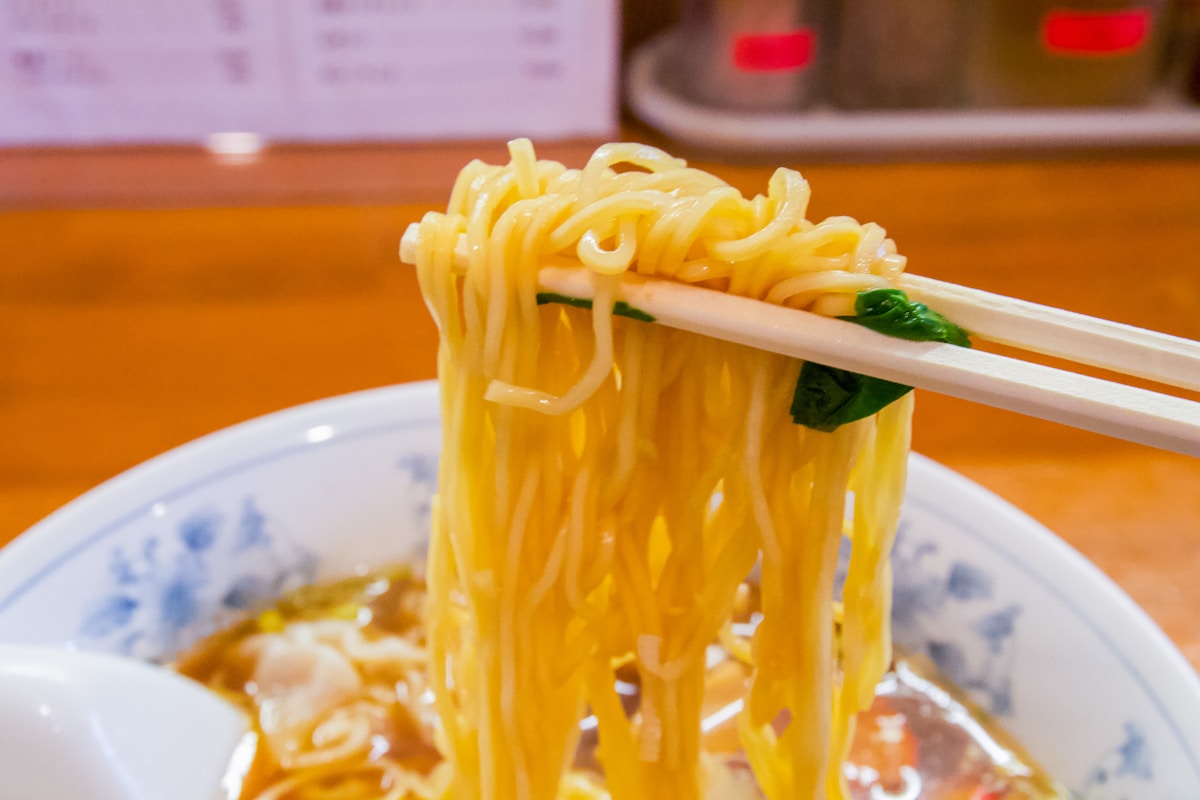
Tokyo ramen defaults to shoyu - a clear to medium-brown soy-sauce broth with chicken or pork, thin wavy noodles, and toppings of chashu pork, menma bamboo shoots, and nori. But the city hosts every regional style: tonkotsu from Fukuoka, miso from Sapporo, and the Tokyo-specific tsukemen.
Fuunji, Shinjuku - Among the most celebrated tsukemen shops in the city. Tsukemen means the noodles and broth arrive separately; you dip thick, chewy noodles into an intensely concentrated dipping broth. Bowls from ¥950. Queue of 20–45 minutes at peak hours (noon–14:00). The shop seats around 16; turnover is fast.
Ichiran, multiple locations - A tonkotsu chain where every customer sits alone in a partitioned booth. Customise richness, spice, noodle texture, and garlic on a paper form. The broth arrives through a bamboo screen. The basic bowl costs ¥980. Useful for solo dining with zero social pressure, and notably welcoming to non-Japanese speakers.
Fuji-ya, Yurakucho - A counter shop under the Yamanote Line tracks serving shoyu ramen in a classic Tokyo style. Around ¥850. Minimal English; cash only.
Sushi
Tsukiji Outer Market
The wholesale tuna auction moved to Toyosu, but the outer market in Tsukiji still operates as a dense cluster of sushi and sashimi specialists. Fresh tuna sashimi sets at small counter restaurants cost approximately ¥1,500–¥3,000 depending on cut and quantity. Arrive before 08:00 to get the best options and avoid the longest queues at popular stalls.
Kaiten-Sushi (Conveyor Belt)
Kaiten-sushi is not a compromise - it is its own category of dining and worth experiencing on its own terms. Sushiro, Japan’s largest conveyor belt chain, offers plates from ¥100 for salmon or tuna to ¥300–¥500 for premium cuts. Uobei in Shibuya uses a rapid lane delivery system that brings orders directly to your seat; plates start at ¥110.
Mid-Range and High-End Omakase
Numerous sushi counters in Ginza, Minami-Aoyama, and Nakameguro offer chef’s-selection omakase lunches for ¥5,000–¥10,000 - significantly less than the same restaurants charge for dinner. Online booking through Tabelog or SAVOR Japan is possible for most. Three-Michelin-star counters like Sushi Saito require months of advance planning and usually a Japanese-speaking contact.
Yakitori
Chicken and vegetable skewers grilled over charcoal: from ¥150 per skewer for basics (tsukune meatball, negima chicken-leek) to ¥300–¥500 for premium cuts like kawa (skin) or reba (liver) at higher-end shops.
Yurakucho Yakitori Alley - The cluster of tiny restaurants operating under the elevated JR tracks between Yurakucho and Shimbashi stations is one of Tokyo’s most atmospheric food experiences. Dozens of establishments, some seating eight or ten people, grill skewers over charcoal with smoke drifting up to the concrete overhead. Budget ¥2,000–¥3,500 per person with drinks. Most are cash-only.
Tempura
Tempura in Asakusa has a particular history - the district was one of the original centres of the dish in Edo-era Tokyo.
Daikokuya, Asakusa - One of Asakusa’s most established tempura restaurants, open since 1887. The tempura tendon (rice bowl topped with large prawn and vegetable tempura) is the signature dish, from approximately ¥1,800 for the set. Queues are common on weekends; arrive before 11:00 for the shortest wait.
Tendon Tenya (chain, citywide) - A national chain serving tempura rice bowls for ¥750–¥950. Reliable batter, fresh oil, no reservations. One of the best-value lunches available in Tokyo.
For a full tempura experience with a counter seat and chef’s selection, Tsunahachi in Shinjuku has operated since 1924. Set menus from ¥1,800 at lunch.
Kaiseki
Kaiseki is Japan’s multi-course haute cuisine - a seasonal progression of small dishes in which flavour, texture, colour, and presentation follow a strict formal logic. It originated in Kyoto but is available at high quality throughout Tokyo.
Mid-range kaiseki restaurants in Tokyo charge approximately ¥15,000–¥30,000 per person for dinner. Lunch kaiseki sets are available at some establishments for ¥5,000–¥10,000. This is exceptional value for the technique involved. Book well in advance; most Michelin-recognised kaiseki restaurants require reservations weeks or months ahead.
Izakaya Culture
An izakaya is a Japanese pub that serves food - typically small shared plates alongside beer, sake, shochu, and highballs. The format is casual and social: order multiple dishes, eat slowly, drink steadily. Budget ¥3,000–¥5,000 per person for a full izakaya evening with drinks.
Shinjuku Omoide Yokocho (Memory Lane) - A narrow alley running north from Shinjuku Station’s west exit, lined with tiny grilled skewer and yakitori restaurants operating since the 1940s. Most shops seat 8–12 at a counter. Arrive after 18:00 for the full atmosphere. Cash only at most establishments.
Shibuya, Nakameguro, and Shimokitazawa have newer, design-conscious izakaya with English menus and online reservations - easier to book, less atmospheric than the old alleys, but excellent food.
Monjayaki
Monjayaki is the dish Tokyo claims as its own - a more liquid, looser version of the okonomiyaki pancake, cooked directly on a teppan grill in front of you. The batter is thinner than okonomiyaki, with a characteristic crispy crust that forms around the edges of the cooking mound. The flavour is savoury and slightly salty, with additions of corn, seafood, or cheese.
Tsukishima - The neighbourhood of Tsukishima, a short walk from Tsukiji, has over 60 monjayaki restaurants concentrated on one street, known colloquially as Monja Street. Most restaurants start at approximately ¥1,200 per portion, with seafood combinations running ¥1,500–¥2,200. Staff at most restaurants will cook the first monja for you and show the technique.
Wagyu Beef
Japanese wagyu - from breeds including Kuroge Wagane (Japanese Black) raised on specific regional diets - is distinguished by its fine marbling, which produces the well-known buttery texture. Tokyo has the highest concentration of high-end wagyu restaurants of any Japanese city.
Entry-level wagyu yakiniku (grilled at the table) starts at approximately ¥5,000–¥8,000 per person in mid-range restaurants. Premium cuts of Kobe, Matsusaka, or Omi beef at Ginza steakhouses cost ¥20,000 and above per person. For a more accessible introduction, wagyu katsu sandwiches are sold at specialist shops in Ginza and Omotesando for ¥2,000–¥5,000.
Convenience Store Onigiri Culture
Japan’s convenience stores - 7-Eleven, FamilyMart, and Lawson - are a genuine food destination, not a fallback. Onigiri (rice balls) are the signature item: ¥130–¥180 for fillings including salmon, tuna mayo, kombu seaweed, pickled plum, and seasonal specials. The packaging uses a peel-and-reveal system that keeps the nori crisp until you open it.
Beyond onigiri: hot nikuman (steamed pork buns, ¥130–¥170), reliable sandwiches (¥200–¥330), chilled noodle dishes in summer (¥350–¥500), and a dessert section that consistently outperforms most European bakeries - puddings, parfaits, and shortcake cups for ¥200–¥450.
A full convenience store meal costs approximately ¥450–¥700.
Nakamise Street Food
Nakamise-dori, the 250-metre covered shopping street leading to Senso-ji temple in Asakusa, sells traditional Edo-era snacks alongside tourist goods.
Ningyo-yaki - Small sponge cakes moulded into shapes (pagodas, pigeons, lanterns) and filled with sweet red bean paste. Sold in bags of 8–12 for approximately ¥500. The cooking is done in front of you on cast iron moulds.
Agemanjo - Deep-fried pork buns available at stalls along the street, ¥200–¥250 each.
Kaminari-okoshi - A puffed rice and sugar confection, a traditional Asakusa souvenir, sold in boxes from ¥400.
Depachika: Department Store Food Halls
Depachika (depato chika - department store basement) are full retail food operations, not food courts. Individual stands specialise in wagashi (traditional Japanese sweets), imported chocolate, premium sushi, bento boxes assembled to order, French pastry, and every category of specialist Japanese food product.
Isetan Shinjuku, B1–B2 - Widely considered the finest in Tokyo. Strong confectionery hall and an excellent prepared food section.
Mitsukoshi Ginza, B1–B2 - Premium Japanese products. The box lunch selection is useful for a picnic in Hibiya Park.
Takashimaya Times Square, Shinjuku, B1–B2 - Large floor area, strong mix of Japanese and French-influenced pastry.
The best strategy is to arrive at opening (most open at 10:00 or 10:30) and work through the sections - the freshest prepared foods sell fastest.
See Tokyo through its food: Food and cultural tours in Tokyo often include market visits, tastings, and dishes you’d never find independently.
Food Price Overview
| Dish / Venue | Price Range | Notes |
|---|---|---|
| Convenience store meal | ¥450–¥700 | Full meal: onigiri + hot item + drink |
| Tsukiji tuna sashimi set | ¥1,500–¥3,000 | Outer market counter restaurants |
| Kaiten sushi (Sushiro) | ¥100–¥500/plate | Average spend ¥1,500 per person |
| Shoyu ramen | ¥850–¥1,100 | Fuji-ya, Fuunji |
| Tonkotsu ramen (Ichiran) | ¥980 | Individual booth dining |
| Yakitori (Yurakucho) | ¥150–¥500/skewer | ¥2,000–¥3,500 per person with drinks |
| Tempura set, Daikokuya | From ¥1,800 | Asakusa, queues at weekend |
| Monjayaki, Tsukishima | ¥1,200–¥2,200 | Staff will cook first one for you |
| Ningyo-yaki, Nakamise | From ¥500 | Bag of 8–12 cakes |
| Kaiseki dinner | ¥15,000–¥30,000+ | Advance booking essential |
| Wagyu yakiniku | From ¥5,000 | Mid-range; Ginza fine dining ¥20,000+ |
See also: Tokyo travel guide · Best restaurants in Tokyo · Tokyo food tours · Things to do in Tokyo · Japanese food guide