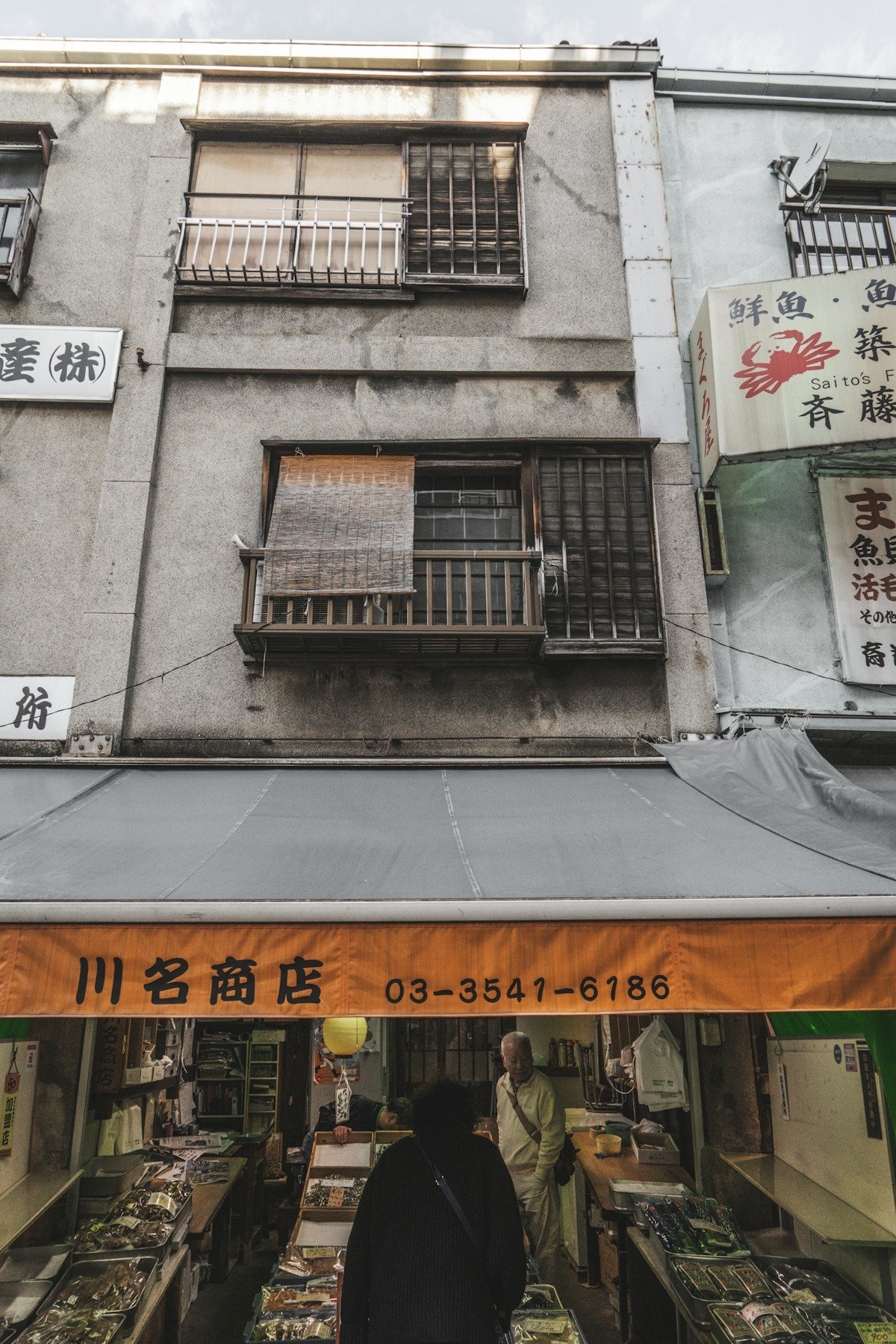
Yanaka is the neighbourhood that survived. When Allied bombing flattened much of Tokyo in 1945, Yanaka — tucked into the high ground of Taito-ku — escaped the worst. The result is one of the few places in central Tokyo where you can still walk streets that feel genuinely old: wooden merchant houses with faded signboards, hand-painted noren curtains, tofu sellers, and cats sleeping on stone walls.
The area is part of what locals call Yanesen — a portmanteau of the three contiguous neighbourhoods Yanaka, Nezu, and Sendagi. You can spend a full day drifting between them without once seeing a chain restaurant or a glass tower.
Top Tours at a Glance
Here’s a quick comparison of top-rated old Tokyo neighbourhood tours on GetYourGuide:
| Tour | Duration | Price (from) | Highlights |
|---|---|---|---|
| Tokyo: Yanaka Shitamachi Walking Tour | 3 hrs | from ¥6,000 | Cemetery walk, Yanaka Ginza, craft shops, English guide |
| Tokyo: Ueno & Yanaka Old Tokyo Half-Day Tour | 4 hrs | from ¥8,250 | Ueno Park + Yanaka shitamachi, combined route, small group |
| Tokyo Old Town: Asakusa & Yanaka Walking Tour | 4 hrs | from ¥9,000 | Senso-ji + shitamachi character, temple and market stops |
| Tokyo Hidden Neighbourhoods: Yanesen Private Tour | 3 hrs | from ¥13,500 | Yanaka, Nezu, Sendagi combined, private guide, flexible pace |
Browse all old Tokyo and neighbourhood tours → GetYourGuide
Yanaka Cemetery Walk
Yanaka Cemetery (谷中霊園) is the neighbourhood’s unlikely centrepiece. Laid out in 1874, it covers roughly nine hectares and holds over 7,000 graves, including several Meiji-era politicians, ukiyo-e artists, and the fifth shogun Tokugawa Tsunayoshi. The main avenue, Sakura-dori, is lined with some 200 cherry trees and becomes one of Tokyo’s less crowded hanami spots each spring.
The cemetery is open at all hours and feels more like a city park than a burial ground — families picnic under the trees, elderly residents walk their dogs, and cats claim entire grave plots as personal territories. Look for the grave of painter Yokoyama Taikan near the south entrance, and take the smaller side paths to find atmospheric moss-covered stones that predate the modern city entirely.
Yanaka Ginza Shopping Street
Yanaka Ginza (谷中銀座) is a 170-metre covered shopping street that descends from the hilltop cemetery toward the valley below. The name comes from a prewar habit of calling any local merchant street a “Ginza” after the famous one in central Tokyo.
Around 70 small businesses line the street: tofu shops selling fresh blocks cut to order, a pickle vendor with trays of nuka-zuke and shio-koji vegetables, a shop selling nothing but sembei rice crackers in dozens of flavours, craft stores with hand-thrown ceramics and local woodblock prints, and a few newer spots aimed at the younger crowd that has discovered the area. The street is busiest on weekday afternoons when local residents do their shopping. Weekend afternoons draw larger tourist numbers.
At the top of the steps leading down to Yanaka Ginza is a spot locals call Yuyake Dandan — “Sunset Stairs” — where the steep stone steps face west and catch the last light of the afternoon. It is a popular casual gathering point in the early evening.
Craft Shops and Galleries
Beyond the shopping street, Yanaka has a small but real gallery and craft scene centred on streets like Sansakizaka and the lanes around Nezu Shrine.
Kayaba Coffee (カヤバ珈琲) on Yanaka-dori is a converted two-storey house that opened in 1938, closed in 2006, and was restored by neighbourhood volunteers and the Taito Art Foundation. It reopened in 2009 and still serves coffee the original way — siphon-brewed, unhurried. Breakfast sets with thick toast and boiled egg run around ¥750–900. The building itself, with its low ceilings, wooden booth seating, and afternoon light through the shoji screens, is worth the stop alone.
Nezu Shrine (根津神社) at the neighbourhood’s edge is one of Tokyo’s few Shinto shrines whose original buildings survived both the 1923 earthquake and the war. The main hall dates to 1706. The tunnel of red torii gates through the hillside garden is much smaller than Fushimi Inari in Kyoto but also much less crowded.
Where to Eat and Drink
Kayaba Coffee — Coffee from ¥550, breakfast sets ¥750–900. Lunch runs to simple toast and egg dishes. Open from 08:00, closed Mondays.
Negishi (根岸) — A neighbourhood tonkatsu restaurant that has been serving the same menu for decades. Teishoku sets (breaded pork cutlet, rice, miso, pickles) from approximately ¥1,200. Lunch queue forms quickly from noon — arrive by 11:45 or expect to wait.
Yanaka Beer Hall — A newer addition to the neighbourhood housed in a converted workshop space with exposed brick and local craft beer on tap. Pints from approximately ¥800. Good for a late afternoon stop after the cemetery walk.
Best Time to Visit
Yanaka works year-round but the two peak moments are:
Cherry blossom season (late March to early April) — Sakura-dori in the cemetery fills with blossom but not with crowds. This is one of the calmest hanami spots within easy reach of central Tokyo.
Late afternoon on any weekday — The shopping street is quietest in the 14:00–17:00 window when local residents shop but the tourist flow has not yet peaked. Sunset on the Yuyake Dandan steps rewards patience.
Avoid Saturday afternoons from June through August when the combination of heat and visitor numbers makes the shopping street uncomfortable.
Getting There from Central Tokyo
From Nippori Station (JR Yamanote Line): Exit south and the cemetery entrance is a 3-minute walk. Nippori is 9 minutes from Shinjuku (¥180) and 6 minutes from Ueno (¥150).
From Sendagi Station (Tokyo Metro Chiyoda Line): 3 minutes from the main shopping street entrance. Sendagi is 12 minutes from Otemachi (¥200).
The two stations connect different parts of the neighbourhood. Arriving at Nippori and leaving from Sendagi — or vice versa — makes for a natural one-direction walk through the area.
Insider Tips
Yanaka has a high cat density. The neighbourhood’s elderly residents feed strays, and the cemetery provides cover. If you want to photograph them, early morning before the shopping street opens is the quietest window.
The free Yanaka Cemetery map available from the main gate shows the locations of notable graves. Worth picking up if you have any interest in Meiji history.
The steep Sansakizaka slope south of the cemetery is one of the few places in Tokyo where you can still see a complete row of wooden machiya townhouses — a type of structure largely wiped out elsewhere in the city. The slope is also a good place to find small handmade ceramic shops that do not appear in travel guides.
Yanaka connects naturally to a Ueno loop — Ueno Park and its museums are a 15-minute walk east, and combining the two makes a full day without retracing steps. See our Tokyo travel guide for how to structure a wider Tokyo itinerary.