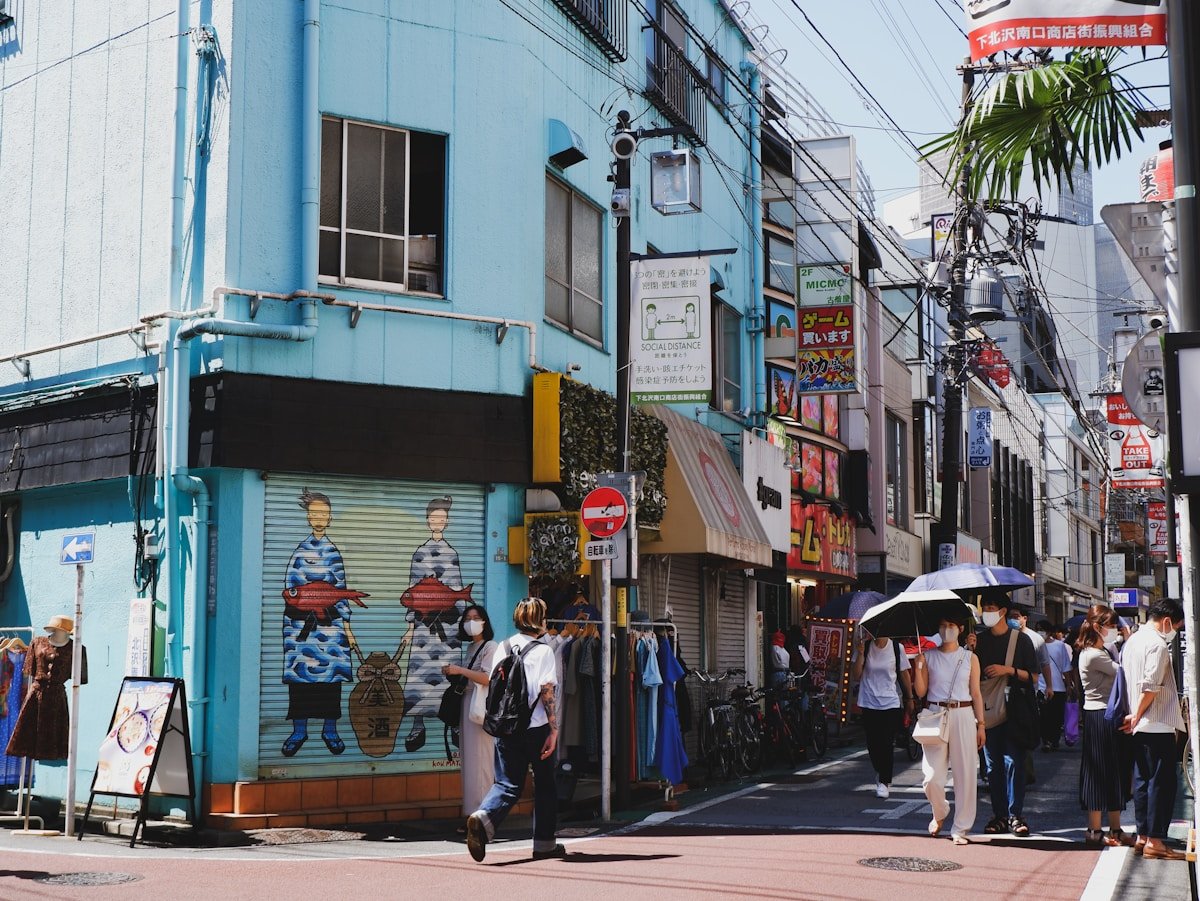
Shimokitazawa — “Shimokita” to anyone who has spent more than a day there — is the kind of neighbourhood that resists summarising. It has the highest concentration of vintage clothing stores in Tokyo, probably in Japan. It has a live music circuit that launched careers including Oasis-influenced J-rock and some of the country’s best jazz pianists. It has cafes where the coffee is taken seriously and the Wi-Fi is not offered. And it has an energy that comes from being genuinely popular with young Tokyoites rather than engineered for tourists.
The neighbourhood sits in Setagaya-ku, southwest of Shibuya. Until recently it was famous for having no convenience store. The main streets are too narrow for cars to move easily, which has preserved the pedestrian character that defines the place.
Top Tours at a Glance
Here’s a quick comparison of top-rated Tokyo neighbourhood tours on GetYourGuide:
| Tour | Duration | Price (from) | Highlights |
|---|---|---|---|
| Tokyo: Shimokitazawa Vintage & Subculture Walking Tour | 3 hrs | from ¥6,000 | Vintage circuit, maid cafes, indie record shops, English guide |
| Tokyo Hidden Gems: Shimokitazawa & Sangenjaya Tour | 4 hrs | from ¥8,250 | Two local neighbourhoods, thrift shops, coffee, small group |
| Tokyo Local Neighbourhood Walking Tour with Lunch | 4 hrs | from ¥9,000 | Insider routing, food stops, off-tourist-trail Tokyo |
| Tokyo Private Half-Day Tour: Off the Beaten Track | 4 hrs | from ¥13,500 | Private guide, fully customisable neighbourhood focus |
Browse all Tokyo neighbourhood and local tours → GetYourGuide
The Vintage Clothing Circuit
Shimokitazawa has somewhere between 150 and 200 vintage and second-hand clothing stores depending on how you count. The official count shifts constantly as stores open, close, and merge. What stays consistent is the density: on the main shopping streets north and south of the station, you are rarely more than 30 metres from a rack of second-hand denim or a crate of old vinyl.
Flamingo is the circuit’s anchor — a chain of three stores in the neighbourhood that specialises in American vintage from the 1960s through the 1990s. Their main Shimokitazawa location on the south side is well-organised and priced clearly. Levi’s from around ¥3,000–8,000, band tees from ¥1,500–5,000. The buyer is clearly opinionated: the stock feels selected rather than dumped.
New York Joe Exchange on the north side accepts trade-ins and operates on a credit system that rewards sellers. The selection skews toward contemporary Japanese brands alongside classic American vintage. Prices run slightly higher than Flamingo but the condition is consistently good. Open from 12:00 daily.
The real finds come from the smaller, no-name stores tucked into the basement spaces and upper floors of the shopping arcade buildings east of the station. No websites, irregular hours, hand-drawn signs. Worth an hour of wandering.
Live Music Venues
Shimokitazawa has been a venue district since the 1980s, and the music scene predates the current vintage reputation. On any weekday evening, four or five venues within walking distance of the station have acts playing from around 19:00.
Shimokitazawa ERA is the neighbourhood’s best-known rock venue — a basement space under a convenience store with a capacity of around 200 and a programme that leans toward indie and post-punk. Shows typically ¥2,000–3,500 door, running until midnight.
Livehaus Shimokitazawa (also written as B&B) hosts folk, acoustic, and singer-songwriter nights in addition to rock. The setup is more intimate — 80 capacity — and the bar is decent. Tickets ¥1,500–2,500.
440 (pronounced “four-four-oh”) is a jazz and experimental venue that has run since 1983. It occupies a converted space above a coffee roaster and has a programme that crosses jazz, ambient, and improvised music. Cover charges vary by show but typically ¥2,000–4,000. Worth checking the monthly schedule before you arrive.
Cafes and Eating
Bear Pond Espresso is the neighbourhood’s most discussed cafe and one of the more serious espresso operations in Tokyo. It opens at 11:00 and closes when the espresso runs out — typically by 13:00–14:00 on weekdays, sometimes earlier at weekends. Espresso ¥500–700. The owner trained abroad and maintains strict extraction standards. The queue is part of the visit.
Shirohige’s Cream Puff Factory is a Totoro-themed cream puff bakery a short walk from the station. Cream puffs shaped like Totoro characters from the Ghibli film, made fresh daily, from approximately ¥550. The interior is small and the sell-out time is unpredictable, but arriving before noon gives reasonable odds.
Mosaico is a neighbourhood staple for longer meals — a small Italian restaurant run by a Japanese-Italian couple, with handmade pasta and a wine list that punches above the neighbourhood’s typical budget. Pasta dishes from ¥1,400–1,900. Dinner requires a reservation; lunch is walk-in.
Best Time to Visit
Shimokitazawa is an afternoon and evening neighbourhood. The vintage stores open between 11:00 and 13:00 and stay open until 20:00–21:00. Music venues programme shows from 19:00. The area around the station is liveliest between 15:00 and midnight.
Weekend afternoons bring the most foot traffic and the best atmosphere for browsing — stores put out new stock and the weekend crowds give the streets an energy that weekday mornings lack. Saturday is busier than Sunday.
Late spring and early autumn are the most comfortable seasons physically — March to May and September to November. Summer humidity makes the narrow streets hot, though the music scene runs year-round and the indoor venues are air-conditioned.
The annual Shimokitazawa Indie Festival (Shimokita Indie Fes) runs across multiple venues each October, with local and touring bands playing back-to-back in the neighbourhood’s clubs. Tickets purchased per venue or as multi-venue passes.
Getting There from Central Tokyo
From Shimokitazawa Station (Odakyu Line from Shinjuku): 6 minutes direct, from ¥160. The Odakyu Line also serves as a connection to Hakone day trips, making Shimokitazawa a logical layover stop on the way back.
From Shimokitazawa Station (Keio Inokashira Line from Shibuya): 4 minutes direct, ¥130. The fastest connection from Shibuya.
Both lines share the same underground station, which was rebuilt following a major redevelopment project completed in 2019. The new station layout can be disorienting — exit from the South Exit (南口) for the vintage district and the main shopping arcade.
Insider Tips
The BONUS TRACK shopping complex — a converted railway yard space opened in 2020 — runs along the former surface-level Odakyu tracks immediately south of the station. It houses around 30 small food, retail, and creative businesses in a linear open-air format. Good for lunch and more manageable than the full street circuit if you are short on time.
Sunday mornings bring a small flea market at Shimokitazawa Station Square from around 10:00 — irregular schedule, best to check the Facebook group “下北沢フリマ” if you are planning specifically around it.
Stores in the basement levels of the shopping arcades are easy to miss and consistently underpriced relative to the main-floor shops. Allocate time for the descent.
For a wider Tokyo picture including transport and neighbourhood comparisons, see our Tokyo travel guide.