Shinjuku is where most visitors sleep and where many first meet Tokyo at full scale. Shinjuku Station handles several million passengers a day across JR, Odakyu, Keio and Metro lines, and the district around it runs from glass towers in the west to neon alleys in the east. It is easy to treat it as a transit point. It is better treated as a place to spend a full day and an evening.
This guide covers what to see in Shinjuku, which parts are best for which interests, and practical safety tips for Kabukicho. For the other major districts, see our Tokyo neighbourhoods guide.
Shinjuku at a glance:
| Area | Best for | Cost |
|---|---|---|
| West Shinjuku | Metropolitan Government Building, free 45th-floor decks | Free |
| Omoide Yokocho | Yakitori counters in postwar lanes | About ¥1,500-¥3,000 for a skewer set with a beer |
| Kabukicho | Neon and entertainment, best in the evening | Free to walk |
| Golden Gai | Around 200 tiny bars | Varies by bar |
| Shinjuku Gyoen | Japanese, French and English gardens | About ¥500 |
| East side stores | Isetan, Yodobashi Camera, Bic Camera | Tax-free for visitors |
West Shinjuku: Skyscrapers and Free Views
West Shinjuku is Tokyo’s corporate side. The Tokyo Metropolitan Government Building, designed by Kenzo Tange and completed in 1991, has free observation decks on the 45th floor of its north and south towers. The view covers the Shinjuku skyline and, on clear days, Mount Fuji to the west. Opening hours and closing days differ by tower, so check the official page before you go; queues are short compared with paid decks.
The same area has the Park Hyatt Tokyo, used in the film Lost in Translation, and good coffee in the lobbies of several towers. It is quiet after office hours, so pair it with an early-evening arrival.
Omoide Yokocho and Kabukicho
On the west side of the station, Omoide Yokocho (Memory Lane) is a pair of narrow lanes of yakitori counters that date from the postwar black market. Most places seat six to ten people, and a skewer set with a beer runs approximately ¥1,500 to ¥3,000 as of 2026. It is smoky and crowded, which is part of the point.
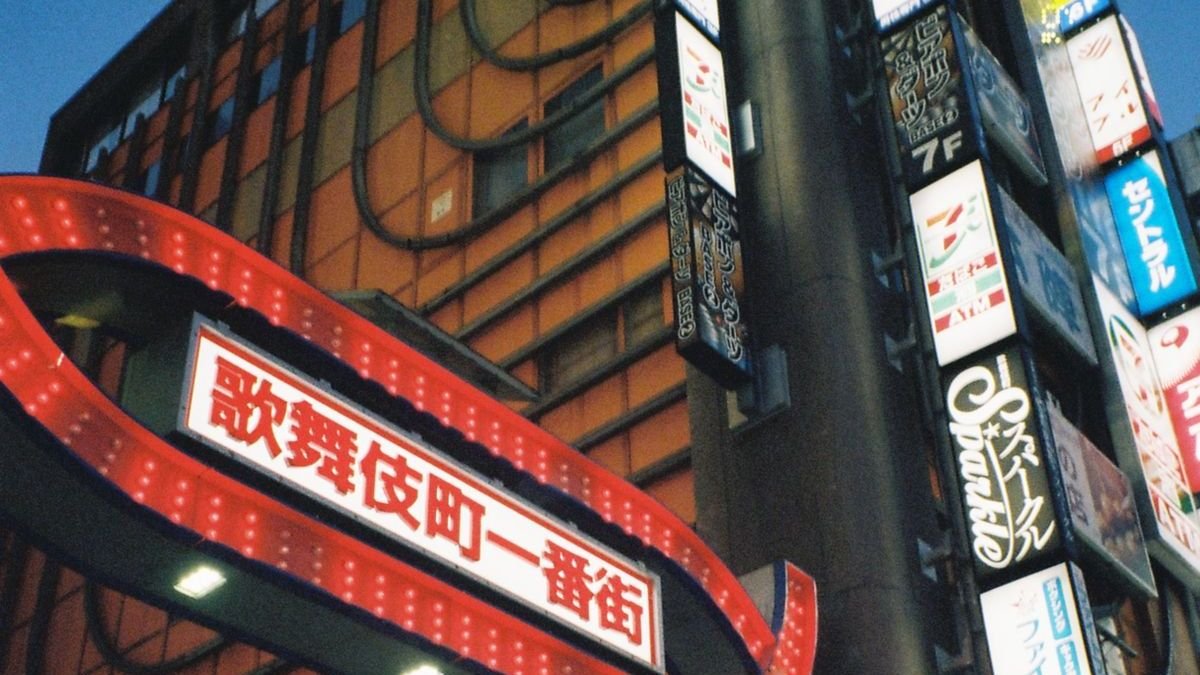
On the east side, Kabukicho is Tokyo’s largest entertainment district: neon, game centres, host and hostess clubs, and the Godzilla head atop the Hotel Gracery. The red Kabukicho Ichibangai gate is the photo most people want. Walk through in the evening if you are curious, but stay on the main streets, ignore touts and do not enter any venue that does not display prices.
Golden Gai
Golden Gai is six narrow alleys east of Kabukicho with roughly 200 tiny bars, many seating around eight. Each has a theme, from film and punk to jazz. Some welcome foreigners and have English menus, while others are regulars-only. Look for a sign saying foreigners are welcome and the cover charge, which usually runs ¥500 to ¥1,500. Drinks are approximately ¥700 to ¥1,000 each. Go before 10pm for easier entry, and be aware that photography inside is often not allowed.
For other after-dark options in the city, see our Tokyo nightlife guide.
Shinjuku Gyoen
Shinjuku Gyoen is a large park east of Shinjuku Station with a Japanese garden, a French formal garden, and an English landscape area. Entry is approximately ¥500 as of 2026 and the park closes by late afternoon, earlier in winter. It is the best Shinjuku option for cherry blossoms in spring and autumn leaves, and for a quiet hour in the middle of the city. Alcohol is not allowed inside.
Shopping and Food
The big department stores around the station, Isetan, Takashimaya Times Square and Odakyu, have food halls that make good lunches. Yodobashi Camera and Bic Camera in the east are among the city’s biggest electronics shops, with tax-free counters for visitors. For dinner, Katsukura serves reliable tonkatsu on the Takashimaya floors, and the Omoide Yokocho and Golden Gai areas handle later meals.
Shinjuku has an unusually dense ramen scene. Queue-heavy options such as Fuunji (tsukemen, dipping noodles) are within a short walk of the south exit. Expect to pay approximately ¥1,000 to ¥1,300 per bowl.
Suggested Day in Shinjuku
- Morning at the Government Building observation deck, then walk to Shinjuku Gyoen.
- Lunch at a ramen counter or a department store food hall.
- Afternoon shopping on the east side or a rest at the park.
- Dinner at Omoide Yokocho, followed by one or two drinks at Golden Gai.
If you want a guide for the night, a Tokyo walking tour can add context on the alleys. Shinjuku is also the starting point for day trips to Hakone and Mount Takao on the Odakyu and Keio lines.
Getting There and Getting Around
Shinjuku Station is on the JR Yamanote, Chuo and Saikyo lines, the Odakyu and Keio lines, and several Metro and Toei lines. From Tokyo Station on the Chuo Line it takes about 15 minutes. From Narita it is about 80 minutes by Narita Express, and from Haneda about 30 to 40 minutes by train. See our Haneda airport transfer guide for options.
The station has dozens of exits. Use the exit names on the signs (East, West, South, New South) rather than guessing by street, and allow extra time to change lines.
Where to Stay
Shinjuku is the strongest base for a first Tokyo visit because it has more rooms across all budgets than any other area, and direct trains to most places you will want to go. Browse hotels in Tokyo on Booking.com and filter by Shinjuku for the widest choice.