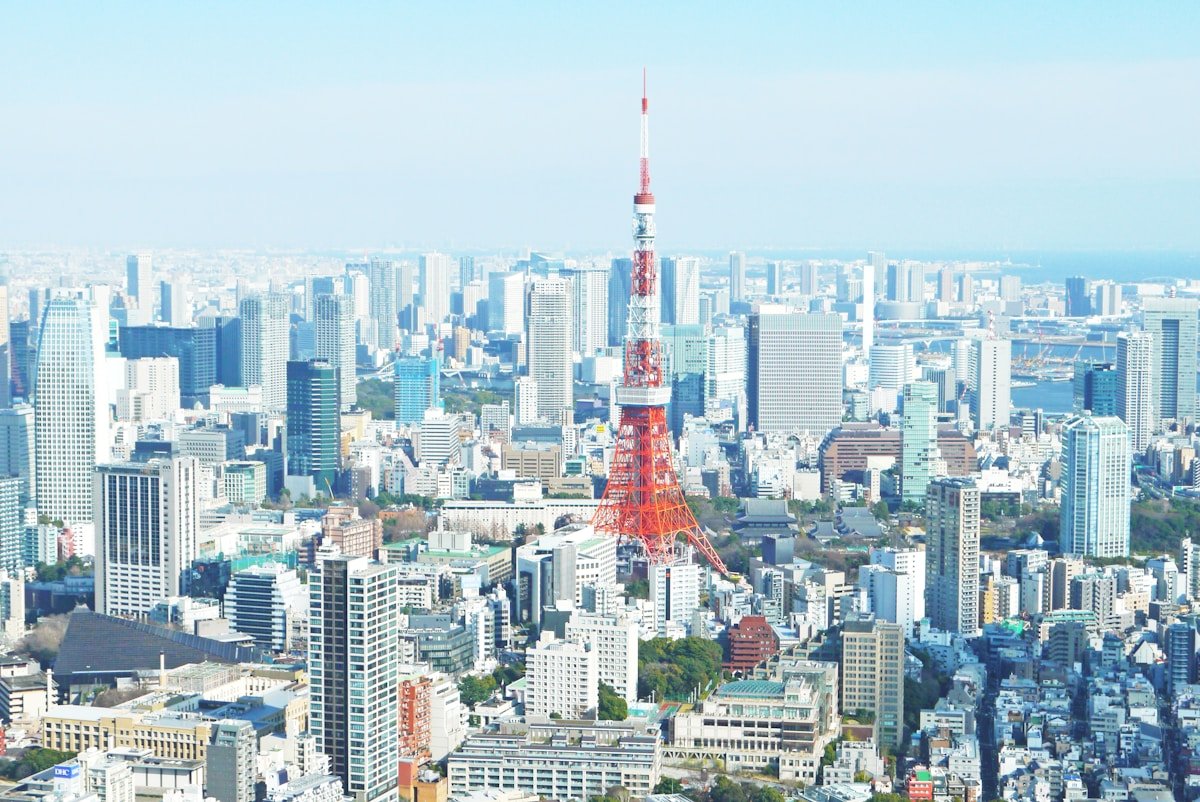
Tokyo and Osaka are Japan’s two dominant cities - rivals in culture, economics, and personality. Tokyo is the capital: formal, modern, and world-leading in almost everything. Osaka is Japan’s kitchen, its comedy capital, and the city most likely to start a conversation with a stranger on the street. Both are extraordinary. Here’s how to decide where to spend your time.
Quick Verdict
| Category | Tokyo Wins | Osaka Wins |
|---|---|---|
| Scale and variety | Yes | - |
| Street food culture | - | Yes |
| Nightlife | Yes (different style) | Yes (louder) |
| Traditional culture | Yes (more options) | - |
| Budget travel | - | Yes |
| Shopping | Yes | Yes (different) |
| Day trips | Yes (Nikko, Hakone) | Yes (Kyoto, Nara) |
| Local character | - | Yes |
| Pop culture | Yes (Akihabara) | Yes (Universal Studios) |
| Transport hub | Yes | - |
Tokyo wins for pure variety, international connectivity, and iconic experiences. Osaka wins for food culture, local warmth, and value.
When to Visit
Both cities follow Japan’s four distinct seasons. The key dates that affect planning:
Cherry blossom season (late March to early April) drives peak prices and crowds in both cities. Tokyo’s Ueno Park and Shinjuku Gyoen are the most famous spots; Osaka’s Sakuranomiya Park along the Okawa River is a beautiful and slightly less crowded alternative. Book accommodation 3–4 months ahead for this window.
Golden Week (April 29 – May 5) is Japan’s busiest domestic travel period - prices spike and trains fill. Avoid both cities if flexibility allows; if not, book everything in advance.
Summer (July–August) is hot and humid in both cities. Osaka’s heat is intense; Tokyo’s feels more bearable because of the city’s air-conditioned infrastructure. Both cities host major summer festivals (Osaka’s Tenjin Matsuri on July 24–25; Tokyo’s Sumida River Fireworks in late July).
Autumn (October–November) is excellent in both cities. Kyoto (30 minutes from Osaka) is spectacular in November for maple foliage. Tokyo’s Shinjuku Gyoen has decent foliage from late November.
Winter is underrated - fewer tourists, lower prices, comfortable temperatures. See our monthly guides for detailed seasonal breakdowns.
Cost Comparison
| Expense | Tokyo | Osaka |
|---|---|---|
| Hostel dorm | ¥3,500–6,000 | ¥2,800–5,000 |
| Budget hotel | ¥10,000–16,000 | ¥8,000–13,000 |
| Mid-range hotel | ¥20,000–35,000 | ¥15,000–28,000 |
| Ramen / udon lunch | ¥900–1,400 | ¥800–1,300 |
| Street food snack | ¥400–800 | ¥300–700 |
| Evening meal (mid-range) | ¥2,500–5,000 | ¥2,000–4,000 |
| Day attraction | ¥500–2,000 | ¥500–1,500 |
| Daily budget (mid-range) | ¥13,000–22,000 | ¥10,000–18,000 |
Osaka’s food-cost advantage is most pronounced at the street food and casual dining level. The city’s concept of kuidaore (“eat until you drop”) is a genuine cultural value - cooking quality for visitors is high and prices are fair.
Top Experiences
Tokyo
Tokyo’s experience list is so long it’s been the subject of entire books. The must-dos for a 4-night stay: Shibuya Crossing at peak hour (5–7pm on a weekday), the Tsukiji outer market for a 5am tuna breakfast (maguro-don from ¥1,500), Akihabara for electronics and anime culture, Yanaka for old-Tokyo atmosphere (free to explore), and Shinjuku Golden Gai for late-night bar culture.
Cultural highlights: the Tokyo National Museum in Ueno (entry ¥1,000, Japan’s largest art collection), the teamLab Planets digital art complex in Toyosu (approximately ¥3,800, advance booking required), and Senso-ji in Asakusa (free, Japan’s most visited temple). For day trips: Hakone for Mount Fuji views and onsen (90 minutes by Romancecar), and Nikko for baroque Edo-era shrines (2 hours by Tobu limited express). See our best tours in Tokyo for guided options.
Osaka
Osaka’s geography centres on Dotonbori - the canal-side entertainment district where mechanical crabs rotate above restaurant entrances and the smell of takoyaki is permanent. The iconic Glico Running Man neon sign is here (free to photograph). From Dotonbori, walk north through Shinsaibashi shopping street to Amerika-mura (Osaka’s youth fashion district) and east to Namba station.
Kuromon Ichiba Market - 170 stalls of fresh seafood, produce, and prepared food - opens at 9am and is best visited on weekday mornings when it functions as an actual market rather than a tourist site. Shinsekai is the retro working-class district south of the castle - the Tsutenkaku Tower (entry ¥900) has city views, and the surrounding streets are the best place for genuine kushikatsu. Osaka Castle (entry ¥600) has a well-curated museum inside.
For day trips from Osaka: Kyoto is 15 minutes by shinkansen or 35 minutes by Hankyu express; Nara is 45 minutes by Kintetsu express; Kobe is 30 minutes by Hankyu or JR. See our best tours in Osaka for guided options.
Food and Drink
Tokyo’s food scene is the most varied of any city in the world - a function of its size. The Tokyo food guide covers the essentials, but highlights include: the basement depachika (food halls) under Mitsukoshi and Isetan in Shinjuku, where take-home bento boxes run ¥1,200–2,000; Tsukiji’s standing sushi bars from ¥3,000 for a 7-piece omakase; and the standing ramen bars near Shibuya station where ¥950 gets you a bowl that would cost ¥2,000 in a sit-down restaurant.
Osaka’s specialities are takoyaki (¥600 for 8, best at Wanaka on Dotonbori), okonomiyaki (Osaka-style with pork and spring onion, ¥900–1,400 at lunch counters in Namba), and kushikatsu (breaded skewers, ¥150–280 each at Shinsekai restaurants). The Osaka food guide covers the essential stalls. Less known internationally but beloved locally: Osaka’s kare raisu (Japanese curry rice) - served at lunch counters near Fukushima station from ¥800 - is among the best in the country.
Accommodation
Tokyo accommodation is dense and varied. Capsule hotels like Nine Hours Shinjuku-North (from ¥4,500) are excellent for solo travellers on short stays. Business hotels like Dormy Inn Shibuya (approximately ¥14,000–20,000) are reliable mid-range options. The Park Hyatt Shinjuku (from ¥70,000) remains Japan’s most famous luxury hotel. For atmosphere, Asakusa district guesthouses (from ¥12,000) put you in old Tokyo.
Osaka accommodation is concentrated around Namba, Shinsaibashi, and Umeda (the main transport hub). Vessel Inn Osaka Namba (approximately ¥9,000–14,000/room) is a reliable mid-range chain well-located for Dotonbori. W Osaka (from approximately ¥55,000) is the city’s design-led luxury option, a striking modern building near Shinsaibashi.
Getting Around
Tokyo’s metro is one of the world’s most extensive - 13 lines, 285 stations - and genuinely complex for first-time visitors. A Suica or Pasmo IC card covers all metro, JR, and bus lines; load it at any station. Avoid peak rush hours (7:30–9:30am) on the Yamanote, Chuo, and Ginza lines.
Osaka’s metro is simpler and easier to navigate. The Midosuji Line (red) is the spine, running from Umeda through Shinsaibashi, Namba, and Tennoji in 20 minutes. An ICOCA card works across all metro, JR, and bus lines. The Osaka Amazing Pass (approximately ¥2,500/day as of 2026) includes unlimited metro and entrance to 35+ attractions - worth it if you’re visiting multiple sites in a single day.
Ready to book? Compare flights to Japan - prices and routes vary significantly depending on your departure city. Tours and activities across Japan cover both destinations covered in this comparison. Travel insurance for Japan is worth arranging before you commit to bookings.
Who Should Visit Each?
Choose Tokyo if you:
- Want Japan’s broadest range of experiences in one city
- Are flying in internationally (Narita or Haneda are Tokyo’s airports)
- Have 5+ days in a single city
- Are interested in pop culture, anime, or technology
Choose Osaka if you:
- Are a food-first traveller
- Want a city with more accessible local character
- Are travelling on a tighter budget
- Are basing yourself for Kansai day trips (Kyoto, Nara, Kobe)
Most Japan itineraries include both - and with the shinkansen taking only 2.5 hours between them, there’s no reason not to.
See also: Tokyo travel guide · Osaka travel guide · Tokyo vs Kyoto · Osaka vs Kyoto · Japan Golden Route itinerary · Kanto region guide · Kansai region guide
Plan Your Trip
Book your flights to Japan Get travel insurance Stay connected with an eSIM Rent a car