Japan’s seasons are dramatic and distinct, and the time of year affects not only the weather but which sights are at their best, how crowded they are, and how much you pay for a hotel room. This guide covers the practical reality of each month, including the events that make each period worth or worth avoiding.
March to Mid-April: Cherry Blossom Season
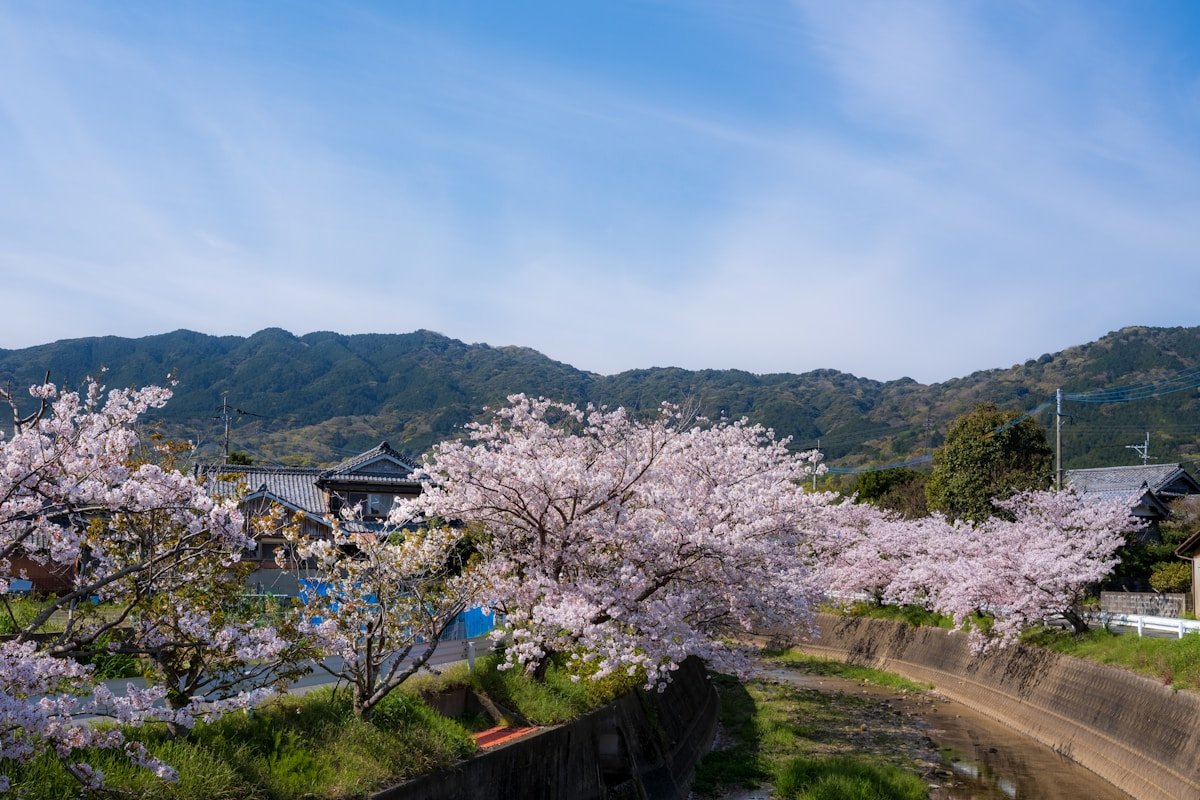
Japan’s cherry blossom season is not a single date but a moving wave that travels northward over approximately six weeks. The Japan Meteorological Corporation issues annual sakura forecasts - tracking the “sakura front” - from late February onward.
Approximate timing:
- Tokyo and Yokohama: late March to early April
- Kyoto and Osaka: late March to early April (typically 1–3 days behind Tokyo)
- Kanazawa: early to mid-April
- Sendai and Tohoku: mid-April
- Sapporo and Hokkaido: late April to early May
The bloom lasts 7 to 14 days per location. Full bloom (mankai, when 80 percent of flowers are open) typically lasts 5 to 7 days before petals begin falling. Falling petals (hanafubuki - “flower blizzard”) are arguably more beautiful than full bloom.
This is the busiest tourist period of the year. Hotels in Kyoto and Tokyo book out months in advance and prices rise 40 to 100 percent above standard rates. Popular parks (Maruyama Park in Kyoto, Shinjuku Gyoen in Tokyo, Hirosaki Castle in Aomori) are extremely crowded by 10am.
Strategy: Book accommodation in early January for late March to mid-April travel. Visit popular parks before 8am. Explore less-famous cherry locations - Inokashira Park in Tokyo, the canal path at Osaka’s Kema Sakuranomiya - for a similar experience with smaller crowds.
Late April to May: Post-Cherry Blossom
The week after peak cherry blossoms, crowds drop sharply and accommodation prices normalise. Late April is arguably the most pleasant travel weather in Japan - warm days (18–23°C), low rainfall, and clear skies. Fresh green leaves emerging alongside any remaining cherry blossoms create a colour combination (moegi = bright yellow-green) considered its own aesthetic event.
Golden Week (April 29–May 5) is the annual domestic holiday period when Japanese workers take their most significant consecutive leave. Hotels within Japan fill completely; prices surge; the Shinkansen is packed with families. If you can adjust travel dates by even a few days - arriving May 6, for example - you will find vastly cheaper accommodation and shorter queues.
June to Mid-July: Rainy Season (Tsuyu)
The rainy season (tsuyu) runs from approximately early June to mid-July in most of Honshu, and from late June to mid-July in Hokkaido. Tsuyu is characterised by extended overcast skies and frequent rain rather than constant downpour - many days have rain for 2 to 3 hours, then clearing.
This is a genuinely valid time to visit Japan if you pack appropriately. Crowds are dramatically lower than spring or autumn. Accommodation prices drop significantly. Hydrangeas bloom across temple gardens in June - Mimurotoji Temple in Uji (south of Kyoto) has one of the most spectacular hydrangea gardens in Japan. The rice paddies reflect the grey sky in ways that photographers prize.
Practical note: A compact umbrella and quick-dry layers are essential. Most temples and parks provide umbrella storage. Kyoto’s famous bamboo groves at Arashiyama are more atmospheric in misty rain than on a bright summer day.
Mid-July to August: Summer
Japanese summer is intense. Tokyo reaches 35–38°C in late July and August, with relative humidity of 75–85 percent. Osaka and Kyoto are similar. Active sightseeing in this heat requires planning: move between attractions during early morning (6–9am) and late afternoon (4–7pm), rest in air-conditioned spaces during the noon to 3pm period.
Despite the heat, summer offers unique experiences:
Obon (mid-August, exact dates vary by region) is the Buddhist festival of ancestors. Families return to home regions, businesses close for 3 to 5 days, and transportation is extremely congested around August 12–16. The Obon period includes regional bon dance festivals (bon odori) in almost every town - typically held in temple grounds or town squares in the evenings, free to watch and often to participate.
Hanabi (fireworks): Japan’s summer fireworks festivals are among the largest in the world. The Sumida River Hanabi in Tokyo (late July, 20,000 shells), Tenjin Matsuri in Osaka (late July), and dozens of regional festivals between July and September produce fireworks displays that dwarf most international equivalents. Book accommodation months ahead for the biggest events.
Mountains: Hiking above 2,000 metres is most practical in July and August, when alpine flower meadows bloom and mountain hut accommodation is available. Mt Fuji climbing season runs July 1 to September 10 officially.
September: Typhoon Month
September has historically been Japan’s most typhoon-active month. Typhoons typically develop in the Pacific and track northwest across Okinawa and then northeast along Honshu’s Pacific coast, making Kyushu, Okinawa, and the Pacific coast of central Japan most vulnerable. Inland areas (Nagano, Takayama, Tohoku mountains) are less affected.
A typhoon typically causes 1 to 2 days of disruption - heavy rain, strong winds, some transport cancellations. Most attractions reopen 24 to 48 hours after a typhoon passes. Travel insurance covering weather disruption is worthwhile for September travel.
The upside: September crowds are low, temperatures start cooling (dropping to 25–28°C in Tokyo by late September), and summer festivals are still running in some regions.
October to Mid-November: Autumn Foliage
Autumn foliage (koyo) is Japan’s second peak season and many experienced visitors prefer it to cherry blossom season. Temperatures are ideal (15–22°C in Tokyo and Kyoto), rainfall is low, and the combination of maple (momiji), ginkgo, and various deciduous trees produces a broader colour palette than the cherry blossoms.
Approximate timing:
- Hokkaido: early October
- Tohoku mountains: mid-October
- Tokyo, Nikko: late October to mid-November
- Kyoto, Nara: mid-November (typically November 15–25 for peak maples)
- Hiroshima, Osaka: late November
Kyoto’s autumn foliage is particularly celebrated - Eikan-do Zenrinji, Tofuku-ji, and Kinkaku-ji (Golden Pavilion) are among the most visited sites. As with cherry blossoms, early morning visits (before 8:30am) make an enormous difference to crowd levels.
Accommodation and flights during peak autumn foliage in Kyoto (typically mid to late November) book out early and cost significantly more than surrounding dates.
November to December: Late Autumn and Early Winter
The week or two after peak foliage, Japan transitions quickly into winter. Ginkgo trees hold their gold leaves slightly later than maples (Tokyo’s Icho Namiki avenue at Jingu Gaien typically peaks in late November to early December). Christmas illuminations launch in early December at major shopping areas.
This is an underrated travel period - crowds are low, accommodation is affordable, and winter foods (nabe hot pot, crab, onsen bathing) are at their best. Weather in Tokyo and Kyoto is cold (5–12°C) but generally clear and dry.
January to February: Winter
Japan’s mainland winter is cold and clear - ideal for a specific type of travel. Average January temperatures are 5°C in Tokyo, 5°C in Kyoto, and -4°C in Sapporo.
Skiing: Niseko (Hokkaido), Hakuba (Nagano), Nozawa Onsen, and Furano offer world-class powder skiing. January and February have the most reliable snow conditions. Resorts are significantly less crowded on weekdays than weekends.
Sapporo Snow Festival (early February): Over 2 million people attend the 7-day festival, which features enormous snow and ice sculptures built by Japan Self-Defence Forces teams. The sculptures can reach 15 metres high and include detailed architectural replicas. The Odori Park outdoor venue is free; indoor events are ticketed.
Onsen: Hot spring bathing in winter is the quintessential Japanese winter activity. Temperatures in mountain onsen districts (Yudanaka, Noboribetsu, Kinosaki) drop below -10°C - sitting in a 42°C outdoor bath while snow falls is an experience that requires this specific combination of seasons.
New Year (Jan 1–3): Hatsumode - first shrine visit of the year - draws enormous crowds to major shrines on January 1–3. Major Shinto shrines (Meiji Jingu in Tokyo, Fushimi Inari in Kyoto, Atsuta Jingu in Nagoya) see millions of visitors. Arriving on January 2 or 3 rather than January 1 is marginally less crowded. Hotels around January 1 are expensive; by January 4 prices return to winter rates.
Month-by-Month Summary
| Month | Avg Temp (Tokyo) | Crowd Level | Key Events | Best For |
|---|---|---|---|---|
| January | 5°C | Low | New Year (Jan 1–3), Snow Festival | Skiing, onsen, temples without crowds |
| February | 6°C | Low | Sapporo Snow Festival, plum blossoms | Skiing, snow monkey season, plum gardens |
| March | 10°C | Rising | Cherry blossom forecast begins | Cherry blossoms (late March), mild hiking |
| April | 15°C | Very high | Cherry blossoms, Golden Week (Apr 29) | Cherry blossoms (early April), spring gardens |
| May | 20°C | High (GW) then moderate | Golden Week ends May 5 | Post-Golden Week (May 6+), comfortable weather |
| June | 23°C | Low | Rainy season begins | Hydrangeas, low crowds, lower prices |
| July | 28°C | Moderate | Gion Matsuri (Kyoto Jul 17), Mt Fuji opens | Summer festivals, mountain hiking |
| August | 30°C | High (Obon) | Obon mid-August, hanabi | Summer festivals, beach Okinawa, mountain areas |
| September | 26°C | Moderate | Typhoon peak | Lower prices, cooling temperatures |
| October | 19°C | High | Foliage begins in Tohoku | Autumn foliage (Tohoku, Nikko late Oct) |
| November | 13°C | Very high | Peak foliage Kyoto mid-Nov | Best autumn foliage, hiking |
| December | 8°C | Moderate | Illuminations, year-end | Christmas illuminations, low crowds, winter food |
Plan the practical side: Flights to Japan vary widely by season - compare early for the best fares. Travel insurance for Japan covers medical costs, delays, and cancellations. Pick up an Airalo eSIM for Japan to have mobile data from the moment you land.
Monthly Guides
For detailed month-by-month breakdowns - weather tables, events, city recommendations, and what to pack - see our individual monthly guides:
January in Japan · February in Japan · March in Japan · April in Japan · May in Japan · June in Japan · July in Japan · August in Japan · September in Japan · October in Japan · November in Japan · December in Japan
See also: Japan cherry blossom guide · 1 week in Japan itinerary · Japan Golden Route · Onsen guide Japan · Tokyo travel guide · Kyoto travel guide · Japan travel tips
Plan Your Trip
- Flights - Find the best fares to Japan
- Hotels - Search hotels in Japan on Booking.com
- Travel Insurance - Get covered before you go
- eSIM - Stay connected from landing
- Car Rental - Compare prices across providers
- Tours and activities - Browse experiences on GetYourGuide