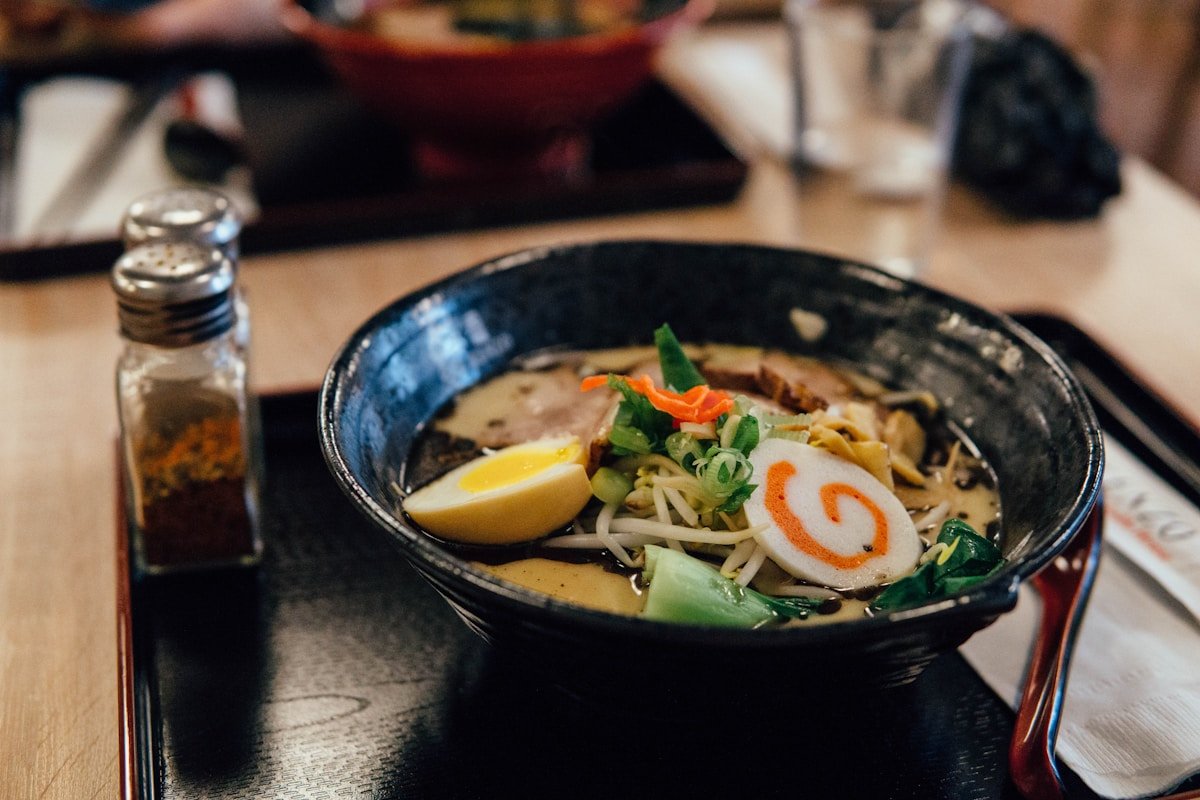
Japan has a reputation as an expensive destination that is partly deserved and partly myth. The country is not cheap in the Southeast Asian budget travel sense - a dormitory bed costs more, a bowl of ramen costs more, and transport within the country costs significantly more. But the infrastructure for low-cost travel is exceptional: reliable convenience stores selling quality food at low prices, an extensive hostel network, free world-class attractions, and a public transport system that eliminates the need for expensive taxis or tours.
Realistic Daily Budgets
To turn these ranges into a total for your trip, use our Japan trip cost calculator.
Backpacker: ¥7,000–¥10,000 Per Day
This budget is achievable with deliberate choices:
- Accommodation: Hostel dormitory ¥2,500–¥3,500 per night. Tokyo’s best hostels (K’s House, Khaosan, Bunka Hostel) have dorms in this range with clean facilities and social common areas.
- Breakfast: Convenience store onigiri ¥130 + coffee ¥150 = ¥280.
- Lunch: Standing soba or ramen shop ¥800–¥1,000.
- Dinner: Gyudon (beef rice bowl) at Yoshinoya or Sukiya ¥500–¥700, or a second convenience store meal ¥400–¥600.
- Transport: IC card for city travel ¥500–¥1,000 per day; no long-distance transport days keep this low.
- Attractions: One paid attraction ¥500–¥1,000 per day; several free attractions to balance.
Total before long-distance transport: approximately ¥5,000–¥7,000. Adding one Shinkansen day trips pushes the average up.
Mid-Range: ¥15,000–¥25,000 Per Day
- Accommodation: Business hotel single room ¥8,000–¥14,000.
- Meals: Breakfast at hotel (¥1,000–¥1,500) or konbini, lunch at a sit-down restaurant ¥1,000–¥1,500, dinner with sake or beer ¥2,500–¥4,000.
- Transport: IC card plus occasional taxi ¥1,000–¥2,000.
- Attractions: Two to three paid attractions per day ¥1,500–¥3,000.
Comfortable: ¥30,000–¥50,000 Per Day
Ryokan accommodation with two meals, restaurant dining for lunch, paid transport choices, and premium activities. This is not luxury but genuine comfort - staying well, eating properly, and not counting every yen.
Budget Strategy: Food
Convenience stores (konbini): 7-Eleven, FamilyMart, and Lawson are the single most effective tool for budget food in Japan. Onigiri rice balls cost ¥130–¥200 and are substantial. Egg salad sandwiches cost ¥220–¥280. Hot foods from the heated display (chicken skewers ¥130, steamed buns ¥110, oden pieces ¥100–¥150) are filling and cheap. A complete konbini meal costs ¥400–¥700.
Gyudon chains: Yoshinoya, Sukiya, and Matsuya serve beef rice bowl sets for ¥500–¥800. Fast, filling, available 24 hours, and widely distributed. These chains also serve curry, fried chicken, and seasonal specials at similar prices.
Standing restaurants: Soba-ya and ramen shops that operate at a counter with no seating cost 10 to 20 percent less than seated restaurants and are the fastest dining option in Japan.
Depachika after 7pm: Department store basement food halls (depachika) discount bento boxes, prepared dishes, and pastries by 20 to 50 percent after 7pm as they approach closing time (typically 8pm). The quality is higher than most restaurants at the same price as a konbini meal.
Teishoku lunch sets: Most Japanese restaurants - including expensive dinner restaurants - offer lunchtime set meals (teishoku) for ¥900–¥1,500. The same quality costs 30 to 50 percent more at dinner. Eating your main restaurant meal at lunch is the most effective way to access good food on a budget.
Budget Strategy: Attractions
Free major attractions:
- Meiji Jingu Shrine (Tokyo): free, one of the largest Shinto shrines in Japan
- Fushimi Inari Taisha (Kyoto): free, the famous thousand torii gate path
- Arashiyama Bamboo Grove (Kyoto): free
- Senso-ji temple (Tokyo): grounds free
- Most castle outer parks (Osaka Castle Park, Nagoya Castle outer park): free
- Ueno Park (Tokyo): free, contains multiple paid museums
- All national parks: free to enter
City views for free or low cost:
- Tokyo Metropolitan Government Building observation deck: free, 202 metres
- Kyoto Tower observation deck: ¥900 (cheaper than Osaka Harukas or Tokyo Skytree)
- Umeda Sky Building Floating Garden (Osaka): ¥1,500 - more dramatic than Tokyo options
Museum freebies: Many national museums have one free day per month. Check schedules - the Tokyo National Museum and Kyoto National Museum both have free admission days for Japanese citizens and often reduced admission for foreign visitors.
Budget Strategy: Transport
IC card vs single tickets: IC cards (Suica, Pasmo) cost a few yen less per journey than single paper tickets and eliminate the need to calculate fares at each journey. The difference per journey is small (¥5–¥20) but accumulates over a week of heavy city use.
Night buses (kokudo bus): Long-distance overnight buses between Tokyo and Osaka cost ¥3,000–¥5,500 compared to ¥14,170 for the Shinkansen Hikari. The journey takes 8 hours overnight - you save the night’s accommodation cost as well as the transport cost. Willer Express and JR Bus Kanto are the main operators. Seats range from standard reclining (¥3,000) to private compartments (¥6,000–¥8,000). A valid alternative to the JR Pass for those with flexible schedules and a higher tolerance for overnight travel.
Day passes for city transport: Most major cities sell one-day subway passes (¥600–¥900) that break even if you make 3 or more journeys. In cities where you are doing intensive sightseeing across the metro network, these offer good value.
Avoid taxis: Taxis in Japan are expensive by international standards - ¥700–¥1,000 for short journeys, plus metered fare. The train or bus is almost always available and cost a fraction of the equivalent taxi. Reserve taxis for late nights when public transport has stopped or for situations where carrying heavy luggage would be impractical. For a full breakdown of every transport mode - Shinkansen, IC cards, rental cars, overnight buses, and airport access - see our getting around Japan guide.
Budget Strategy: Accommodation
| Type | Price Range | What to Expect |
|---|---|---|
| Capsule hotel | ¥3,000–¥5,500/night | Individual sleeping pod, shared bath, locker storage |
| Hostel dormitory | ¥2,500–¥4,000/night | 4–12 bed dorms, shared facilities, social common areas |
| Guesthouse private | ¥6,000–¥12,000/night | Small private room, shared or en-suite bath |
| Business hotel | ¥8,000–¥16,000/night | Private room with en-suite, reliable WiFi, often breakfast option |
| Budget ryokan | ¥12,000–¥20,000/person | Traditional inn, tatami, sometimes with meals |
Capsule hotels: The modern capsule hotel (exemplified by chains like First Cabin and 9h) bears little resemblance to the cramped tube-shaped capsules of decades past. First Cabin capsules are roughly the size of a first-class airline seat in fully reclined position - privacy curtain, reading light, power outlet, and shared premium bathroom facilities. Excellent value for solo travellers.
If you’re travelling solo, our Japan solo travel guide covers the best hostel and capsule hotel picks for meeting people, plus safety tips and ideal bases by region.
Staying longer than two weeks? Monthly serviced apartments and guesthouses cost significantly less per night than booking nightly rates. Our long-stay guides cover monthly apartment pricing, share houses, and digital nomad options for the major cities: Tokyo long stay · Osaka long stay · Kyoto long stay · Fukuoka long stay · Sapporo long stay.
Booking timing: Accommodation prices in Japan vary significantly by demand. Early booking (2+ months ahead) for peak periods (cherry blossom, autumn foliage, Golden Week) is essential. Last-minute booking for off-peak periods can yield significant discounts - business hotels in Tokyo on slow weekday nights sometimes drop to ¥5,000–¥7,000. Search hotels in Japan on Booking.com
Free Wi-Fi and Mobile Data
Free Wi-Fi coverage in Japan is less comprehensive than in many countries. Major train stations, convenience stores, airports, and some tourist areas have free networks, but they require registration and often disconnect frequently.
The most practical solution is a SIM card or eSIM purchased before or at arrival in Japan:
- eSIM (IIJmio, Mobal, Ubigi): ¥1,500–¥3,000 for 15 days of unlimited LTE data. Activated immediately on a compatible phone without visiting a shop.
- SIM card at airport: Available from convenience stores in arrival halls at Narita, Haneda, and Kansai airports. ¥2,000–¥4,000 for data-only cards with 10–30GB of data. Data-only (no voice calling) is cheapest.
- Pocket WiFi rental: ¥500–¥1,000 per day, shared with travel companions, returned at the airport. Good value for groups; less practical for solo travellers.
Google Maps with data functions as the essential navigation tool in Japan. The transit mode shows train routes with IC card fares and timed departure information. Google Translate’s camera mode reads Japanese menus and signs in real time - genuinely transformative for ordering at restaurants without English menus.
The 100-Yen Shop
Daiso, Can Do, and Seria are ¥110-per-item shops (100 yen plus tax) that are genuinely useful for budget travellers in Japan:
- Small luggage locks, travel adapters, and cable organizers
- Chopsticks, bowls, and basic kitchen supplies for guesthouse stays
- Stationery, notebooks, and phone accessories
- Basic personal care items (sunscreen is often available at significantly lower cost than in pharmacies)
Daiso in particular stocks an enormous range - over 100,000 SKUs nationally - and many items are the same quality as their full-price equivalents in other shops.
Plan the practical side: Flights to Japan vary widely by season - compare early for the best fares. Travel insurance for Japan covers medical costs, delays, and cancellations. Pick up an Airalo eSIM for Japan to have mobile data from the moment you land.
Top 15 Budget Tips for Japan
| Tip | Category | Approximate Saving |
|---|---|---|
| Eat one meal per day at a konbini | Food | ¥800–¥1,200 vs restaurant |
| Order teishoku lunch, not dinner | Food | 30–50% vs dinner price |
| Depachika after 7pm for discounts | Food | 20–50% off prepared dishes |
| Use IC card, not single tickets | Transport | ¥5–¥20 per journey |
| Take overnight bus Tokyo–Osaka | Transport | ¥9,000–¥11,000 vs Shinkansen |
| Book accommodation 2+ months ahead | Accommodation | 20–40% vs last-minute peak |
| Stay in capsule hotels in cities | Accommodation | ¥3,000 vs ¥9,000 business hotel |
| Visit Fushimi Inari at dawn (free) | Attractions | ¥0 vs ¥500 nearby temples |
| Tokyo Gov’t Building obs deck (free) | Attractions | ¥0 vs ¥2,100 Skytree |
| Buy city day pass if making 3+ trips | Transport | Break-even at 3 journeys |
| Get an eSIM before arrival | Connectivity | ¥1,500 total vs daily wifi rental |
| Drink vending machine coffee (¥130) | Food | ¥370 vs café coffee |
| Eat at standing noodle counters | Food | 10–20% vs seated version |
| Free coin lockers for luggage (station) | Logistics | ¥300–¥800 vs tour luggage service |
| Visit temples early (fewer tour groups) | Attractions | Better experience, same price |
See also: Getting around Japan · Japan Rail Pass guide · Japan travel tips · Solo travel in Japan · Ryokan guide Japan · 1 week in Japan itinerary · Japan vs Thailand
Plan Your Trip
- Flights - Find the best fares to Japan
- Hotels - Search hotels in Japan on Booking.com
- Travel Insurance - Get covered before you go
- eSIM - Stay connected from landing
- Car Rental - Compare prices across providers
- Tours and activities - Browse experiences on GetYourGuide