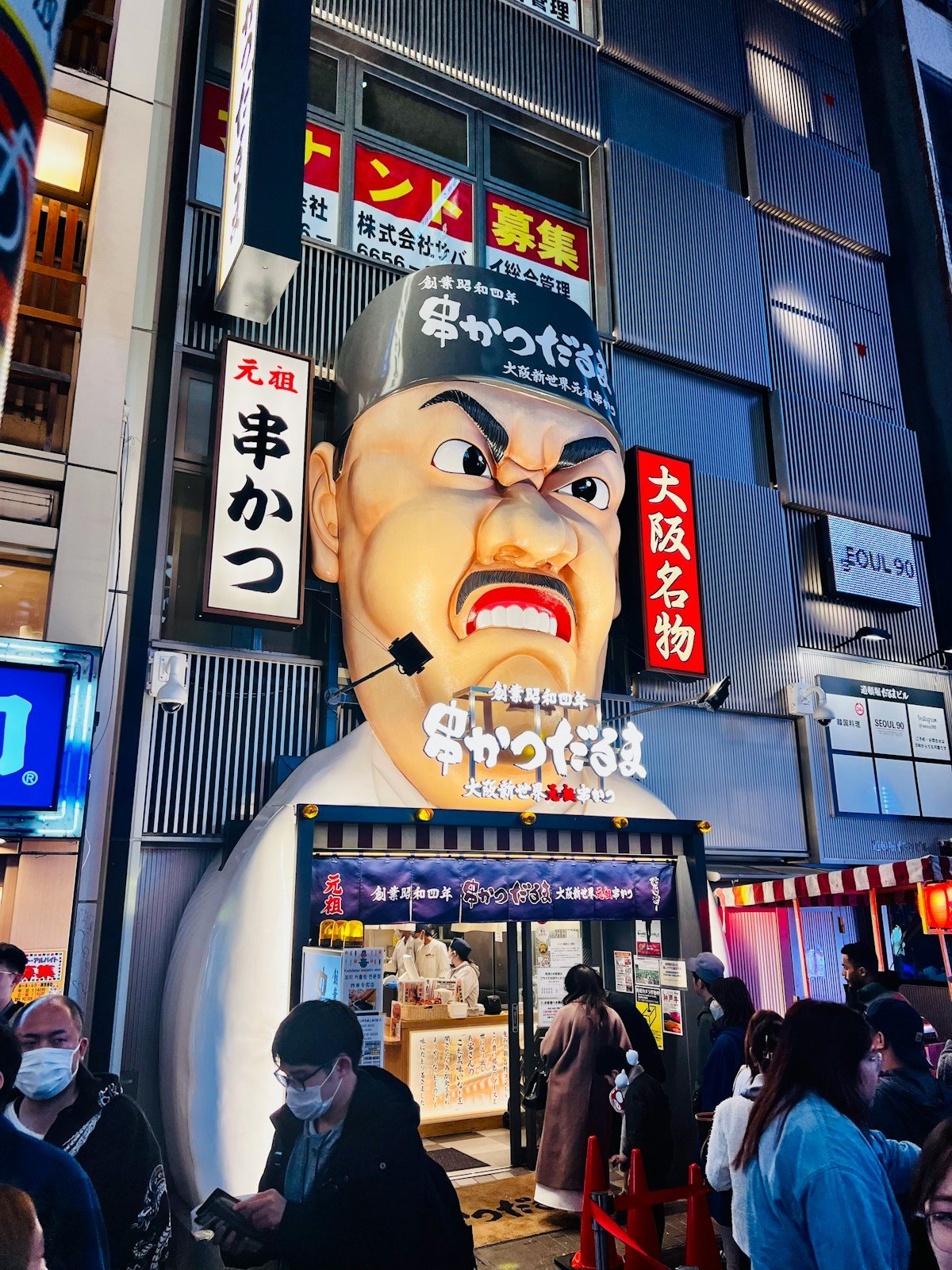
Osaka and Kyoto sit just 30 minutes apart by express train, yet they feel like entirely different versions of Japan. Osaka is loud, opinionated, and obsessed with food. Kyoto is ancient, refined, and quietly overwhelms you with beauty. Both are essential Kansai experiences - the question is how to split your time.
Quick Verdict
| Category | Osaka Wins | Kyoto Wins |
|---|---|---|
| Street food culture | Yes | - |
| Historical temples | - | Yes |
| Nightlife and bars | Yes | - |
| Traditional crafts | - | Yes |
| Budget travel | Yes | - |
| Geisha districts | - | Yes |
| Comedy and local character | Yes | - |
| Gardens and nature | - | Yes |
| Castle experience | Osaka Castle | Nijo Castle |
| Day trip access | Yes (Kobe, Nara) | Yes (Nara, Osaka) |
Osaka wins for hedonistic, food-first travellers who want energy and value. Kyoto wins for cultural depth, aesthetic beauty, and the most concentrated historic experience in Japan.
When to Visit
Both cities share the Kansai seasonal rhythm.
Spring (late March to early April) brings cherry blossoms to both cities. Osaka’s Sakuranomiya Park (along the Okawa River) is spectacular and less chaotic than Kyoto’s most famous spots. Kyoto’s Philosopher’s Path and Maruyama Park are more traditionally beautiful but draw enormous crowds - arrive before 8am or after 5pm for space.
Autumn (mid-October to late November) is Kyoto’s finest season, when temple gardens fill with red maple foliage. Eikan-do and Tofuku-ji are the famous spots; Jojakko-ji in Arashiyama is less visited and equally stunning. Osaka has fewer trees to turn, but the castle grounds offer a reasonable foliage display.
Summer brings festival season. Kyoto’s Gion Matsuri (throughout July, with the main float procession on July 17) is one of Japan’s three great festivals - incredibly crowded but genuinely unmissable. Osaka’s Tenjin Matsuri (July 24–25) involves fire boats on the Okawa River and rivals Gion Matsuri in spectacle.
Winter is quieter in both cities. Kyoto’s snow-covered temples are the reward for visiting outside peak season.
Cost Comparison
| Expense | Osaka | Kyoto |
|---|---|---|
| Hostel dorm | ¥2,800–5,000 | ¥3,500–6,000 |
| Budget hotel (private) | ¥8,000–13,000 | ¥10,000–16,000 |
| Mid-range hotel | ¥16,000–30,000 | ¥20,000–40,000 |
| Ryokan with dinner | ¥22,000–50,000+ | ¥30,000–80,000+ |
| Street food snack | ¥300–800 | ¥400–800 |
| Sit-down dinner | ¥1,500–3,500 | ¥2,000–6,000 |
| Museum/attraction entry | ¥500–800 | ¥500–1,000 |
| Daily budget (mid-range) | ¥10,000–18,000 | ¥14,000–22,000 |
Osaka is Japan’s best-value major city for food - the concept of kuidaore (“eat until you drop”) is genuine cultural identity, and the cost of eating well is lower here than anywhere else in the country.
Top Experiences
Osaka
Osaka’s identity is built on food, commerce, and a blunt friendliness that contrasts with Tokyo’s reserve. Dotonbori - the canal-side entertainment district - is loud, neon-lit, and filled with restaurants competing for attention with oversized mechanical crabs and running chefs. The takoyaki (octopus dumplings) here run ¥600–800 for six pieces; the okonomiyaki (savoury pancake) restaurants on Dotonbori are among the best in Japan.
Kuromon Ichiba Market is Osaka’s kitchen - a covered market of 170 stalls selling fresh seafood, produce, and prepared food. Arrive by 10am on weekdays for the freshest stock. Shinsekai is the city’s retro working-class district, famous for its Tsutenkaku Tower (entry ¥900 as of 2026) and kushikatsu restaurants where the only rule is: never double-dip. Osaka Castle (entry ¥600) is Japan’s most visited castle and houses a well-curated museum of the Sengoku period.
For nightlife: Namba and Shinsaibashi run until 4–5am on weekends. The jazz bar scene in Horie (west of Shinsaibashi) is excellent for early-evening drinks before Dotonbori crowds arrive.
Kyoto
Kyoto’s top sites are concentrated in three areas. East Kyoto holds the heavyweights: Kiyomizu-dera (the wooden stage temple, entry ¥500, with views over the city), Fushimi Inari Taisha (the 10,000-gate mountain trail, free, best before 7am), and the narrow lanes of Ninenzaka and Sannenzaka - preserved Meiji-era stone streets lined with craft shops and tea houses.
Northwest Kyoto covers Kinkaku-ji (Golden Pavilion, entry ¥500), Ryoan-ji (Zen rock garden, entry ¥600), and Ninna-ji with its beautiful spring garden. Arashiyama (west of the city) combines the bamboo grove (free, best at dawn), Tenryu-ji’s UNESCO garden (entry ¥1,000), and the scenic Sagano Romantic Railway (¥880 one way) through a river gorge.
Gion - Kyoto’s historic geiko district - is best explored on foot in the late afternoon. The lane of Hanamikoji-dori is the main promenade; the back lanes of Gion Shirakawa along the Shimbashi canal are quieter and equally atmospheric.
Food and Drink
Osaka’s food culture has no parallel in Japan. Beyond takoyaki and okonomiyaki, the city is the origin of kushikatsu (breaded and fried skewers of meat, vegetables, and seafood, approximately ¥100–250 per skewer). Hozenji Yokocho - a tiny alley near Dotonbori - holds some of the city’s best traditional kappo (counter-dining) restaurants with multi-course meals from approximately ¥8,000–15,000. Tsuruhashi is Osaka’s Korean town and Japan’s largest Korean market - yakiniku (Korean BBQ) here from approximately ¥2,500 per person is among the best in the country. Our Osaka food guide covers the essential stalls and restaurants.
Kyoto is the home of kaiseki. Hyotei near Nanzen-ji (three Michelin stars, from approximately ¥30,000 per person for dinner, advance booking essential) is the city’s pinnacle. More accessible: Nishiki Market’s 130 stalls offer pickled vegetables, flavoured tofu skewers, and fresh wasabi for ¥200–600 each. Kyo-kaiseki at a mid-range price point is available at restaurants around Pontocho - a narrow lantern-lit alley along the Kamogawa River - from approximately ¥6,000–10,000 for a set dinner. Our Kyoto food guide covers the highlights.
Accommodation
Osaka’s Namba and Shinsaibashi areas are the best bases for first-time visitors - central, near the food districts, and with excellent transport. Hostels like Yasumi Hostel (from ¥3,200/dorm) and Khaosan Osaka Castle (from ¥3,500) are well-run. Mid-range options: Cross Hotel Osaka (approximately ¥16,000–22,000/room) is well-located near Shinsaibashi. High-end: Conrad Osaka offers panoramic city views from approximately ¥55,000/night.
Kyoto’s best accommodation for atmosphere is a ryokan in the Higashiyama or Gion districts. Gion Hatanaka (near Hanamikoji-dori) is small, personal, and starts from approximately ¥35,000 per person with dinner. More affordable: Kyomachiya (traditional townhouse guesthouses) are bookable through agencies like Kominka Stay for approximately ¥15,000–25,000 per room per night and offer the most authentic Kyoto experience available at the mid-range price point.
Getting Around
Osaka’s metro system is efficient and easy - the Midosuji (red) line connects Umeda, Shinsaibashi, Namba, and Tennoji in 20 minutes. IC cards (ICOCA) cover all metro and JR lines. Taxis are plentiful and metered; a 3km journey costs approximately ¥1,200.
Kyoto’s city buses cover most temple districts but get crowded in peak season. The central subway (Karasuma and Tozai lines) is faster for cross-city travel. Cycling is the best way to explore Kyoto - the city is flat, cycle paths exist along major routes, and rental is available from ¥1,000–1,500 per day from shops near Kyoto Station.
Ready to book? Compare flights to Japan - prices and routes vary significantly depending on your departure city. Tours and activities across Japan cover both destinations covered in this comparison. Travel insurance for Japan is worth arranging before you commit to bookings.
The Honest Comparison
If you eat your way through cities and love staying up late, Osaka is your city. If temples, gardens, and traditional crafts are why you came to Japan, Kyoto is essential. Most Kansai trips do both - the 15-minute shinkansen or 30-minute express make day-tripping seamless and staying in one city while exploring the other entirely practical.
See also: Osaka travel guide · Kyoto travel guide · Kansai region guide · Tokyo vs Osaka · Tokyo vs Kyoto · Kyoto vs Kanazawa · Japan Golden Route itinerary
Plan Your Trip
Book your flights to Japan Get travel insurance Stay connected with an eSIM Rent a car