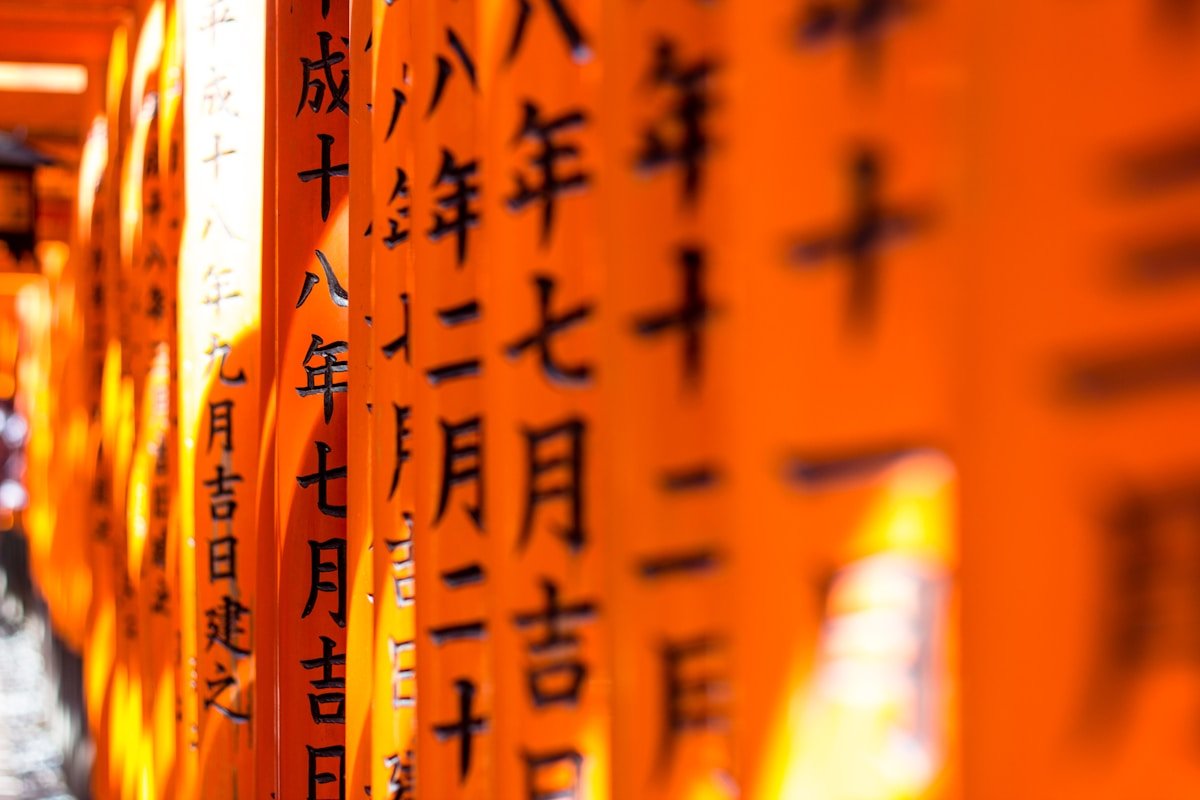
Japan uses three writing systems - hiragana, katakana and kanji - which can look intimidating, but the good news is that Japanese pronunciation is straightforward for English speakers. Every syllable is pronounced clearly, there are no tones, and vowel sounds are consistent. Major tourist infrastructure includes English signage, but daily interactions at local restaurants, shops and in rural areas will benefit enormously from basic phrases.
Pronunciation: The Tricky Sounds
Before diving into phrase tables, a few sounds trip up English speakers consistently.
Vowels are always short and pure: “a” sounds like the “a” in “father” (never like “day”), “i” like “ee” in “feet”, “u” like “oo” but with less lip rounding, “e” like “e” in “bed”, “o” like “o” in “note”. These never change based on surrounding letters.
The “r” sound: Japanese “r” sits between an English “r” and “l” - the tongue briefly taps the roof of the mouth as it would for a quick “d”. Practice “arigatou” by thinking of it as “a-di-ga-tou” with a very soft “d”.
Silent “u”: In many words, the “u” is barely voiced or completely dropped. “Desu” sounds like “des”, not “deh-soo”. “Masu” sounds like “mas”. This is why romaji tables often write “des” and “mas” rather than the full vowel.
Double consonants: A doubled consonant (written “tt”, “pp”, “kk” in romaji) requires a brief stop before the sound. “Matte kudasai” (please wait) has a small pause before the “t” - saying it as “ma-te” removes the emphasis and sounds unnatural.
Long vowels: A macron over a vowel (ō, ū) or a doubled letter indicates a longer sound. “Dōmo” holds the “o” for two beats. Shortening these changes the meaning - “obasan” (aunt) vs “obāsan” (grandmother).
Greetings and Basics
| English | Japanese | Pronunciation |
|---|---|---|
| Hello | こんにちは | kon-ni-chi-wa |
| Good morning | おはようございます | o-ha-yo go-zai-mas |
| Good evening | こんばんは | kom-ban-wa |
| Goodbye | さようなら | sa-yo-na-ra |
| Please (offering) | どうぞ | do-zo |
| Please (requesting) | おねがいします | o-ne-gai shi-mas |
| Thank you | ありがとうございます | a-ri-ga-to go-zai-mas |
| Yes | はい | hai |
| No | いいえ | i-i-e |
| Excuse me | すみません | su-mi-ma-sen |
| Sorry | ごめんなさい | go-men-na-sai |
Getting Around
| English | Japanese | Pronunciation |
|---|---|---|
| Where is…? | …はどこですか? | …wa do-ko des-ka |
| How much is it? | いくらですか? | i-ku-ra des-ka |
| Left | 左 (ひだり) | hi-da-ri |
| Right | 右 (みぎ) | mi-gi |
| Straight ahead | まっすぐ | mas-su-gu |
| Stop here | ここで止まってください | ko-ko-de to-mat-te ku-da-sai |
| Taxi | タクシー | ta-ku-shi |
| Bus stop | バスてい | ba-su-tei |
| Airport | くうこう | ku-ko |
| Train station | えき | e-ki |
| I don’t understand | わかりません | wa-ka-ri-ma-sen |
| Do you speak English? | えいごはなせますか? | ei-go ha-na-se-mas-ka |
At the Train Station
Japan’s rail network is extensive and efficient - but buying tickets and using IC cards is much easier with a few phrases.
| English | Japanese | Pronunciation |
|---|---|---|
| One ticket to [place] | [place]まで一枚 | …ma-de i-chi-mai |
| Next train | つぎのでんしゃ | tsu-gi no den-sha |
| Platform | ホーム | ho-mu |
| Transfer / change trains | のりかえ | no-ri-ka-e |
| Reserved seat | してい席 | shi-tei-se-ki |
| Non-reserved seat | じゆう席 | ji-yu-se-ki |
| Last train | しゅうでん | shu-den |
Kanji to recognise at stations:
| Symbol | Meaning |
|---|---|
| 出口 | Exit |
| 入口 | Entrance |
| 改札 | Ticket gate |
| 乗換 | Transfer |
| 普通 | Local (slow) train |
| 急行 | Express |
| 新幹線 | Shinkansen |
At the Hotel
Most business hotels have English-speaking staff at check-in, but smaller ryokan and guesthouses may not.
| English | Japanese | Pronunciation |
|---|---|---|
| I have a reservation | よやくがあります | yo-ya-ku ga a-ri-mas |
| My name is… | …ともうします | …to mo-shi-mas |
| Check-in | チェックイン | che-ku-in |
| Check-out | チェックアウト | che-ku-a-u-to |
| Room key | へやのかぎ | he-ya no ka-gi |
| Is breakfast included? | ちょうしょくはついていますか? | cho-sho-ku wa tsu-i-te i-mas-ka |
| Wi-Fi password | ワイファイのパスワード | wai-fai no pa-su-wa-do |
When staying at a ryokan, say “yoroshiku onegaishimasu” (よろしくおねがいします - “I look forward to your care”) after giving your name at check-in. It is a formulaic courtesy that signals genuine politeness to staff.
Food and Dining
| English | Japanese | Pronunciation |
|---|---|---|
| The menu, please | メニューをおねがいします | me-nyu o o-ne-gai shi-mas |
| The bill, please | おかいけいおねがいします | o-kai-kei o-ne-gai shi-mas |
| Water | おみず | o-mi-zu |
| Delicious | おいしい | oi-shi |
| Not spicy | からくないもの | ka-ra-ku-nai mo-no |
| I am vegetarian | ベジタリアンです | be-ji-ta-ri-an des |
| No meat | にくなし | ni-ku-na-shi |
| Allergy | アレルギー | a-re-ru-gi |
| Rice | ごはん | go-han |
| Beer | ビール | bi-ru |
| Tea | おちゃ | o-cha |
| Cheers! | かんぱい! | kam-pai |
Kanji to recognise on menus:
| Symbol | Meaning |
|---|---|
| 肉 | Meat |
| 魚 | Fish |
| 鶏 | Chicken |
| 豚 | Pork |
| 牛 | Beef |
| 野菜 | Vegetables |
| 卵 | Egg |
| 麺 | Noodles |
| ランチ | Lunch (set meal) |
Polite vs Casual Forms
Japanese has distinct speech registers. The forms in the tables above are all teineigo (丁寧語) - the polite register appropriate for all interactions with strangers, shop staff, hotel employees and restaurant servers. You will not cause offence by using it with anyone.
Casual speech (dropping the -masu/-desu endings) is used between close friends and younger relatives. Avoid it with people you have just met - it reads as rude in a service context, even if unintentionally.
A practical tip: ending a sentence with “-ne” (ね) softens a statement and invites agreement, similar to “isn’t it?” in English. Ending with “-ka” (か) turns any statement into a question. These two particles alone let you form dozens of natural-sounding questions from words you already know.
Numbers
| Number | Japanese | Pronunciation |
|---|---|---|
| 1 | いち | i-chi |
| 2 | に | ni |
| 3 | さん | san |
| 4 | よん | yon |
| 5 | ご | go |
| 6 | ろく | ro-ku |
| 7 | なな | na-na |
| 8 | はち | ha-chi |
| 9 | きゅう | kyu |
| 10 | じゅう | ju |
Emergency Phrases
| English | Japanese | Pronunciation |
|---|---|---|
| Help! | たすけて! | ta-su-ke-te |
| Hospital | びょういん | byo-in |
| Police | けいさつ | kei-sa-tsu |
| I need a doctor | いしゃが必要です | i-sha ga hi-tsu-yo des |
| Call an ambulance | きゅうきゅうしゃを呼んでください | kyu-kyu-sha o yon-de ku-da-sai |
Plan the practical side: Flights to Japan vary widely by season - compare early for the best fares. Travel insurance for Japan covers medical costs, delays, and cancellations. Pick up an Airalo eSIM for Japan to have mobile data from the moment you land.
A Few Cultural Notes
When entering a restaurant, staff will greet you with “irasshaimase” (いらっしゃいませ - welcome). You do not need to respond; a slight nod is sufficient. At the end of a meal, saying “gochisosama deshita” (ごちそうさまでした - thank you for the meal) as you leave is a polite gesture that staff will appreciate. It is not required, but it signals awareness of Japanese dining etiquette.
Pointing is generally acceptable for indicating items on menus or in shop displays when words fail - far better than guessing pronunciations. Carrying a small notebook to write down your destination in kanji (or using your phone) is a practical backup when verbal communication stalls.
See also: Japan travel tips · Japanese food guide · Budget travel guide Japan · Getting around Japan
Plan Your Trip
Book your flights to Japan Get travel insurance Stay connected with an eSIM Rent a car