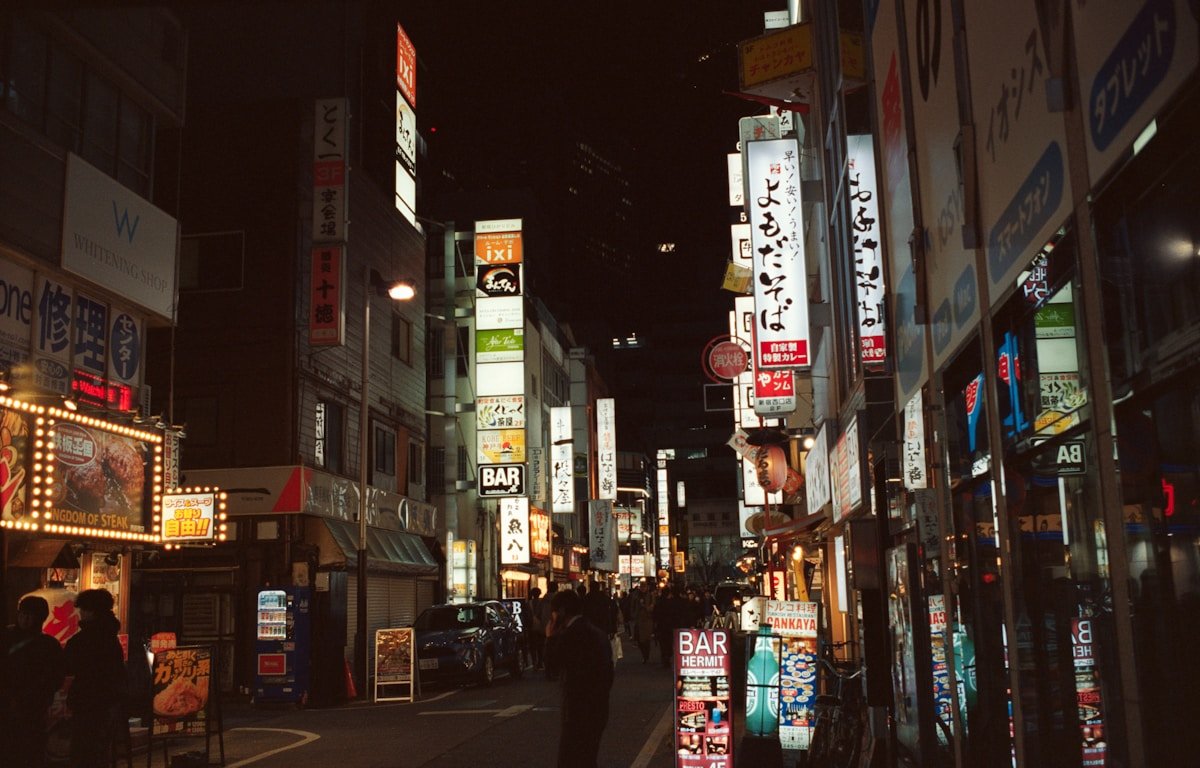
Japan is one of the most rewarding countries to travel in - largely because it functions with extraordinary reliability and consideration. Understanding a few key customs, logistics, and infrastructure realities before you arrive makes the difference between a trip with unnecessary friction and one that runs smoothly from the first day.
Cash is Still King
Japan is substantially more cash-dependent than most comparably wealthy countries. The reasons are cultural and structural, and they have not changed as quickly as in other developed nations.
Where you will need cash:
- Most small to medium restaurants and ramen shops
- Vending machines (though IC card payment is increasingly available)
- Shrines and temples with entry fees
- Morning markets
- Many taxis (though IC card acceptance is increasing)
- Ryokan in rural areas
- Coin lockers at stations
Where cards work reliably:
- Large hotels
- Department stores (depachika and shopping floors)
- Convenience stores (7-Eleven, FamilyMart, Lawson)
- Major chain restaurants
- Large tourist attractions
The rule: Carry ¥20,000 to ¥30,000 at all times. Do not rely on finding an ATM when you need one - many bank ATMs in Japan do not accept foreign cards. The reliable options are:
- 7-Eleven ATMs: Most consistently accept foreign Visa, Mastercard, and Maestro cards. Available 24 hours. Withdrawal limit approximately ¥100,000 per transaction.
- Japan Post ATMs (yubin-kyoku): Widely distributed, reliable with foreign cards. Most branches open during post office hours (weekdays 9am–5pm), but machines at major branches and stations are accessible 24 hours.
- Lawson ATMs: Also reliable. Same approach as 7-Eleven.
Foreign card holders may be charged a fee of ¥200–¥400 per ATM transaction by the Japanese bank, plus any charges from your home bank. Notify your bank before travel that you will be using the card in Japan.
Etiquette Essentials
Japanese social etiquette is specific and consistently observed. Understanding the basics prevents unintentional offence:
Shoes: Remove shoes when entering a ryokan, many restaurants with tatami seating areas, and some private homes. There will be a raised step (tataki) at the entrance and a shoe storage area (getabako). Slip-on shoes make this less disruptive.
Trains: Talking on the phone while aboard is broadly considered impolite - take or make calls on the platform or in the vestibule between carriages. Eating on trains is acceptable on long-distance Shinkansen but generally avoided on urban commuter trains. Priority seats (for elderly, disabled, and pregnant passengers) should be given up when needed and are often left empty when the priority group is not present.
Queuing: Japan has a strong queuing culture. Mark on platforms show where to queue for specific train doors. Queue at the side of escalators (typically left in Tokyo, right in Osaka - though this distinction is less observed than it used to be). Cutting queues is noticed and considered rude.
Eating and walking: Eating while walking is generally considered impolite except at festivals or in market areas where food is designed to be eaten standing near the stall. Most people eat at a stall’s provided counter area rather than carrying food while walking.
Chopstick rules: Do not pass food chopstick-to-chopstick (resembles a funeral ritual). Do not leave chopsticks standing upright in a bowl of rice (resembles a burial offering). Rest chopsticks on the chopstick rest (hashioki) provided or across the edge of your bowl.
Business cards: Received with both hands; examined briefly; treated with respect; placed on the table rather than pocketed immediately. If you are travelling for business, carry your own cards and present with both hands and a slight bow.
Bathing: When using onsen (hot springs) or public baths, wash and rinse completely at the shower stations before entering the bath. Towels do not enter the water. Tattoos are banned at most public baths and onsen - this is strictly enforced at traditional facilities, though some have become more flexible with advance notification.
Mobile Data and Connectivity
eSIM: The most convenient option for most visitors. Purchase and activate before departure through providers including IIJmio, Holafly, Mobal, or Ubigi. Costs range from ¥1,500 to ¥4,000 for 10 to 30 days of unlimited or high-speed data. Works on any eSIM-compatible phone (iPhone XS and later; most Android flagships from 2020+). No physical SIM insertion required.
Data SIM card at airport: Available from convenience stores in arrival halls at Narita, Haneda, Kansai, and other major airports. Typically ¥2,000–¥4,000 for a data-only card with 10–30GB over 14–30 days. No voice calling. You need to insert the physical SIM, so have a SIM eject tool available.
Pocket WiFi: A dedicated mobile WiFi device rented from the airport or pre-ordered online (¥500–¥1,000/day, typically including VAT). Shared among travel companions and returns at the airport. Best for groups; less practical for solo travellers who must carry the device and keep it charged.
If you’re travelling alone, our Japan solo travel guide covers the best cities to base yourself, how to meet other travellers, and safety considerations specific to solo trips.
Free WiFi: Convenience stores (7-Eleven, FamilyMart, Lawson WiFi), major train stations, and tourist areas provide free WiFi that requires registration. Coverage is inconsistent and connections drop frequently. Use these as supplements rather than primary connectivity.
Essential Apps
Google Maps: Works excellently for Japan transit. Shows train lines, platforms, IC card fares, walking directions, and business hours. Download offline maps for key areas before travel as backup.
Google Translate (camera mode): Point your camera at Japanese text - menus, signs, instructions, product labels - for real-time translation. Not perfect but sufficiently accurate for practical navigation. Download the Japanese language pack for offline use.
Japan Official Travel App (JNTO): Provides disaster and emergency alerts in multiple languages, as well as general travel information.
Safety Tips (Japan Tourism Agency): Essential for natural disaster alerts. Japan has earthquakes, typhoons, and occasional tsunami alerts. This app sends alerts in English when issued.
Hyperdia or Navitime: Alternative to Google Maps for train route planning, with more detailed information on JR Pass coverage and private railway options.
Luggage Forwarding (Takkyubin)
Japan’s luggage forwarding service is one of the most useful infrastructure points in the country and is underused by foreign visitors. Yamato Transport (black cat/kuroneko logo) and Sagawa Express operate networks covering every hotel in Japan.
How it works: Drop your bag at the hotel front desk, a convenience store, or a Yamato service centre by around 10am–11am. Specify the destination hotel. The bag arrives at the destination hotel that evening or the following morning. Cost: ¥1,500–¥2,500 per bag depending on size and distance.
When to use it:
- Before a Shinkansen journey (large luggage in Shinkansen overhead racks now requires a reservation fee from 2024 on some services, and is logistically awkward)
- For a multi-city trip where you move accommodation every 1–2 days
- Before hiking or travelling to rural areas where you do not want to carry a large bag
Japanese note: The luggage tag (available at convenience stores and hotel front desks) requires the destination hotel’s name, address, and your phone number in Japanese format. Hotel concierge staff can complete this if needed.
Station Coin Lockers
Major train stations (and many smaller ones) have coin lockers (コインロッカー, koin rokkaa) available for day use. Sizes:
- Small (fits day bag): ¥300–¥400
- Medium (fits a 30L backpack): ¥400–¥600
- Large (fits a large rolling suitcase): ¥600–¥800
Most modern coin lockers accept IC card payment. Older lockers are coin-only (100-yen coins specifically). Lockers are cleared at midnight - if you leave a bag and don’t return by closing, you must pay the following day’s charge to retrieve it.
The most useful application is storing luggage during a day trip or on arrival day before hotel check-in (typically 3pm). Station lockers at Kyoto, Tokyo, Osaka, and major tourist destinations fill quickly in peak season - arrive early or have a backup plan.
Dietary Restrictions
Vegetarian and vegan: Japan is improving but remains challenging. The primary issue is dashi (fish stock) - a fundamental flavouring used in broths, sauces, simmered dishes, and pickles that appear vegetarian. “No meat” (niku nashi) is understood; “no fish stock” (katsuo dashi nashi) is harder to guarantee.
Reliable options: shojin ryori (Buddhist temple cuisine, entirely plant-based, available at Kyoto temple restaurants like Shigetsu at Tenryu-ji for ¥4,000–¥6,000); Indian restaurants in major cities; modern vegan restaurants in Tokyo, Osaka, and Kyoto (HappyCow app identifies these).
Allergen card: Carry a printed allergen card in Japanese specifying exactly what you cannot eat. Print from an allergy card website or from iamnotglutenintolerant.com (which produces multiple allergen versions for Japan travel). Present at any restaurant before ordering.
Gluten: Soy sauce contains wheat in Japan (even dishes that don’t contain obvious wheat may be prepared with soy sauce). Tamari (wheat-free soy sauce) is available in specialty shops and some supermarkets.
Nuts: Tree nut allergies are manageable - nuts are less common in mainstream Japanese cooking than in Southeast Asian or Indian cuisines. Be aware that sesame is widely used.
Pharmacy and Medical
Japanese pharmacies (drugstores): Matsumoto Kiyoshi, Sundrug, and Tsuruha are nationwide chains. A good range of over-the-counter medications is available, but brand names differ from Western equivalents. Japanese ibuprofen, antihistamines, and topical treatments are available and of good quality.
What may not be available: High-strength Western formulations are sometimes absent. Japanese over-the-counter painkillers tend to have lower maximum doses than US or Australian equivalents. If you take a specific prescription or OTC medication, bring sufficient supply from home.
Controlled medicines in Japan: See the visa guide for a full list. Pseudoephedrine, codeine, and amphetamine-based ADHD medications are prohibited or strictly controlled. Do not assume your prescription is valid internationally.
Hospital care: Japan has excellent hospital care and most urban hospitals have at least some English-speaking staff or telephone translation services. Health insurance from your home country typically provides emergency coverage - carry your insurance card and policy number. Japan has no universal free healthcare for visitors.
Emergency numbers:
- Police: 110
- Ambulance and Fire: 119
AMDA International Medical Information Centre: For English-language medical advice and hospital referral in Japan - (+81) 03-5285-8088 (Tokyo).
Weather and Clothing
Layering is essential: Japan’s seasons are pronounced. Even a two-week trip spanning late autumn to early winter can require everything from light layers to a heavy coat. The principle: pack layers that combine rather than single heavy garments.
Rainy season (tsuyu, June–mid-July): A compact folding umbrella is essential. Japanese umbrellas are sold at convenience stores for ¥500–¥700 and are perfectly adequate.
Summer heat (July–August): Lightweight breathable fabrics, high-SPF sunscreen (available at Japanese drugstores), and a portable electric fan (available at 100-yen shops from ¥330) are the essentials. Carrying a small towel for sweat is standard among Japanese people in summer.
Shoe consideration: You will be removing your shoes frequently in Japan (ryokan, many restaurants, traditional interiors). Shoes that slip on and off without untying laces are convenient. Quality walking shoes or sandals are essential - a typical sightseeing day in Kyoto or Tokyo involves 15,000–25,000 steps.
Top 20 Japan Travel Tips Ranked by Practical Impact
| Rank | Tip | Category |
|---|---|---|
| 1 | Carry ¥20,000+ cash at all times | Money |
| 2 | Use only 7-Eleven, Japan Post, or Lawson ATMs | Money |
| 3 | Buy an eSIM before arrival | Connectivity |
| 4 | Download Google Maps offline | Navigation |
| 5 | Enable Google Translate camera mode | Language |
| 6 | Use luggage forwarding (takkyubin) between cities | Logistics |
| 7 | Book accommodation 2+ months ahead for peak season | Accommodation |
| 8 | Don’t tip - ever | Etiquette |
| 9 | Remove shoes before entering marked interiors | Etiquette |
| 10 | Be silent on urban trains | Etiquette |
| 11 | Install Safety Tips app for disaster alerts | Safety |
| 12 | Carry allergen card if you have dietary restrictions | Food |
| 13 | Check medicine restrictions before packing | Health |
| 14 | Check tide times before visiting Miyajima | Planning |
| 15 | Book teamLab at least a week ahead | Activities |
| 16 | Arrive at famous sights before 8am | Crowds |
| 17 | Use IC card, not single train tickets | Transport |
| 18 | Check passport validity before booking | Documents |
| 19 | Pack slip-on shoes for easy removal | Comfort |
| 20 | Avoid Golden Week (Apr 29–May 5) travel | Timing |
Plan the practical side: Flights to Japan vary widely by season - compare early for the best fares. Travel insurance for Japan covers medical costs, delays, and cancellations. Pick up an Airalo eSIM for Japan to have mobile data from the moment you land.
Japan vs Other Destinations
Still deciding whether Japan is the right trip? See our country-level comparisons: Japan vs South Korea, Japan vs Thailand, and Japan vs Taiwan - each covers cost, culture, food, and what makes each country distinct.
For basic phrases that help you navigate restaurants, stations, and shops, see our Japanese phrases guide.
See also: Getting around Japan · Japan visa guide · Japan Rail Pass guide · Budget travel guide Japan · Onsen guide Japan · 1 week in Japan itinerary
Plan Your Trip
- Flights - Find the best fares to Japan
- Hotels - Search hotels in Japan on Booking.com
- Travel Insurance - Get covered before you go
- eSIM - Stay connected from landing
- Car Rental - Compare prices across providers
- Tours and activities - Browse experiences on GetYourGuide