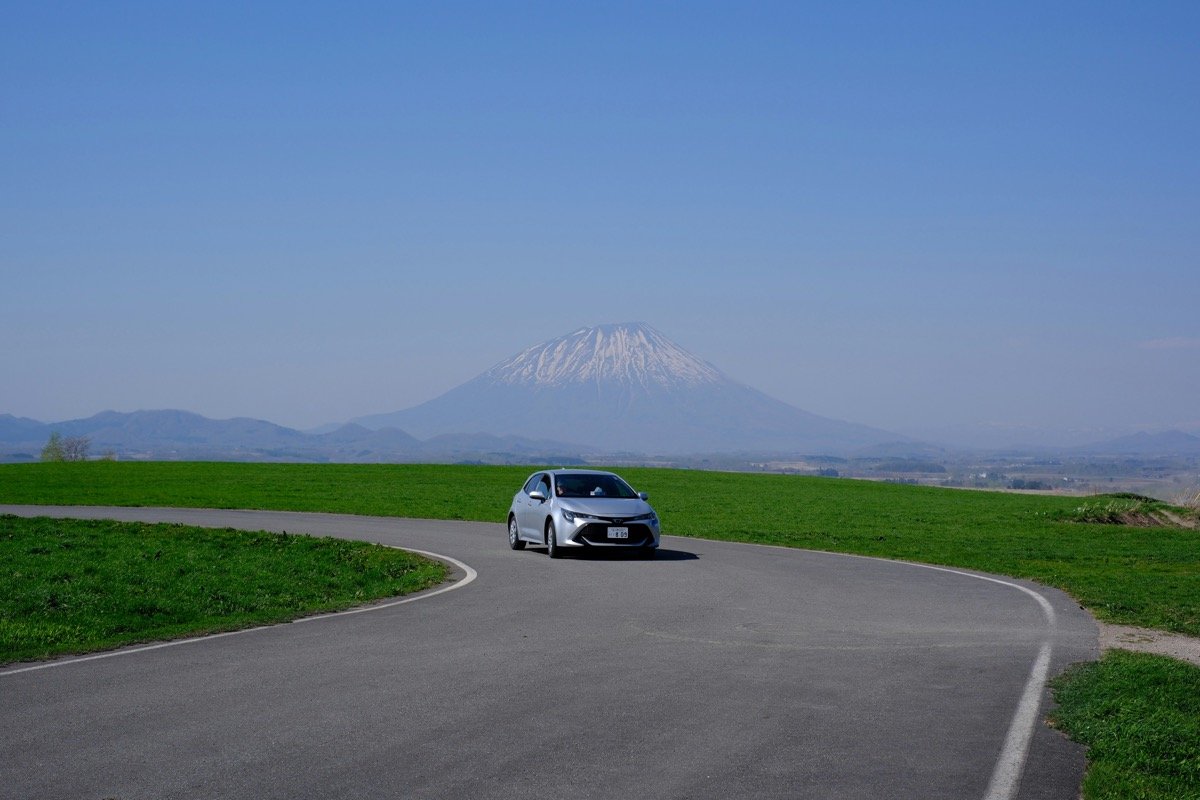
Japan’s train network is extraordinary, but it does not cover everything. Hokkaido’s lavender fields, the Iya Valley in Shikoku, the Noto Peninsula, the Okinawa islands, rural Tohoku - these are places where a rental car transforms a frustrating sequence of infrequent buses into a genuinely exploratory trip. Car hire in Japan requires some preparation: driving is on the left, road signs in rural areas are often Japanese-only, and the expressway toll system takes some getting used to. But the roads are excellent, the traffic police are courteous, and petrol stations are frequent.
Driving Licence Requirements
Foreign visitors can drive in Japan with an International Driving Permit (IDP) issued by their home country, combined with their original national driving licence. The IDP must follow the 1949 Geneva Convention format - not the 1968 Vienna Convention format. This distinction matters: Germany, Switzerland, France, Belgium, Monaco, and Slovenia issue Vienna Convention IDPs, which are not accepted in Japan. Drivers from these countries must obtain a Japanese licence or use a different authorisation document - check with the Japan Automobile Federation (JAF) or the nearest Japanese embassy before travel.
Countries whose IDP is accepted in Japan include: Australia, Canada, Ireland, New Zealand, South Africa, United Kingdom, and the United States (US state motor vehicle departments issue Geneva Convention IDPs).
Validity: IDPs are valid for up to one year from the date of issue. If you are staying in Japan longer than three months, you will need to convert your licence to a Japanese one at a local licence centre.
Required documents at pickup: Original national driving licence + IDP + passport. All three. Rental companies will refuse the booking if any is missing.
Driving on the Left
Japan drives on the left. The steering wheel is on the right side of the car. For drivers from the UK, Australia, New Zealand, and several African nations, this is familiar. For everyone else, it requires adjustment - typically 30–60 minutes of cautious initial driving before it starts feeling more natural.
Most common errors for new left-side drivers:
- Turning into the wrong lane at intersections (stay left after turning)
- Misjudging clearance on the driver’s side at narrow roads (common in rural Japan)
- Activating the windscreen wipers instead of the indicator (indicator is on the right stalk in Japanese cars)
Rural roads in Japan can be very narrow, particularly in mountain areas and on small islands. Many are one-lane roads with occasional passing places. Drive slowly. The speed limit on national roads is 60km/h (unless signed otherwise); 100km/h on expressways. Cameras are common; enforcement is consistent.
Rental Agencies in Japan
Toyota Rent a Car (トヨタレンタカー) The largest car hire operation in Japan, with over 1,000 locations including branches at most major airports and Shinkansen stations. Reliable availability, English support available, and a wide range of vehicles from kei cars (660cc) to 8-seater minivans. Base rates for a compact car (Vitz or similar) start from approximately ¥5,500–¥7,000 per day as of 2026 for a weekday booking. Weekend rates are higher; early booking discounts available online.
Nissan Rent a Car (ニッサンレンタカー) Strong coverage in major cities and regional airports. Similar pricing to Toyota: compact cars from approximately ¥5,000–¥6,500 per day. Reliable English-language booking online.
Times Car (タイムズカー) Previously Budget Car Rental Japan; rebranded as Times Car in 2020. Good urban presence particularly in Tokyo and Osaka. Rates for a compact from approximately ¥4,800–¥6,000 per day. Useful if you need same-day pickup in a city.
Orix Rent a Car (オリックスレンタカー) Good airport coverage, often competitive on pricing for 3+ day rentals. Compact from approximately ¥5,000 per day. English interface available online.
Nippon Rent a Car (ニッポンレンタカー) One of the largest networks, with a branch at nearly every domestic airport. Known for good vehicle condition and efficient pickup process. Rates from approximately ¥5,500–¥7,000 per day for compact cars.
Comparison booking platforms: GetRentacar aggregates rates across multiple agencies in Japan with English-language booking. Comparing across agencies for a specific date and pickup location often surfaces deals 10–20% below direct bookings.
Cost Breakdown
Daily hire rates (as of 2026, approximate):
- Kei car (Honda N-Box, Suzuki Alto): ¥3,500–¥5,000
- Compact (Toyota Yaris/Vitz, Nissan Note): ¥5,000–¥7,000
- Mid-size sedan (Toyota Corolla, Nissan Sylphy): ¥6,500–¥9,000
- SUV (Toyota RAV4, Nissan X-Trail): ¥8,000–¥12,000
- Minivan (Toyota Alphard, Nissan Serena): ¥10,000–¥16,000
ETC (expressway toll) card: Most car hire companies provide an ETC card at pickup, typically ¥330–¥550 rental fee, which gives 30% discount on expressway tolls compared to cash payment. Always accept this - expressways charge per section and costs add up quickly. Tokyo to Osaka by expressway runs approximately ¥6,000–¥8,000 in tolls each way.
Fuel: Petrol (regular) costs approximately ¥170–¥185 per litre as of 2026. Japan uses 90-octane regular (レギュラー) for most vehicles; diesel is ディーゼル. Full-to-full return is standard at all agencies - fill the tank before return.
Basic insurance: All rentals include basic Compulsory Automobile Liability Insurance (CALI). Optional Collision Damage Waiver (CDW) and Theft Protection typically add ¥1,000–¥2,000 per day; most travellers should take this. Non-operation charge (NOC) - the penalty for any damage that puts the car off the road - is typically ¥30,000–¥50,000; CDW waives or reduces this.
Navigation
Getting a car with ETC and a GPS (カーナビ, kārnabi) is strongly recommended. Most agencies provide GPS systems set to Japanese by default; many have an English mode. If you can only enter an address in Japanese, use the phone number or map code of your destination instead - every Japanese address has an 8–10 digit Mapcode searchable on Navitime or Google Maps.
Best navigation apps for Japan:
- Google Maps: accurate for major roads; sometimes struggles with rural areas and expressway ramps
- Navitime for Japan Travel: specifically designed for driving in Japan; ETC toll calculation built-in
- Apple Maps: improved significantly in recent years; works well in cities
Download offline maps for your region before leaving mobile coverage areas. Hokkaido and parts of rural Tohoku have patchy data coverage.
Where a Car is Worth It
Hokkaido (strongly recommended) The island’s distances are vast, the train network is sparse outside the main lines, and the landscapes - lavender fields at Furano, coastal cliffs at Cape Kamui, the volcanic crater lake at Mashu-ko - are best experienced at your own pace. Hokkaido road trips are extremely popular with Japanese domestic tourists. Summer (June–August) and autumn (September–November) are peak seasons; book cars well in advance.
Okinawa Main Island The local bus network is limited and infrequent. A car is effectively essential for reaching the northern beaches, Cape Hedo, and the Yanbaru forest. Traffic in Naha is heavy; avoid driving in the city centre if possible. Okinawa also permits scooters on an international driving licence (50cc or under), which many visitors prefer for beach-hopping.
Shikoku’s Iya Valley The dramatic vine bridges, blue river gorges, and thatched-roof villages of the Iya Valley (Tokushima Prefecture) have no practical bus access. A car from Awa-Ikeda or rented at Tokushima Airport opens the entire valley. The roads are narrow mountain tracks in places - fine for confident drivers, stressful for first-timers driving on the left.
Noto Peninsula (Ishikawa) The Noto Peninsula’s rugged coast, morning fish markets, salt farms, and lacquerware villages are only properly accessible by car. The peninsula was severely affected by the January 2024 earthquake; some roads and facilities in the northern Noto areas remain closed or restricted as reconstruction continues (verify current access before planning). Central and southern Noto areas were less affected and are open.
Kyushu’s Aso Caldera Mount Aso’s vast caldera is partially accessible by bus from Aso Station, but the full circuit - including the Milky Road mountain drive and the various crater lookouts - requires a car. Rental available at Kumamoto Airport and Aso Station.
Rural Tohoku The Shimokita Peninsula, the Shirakami Sanchi beech forests, and the rice terraces of Nishimeya are all but inaccessible by public transport. Driving from Hachinohe or Aomori opens the entire northern Tohoku landscape.
Routes Where the Train Beats the Car
Between Tokyo and Osaka (or along the Tokaido corridor), the Shinkansen is faster, cheaper, and more comfortable than driving - particularly once you factor in expressway tolls (¥6,000–¥8,000), petrol (¥2,000–¥3,000), and 7+ hours of driving. For the main trunk routes, always take the train.
In central Tokyo, Osaka, or Kyoto, a car is a liability. Parking is expensive (¥300–¥600 per 30 minutes in central Tokyo), congestion is frustrating, and the metro or JR covers everywhere you need to go. Pick up your rental outside the city and return it before returning to the city, or use a park-and-ride.
Practical Tips
- Book at least 48 hours before pickup - popular airports run out of compacts on busy weekends and Golden Week (late April–early May).
- Return tank full. Agencies charge a premium to refuel the car for you (approximately ¥300–¥500 above market rate per litre) and will not waive this.
- Expressway rest areas (SA/PA) are excellent: clean toilets, hot food, regional produce stalls, and coin showers at larger ones. Budget time to stop.
- Emergency numbers: For accidents or breakdowns, call JAF (Japan Automobile Federation) on 0570-00-8139 (Japanese) or contact your rental agency’s 24-hour helpline - all major agencies provide one.
Compare car hire rates across agencies in Japan for your specific dates and pickup location.
Plan Your Trip
- Flights - Find the best fares to Japan
- Hotels - Search hotels in Japan on Booking.com
- Travel Insurance - Get covered before you go
- eSIM - Stay connected from landing
- Car Rental - Compare prices across providers
- Tours and activities - Browse experiences on GetYourGuide