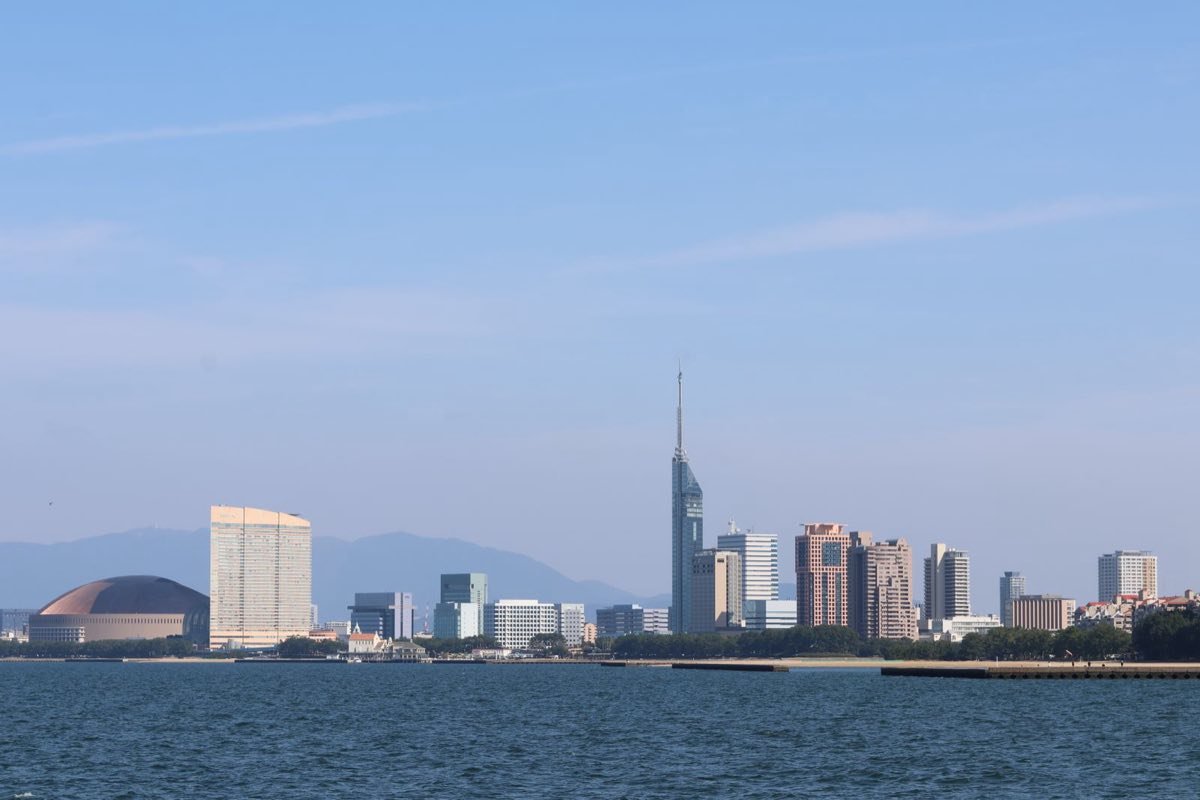
Fukuoka is the gateway to Kyushu and one of Japan’s most liveable cities - compact, food-obsessed (tonkotsu ramen and mentaiko originated here), and with a slightly different seasonal rhythm from the more-visited cities of Honshu. Its milder winters and earlier spring make it particularly appealing in shoulder seasons.
Quick Summary
| Season | Months | Temps (°C) | Crowds | Budget |
|---|---|---|---|---|
| Spring | Mar–May | 10–23 | ★★★★ | High |
| Summer | Jun–Aug | 24–34 | ★★★ | Mid |
| Autumn | Sep–Nov | 13–26 | ★★★ | Mid |
| Winter | Dec–Feb | 4–13 | ★★ | Low |
Month-by-Month Breakdown
January - Mildest winter of Japan’s major cities (4–12°C). Rarely snows in central Fukuoka. Yatai food stalls along the Nakasu waterfront remain open. Crowds very low. Crowds: 2/5.
February - Still mild (5–13°C). Plum blossom at Dazaifu Tenmangu Shrine is spectacular - the shrine has over 6,000 plum trees. Crowds: 2/5.
March - Early cherry blossom season. Fukuoka is one of the first major Japanese cities to bloom - typically late March. Maizuru Park and Nishi Park are the best spots. Temperatures 9–16°C. Crowds: 3/5.
April - Cherry blossoms continue into early April. Golden Week (April 29–May 5) raises domestic visitor numbers but Fukuoka is less pressured than Kyoto. Temperatures 14–21°C. Crowds: 4/5.
May - Post-Golden Week, the city is pleasant and uncrowded. Temperatures rise to 18–25°C. A good month for exploring Kyushu day trips. Crowds: 2/5.
June - Rainy season. Warm (22–27°C) and humid. City quietens for tourists. Crowds: 2/5.
July 1–15 - Hakata Gion Yamakasa festival. The pre-dawn race on July 15 at 4:59am is one of Kyushu’s great experiences. Book accommodation well ahead for July 14–15. Temperatures: 27–33°C. Crowds: 3/5.
August - Hot (28–34°C) and very humid. August 1–3: Hakata Dontaku Port Festival offshoot events. Nakasu Night Festival runs through August. Crowds: 3/5.
September - Gradually cooler (25–31°C early, 19–25°C late). Typhoon risk is moderate. Ohori Park is atmospheric in late September. Crowds: 2/5.
October - Excellent autumn weather (14–23°C). Fukuoka City Marathon takes place in October/November. Dazaifu’s autumn foliage is outstanding by late October. Crowds: 3/5.
November - Cool and comfortable (8–19°C). Autumn foliage at Dazaifu and Shofuku-ji Temple. Mid-November is a particularly good time to visit. Crowds: 3/5.
December - Cool (5–13°C). Christmas illuminations along Tenjin and Canal City shopping centres. Hotels are very affordable. Crowds: 2/5.
Festivals and Events Calendar
- February - Plum blossom at Dazaifu Tenmangu (typically peaks early–mid February)
- Late March - Maizuru Park cherry blossom (one of Fukuoka’s top viewing spots)
- July 1–15 - Hakata Gion Yamakasa; pre-dawn race July 15 at 4:59am
- August 1–3 - Hakata Dontaku Port Festival (secondary events)
- October/November - Fukuoka City Marathon
- November - Autumn foliage at Dazaifu Tenmangu
Budget Tips by Season
Cheapest: January–February and June–July (outside Yamakasa festival) are the most affordable periods. Fukuoka hotels are generally cheaper than Tokyo or Kyoto equivalents - business hotels near Hakata Station average ¥7,000–11,000 per night at off-peak times.
We compare areas and price ranges in our Fukuoka where-to-stay guide, and you can check Fukuoka hotel availability for your dates before rates climb.
Festival premium: July 14–15 (Yamakasa race) carries accommodation premiums. Book 4–6 weeks ahead.
Food savings: Fukuoka’s yatai (outdoor food stalls) along the Nakasu and Tenjin areas are open year-round and offer some of Japan’s best affordable eating - ramen from ¥700–900, grilled skewers from ¥200. This is true regardless of season.
Dazaifu tip: The day trip to Dazaifu Tenmangu (30 minutes from Fukuoka by train) is free to enter the shrine and costs under ¥1,000 round trip - high value at any time of year.
Verdict
Fukuoka’s best two windows are late March (early cherry blossoms before the Tokyo/Kyoto crowds are in full swing) and October (comfortable temperatures, Dazaifu autumn foliage, low crowds). If you are specifically interested in Japanese festivals, the Yamakasa pre-dawn race on July 15 is one of the most electrifying events in the country - it starts before 5am, involves teams of men sprinting through historic streets carrying massive floats, and is authentically local in a way that many larger festivals are not. Once your dates are set, Fukuoka tours and experiences are worth booking ahead in peak weeks.