Kansai sits roughly in the centre of Honshu and holds more of Japan’s historic heritage than any other region. Kyoto was the imperial capital for more than a thousand years and has over 1,600 temples and shrines. Nara was the capital before Kyoto. Osaka developed into Japan’s commercial engine. Kobe opened to Western trade in the 1860s. And Himeji, 50 minutes west of Kobe, has the castle that survived both the Second World War’s bombing campaigns and the postwar reconstruction that replaced most of Japan’s wooden architecture.
Most visitors use Osaka or Kyoto as a base. The Hanshin and JR networks connect all the main Kansai cities within an hour of each other, making the region efficient to cover.
Kyoto
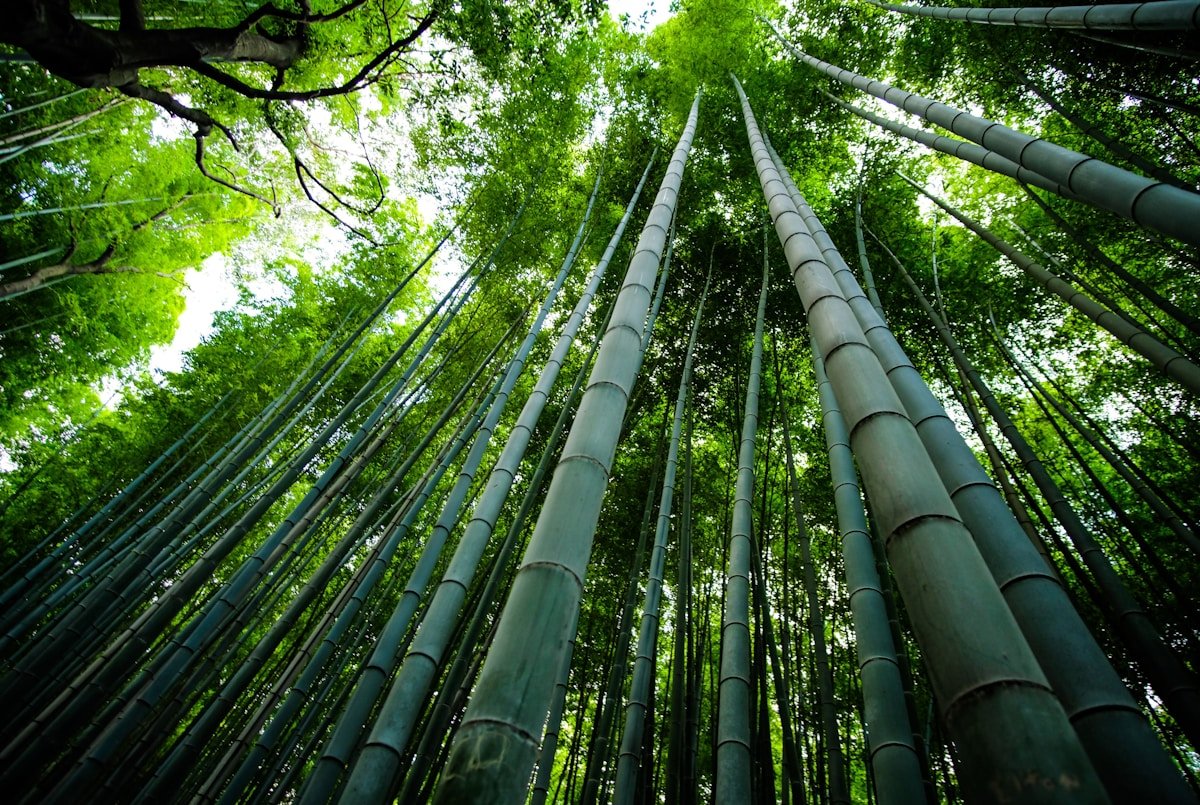
Kyoto requires at least three full days. The city is divided into areas: the eastern Higashiyama district for temples (Kiyomizudera, Kodaiji, Gion geisha quarter); Arashiyama in the west for the bamboo grove and Tenryu-ji; Fushimi in the south for the famous Fushimi Inari shrine with its thousands of orange torii gates. The city’s central area has the Imperial Palace and Nijo Castle.
A few things to know: Kyoto gets extremely crowded at peak periods (late March/early April for cherry blossoms, mid-November for autumn foliage). The Fushimi Inari trail becomes less crowded the higher you climb - most visitors turn back after the first 20 minutes, but the upper sections of the mountain are quiet and the view from the top is better. Kinkaku-ji (the golden pavilion) is one of the most crowded sites in Japan; arrive early or visit late afternoon.
Bus day passes (¥700/$4.60) cover most tourist areas, but taxis and subway are often faster. Budget ¥4,000–7,000 ($27–46) per day for food and entry fees, depending on how many paid temples you visit.
Osaka
Osaka runs on food. The city has a specific culture around eating - osakans are more direct than Kyoto residents, the food is heavier and more generous, and the entertainment district around Dotonbori is unsubtle but genuinely fun. Takoyaki (octopus balls, ¥500/$3.30 for eight) and okonomiyaki (savoury pancakes) originated here. Kushikatsu (deep-fried skewers) is the go-to standing-bar food.
Osaka Castle park (free outer area, ¥600/$4 for the castle keep museum) is worth a morning. Shinsaibashi shopping arcade and the surrounding streets are among Japan’s best for retail. Namba and Dotonbori handle evening entertainment and late-night eating.
Osaka is cheaper to stay in than Kyoto and has better transport connections. Most visitors use it as a base and day-trip to Kyoto and Nara. The Osaka Ikoma Kintetsu Pass (around ¥1,500/$10) covers unlimited subway travel within Osaka for one day.
Nara
Nara’s deer are genuinely wild, not domesticated - they wander freely around Nara Park and bow their heads to request the senbei crackers sold at park stalls (¥200/$1.30 per pack). Around 1,200 deer live in the park.
Todaiji temple holds the world’s largest bronze Buddha, a 15-metre figure cast in 752 CE and still in its original hall (the world’s largest wooden building, itself rebuilt at two-thirds of its original size). Entry ¥600 ($4). The approach road from Kintetsu Nara station takes about 20 minutes on foot through the park.
Nara is a 45-minute day trip from Kyoto (JR Nara Line, ¥720/$4.80; JR Pass valid) or 40 minutes from Osaka (Kintetsu Limited Express, ¥1,110/$7.35). Most people do it in a half-day and return to Kyoto or Osaka for the evening.
Kobe
Kobe is a port city, compact and easy to navigate. It sits between the mountains and Osaka Bay. The city’s Kitano district has Western-style houses built by 19th-century foreign residents. The Meriken Park waterfront has good views across the harbour.
Kobe beef - Wagyu raised in Hyogo Prefecture, of which Kobe is the capital - is expensive but real. A certified Kobe beef steak at a mid-range restaurant costs ¥10,000–20,000 ($67–133). Many cheaper “Kobe-style” beef restaurants exist; check whether the menu specifies certified Kobe (there is a certification mark).
From Osaka: 30 minutes on the Hanshin or JR Kobe Line (¥410/$2.70). A half-day is usually sufficient unless you want to eat well or climb Mount Rokko.
Himeji Castle
Himeji Castle is Japan’s finest surviving original castle. It was built in its current form in 1609, survived both the Meiji era (when most castles were demolished) and the Second World War bombing that destroyed much of the surrounding city. The main keep and the maze of interconnected baileys are all intact. Entry ¥1,000 ($6.60). Allow 2–3 hours on site.
From Osaka: 50 minutes on the Shinkansen to Himeji (¥3,220/$21; JR Pass valid) or 1h15min on the JR Special Rapid (¥1,520/$10; JR Pass valid). Himeji is usually combined with Kobe as a single day trip from Osaka.
Wakayama and Koyasan
Wakayama Prefecture is Kansai’s southern edge and often overlooked. Mount Koya (Koyasan) is the most compelling reason to visit - a mountaintop temple complex founded in 816 CE by the monk Kukai, with over 100 temples, many offering overnight stays (shukubo). A night at a temple lodging costs approximately ¥12,000-20,000 ($80-133) per person including vegetarian dinner and breakfast (as of 2026). The cable car from Gokurakubashi to the summit takes 5 minutes. From Osaka, the journey takes around 2 hours via Nankai Railway (approximately ¥1,700/$11 one way).
Wakayama City itself has Wakayama Castle and access to the start of the Kumano Kodo pilgrimage trail - a network of ancient routes through the Kii Peninsula that UNESCO lists alongside the Santiago de Compostela as one of only two pilgrimage routes with World Heritage status.
Shiga Prefecture and Lake Biwa
Shiga sits directly east of Kyoto and contains Lake Biwa, Japan’s largest freshwater lake. Hikone Castle, one of only twelve original castles remaining in Japan, overlooks the lake’s eastern shore. Entry is ¥800 ($5.30) as of 2026. Otsu, the prefectural capital, is just 10 minutes by JR from Kyoto Station. In summer, Lake Biwa’s western shore has beaches and water sports; in autumn, the Enryaku-ji temple complex on Mount Hiei (accessible by cable car from either the Kyoto or Shiga side) offers forest walks through spectacular foliage.
Where to Base Yourself: Osaka vs Kyoto
This is the most common planning question for Kansai, and the answer depends on priorities.
Osaka is cheaper for accommodation - budget hotels around Namba or Shin-Osaka start from approximately ¥5,000-7,000 ($33-47) per night for a clean business hotel (as of 2026). Osaka has superior transport connections to the rest of Kansai and to Kansai International Airport. The food scene runs later at night, and the city has more energy after dark. Most backpackers and budget travellers base themselves here.
Kyoto is quieter, more walkable in its central and eastern districts, and eliminates commuting time if temples and shrines are your priority. Hotels are approximately 20-40% more expensive than equivalent properties in Osaka. Mid-range hotels in the Kawaramachi or Gion areas cost approximately ¥10,000-15,000 ($67-100) per night (as of 2026). Kyoto is the better base if you plan to spend three or more full days exploring its temples.
A practical compromise: split your stay. Two to three nights in Kyoto for the temple circuit, then move to Osaka for the remaining nights to cover Osaka itself plus day trips to Nara, Kobe, and Himeji. Search hotels in Kansai on Booking.com
Getting Around Kansai
Kansai’s rail network is dense and efficient. Three pass options cover most visitor needs:
JR Kansai Area Pass (1-4 days, approximately ¥2,400-7,000/$16-47 as of 2026) covers JR trains between the main cities and to Kansai International Airport. It does not cover the Shinkansen but does cover JR Special Rapid services, which are fast enough for most journeys.
JR Kansai Wide Area Pass (5 days, approximately ¥12,000/$80 as of 2026) extends coverage to include the Shinkansen between Shin-Osaka and Okayama (useful for Himeji) plus Kinosaki Onsen, Shirahama, and the Kii Peninsula. This pass pays for itself quickly if you plan day trips beyond the core Kansai cities.
Kansai Thru Pass (2 or 3 days, approximately ¥4,480-5,600/$30-37 as of 2026) covers non-JR private railways (Hankyu, Hanshin, Kintetsu, Nankai, Keihan) plus buses and subways. This is useful for routes not well served by JR, particularly the Nankai line to Koyasan and Kintetsu services to Nara.
Key journey times from Osaka:
- Kyoto: 15 minutes (JR Shinkansen) / 28 minutes (JR Special Rapid, ¥560/$3.70, JR Pass valid)
- Nara: 40 minutes (Kintetsu, ¥1,110/$7.35) or 50 minutes (JR, ¥720/$4.80, JR Pass valid)
- Kobe: 30 minutes (JR Kobe Line, ¥410/$2.70, JR Pass valid)
- Himeji: 50 minutes (Shinkansen, JR Pass valid) / 1h15min (JR Special Rapid, JR Pass valid)
- Koyasan: 2 hours (Nankai Railway + cable car, approximately ¥1,700/$11)
How Long to Spend in Kansai
Five to seven days is the minimum for the core Kansai experience: two to three days in Kyoto, one full day in Osaka, a half-day in Nara, and day trips to Kobe and Himeji. Adding Koyasan (overnight) and Wakayama pushes the total to eight to ten days. If time is limited, Kyoto and Osaka alone justify four days.
Getting to Kansai
By air: Kansai International Airport (KIX) receives direct flights from across Asia, Europe, the Middle East, and select North American cities. The Haruka Express runs from KIX to Shin-Osaka (50 minutes, approximately ¥1,800/$12 with ICOCA discount) and Kyoto (75 minutes, approximately ¥2,900/$19 with discount).
From Tokyo: The Tokaido Shinkansen connects Tokyo and Shin-Osaka in 2 hours 20 minutes (Nozomi, approximately ¥13,870/$92) or 2 hours 35 minutes (Hikari, covered by JR Pass). From Shin-Osaka, Kyoto is 15 minutes further by Shinkansen or 28 minutes by JR Special Rapid.
Best Season
Spring cherry blossoms (late March to early April) are spectacular but extremely crowded - accommodation books out 2-3 months ahead. Kyoto’s Philosopher’s Path, Maruyama Park, and the Keage Incline are among the most popular hanami spots. Autumn foliage (mid-November) is equally beautiful and slightly less chaotic; Tofuku-ji and Eikando in Kyoto are standout locations. Summer (July-August) is genuinely hot and very humid; this is Kyoto’s least comfortable season, though it coincides with the Gion Matsuri festival in July. Winter is cold but clear, and temples like Kinkaku-ji dusted with snow are among the most photographed scenes in Japan.
Plan your Kansai visit: Tours and activities across Kansai cover the region’s top experiences. Flights to Japan - compare early, especially for travel to regional airports outside Tokyo. Travel insurance for Japan and an Airalo eSIM are worth sorting before you fly.
City Guides for Kansai
Detailed city guides: Kyoto · Osaka · Nara · Kobe
Related guides: Japan Golden Route · Kansai and Kyushu itinerary · Osaka vs Kyoto · Kyoto vs Kanazawa
See also: Kyoto travel guide · Osaka travel guide · Nara travel guide · Kobe travel guide · Best tours in Kyoto · Tea ceremony Kyoto · Kyoto food tours