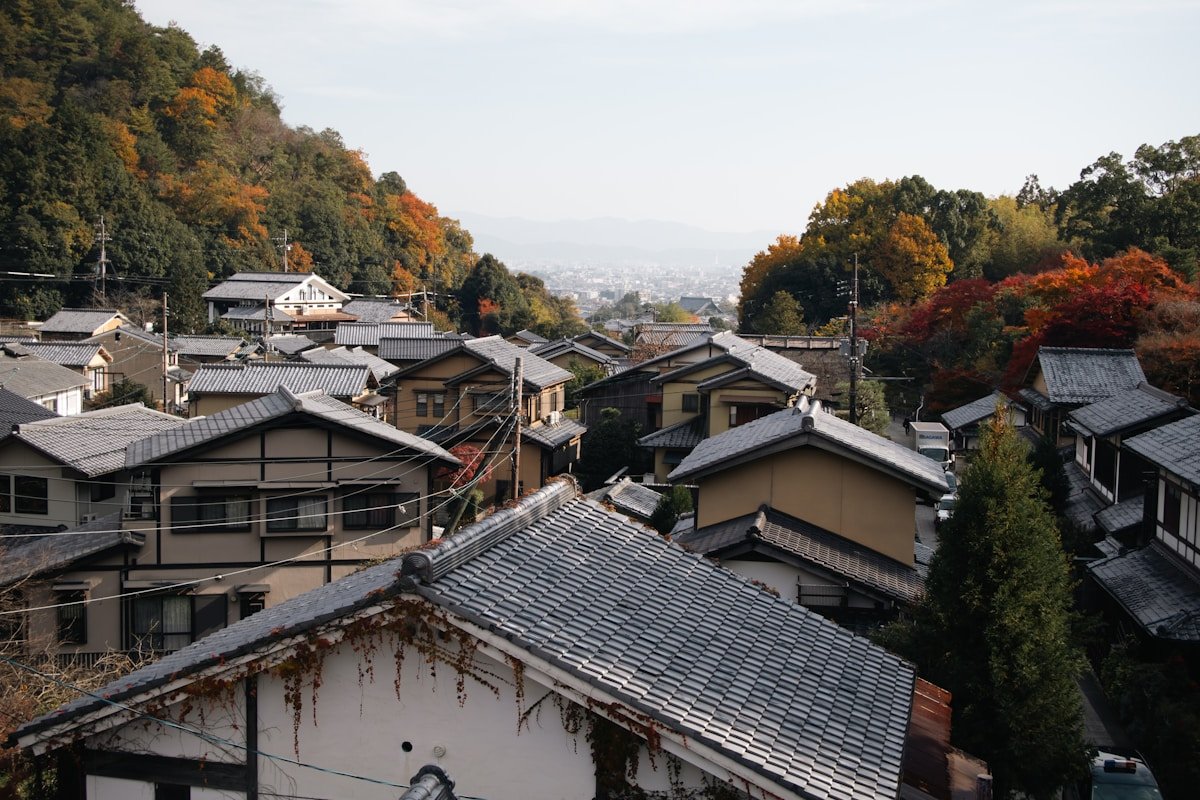
Chubu runs across the centre of Honshu from the Pacific coast to the Sea of Japan, and its interior is defined by the Japanese Alps - three mountain ranges whose peaks exceed 3,000 metres. The region contains some of Japan’s most compelling travel territory: feudal merchant towns whose Edo-period streetscapes survived intact, UNESCO-listed villages of thatched farmhouses, a valley that bans private cars and is only accessible on foot, and a 1,400-year-old temple that draws more visitors than almost anywhere in Japan.
The transport hub for the region is Nagoya (covered separately), with access from Tokyo via Nagano (1h22min by Shinkansen), Matsumoto (2h30min by Limited Express from Shinjuku), and Toyama (2h10min by Shinkansen, opened 2015).
Nagano
Nagano city is primarily known internationally as the 1998 Winter Olympics host, but its main attraction is older: Zenkoji temple, founded in the 7th century CE, holds what is claimed to be the first Buddhist statue brought to Japan, kept in total darkness and never shown to the public. The statue’s “copy” is displayed once every six years (next: 2033) and draws millions of pilgrims. The temple is open and free to enter at any time; the main hall has an underground passage leading to an “absolute darkness” corridor (¥500/$3.30) where visitors touch a key in the dark, symbolising contact with the hidden Buddha.
The temple approach (Omotesando) from the station is lined with lodgings (shukubo) where pilgrims and travellers stay for morning prayers, served dawn prayer services and temple cuisine.
From Tokyo: 1h22min Shinkansen (¥8,340/$55; JR Pass valid). Nagano is a good day trip or an overnight stop before continuing to Matsumoto or the Alps.
Matsumoto
Matsumoto Castle is one of Japan’s twelve surviving original castles and one of the most striking: it is black - officially called “Crow Castle” - with a six-storey keep reflected in the moat. Entry ¥700 ($4.60). The original wooden interiors are steep and cramped, which is authentic rather than comfortable; the top floor gives mountain views. The keep dates from around 1594.
Matsumoto city’s Nakamachi district has well-preserved kura (merchant storehouses) along a canal, now converted into cafés, craft shops, and sake bars. The wasabi farms of the Azumino valley, 30 minutes north by train, produce the highest-quality fresh wasabi in Japan - the real root, grated at the table, is nothing like the green paste most people know.
From Tokyo: 2h30min by JR Azusa Limited Express from Shinjuku (¥6,620/$44; JR Pass valid).
Shirakawa-go
Shirakawa-go is a UNESCO World Heritage village in a remote valley of the Shogawa River, famous for its gassho-zukuri farmhouses. The roofs are steeply pitched at 60 degrees - the angle sheds heavy mountain snow and creates loft space used for silk cultivation. The largest farmhouse (Wada House, ¥300/$2) has four liveable storeys.
The village is most photographed in winter when roofs are deep in snow and the houses are illuminated at night - winter light-up events are held on select nights in January and February, and the combination of snow, warm light, and dark mountains is exceptional. Autumn (October–November) has foliage against the thatched roofs. Summer is green and less crowded.
The village can be walked in 2 hours but deserves a full day or an overnight stay for a genuine sense of the settlement. A nearby observation point (10-minute walk above the village) gives the classic overhead view of the farmhouse cluster.
From Kanazawa: 1h15min by highway bus (¥1,900/$12.60). From Nagoya: 2h30min by highway bus (¥2,600/$17.30). No direct train; bus is the standard access.
Takayama
Takayama is a former castle town that developed as a merchant centre in the Edo period, and its Sanmachi Suji district has an unusually intact streetscape of dark-wood merchants’ houses, sake breweries, miso producers, and craft shops. Two morning markets (Jinya-mae Ichiba and Miyagawa Asaichi) run from 7am to noon daily, selling local produce, pickles, and crafts.
The Hida Folk Village (Hida no Sato, ¥700/$4.60) is an open-air museum of relocated historic farmhouses, a short bus ride or 40-minute walk from the station. The Takayama Jinya (¥440/$2.90) is the only surviving Edo-period government building outside of Tokyo and gives a serious impression of how regional administration worked.
Sake: Takayama has several small breweries on Sanmachi Suji, identifiable by the sugi ball (cedar ball) hanging above their doors. Free tasting is standard; the local style is lighter and more delicate than the Niigata or Nada styles.
From Nagoya: 2h25min by JR Hida Limited Express (¥6,140/$41; JR Pass valid). From Toyama: 1h20min by JR Hida Limited Express (¥2,860/$19; JR Pass valid).
Kamikochi
Kamikochi is a highland valley at 1,500 metres altitude, flanked by the Hotaka mountain range (peaks 3,000–3,190 metres). Private cars and motorcycles are banned from the valley road - access is by bus or taxi from the Sawando parking area. The result is a mountain landscape with almost no vehicular intrusion.
The main walk runs from Kappa-bashi bridge along the Azusa River to Myojin Pond: about 4km each way through forest and meadow, with the Hotaka massif visible above. The valley is crossed by bear warning signs - brown bears are present but rarely encountered on the main trail.
Kamikochi is open from late April to mid-November. Snow conditions determine the exact opening and closing dates each year; the valley is sealed for winter. July and August are the busiest months. October has the best foliage.
From Matsumoto: 50min by JR train to Shin-Shimashima, then 30min bus to Kamikochi (total around ¥2,680/$18 one way; JR Pass covers the train section). Day buses from Matsumoto and Takayama also run directly in season.
Getting Around Chubu
The JR Pass covers all Limited Express trains in the region. The Shinkansen from Tokyo reaches Nagano (1h22min) and Toyama (2h10min). Highway buses fill the gaps to Shirakawa-go (no train), Kamikochi (bus connection from Matsumoto station), and cross-region routes.
Key journey times:
- Tokyo → Nagano: 1h22min Shinkansen (JR Pass valid)
- Tokyo → Matsumoto: 2h30min Limited Express from Shinjuku (JR Pass valid)
- Nagoya → Takayama: 2h25min Limited Express (JR Pass valid)
- Kanazawa → Shirakawa-go: 1h15min bus (bus not JR Pass)
- Matsumoto → Kamikochi: 1h20min train + bus (JR train covered, bus not) Search hotels in Chubu Japan on Booking.com
Best Season
Spring (late April to May): Cherry blossoms arrive late at altitude - Matsumoto castle moat peaks around late April. Kamikochi opens from late April. Shirakawa-go is green and crowd levels are moderate.
Summer (July–August): Hot in the lowlands but Kamikochi and the Alps stay cool. The highest demand period for Kamikochi and Shirakawa-go accommodation.
Autumn (October–November): The best season overall. Foliage starts in the mountain villages in late October and spreads down to the lowlands through November. Shirakawa-go is particularly compelling.
Winter (December–March): Shirakawa-go’s snow illumination events and deep-winter landscapes. Nozawa Onsen and other ski areas become active. Cold, with significant snowfall in the valley areas.
Plan your Chubu visit: Tours and activities across Chubu cover the region’s top experiences. Flights to Japan - compare early, especially for travel to regional airports outside Tokyo. Travel insurance for Japan and an Airalo eSIM are worth sorting before you fly.
City Guides for Chubu
Detailed city guides: Takayama · Kanazawa · Nagano · Nagoya · Kawaguchiko
Related guides: Kyoto vs Kanazawa · Snow monkeys at Jigokudani · Onsen guide Japan · Three weeks in Japan itinerary · Japan Rail Pass guide
See also: Takayama travel guide · Kanazawa travel guide · Nagano travel guide · Nagoya travel guide · Kawaguchiko travel guide · Japan in February · Japan in March · Nagoya long-stay guide