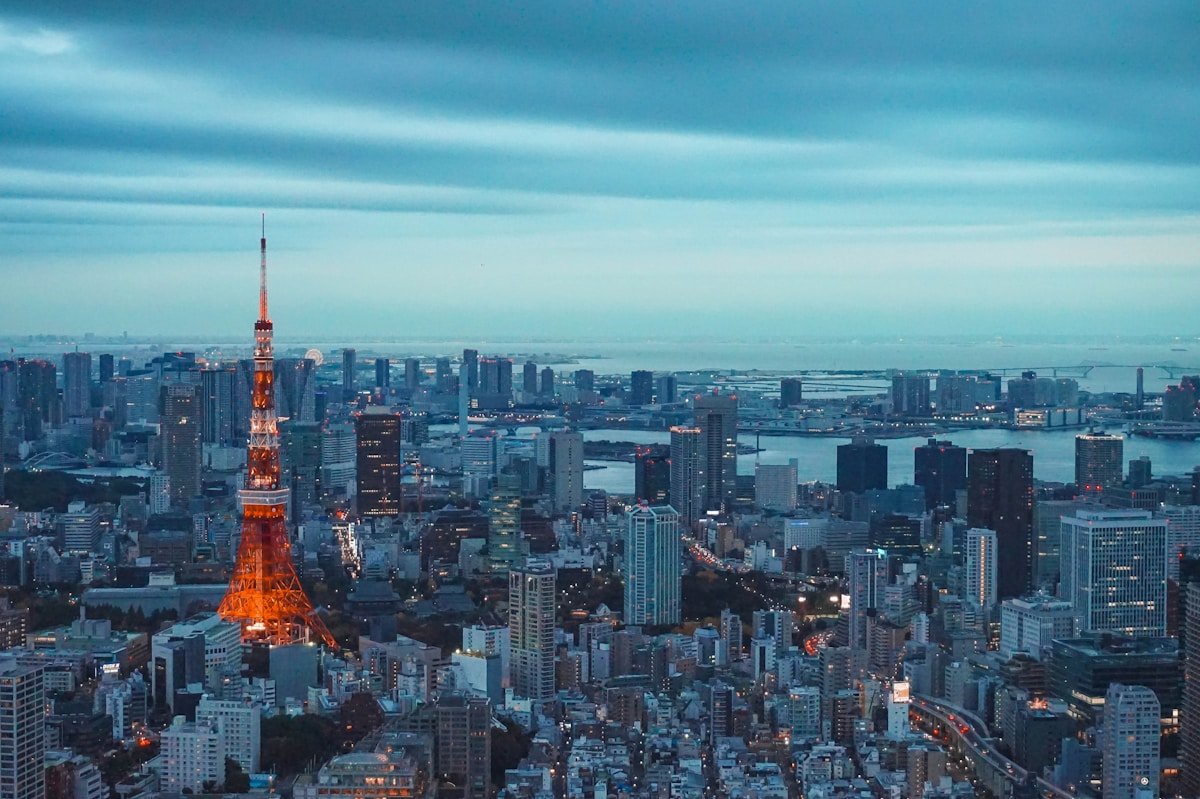
Tokyo and Kyoto are Japan’s two essential cities - and they couldn’t be more different. Tokyo is a hyper-modern megalopolis of 37 million people, a city that invented the future. Kyoto is ancient Japan preserved in amber: 17 UNESCO World Heritage Sites, 1,600 temples, and streets where geiko (geisha) still walk to appointments. Both are extraordinary. Choosing how to split your time is the most common dilemma for first-time visitors to Japan.
Quick Verdict
| Category | Tokyo Wins | Kyoto Wins |
|---|---|---|
| Modern culture and technology | Yes | - |
| Traditional Japan | - | Yes |
| Food variety | Yes | - |
| Fine dining and kaiseki | - | Yes |
| Nightlife | Yes | - |
| Temples and shrines | - | Yes |
| Shopping | Yes | - |
| Gardens and nature | - | Yes |
| Transport hub | Yes | - |
| First-time visitors | Yes (start here) | - |
Tokyo wins for energy, variety, and modernity. Kyoto wins for cultural depth, traditional architecture, and the most concentrated collection of historic sites in Japan.
When to Visit Each City
Both cities follow Japan’s seasonal rhythm, though the experience differs dramatically.
Spring (late March to early May) is peak season in both cities. Tokyo’s cherry blossom spots - Ueno Park, Shinjuku Gyoen, Meguro River - attract millions. Kyoto’s philosopher’s path, Maruyama Park, and Kiyomizu-dera temple surrounds are equally stunning but significantly more crowded. Book accommodation 3–4 months in advance for late March and early April in either city.
Autumn (October to November) is arguably Kyoto’s best season. Red maple (momiji) foliage transforms temple gardens into something impossibly beautiful. Eikan-do, Tofuku-ji, and Arashiyama are particularly spectacular in mid-November. Tokyo in autumn is excellent but less dramatic - the city’s concrete limits the foliage effect compared to Kyoto’s temple gardens.
Summer (July–August) brings intense humidity to both cities. Tokyo’s electric atmosphere survives the heat better - air-conditioned shopping complexes, underground restaurant networks, and late-night culture make summer workable. Kyoto in August is genuinely hot, though the Gion Matsuri festival (July) is one of Japan’s most celebrated events.
Winter is underrated in both cities. Kyoto’s temples dusted with snow are breathtaking, and visitor numbers are lower. Tokyo’s winter is mild by northern standards and buzzing with Christmas and New Year events.
See our guide to the best time to visit Japan for seasonal detail across all regions.
Cost Comparison
| Expense | Tokyo | Kyoto |
|---|---|---|
| Hostel dorm | ¥3,000–6,000 | ¥3,500–6,500 |
| Budget hotel (private) | ¥9,000–14,000 | ¥10,000–16,000 |
| Mid-range hotel | ¥18,000–35,000 | ¥20,000–40,000 |
| Ryokan with dinner | ¥25,000–60,000+ | ¥30,000–80,000+ |
| Ramen lunch | ¥900–1,400 | ¥1,000–1,500 |
| Sit-down dinner | ¥1,800–4,000 | ¥2,000–6,000 |
| Temple entry | ¥500–1,000 | ¥500–1,000 |
| Daily budget (mid-range) | ¥12,000–20,000 | ¥14,000–22,000 |
Kyoto is fractionally more expensive for mid-range and upmarket experiences, largely because traditional accommodation and dining carry a premium. Budget travel costs are roughly equivalent.
Highlights and Top Experiences
Tokyo
Tokyo is overwhelming in the best sense. Shibuya Crossing is a genuine spectacle - 2,500 people crossing simultaneously at peak times. The Tsukiji outer market (not the inner market, which relocated) opens at 5am for the freshest tuna and sea urchin breakfast you’ll ever have. Akihabara is a six-floor carnival of electronics, anime merchandise, and gaming culture. Shinjuku’s Golden Gai - a warren of bars so small that six people fill the room - stays open until 4am.
For culture: the Mori Art Museum in Roppongi Hills (entry approximately ¥2,000 as of 2026, open until 10pm most evenings) is world-class. The teamLab Borderless digital art complex in Odaiba is unlike anything else in the world (tickets approximately ¥3,800, must be booked in advance). The Tokyo National Museum in Ueno holds Japan’s largest collection of art - entry approximately ¥1,000.
Day trips from Tokyo: Hakone for Mount Fuji views and onsen (1.5 hours by Romancecar limited express), Kamakura for the Great Buddha (1 hour by JR Yokosuka line), and Nikko for elaborate Edo-era shrines (2 hours by Tobu Railway limited express).
Kyoto
Kyoto has more UNESCO World Heritage Sites than most entire countries. The priority list for a 3-day visit: Fushimi Inari Taisha (the mountain trail of 10,000 orange torii gates - start before 7am to avoid crowds, entry free), Kinkaku-ji (Golden Pavilion, entry ¥500), Arashiyama bamboo grove (early morning, free), Gion district (best walked in the evening for geiko sightings), and Nishiki Market (narrow covered market with 130 vendors, free to explore).
For deeper immersion: Philosopher’s Path (2km canal-side walk lined with 500 cherry trees, free) is best in early April. Ryoan-ji’s rock garden (entry ¥600) is among the most-visited Zen gardens in Japan. The Fushimi Sake District south of Inari makes a worthwhile afternoon - sake breweries offer tastings from approximately ¥500.
Day trips from Kyoto: Nara for the free-roaming deer and Todai-ji temple (45 minutes by Kintetsu express), Osaka for food culture and nightlife (15 minutes by shinkansen or 30 minutes by Hankyu limited express), and Arashiyama’s bamboo forest makes an excellent half-day from central Kyoto.
Food and Drink
Tokyo has the world’s highest concentration of Michelin-starred restaurants. The everyday food culture is equally extraordinary: standing ramen bars, conveyor-belt sushi chains that punch well above their price point, and basement food halls (depachika) in every major department store. Tsukiji outer market remains the best breakfast in Japan - maguro-don (tuna rice bowl) from approximately ¥1,500. Tokyo’s ramen scene - particularly tonkotsu, tsukemen (dipping ramen), and mazesoba - is the deepest of any Japanese city. Our Tokyo food guide covers the essential stops.
Kyoto’s food identity is kaiseki (multi-course, seasonal Japanese haute cuisine) and kyo-ryori (Kyoto-style cuisine). The city’s Buddhist temple tradition created shojin-ryori (vegetarian Buddhist cuisine) - available at Tenryu-ji and several temple restaurants for approximately ¥3,000–5,000. Nishiki Market is the best casual food stop in Kyoto: pickled vegetables, tofu doughnuts, grilled skewers, and matcha soft serve, all from stalls charging ¥300–600 per item. Our Kyoto food guide covers the must-eats.
Accommodation
Tokyo offers every category: capsule hotels from ¥3,500 (Nine Hours Shinjuku-North is excellent for solo travellers), boutique hotels from ¥15,000 (Trunk Hotel in Shibuya is design-led), and established international brands (Park Hyatt Shinjuku from approximately ¥70,000, famous from Lost in Translation). The Shinjuku and Shibuya areas put you near transport hubs; Asakusa is better for atmosphere.
Kyoto’s standout accommodation is the ryokan. A mid-range ryokan stay - traditional rooms with futon beds, a communal onsen, and an included kaiseki dinner - runs approximately ¥25,000–45,000 per person per night. Tawaraya Ryokan in central Kyoto is among Japan’s most revered but requires advance booking and starts from approximately ¥80,000 per night for two. More accessible: Mitsui Garden Hotel Kyoto Sanjo is modern, well-located, and runs approximately ¥18,000–28,000 per room per night. Hostels like Piece Hostel Kyoto run from ¥3,000 per dorm bed.
Getting Between the Cities
The shinkansen between Tokyo and Kyoto takes approximately 2 hours 15 minutes on the Nozomi (¥13,850 one way as of 2026) or 2 hours 40 minutes on the slower Hikari. If you have a Japan Rail Pass, the Hikari is covered; the Nozomi is not. Night buses are available from approximately ¥4,000 one way - an option for budget travellers who don’t mind an overnight journey.
Within each city: Tokyo’s metro system is comprehensive but complex (Suica card works on all lines). Kyoto’s city buses cover most tourist sites (one-day bus pass approximately ¥700); the subway covers major arteries but leaves some temple districts unreached. Cycling is excellent in Kyoto - flat terrain, dedicated lanes, rental from approximately ¥1,000 per day.
Ready to book? Compare flights to Japan - prices and routes vary significantly depending on your departure city. Tours for each side: Tokyo tours and activities and Kyoto tours and activities. Travel insurance for Japan is worth arranging before you commit to bookings.
The Honest Comparison
Tokyo is the city that will shock you with its energy and scale. Kyoto is the city that will stop you mid-stride and make you grateful you came to Japan at all.
Most visitors to Japan should see both. If forced to choose: Tokyo for first-timers who want maximum variety and don’t know what Japanese travel is yet. Kyoto for repeat visitors, those with a specific interest in Japanese history and aesthetics, or anyone who finds big cities exhausting.
The ideal Japan trip includes both - the Japan Golden Route remains the most satisfying introduction to the country for a reason.
See also: Tokyo travel guide · Kyoto travel guide · Osaka travel guide · Tokyo vs Osaka · Osaka vs Kyoto · Japan Rail Pass guide · Kansai region guide
Plan Your Trip
- Flights - Find the best fares to Japan
- Hotels - Hotels in Tokyo · Hotels in Kyoto
- Travel Insurance - Get covered before you go
- eSIM - Stay connected from landing
- Car Rental - Compare prices across providers
- Tours and activities - Tokyo experiences · Kyoto experiences · All Japan tours