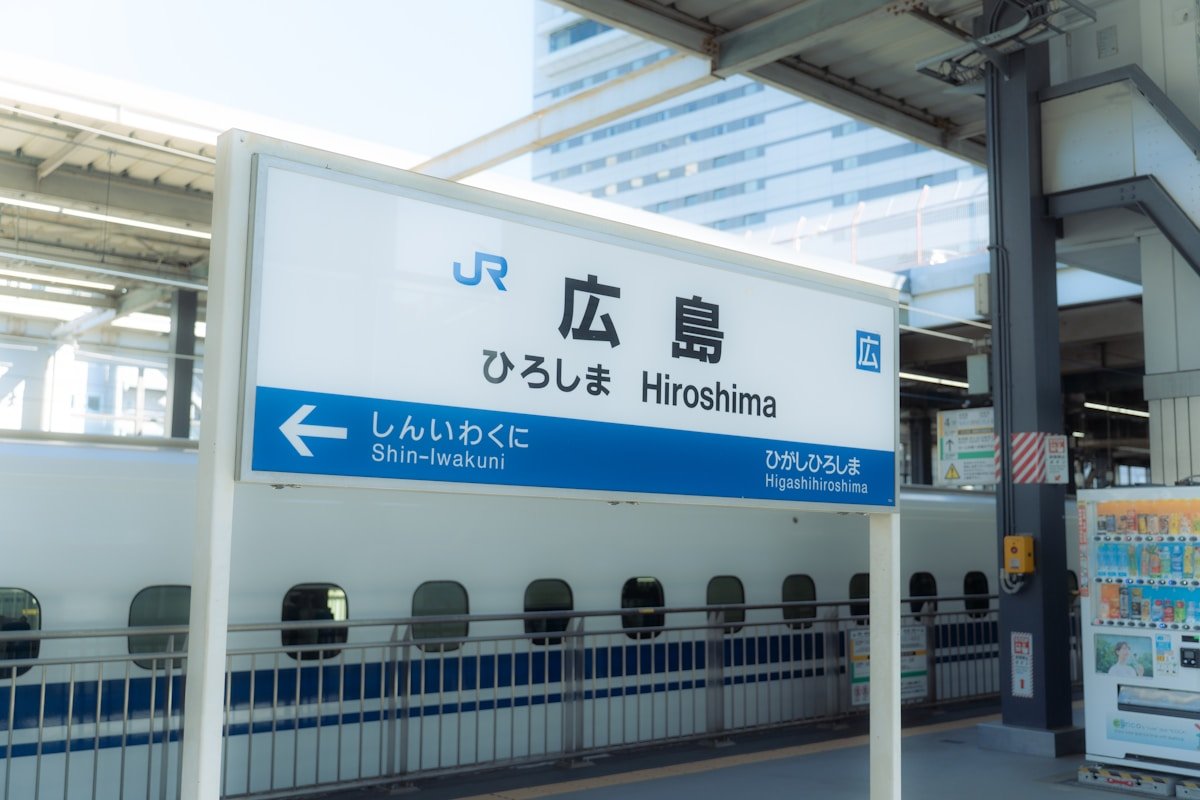
The Japan Rail Pass is a fixed-price unlimited-travel ticket covering JR (Japan Railways) trains across the country, including most Shinkansen bullet trains. It is only available to foreign visitors on a tourist visa - not to Japanese residents or long-term visa holders. Since 2023, prices rose by approximately 70 percent, making the pass-vs-individual-tickets calculation considerably less clear-cut than it once was.
This guide works through exactly when the pass saves money and when it does not.
What the JR Pass Covers
The JR Pass allows unlimited travel on:
- All JR group railways across Japan (the national network)
- Most Shinkansen bullet trains - specifically the Hikari, Sakura, Kodama, and Hayabusa services
- JR buses on certain routes (including some Kyoto city buses)
- Tokyo Monorail from Haneda Airport
- JR Miyajima Ferry to Miyajima Island
The pass does not cover:
- Nozomi and Mizuho Shinkansen (the fastest services on the Tokaido and Sanyo lines)
- Most private railway lines (Kintetsu in Nara, Nankai to Kansai Airport, Hankyu and Hanshin in Osaka/Kyoto/Kobe)
- Tokyo Metro and Toei subway lines
- Most city buses outside the JR network
Seat reservations: Shinkansen and limited express seats can be reserved free of charge with a JR Pass. On Shinkansen, unreserved cars exist but can be crowded during holidays. On sleeper trains (where still operating), reservation supplements apply.
Hokuriku Shinkansen (Tokyo–Kanazawa–Tsuruga): Now covered by the JR Pass following the March 2024 extension to Tsuruga.
JR Pass Prices (2026)
| Pass Type | 7 Days | 14 Days | 21 Days |
|---|---|---|---|
| Ordinary | ¥50,000 | ¥80,000 | ¥100,000 |
| Green (first class) | ¥70,000 | ¥113,000 | ¥143,000 |
All prices are approximate as of 2026. These reflect the October 2023 price rise, which increased ordinary-class fares by approximately 70 percent. A further agency price revision took effect in October 2026 - verify current prices before purchasing.
Green car carriages have wider, more comfortable seats - comparable to business class on a short-haul flight. For journeys over 3 hours, the upgrade is pleasant. For shorter journeys, ordinary class is comfortable enough.
Children (6–11 years) pay approximately half the adult price. Children under 6 travel free.
Prices are the same across authorised sellers - you can buy the JR Pass online through Klook and have the exchange order delivered before you fly.
Break-Even Maths for 2026
The 7-day pass costs ¥50,000. Using current 2026 fares on the most-travelled routes:
| Route | Approx. fare (reserved, ordinary) |
|---|---|
| Tokyo → Kyoto (Hikari) | ¥14,170 |
| Kyoto → Osaka (JR Rapid) | ¥580 |
| Osaka → Tokyo (Hikari) | ¥14,720 |
| Tokyo–Kyoto–Osaka round trip total | ~¥29,470 |
| Tokyo → Hakata (Fukuoka) one-way | ¥23,190 |
| Tokyo → Kanazawa (Hokuriku Shinkansen) | ¥14,380 |
| Osaka → Hiroshima (Hikari) one-way | ¥5,610 |
The Tokyo–Kyoto–Osaka return circuit totals approximately ¥29,470 - a ¥20,530 gap from the 7-day pass break-even. Filling that gap within 7 days requires adding a Hiroshima day trip (¥11,220 return from Osaka), a Kanazawa overnight (¥7,260 from Kyoto), or equivalent mileage. Without those additions, individual tickets win clearly.
The pass breaks even quickly when: you add a Fukuoka leg. Tokyo → Hakata return (approximately ¥46,380) almost covers the pass alone. Add any limited express travel within Kyushu and the pass is ahead on day one.
For the full calculation and the golden route specifically, see our golden route without JR Pass guide.
When the JR Pass IS Worth It
The pass pays for itself when your Shinkansen route total exceeds the pass cost. Calculate using the standard fare for each journey you intend to make, then compare.
Example 1 - Two-week loop:
- Tokyo → Kyoto: ¥14,170 (Hikari)
- Kyoto → Hiroshima: ¥5,610
- Hiroshima → Osaka: ¥3,740
- Osaka → Kanazawa: approximately ¥7,260 (via Tsuruga)
- Kanazawa → Tokyo: ¥14,120
- Total if bought individually: ¥44,900
This route alone almost reaches the 7-day pass cost of ¥50,000 - adding any limited express journeys within this loop (Osaka to Hiroshima detours, Nara day trips via JR) pushes the total above the pass cost.
Example 2 - Kyushu circuit with Tokyo base:
- Tokyo → Hakata (Fukuoka): ¥23,190 each way
- Round trip alone: ¥46,380
- A 7-day pass at ¥50,000 covers this plus all regional JR travel in Kyushu.
Example 3 - Hokkaido extension:
- Tokyo → Hakodate (Hokkaido Shinkansen): ¥23,190
- Hakodate → Sapporo (limited express): ¥9,340
- Round trip total including internal Hokkaido travel easily exceeds ¥50,000.
The pass is likely worth it if:
- Your trip is 10 days or longer and covers multiple regions
- You are going to Kyushu, Hokkaido, or Okinawa (flights to Okinawa not covered, but Kyushu and Hokkaido are connected by Shinkansen or included railway)
- You plan multiple Shinkansen journeys of over 400 kilometres
When the JR Pass is NOT Worth It
Short trip to Osaka and Kyoto from Tokyo:
- Tokyo → Kyoto round trip by Hikari: ¥14,170 x 2 = ¥28,340
- Plus some JR travel in Kansai: total approximately ¥35,000–¥40,000
- 7-day pass: ¥50,000
The pass does not break even on this route. Buy individual tickets instead.
Staying in one city: If you are spending most of your trip in Tokyo or Osaka, the vast majority of your transport will be on private railway or metro lines not covered by the JR Pass. Buy an IC card and top it up as needed.
Travel within a single region: Regional passes (covered below) almost always offer better value for trips concentrated in one area.
How to Buy a JR Pass
Outside Japan: Purchase from authorised overseas agents - Klook sells the 7, 14, and 21-day passes online - or directly from the JR Pass official website. You will receive an Exchange Order (a voucher) which must be exchanged at a JR Pass Exchange Office in Japan. Note that overseas agents typically require ordering at least 14 days before your travel date to allow voucher delivery. Some recent changes have allowed full activation online, but the exchange-in-Japan system is still standard.
Inside Japan: JR Pass Exchange Offices are located at major airports (Narita, Haneda, Kansai, Chubu Centrair) and major JR stations (Tokyo, Shinjuku, Osaka, Kyoto, Hiroshima). You must show your passport with a valid short-stay stamp. The price is slightly higher when purchased inside Japan.
Activation: When exchanging your voucher or purchasing in Japan, specify the start date for the pass - it does not have to be the day of purchase. You can buy it on arrival and start it two days later if, for example, you plan to spend your first days in Tokyo using metro passes.
Making Seat Reservations
Seat reservations for Shinkansen and limited express trains are included with the JR Pass at no extra charge, but must be made at a JR office or machine. The JR Seat Reservation app (English available) allows advance reservations without queuing at a ticket office.
For popular routes during peak periods (Golden Week, Obon, New Year), Shinkansen reserved cars sell out days in advance. Always reserve ahead on these dates rather than relying on unreserved cars.
IC Cards: The Alternative for City Travel
An IC card (Suica, Pasmo, or Icoca) is a rechargeable smart card loaded with yen that works on trains, buses, and convenience store purchases across Japan. Major IC cards have been interoperable since 2013 - a Suica purchased in Tokyo works in Osaka, Fukuoka, and Sapporo on compatible systems.
| Card | Issued By | Primary Area |
|---|---|---|
| Suica | JR East | Tokyo and East Japan |
| Pasmo | Tokyo Metro and others | Tokyo private railways |
| Icoca | JR West | Osaka and West Japan |
| Sugoca | JR Kyushu | Fukuoka and Kyushu |
Any of these work interchangeably at most locations. Buy whichever is sold at the first station you use. Minimum ¥500 deposit (refunded when you return the card); load ¥3,000–¥5,000 to start.
IC cards can now be issued as mobile versions on Apple Pay and Google Pay, which removes the ¥500 deposit requirement and makes the card instantly available without a trip to the machine.
Regional Passes
For trips concentrated in one region, regional passes typically offer better value than the national JR Pass. Prices below are approximate as of 2026:
| Pass | Duration | Approx. price | Best For |
|---|---|---|---|
| JR Kyushu Pass - All Kyushu | 3/5/7 days | ¥22,000/¥24,000/¥26,000 | Fukuoka, Nagasaki, Kagoshima circuit |
| JR Kyushu Pass - Northern Kyushu | 3/5 days | ¥15,000/¥17,000 | Fukuoka, Nagasaki, Beppu, Yufuin |
| Kansai Wide Area Pass | 5 days | ¥12,000 | Osaka, Kyoto, Hiroshima, Himeji, Kii Peninsula |
| Hokuriku Arch Pass | 7 days | ¥35,000 | Tokyo, Kanazawa, Kyoto, Osaka (via Hokuriku Shinkansen) |
| JR East Pass | 5/10 days | ¥35,000/¥50,000 | Tokyo, Tohoku, Nagano, Niigata (replaces Tohoku Pass from March 2026) |
Key 2026 changes: The JR East Tohoku Area Pass and JR East Nagano/Niigata Area Pass were discontinued on 13 March 2026, replaced by the single JR East Pass covering all those regions. The Hokuriku Arch Pass rose from ¥30,000 to ¥35,000 on the same date.
For a detailed comparison of all regional passes with itinerary-specific recommendations, see our Japan regional rail passes guide.
Calculating Your Route
The most reliable method: list every intercity journey you plan to make; look up the standard fare for each (Google Maps transit mode now shows yen fares, or use the JR fare calculator at jrpass.com); add them up. If the total exceeds the relevant pass cost by more than ¥5,000 (accounting for any private railway journeys you will need to pay separately), buy the pass before you leave home. If not, book individual Shinkansen tickets via Klook - search by route, pick your service, and reserve seats before you fly. Use an IC card for all city travel.
Plan Your Trip
- Trains & buses - Compare train & bus prices with Omio
- Flights - Find the best fares to Japan
- Hotels - Search hotels in Japan on Booking.com
- Travel Insurance - Get covered before you go
- eSIM - Stay connected from landing
- Car Rental - Compare prices across providers
- Tours and activities - Browse experiences on GetYourGuide
See also: Japan regional rail passes · Golden route without a JR Pass · Japan shinkansen guide · Getting around Japan · Flights to Japan · 1 week in Japan itinerary · Two weeks in Japan