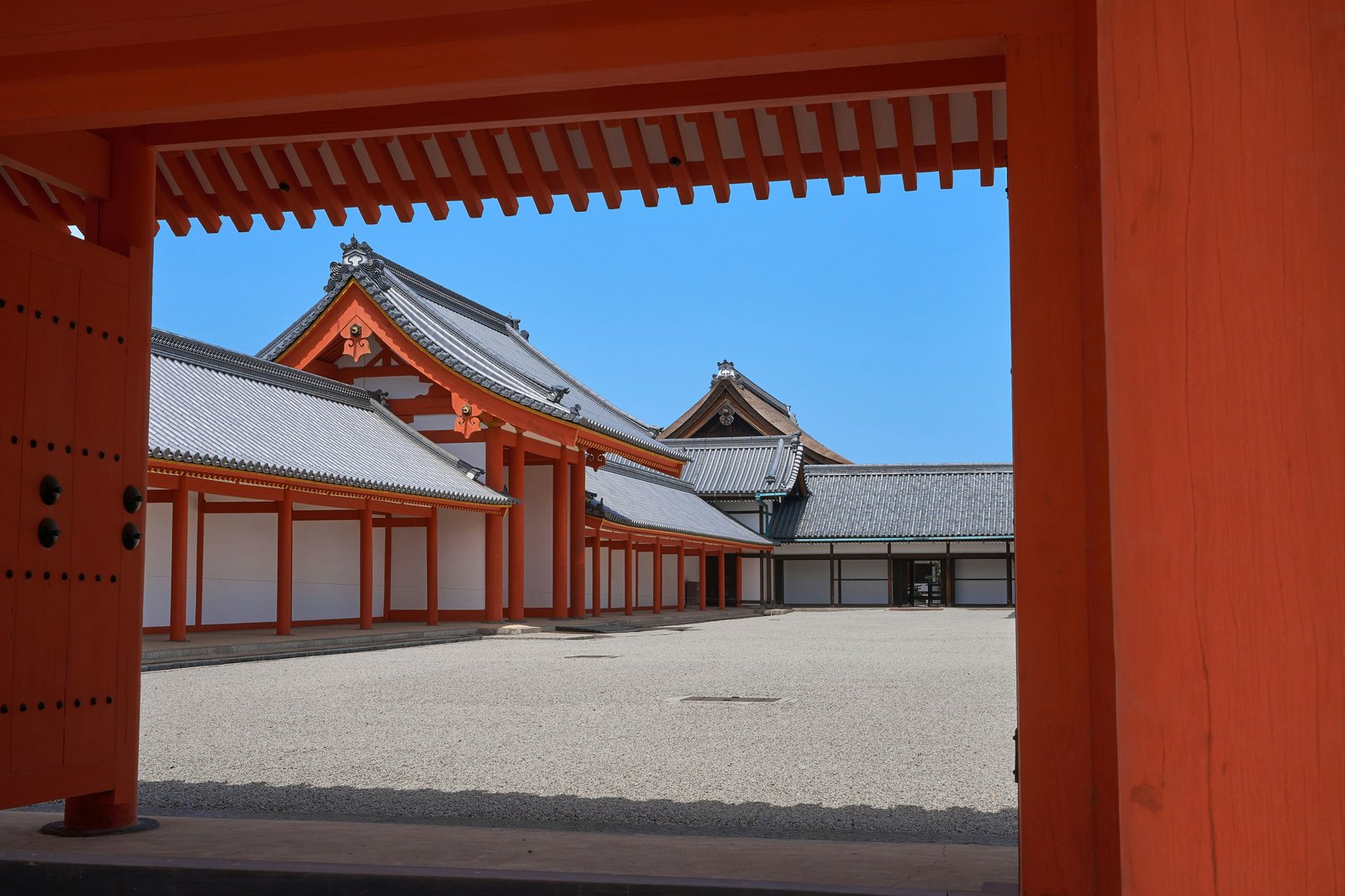
Kyoto Travel Guide: Temples, Geisha Districts, and Tradition
Plan your Kyoto trip with our complete guide covering temples, geisha districts, food, transport, and the best times to visit.
Guides for Kyoto
Kyoto served as Japan’s imperial capital for over a thousand years, and the city has retained more of that layered history than anywhere else in the country. With a population of around 1.5 million, it sits in a basin surrounded by forested mountains, and the landscape of low rooftops, stone lanterns, and cedar-lined shrine approaches still feels coherent in a way that Tokyo or Osaka no longer does. Seventeen UNESCO World Heritage Sites are scattered across the city - more than any other Japanese city - and the sheer density of significant temples, shrines, traditional neighbourhoods, and cultural institutions makes Kyoto the most rewarding Japanese city to spend time in slowly.
A City Built on Layers
The city’s history begins properly in 794 CE, when Emperor Kanmu moved the imperial seat from Nara to what was then called Heian-kyo - the Capital of Peace and Tranquillity. It remained the centre of Japanese court culture, art, and religion for over a millennium. The Meiji Restoration in 1868 transferred political power to Tokyo, but Kyoto retained its cultural authority. During World War II, the city was deliberately excluded from the atomic bombing target list - a decision that preserved not just lives but an irreplaceable architectural and cultural inheritance.
The result is a city where a 12th-century temple garden sits a ten-minute cycle from an excellent ramen shop, where geisha still walk to appointments in the early evening, and where the seasonal rhythms of cherry blossom and autumn colour are treated as serious civic events rather than tourist novelties.
Key Neighbourhoods
Gion is Kyoto’s most famous district, a preserved machiya townhouse neighbourhood east of the Kamo River. The main street, Hanamikoji-dori, is lined with ochaya teahouses where geiko (Kyoto’s term for geisha) and maiko (apprentice geisha) entertain clients. The best time to glimpse them is between 6pm and 8pm as they walk to appointments - but the area is heavily visited, and patience and quiet respect are essential. Photography rules have tightened in recent years; some streets now prohibit cameras entirely.
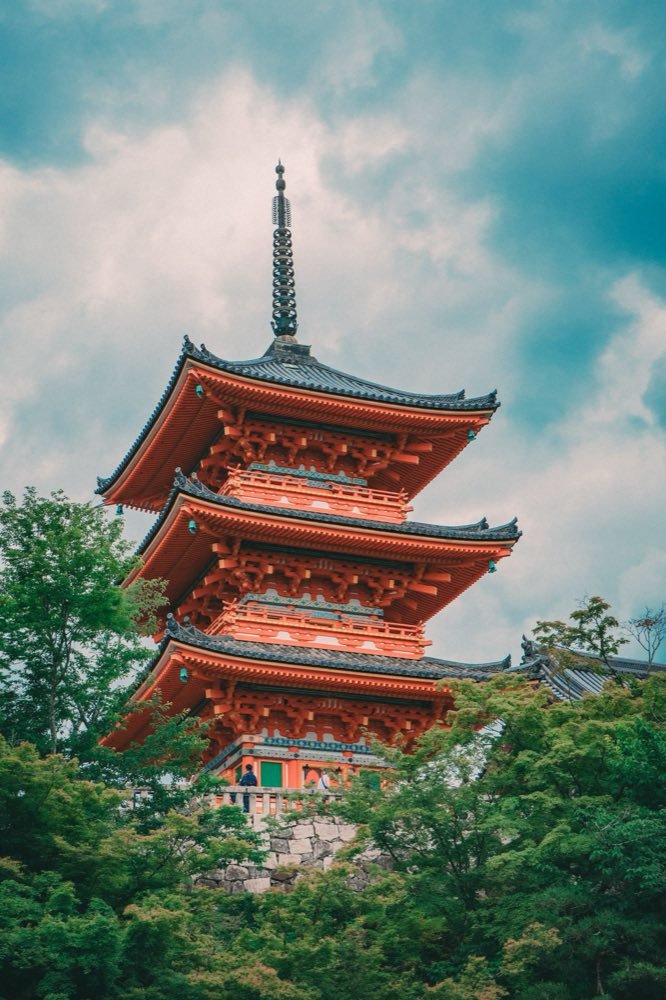 The pagoda at Kiyomizu-dera, on the hills of eastern Kyoto.
Arashiyama sits at the western edge of the city where the Oi River cuts through forested hills. The bamboo grove here is genuinely spectacular - tall, dense, and atmospheric - and the broader area includes Tenryu-ji’s exceptional Zen garden, the Togetsukyo bridge with mountain views, and the Iwatayama Monkey Park (¥550) for a different kind of wildlife encounter. Arashiyama rewards arriving early; the bamboo grove is manageable before 8am and a scrum by 10am.
Fushimi Inari is technically its own district in southern Kyoto, anchored by the Fushimi Inari Taisha shrine - the headquarters of some 30,000 Inari shrines across Japan. The trail of roughly 10,000 vermilion torii gates winds up the mountain behind the main shrine buildings. Entry is free and the gates are lit at night, making an evening visit especially rewarding for the lower sections. The full trail to the summit takes around four hours return; the viewpoint at Yotsutsuji junction, about 45 minutes up, gives good views with significantly less commitment.
Higashiyama is the historic lane district running along the base of the eastern mountains. The stone-paved Ninenzaka and Sannenzaka alleys, flanked by preserved wooden shopfronts, connect a series of major temples including Kiyomizudera, Kodai-ji, and Yasaka Shrine. The area is at its most evocative in the early morning and at dusk, when the tourist crowds thin and the stone lanterns cast a softer light.
Downtown Kyoto (Kawaramachi and Shijo) is the commercial and transport hub, with Nishiki Market - a 130-vendor covered market known as “Kyoto’s Kitchen” - running parallel to Shijo-dori. It’s good for tasting pickled vegetables, fresh tofu, skewered food, and local confectionery without paying restaurant prices.
Must-Visit Sites at a Glance
| Site | Entry | Hours | Notes |
|---|---|---|---|
| Fushimi Inari Taisha | Free | Always open | Go early or at dusk |
| Kinkaku-ji (Golden Pavilion) | ¥500 | 9am–5pm | Very crowded |
| Ginkaku-ji (Silver Pavilion) | ¥500 | 8:30am–5pm (summer) | Quieter than Kinkaku-ji |
| Arashiyama Bamboo Grove | Free | Always open | Arrive before 7:30am |
| Tenryu-ji Garden | ¥500 | 8:30am–5:30pm | Also ¥100 extra for temple buildings |
| Nijo Castle | ¥1,030 | 8:45am–5pm | Closed Tues in winter |
| Nishiki Market | Free | Most stalls 9am–6pm | Great for street food |
| Kiyomizudera | ¥400 | 6am–6pm | Best at sunrise |
| Ryoan-ji Rock Garden | ¥600 | 8am–5pm | 15 stones, UNESCO listed |
Kinkaku-ji, the Golden Pavilion, is Kyoto’s most photographed building - a three-storey structure whose top two floors are covered in gold leaf, reflected in the pond in front of it. The crowds are genuine (particularly on weekends and holidays), but the 15-minute circuit is efficient. Ginkaku-ji, the Silver Pavilion in northern Higashiyama, was never actually covered in silver - the name came from a comparison with Kinkaku-ji - but the garden design and the moss-lined approach path make it worth visiting, and it draws a fraction of the visitors.
Nijo Castle was built in 1603 as the Kyoto residence of Tokugawa Ieyasu and served as a demonstration of shogunal power in the imperial capital. The nightingale floors - constructed to squeak underfoot so that no one could approach in silence - are a memorable architectural detail. The ninomaru garden is exceptional in November.
Best Times to Visit
Late March to mid-April (cherry blossom season) is Kyoto at its most dramatic. The city’s parks, temple gardens, and riverbanks erupt in pink, and the Philosopher’s Path along the Shishigatani canal is lined with cherry trees that arch overhead. This is also Kyoto at its most crowded and expensive - accommodation prices double or triple, and popular sites have queues from mid-morning onwards.
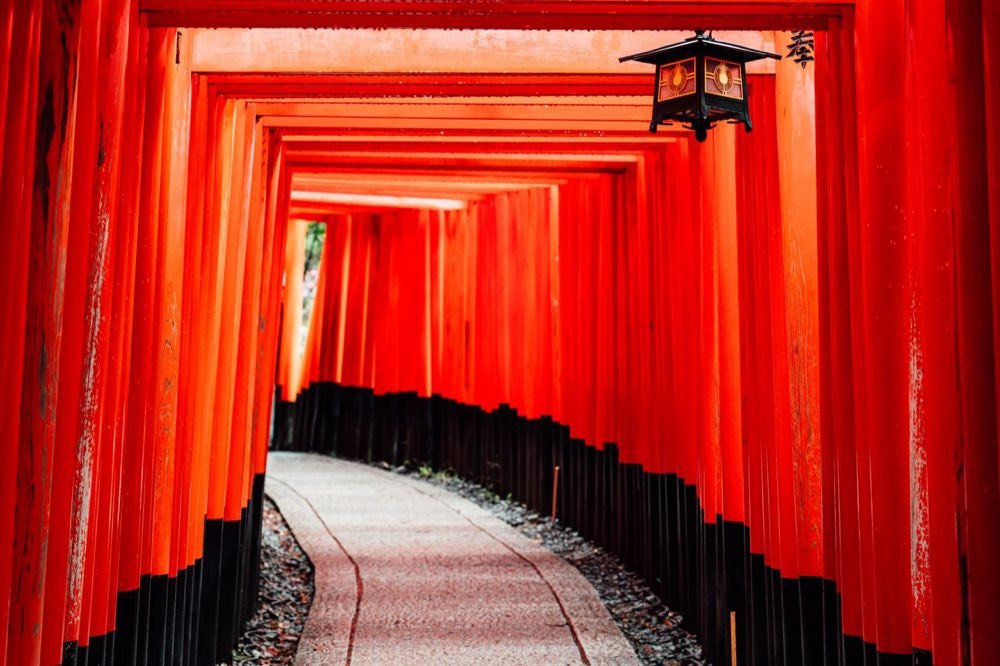 The torii tunnel at Fushimi Inari, best visited early in the morning.
November (autumn colours) runs from mid-October to late November. The maples in the temple gardens turn red and orange with a precision that feels almost theatrical. Tofuku-ji, Eikan-do, and Kiyomizudera are the most popular sites; Rurikoin in northern Kyoto (requires advance reservation, ¥2,000) is considered among the finest autumn foliage gardens in Japan.
May and October are genuinely excellent months - comfortable temperatures, lower prices, and fewer crowds than the peak seasons. The landscape is green in May and the light is good in October.
July brings the Gion Matsuri, one of Japan’s three great festivals. The main yamaboko float procession on July 17th fills the streets with enormous ornamental floats and brings the city to a standstill. The yoiyama evenings from July 14th–16th, when the floats are displayed in the streets with lanterns lit, are arguably the most atmospheric part of the festival.
Winter (December–February) is cold but manageable, and the city is at its quietest. Snow on temple rooftops is genuinely beautiful when it happens, and accommodation is at its lowest prices. In early December the Arashiyama Hanatoro night illumination lights the bamboo grove and riverside paths.
Timing changes the experience a lot here, so our best time to visit Kyoto month-by-month guide is worth a look before you book.
Kyoto’s August bonfire festival lights up the mountains around the city. See our Gozan no Okuribi (Daimonji) event guide for dates and viewing tips.
The Festival of the Ages parade is held each October. See our Jidai Matsuri event guide for dates and viewing tips.
Getting to Kyoto
From Tokyo: The JR Tokaido Shinkansen runs Hikari and Nozomi services from Tokyo Station to Kyoto Station, taking around 2 hours 20 minutes. The standard unreserved fare is approximately ¥13,320 one-way. JR Pass holders can use the Hikari service (Nozomi services are not covered by the JR Pass).
From Osaka: The JR Shinkansen from Shin-Osaka takes 14 minutes (¥1,420). The slower JR Biwako/Kyoto Line takes 29 minutes from Osaka Station (¥560) and is the sensible choice if you are not using a JR Pass.
From Kansai International Airport: The Haruka Limited Express runs directly to Kyoto Station in 75 minutes (¥3,800, or ¥1,800 with an IC card discount reservation). Alternatively, take the rapid train to Osaka Station and change - longer but cheaper. Travelling with a group or heavy bags? A fixed-price private transfer via Kiwitaxi from KIX to central Kyoto can work out comparable in cost and significantly easier in comfort.
Getting Around Kyoto
Kyoto’s main sights are spread across the city in clusters that require transport between them. The city centre is reasonably compact and walkable, but Arashiyama, Fushimi Inari, and northern Kyoto all require buses or trains.
City buses cover most tourist destinations. The standard fare is ¥260 per journey. A one-day bus pass costs ¥700 and is worthwhile if you plan more than two bus trips. The main bus terminal is in front of Kyoto Station on the Karasuma side.
Subway: Two lines cross the city. The Karasuma Line runs north–south through the centre; the Tozai Line runs east–west and connects to Nijo Castle, Sanjo-Keihan, and Daigo. A one-day subway pass is ¥800. The combined bus-and-subway day pass (¥1,100) is good value for heavier travel days.
Bicycle rental is an excellent option in Kyoto. The city is largely flat in the centre (the temple areas to the east become hilly), and cycling between Kinkaku-ji, Nishiki Market, Nijo Castle, and the riverside is genuinely pleasant. Rental typically costs ¥800–¥1,500 per day, and most shops near Kyoto Station and in the Kawaramachi area provide maps and helmets. Electric-assist bikes are available for around ¥1,800–¥2,500/day and handle the eastern hills well.
Taxi: Metered, reliable, and expensive for longer journeys. A ride from Kyoto Station to Gion costs around ¥1,000–¥1,500. Useful for the early morning when buses are infrequent.
Train lines: The Hankyu Kyoto Line connects downtown (Kawaramachi) to Osaka cheaply. The Keifuku Randen tram runs to Arashiyama from central Kyoto (¥250). The Keihan Main Line connects Gion-Shijo and the Higashiyama area to Osaka along the eastern corridor.
Practical Notes
Kyoto follows Japan’s general etiquette norms strictly. At temples and shrines, speak quietly, stay on marked paths, and do not touch religious objects. In Gion, photography restrictions have become explicit in recent years - read any posted signs. Tipping is not practised anywhere in Japan.
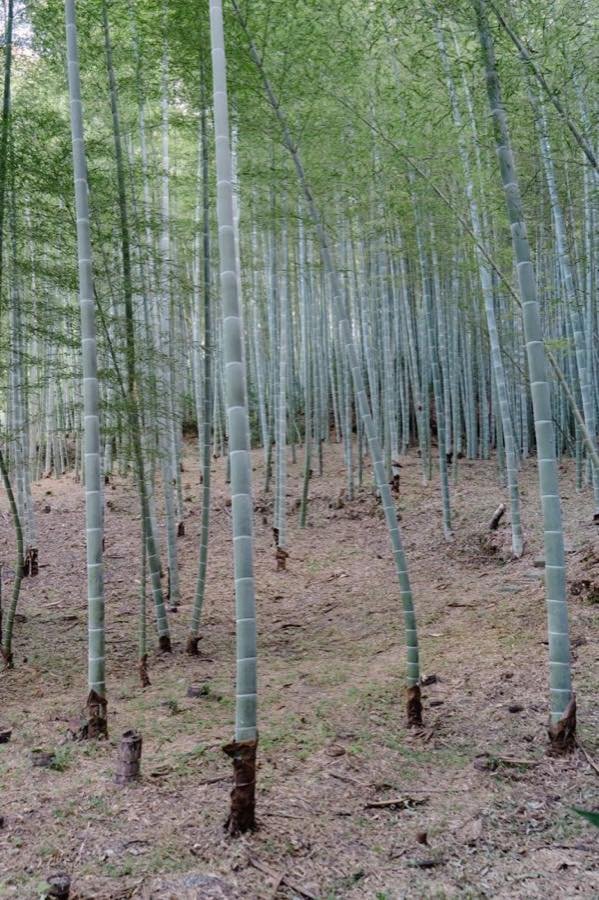 A bamboo grove in the Arashiyama area on Kyoto’s western edge.
The city experiences genuinely cold winters (average January lows around 2°C) and hot, humid summers (average August highs around 36°C). Spring and autumn temperatures are mild and the most comfortable for walking.
IC cards (Suica or ICOCA) work on Kyoto buses and subway and are the most convenient way to pay for transport. Load them at any station machine. For mobile data, an Airalo eSIM for Japan is the most straightforward option - activate it before departure and you have connectivity from the moment you arrive at Kansai Airport.
Most major temples have English-language audio guides available (typically ¥500–¥700 rental) and English signage at the major sites has improved considerably in recent years. Staff at Kyoto Station’s tourist information counters are helpful and multilingual.
Eating in Kyoto
Kyoto’s cuisine is the most refined in Japan - kaiseki, yudofu, matcha, Nishiki Market pickles, and Fushimi sake make up a food culture shaped by over a thousand years of cooking for an imperial court. For a full guide to what to eat and where to find it at every price level, see our Kyoto food guide. For restaurant recommendations by neighbourhood, see our best restaurants in Kyoto guide.
Kyoto vs Other Cities
Weighing up Kyoto against another destination? See our comparisons: Kyoto vs Osaka - which Kansai city works better for your trip; Tokyo vs Kyoto - Japan’s two most-visited cities compared; Kyoto vs Kanazawa - the classic temple trail or the craft city.
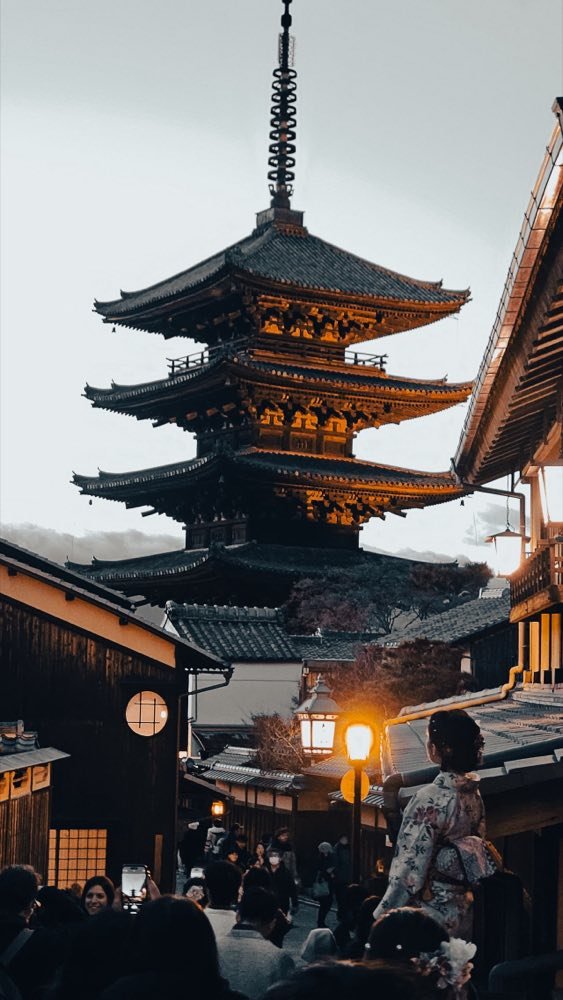 Yasaka Pagoda at dusk, the anchor of the Higashiyama streets.
Kyoto is the cultural heart of the Kansai region. For a broader overview of western Honshu travel, see our Kansai region guide.
For hands-on cultural experiences, our Kyoto tea ceremony guide covers how to book a session, what to expect, and which venues offer the most authentic experience. For the full range of Kyoto’s guided options - Gion evening walks, early-access Fushimi Inari hikes, sake brewery visits, and private temple garden tours - browse Kyoto tours on GetYourGuide.
Search hotels in Kyoto on Booking.com
Explore Kyoto in Depth
Things to do in Kyoto · Where to stay in Kyoto · Best restaurants in Kyoto · Kyoto food guide · Day trips from Kyoto · Getting around Kyoto · Kyoto food tours · Best tours in Kyoto · Best time to visit Kyoto
Official sources worth checking before you go: Japan National Tourism Organization, UNESCO World Heritage listings for Japan.
See also: Tea ceremony Kyoto · Kyoto food guide · Kansai region guide · Japan Golden Route itinerary · Cherry blossom itinerary · Japan cherry blossom guide · Long stay in Kyoto
Upcoming Events in Kyoto
Arashiyama Hanatoro 2026: Bamboo Grove Illumination and Lantern Light Festival
kyoto
Arashiyama Hanatoro night illumination, 8–17 Dec 2026. Bamboo grove and paths lit with ikebana lanterns. Free to walk; Tenryu-ji charges entry.
Hatsumode - New Year Shrine Visits
Hatsumode 2027, 1–3 January. Japan's most important annual tradition - millions visit shrines and temples in the first three days of the new year.
Nearby Cities
Frequently Asked Questions
- How many days do you need in Kyoto?
- Three to four days covers the main highlights - Fushimi Inari, Arashiyama, the Higashiyama temple trail, and Gion. Add a fifth day if you want to explore northern Kyoto or take a day trip to Nara.
- Is Kyoto expensive to visit?
- Temple entry fees are modest (¥400–¥1,030 each), public transport costs ¥260 per bus ride, and budget meals start at ¥900. A comfortable mid-range day costs around ¥8,000–¥15,000 per person excluding accommodation.
- What is the best time to visit Kyoto?
- Late March to mid-April for cherry blossoms and November for autumn colours are peak periods - beautiful but very crowded and expensive. May and October offer good weather with smaller crowds and lower prices.
- Do I need to book Kyoto accommodation far in advance?
- For autumn (October–November) and cherry blossom season (late March–April), book at least three to six months ahead. Outside these windows, two to four weeks is usually sufficient for mid-range hotels.
- Can I use a JR Pass in Kyoto?
- The JR Pass covers the Shinkansen from Tokyo or Osaka to Kyoto Station and the JR Sagano Line to Arashiyama. City buses and the subway are separate - a ¥700 city bus day pass is worth buying if you plan more than two bus trips.
Book an experience
Top experiences in Kyoto
Explore the best tours and activities in Kyoto, with instant confirmation and free cancellation on most bookings.