Kobe Travel Guide: Beef, Harbours, and International Flair
Kobe travel guide covering Wagyu beef restaurants, Kitano Western houses, Harborland, sake breweries, Nunobiki Falls, and the city's scenic port district.
Guides for Kobe
Kobe is the Japanese city that looks most outward. Opened as a treaty port in 1868 following the Meiji government’s decision to engage with Western trade, it attracted a foreign merchant community that built Western-style homes on the hillside above the harbour, established the sake export trade, and created a cosmopolitan port culture that still distinguishes Kobe from its Kansai neighbours. The city has 1.5 million residents, a significant international community, an excellent harbour, and a food identity built on the world’s most precisely defined beef standard.
The City and Its Character
The 1995 Great Hanshin earthquake (magnitude 6.9) destroyed large sections of Kobe, including much of the traditional port district. The rebuilt city is clean and modern in many areas, and the recovery - one of Japan’s largest post-war reconstruction efforts - reshaped the waterfront substantially. What survived: the Kitano-cho Western residences on the hillside (above the worst structural damage), the older sake brewery district in Nada to the east, and the Chinatown (Nankin-machi) in the centre.
The result is a city with distinctive districts that require deliberate navigation - you walk from the modern Harborland waterfront through Chinatown and up to the Kitano hillside, with each area having a different character and a different story about how Kobe became what it is.
Kobe Beef - What You Are Actually Eating
Kobe beef is not a generic description of premium Japanese Wagyu - it is a specific, legally controlled product designation. To be certified as Kobe beef, the animal must be a Tajima-strain Japanese Black cattle, born and raised in Hyogo Prefecture, slaughtered at designated abattoirs in the prefecture, and achieve a Beef Marbling Standard (BMS) score of at least 6 out of 12.
Approximately 3,000 cattle per year meet the qualification - a tiny number relative to Japan’s overall beef production. The characteristic marbling (sashi) - fine intramuscular fat distributed evenly through the meat - produces a texture that is simultaneously very tender and intensely flavoured. The fat has a low melting point, which contributes to the characteristic mouthfeel of Kobe beef teppanyaki.
How to verify you are eating certified Kobe beef: Restaurants serving certified Kobe beef display a certificate of authenticity. Ask to see it if you are paying premium prices. Restaurants should also be able to tell you the cattle’s individual identification number.
Price expectations:
- Lunch teppanyaki sets (100–150g sirloin or tenderloin): ¥3,000–¥8,000
- Dinner teppanyaki sets: ¥10,000–¥30,000+
- Premium Wagyu sukiyaki or shabu-shabu: ¥12,000–¥25,000
Where to eat certified Kobe beef:
Mouriya Honten (near Kitano-cho, Nakayamate-dori) - one of Kobe’s oldest Wagyu teppanyaki restaurants, open since 1915. Lunch sirloin sets from approximately ¥8,000; dinner sets from ¥15,000. Reservations recommended for dinner. The sirloin lunch set (150g) is the most accessible entry point.
Steakland Kobekan (2 minutes from Sannomiya Station) - the busiest accessible option, particularly at lunch. Counter-style teppanyaki; sets from approximately ¥3,000 (100g sirloin). No reservation required for lunch; expect a short queue on weekends. Authentic certification, efficient service.
Wakkoqu (Kitano-cho) - set in a Meiji-era Western residence; full-course teppanyaki dinners from approximately ¥25,000. One of the more theatrical dining settings in the city. Advance booking essential.
See the Kobe things-to-do guide for additional restaurant comparisons and current menu pricing.
Guided Kobe tours typically combine the Kitano-cho Western residences, Nankinmachi Chinatown, and a Kobe beef teppanyaki lunch - a practical full-day structure for visitors arriving by day trip from Osaka.
Kitano-cho - The Western Residences
Entry: Free to walk the area; individual houses ¥300–¥500 each, or combo ¥1,000
Kitano-cho (commonly called the Ijinkan district - ijin meaning “foreigner”) sits on a gentle hillside north of Sannomiya Station, a 20-minute uphill walk from the train. The district retains 17 of the original Western-style residences built between 1868 and the early 20th century. They were constructed by British, American, French, German, Dutch, and Danish merchants and consular officials, each built in their home country’s domestic architectural style.
The most visited: Weathercock House (Kazamidori no Yakata, ¥500) - a 1909 German residence with a rooster weathervane that became the symbol of the district. Moegi House (¥350) - an elegant 1903 American Colonial-style residence. Rhine House (free) - now a Cheval Blanc wine bar, but the building exterior and garden are freely accessible.
A combination ticket for multiple houses (¥1,000) covers entry to several properties and represents the most efficient approach if you plan to enter more than two or three. The walk between houses is pleasant - the hillside streets have sea views toward the harbour on clear days.
Harborland - Waterfront Kobe
Entry: Free | Hours: Shops and restaurants open from 11am
Kobe’s Harborland development - a large waterfront complex of shopping malls, restaurants, a giant Ferris wheel, and open plazas - occupies the area directly west of Kobe Station, 15 minutes from Sannomiya by subway or 20 minutes on foot.
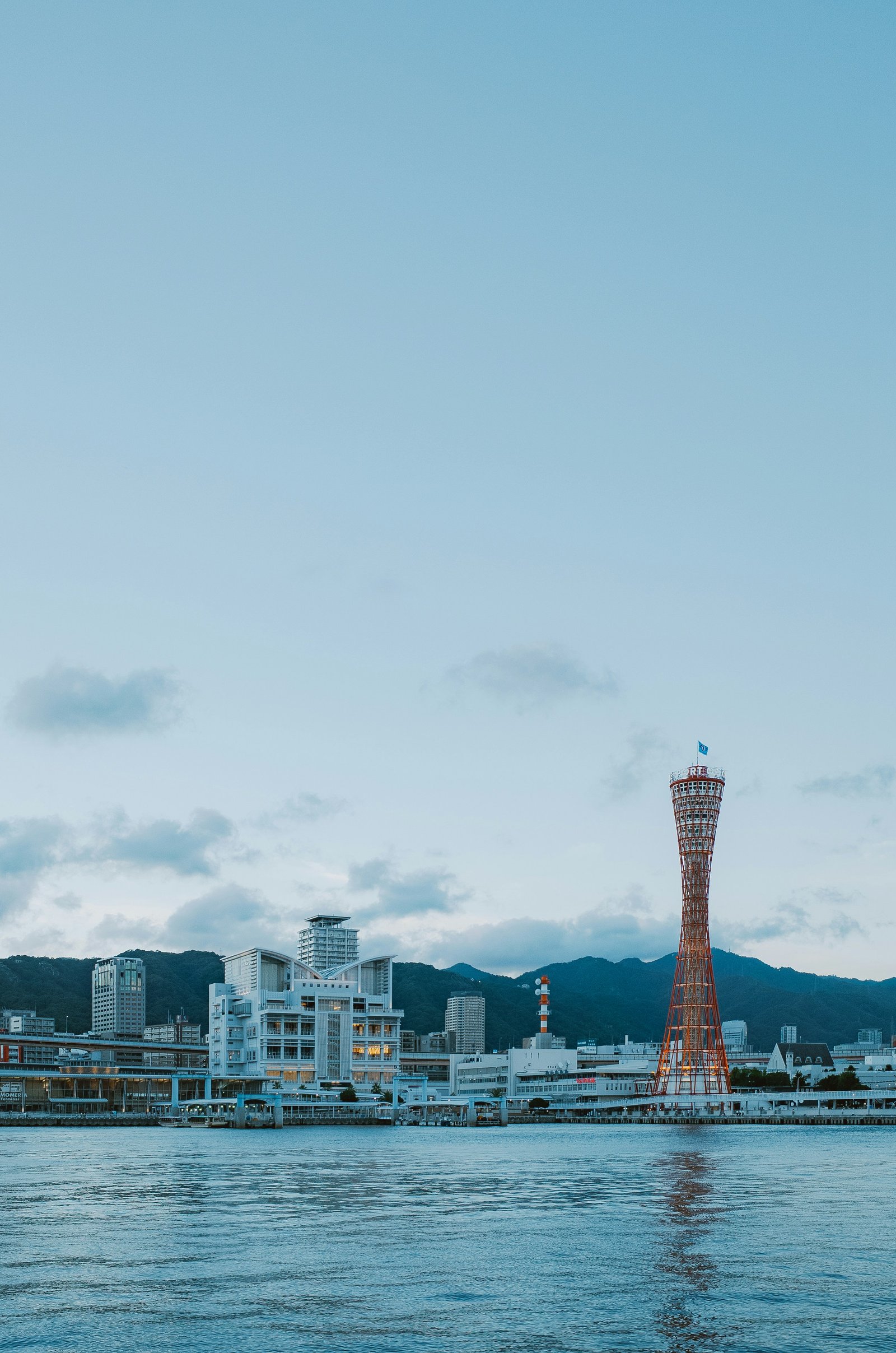
The Mosaic shopping complex at the harbour edge has a good selection of restaurants with outdoor seating facing the water and views of Port Tower. The evening is when Harborland works best - the illuminated buildings reflect on the harbour, and the covered walkways and waterfront promenades are pleasant in most weather.
Meriken Park (adjacent, free) is a waterfront park with the Earthquake Memorial and the BE KOBE sign - large steel letters spelling the city’s name that have become a popular photograph location. The Kobe Port Tower (¥700) gives panoramic views of the harbour, city, and Awaji Island.
Nunobiki Falls and Herb Gardens
Cable car: ¥1,060 return | Herb Gardens entry: ¥200 additional (included in some combined tickets) | Waterfall hike: Free, approximately 30 minutes from Shin-Kobe Station
The Nunobiki Falls are a 10-minute uphill walk from Shin-Kobe Station (the Shinkansen station north of central Kobe), through a gorge of cedar trees. The main fall (Menotaki) is 43 metres high and listed as one of Japan’s three great waterfalls historically recorded in poetry and literature. The path continues past several smaller falls.
From the same starting point at Shin-Kobe Station, the Kobe Nunobiki Ropeway cable car ascends to the Nunobiki Herb Gardens (1,200 plant varieties, best in spring and early summer). The cable car runs every 15 minutes (9am–5pm, extended in summer), takes 10 minutes, and offers views over Kobe’s rooftops and harbour.
Getting to Kobe
From Osaka: JR Kobe Line (rapid) from Osaka Station to Sannomiya Station, 29–35 minutes, ¥410. JR Pass covered. Hankyu Kobe Main Line from Osaka-Umeda to Hankyu-Kobe Sannomiya, 31 minutes, ¥330 - the cheapest option, not covered by JR Pass.
From Kyoto: JR Kyoto Line directly through to Kobe Sannomiya (rapid train, no change needed), 55 minutes, ¥1,150. JR Pass covered.
From Tokyo: JR Tokaido-Sanyo Shinkansen from Tokyo to Shin-Kobe, 2 hours 49 minutes by Nozomi, approximately ¥14,720.
From Kansai International Airport: Airport limousine bus direct to Sannomiya, 65 minutes, ¥2,000. More convenient than train for those arriving with luggage.
Once you are in town, our guide to getting around Kobe covers the subway and trains in more detail.
Getting Around Kobe
Kobe is a compact city, and most of the main sights are within walking distance of Sannomiya Station. The Kitano-cho area is a 20-minute uphill walk north of Sannomiya. Harborland is a 15-minute walk west, or one stop by subway.
City Loop Bus (¥260/ride or ¥700 day pass): A tourist bus service that circles the main attractions - Kitano-cho, Chinatown, Harborland, and Meriken Park. Useful if the uphill walk to Kitano-cho is not appealing.
Portliner monorail: Connects Sannomiya to Port Island (Kobe Airport) in 18 minutes, passing the Kobe Fashion Museum and the Kobe Convention Centre.
Kobe City Subway (Seishin-Yamate Line): Runs from Sannomiya west to Shin-Kobe and further north, connecting to the ropeway area. Single rides ¥210–¥360.
Practical Notes
Kobe’s climate is milder than Kyoto or Osaka due to its coastal position. The spring and autumn seasons are the most comfortable for walking the hillside districts. Summer is warm and occasionally humid but benefits from harbour breezes. The city received significant reconstruction investment after 1995 and public infrastructure is modern and well-maintained.
The Sannomiya Station area has the best concentration of restaurants and shopping. The covered Sannomiya Center-gai arcade runs east from the station and provides all-weather access to mid-range restaurants, cafes, and shops. Most Kobe beef restaurants are within a 10-minute walk of Sannomiya.
English signage is good throughout the tourist areas. The Kobe tourist information centre at Sannomiya Station has English-speaking staff and good maps.
Planning your trip to Kobe? Tours and activities in Kobe cover guided experiences, cultural immersion, and the top sights with local expertise. Flights to Japan vary significantly by season - compare early to secure the best fares. Sort out travel insurance for Japan before you book, and pick up an Airalo eSIM for Japan to have mobile data the moment you land.
Search hotels in Kobe on Booking.com
Explore Kobe
Things to do in Kobe · Where to stay in Kobe · Best restaurants in Kobe · Kobe food guide · Day trips from Kobe · Getting around Kobe
Kobe is part of the Kansai region. For a broader overview of western Honshu, see our Kansai region guide. Kobe fits naturally into a Kansai and Kyushu itinerary as a half-day stop between Osaka and Hiroshima.
Official sources worth checking before you go: Japan National Tourism Organization.
See also: Kansai region guide · Osaka travel guide · Kyoto travel guide · Kansai and Kyushu itinerary · Onsen guide Japan · Japan Golden Route itinerary
Upcoming Events in Kobe
Hatsumode - New Year Shrine Visits
Hatsumode 2027, 1–3 January. Japan's most important annual tradition - millions visit shrines and temples in the first three days of the new year.
Nearby Cities
Frequently Asked Questions
- What makes Kobe beef different from other Wagyu?
- Kobe beef is a specific brand of Wagyu produced from Tajima-strain black cattle born, raised, and slaughtered in Hyogo Prefecture. It must grade A4 or A5 on Japan's Beef Marbling Standard (BMS 6 or higher). The marbling - intramuscular fat threaded through the muscle - produces the characteristic texture and flavour. Only around 3,000 cattle qualify per year.
- How far is Kobe from Osaka and Kyoto?
- From Osaka, JR Kobe Line from Osaka Station to Sannomiya takes 30 minutes (¥410). From Kyoto, JR Biwako-Kobe Line to Sannomiya takes 55 minutes (¥1,150). Both routes are covered by JR Pass.
- Is Kobe worth a full day or just a half-day?
- A full day is worthwhile if you combine Wagyu beef, Kitano-cho Western houses, Harborland waterfront, and Chinatown. A half-day from Osaka covers the Kitano district and a Wagyu lunch comfortably and is a reasonable option if time is short.
- What is the cheapest way to try Kobe beef?
- Steakland Kobe near Sannomiya Station offers teppanyaki lunch sets from ¥3,000 (150g sirloin). This is the most accessible price point for genuine certified Kobe beef teppanyaki. Lunch sets at most Kobe beef restaurants are 30–50 percent cheaper than dinner menus.
- What is Kitano-cho and why is it famous?
- Kitano-cho (also called the Ijinkan district) is a hillside neighbourhood of preserved Western-style residences built by foreign merchants and diplomats after Kobe opened as a treaty port in 1868. Seventeen of the original buildings remain open to visitors. It is the most concentrated Western architectural heritage site in Japan.
Book an experience
Top experiences in Kobe
Explore the best tours and activities in Kobe, with instant confirmation and free cancellation on most bookings.