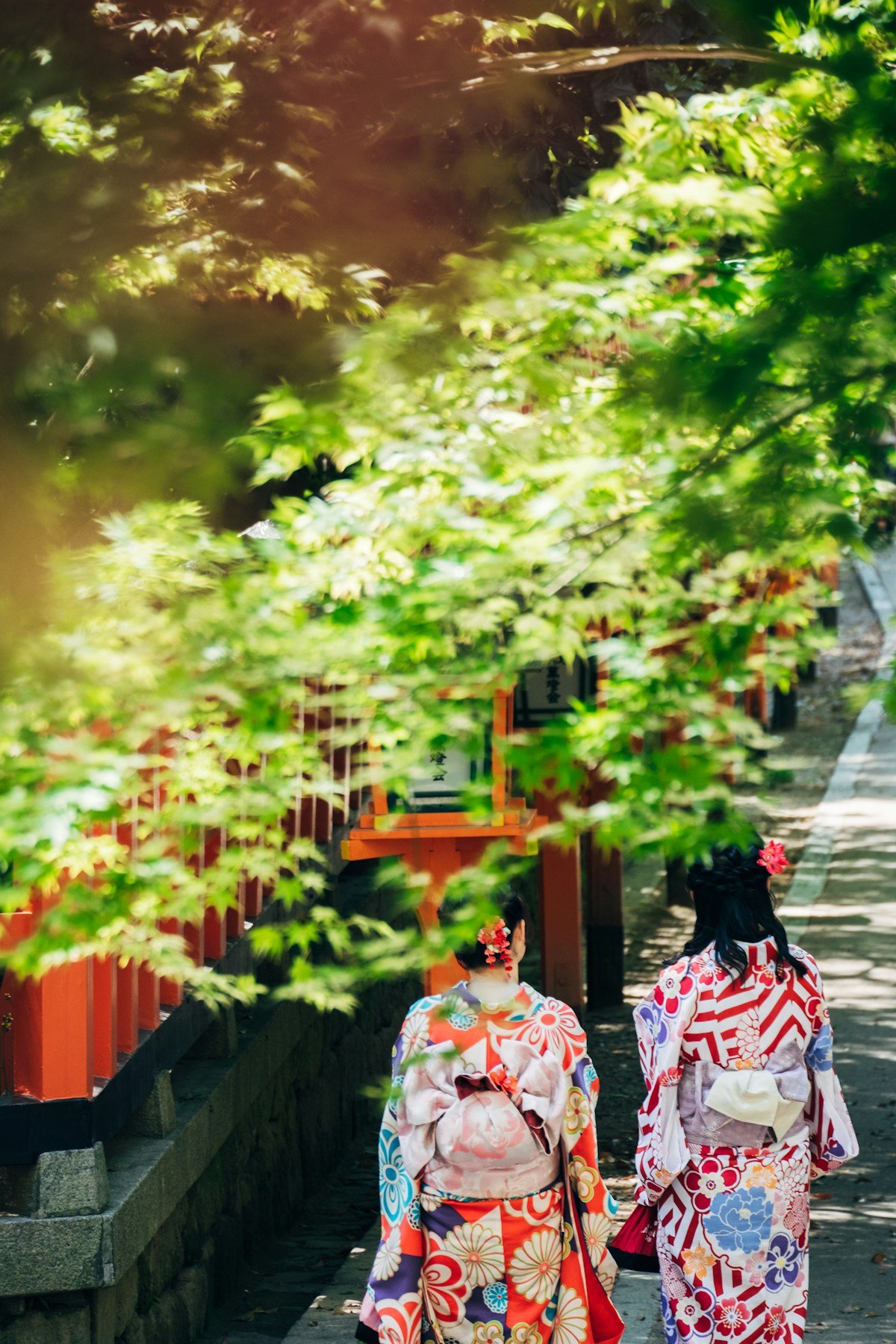
Kyoto is Japan’s most famous traditional city - 17 UNESCO World Heritage Sites, global name recognition, and 50 million annual visitors. Kanazawa is Japan’s answer to the question: “What does Kyoto look like without the crowds?” It isn’t quite that simple - but Kanazawa genuinely offers traditional architecture, geisha districts, world-class garden design, and exceptional food with a fraction of Kyoto’s tourist pressure.
Quick Verdict
| Category | Kyoto Wins | Kanazawa Wins |
|---|---|---|
| Volume of temples and shrines | Yes (1,600+) | - |
| UNESCO sites | Yes (17) | - |
| Crowds (in negative terms) | - | Yes (quieter) |
| Kenroku-en garden | - | Yes (one of Japan’s best 3) |
| Geisha district atmosphere | Yes (Gion is larger) | Yes (Higashi Chaya is quieter) |
| Contemporary art | - | Yes (21st Century Museum) |
| Seafood and food market | - | Yes (Omicho Market) |
| Samurai district | - | Yes (Nagamachi) |
| Day trip options | Yes (Nara, Osaka) | Yes (Noto, Shirakawa-go) |
| International recognition | Yes | - |
Kyoto wins for sheer volume of historic sites and global bucket-list status. Kanazawa wins for quality of experience per visitor, authenticity, and food.
When to Visit
Both cities follow Japan’s seasonal calendar with spring and autumn as peak periods.
Spring: Kanazawa’s Kenroku-en garden in cherry blossom season (late March to early April) is one of Japan’s most beautiful landscapes - 400+ cherry trees, including the famous weeping cherries near the Kotoji-toro stone lantern. Crowds are present but manageable compared to Kyoto’s Philosopher’s Path. Kyoto in cherry blossom is spectacular but requires early morning visits (before 8am) at the most famous sites to experience without walls of tourists.
Autumn: Both cities are exceptional. Kanazawa’s Kenroku-en maple foliage peaks in mid-November; Kyoto’s Eikan-do, Tofuku-ji, and Arashiyama bamboo grove are stunning but extremely crowded. For a relaxed autumn foliage experience, Kanazawa wins.
Summer: Both are warm and humid. Kanazawa’s summer festival season includes the Hyakumangoku Matsuri (early June) - a three-day procession celebrating the Maeda clan’s entry into Kanazawa in 1583. Kyoto’s Gion Matsuri (July) is one of Japan’s three great festivals; spectacular but the most crowded event in western Japan.
Winter: Kanazawa typically receives light snowfall from December to February (yukizuri - rope-tied cedar trees in Kenroku-en to protect branches from snow weight - are an iconic winter image). Kyoto is similarly cold but snowfall is rarer and the winter temple atmosphere is exceptional.
Top Experiences
Kanazawa
Kenroku-en is the standout. One of Japan’s three canonical gardens (alongside Koraku-en in Okayama and Kairaku-en in Mito), it was developed by the Maeda clan over two centuries from the 1670s. The name translates as “garden of six attributes” (spaciousness, seclusion, artifice, antiquity, water, views). Entry ¥320 (as of 2026). The garden is open from 7am, and the early morning before tour groups arrive is the best time to visit.
Kanazawa Castle Park is adjacent to Kenroku-en - restored sections of the 16th-century castle walls and storehouse are impressive; the surrounding park is free to enter (castle buildings charge approximately ¥320). The moat and ishikawa-mon gate are the most photographed elements.
Higashi Chaya (East Geisha District) is Kanazawa’s equivalent of Kyoto’s Gion. The main street (Higashiyama Higashi) has preserved Edo-era machiya teahouses with distinctive latticed facades. Several teahouses are open as museums (Shima Ochaya, entry ¥750; Kaikaro, entry ¥750 with matcha) showing the private rooms and instruments used for ochaya banquets. Unlike Kyoto’s Gion, the district retains genuine working ochaya (geisha entertainment venues) where private banquets still take place.
Omicho Market (open from approximately 8am, closed Wednesdays) is Kanazawa’s centuries-old fresh food market - 170+ stalls selling Hokuriku seafood, vegetables, and prepared food. Snow crab (in season November–March), yellowtail (buri, November–February), and sea urchin from the Japan Sea are the seasonal specialities. Sushi restaurants around the market serve fresh catches from approximately ¥2,000 for a sashimi set; seafood bowl (kaisendon) from approximately ¥1,800.
The 21st Century Museum of Contemporary Art (entry ¥450 for permanent collection; special exhibitions extra) is Kanazawa’s modern counterpoint - a circular glass building with no front or back, housing international contemporary works including James Turrell’s light installations and the famous “Swimming Pool” by Leandro Erlich (looking down through the glass floor to people “underwater”). Allow 1.5 hours minimum.
Nagamachi samurai district is a 5-minute walk from the market - preserved earthen-walled lanes and machiya merchant houses. The Nomura Family Samurai House (entry ¥550) gives access to a restored samurai residence with a small garden. The lanes themselves are free to walk; most beautiful in the morning or light rain.
Kyoto
Kyoto packs 17 UNESCO World Heritage Sites across the city and its immediate surrounds. The unmissable core:
Fushimi Inari Taisha (free entry; open 24 hours) - 10,000+ vermillion torii gates climbing the mountain south of central Kyoto. The full summit loop takes 2–3 hours. Go before 7am or after 4pm to avoid coach tour crowds. The trail starts at the base shrine (Fushimi Station, JR Nara Line) and the upper torii sections are significantly quieter than the famous lower approach.
Kinkaku-ji (entry ¥500, open 9am–5pm) - the gold-leaf pavilion reflected in Kyoko-chi Pond is one of Japan’s most-recognised images. It’s invariably crowded; arrive at opening time and the self-guided circuit takes 30–40 minutes. Ryoan-ji (entry ¥600), a 15-minute bus ride, combines well for a morning focused on Zen temple gardens.
Arashiyama: the bamboo grove (free, 5-minute walk from Saga-Arashiyama Station) is atmospheric at dawn. Tenryu-ji adjacent (garden entry ¥500, full entry ¥800) has one of Japan’s finest karesansui (dry landscape) gardens with mountain borrowed scenery. Arashiyama jinrikisha (rickshaw) tours from the grove entrance run approximately ¥6,000 for 30 minutes for two people - a popular way to see the riverside and hillside lanes.
Nishiki Market (free to browse, open approximately 9am–6pm) - the “Kyoto Kitchen”: 130 food stalls in a covered arcade near Kawaramachi Station. Best stops: fresh yuba (tofu skin) from Kyoto Yuba Honke (approximately ¥400–600 per piece); seasonal tsukemono (pickled vegetables) mid-market; broiled octopus skewers at approximately ¥300.
Guided tours from Kyoto: a guided Fushimi Inari early-morning hike costs approximately ¥4,000–¥5,000 per person through operators including Kyoto Urban Adventures and Gourmet Adventures. Tea ceremony in Gion at Camellia Tea Experience or En Tea Ceremony runs approximately ¥3,000–¥3,800 per person with full matcha preparation instruction.
Kyoto accommodation: Cross Hotel Kyoto (Kawaramachi area, convenient for Nishiki Market and Gion) from approximately ¥13,000; Hotel Monterey Kyoto (near Nijo Castle) from approximately ¥11,000. For a ryokan within central Kyoto: Yoshida Sanso (Higashiyama, a converted 1932 aristocratic villa on the hillside behind Heian Shrine) from approximately ¥25,000 per person including breakfast - notably quieter than the Gion ryokan cluster. For structured day plans, see our best tours in Kyoto.
Food and Drink
Kanazawa’s food reputation is considerable - the city is often called Japan’s second-best food city after Osaka, a claim with genuine support. Kaga cuisine (Kaga-ryori) is the local culinary tradition: seasonal produce from the Sea of Japan and Noto Peninsula, cooked simply to highlight quality. Specialities include:
- Buri shabu (yellowtail hot pot): from approximately ¥3,500 per person at specialist restaurants in the market area (November–February only)
- Jibuni (Kanazawa duck stew with vegetables and wheat flour): the definitive Kaga dish, from approximately ¥1,500 at traditional restaurants near Kenroku-en
- Nodoguro (black-throat sea perch): the most prized white fish from the Japan Sea, available grilled or as sashimi from approximately ¥3,000–6,000 at sushi restaurants near Omicho Market
- Sugi-yaki (cedar leaf-grilled eel): a local cooking method using aromatic cedar leaves
Kanazawa has its own confectionery tradition (wagashi) - Higashi Chaya district shops sell seasonal sweets for approximately ¥200–400 each.
Kyoto’s food culture centres on kaiseki (multi-course, seasonally driven Japanese haute cuisine) and kyo-ryori (Kyoto-style cooking). Specialities include:
- Kaiseki at a mid-range price point: Pontocho - a narrow lantern-lit alley along the Kamogawa River - concentrates kaiseki and kyo-ryori restaurants where set dinners run approximately ¥6,000–12,000 per person. Accessible kaiseki at Nakamura restaurant (near Nishiki Market, from approximately ¥8,000) or at the counter seats of Omen Noodles in Higashiyama for a more casual approach
- Yudofu (simmered tofu hot pot): Kyoto’s tofu tradition is centuries old - soy-based cuisine developed in Buddhist temple kitchens. Junsei near Nanzen-ji serves the definitive yudofu set in a preserved garden setting for approximately ¥3,300; Okutan Nanzenji is equally good at approximately ¥3,850
- Shojin-ryori (vegetarian Buddhist temple cuisine): available at Tenryu-ji in Arashiyama (advance booking required, from approximately ¥3,000) - a rare opportunity to eat in the manner of Zen monks
- Nishiki Market (130 stalls, free to browse, open approximately 9am–6pm): fresh yuba (tofu skin) from Kyoto Yuba Honke (approximately ¥400–600), seasonal tsukemono (pickled vegetables), broiled octopus skewers at approximately ¥300, and soft-serve matcha ice cream throughout
Kyoto’s wagashi (traditional confectionery) tradition is equally strong - Toraya and Tsuruyahachiman near Kyoto Imperial Palace sell seasonal sweets for approximately ¥300–600 each. Our Kyoto food guide covers the full range.
Accommodation
Kyoto accommodation rewards choosing a neighbourhood first. The Higashiyama and Gion districts are the most atmospheric bases - closer to Fushimi Inari and the temple circuits.
- Gion Hatanaka (near Hanamikoji-dori): small personal ryokan, from approximately ¥35,000 per person with dinner - one of the most authentic Gion experiences available
- Yoshida Sanso (Higashiyama, converted 1932 aristocratic villa): ryokan quieter than the central Gion cluster, from approximately ¥25,000 per person including breakfast
- Cross Hotel Kyoto (Kawaramachi, convenient for Nishiki Market and Gion): mid-range hotel from approximately ¥13,000 per room
- Hotel Monterey Kyoto (near Nijo Castle): from approximately ¥11,000, reliable mid-range option
- Kyomachiya guesthouses (traditional townhouse conversions): bookable through agencies like Kominka Stay from approximately ¥15,000–25,000 per room - the most distinctively Kyoto accommodation type at the mid-range price point
Book 2–3 months ahead for late March–early April (cherry blossom) and mid-November (autumn foliage) - prices in these windows double or more.
Kanazawa: The most atmospheric accommodation is in the Higashi Chaya or Kazuemachi districts - machiya guesthouses (traditional townhouse conversions) available from approximately ¥12,000–20,000 per room per night. Kanazawa Hakuchoro Hotel (near Kenroku-en, from approximately ¥25,000) is a traditional Japanese inn. Dormy Inn Kanazawa (from approximately ¥11,000) is the reliable mid-range chain option in central Kanazawa. Budget: Kanazawa New Grand Hotel (from approximately ¥9,000) near Kanazawa Station.
Getting There
Kyoto from Tokyo: shinkansen Nozomi, 2 hours 15 minutes (approximately ¥14,000 one way, covered by JR Pass on Hikari service).
Kanazawa from Tokyo: Hokuriku Shinkansen Kagayaki, 2 hours 28 minutes (approximately ¥14,380 one way, covered by JR Pass).
Kanazawa from Kyoto: Thunderbird limited express from Kyoto Station, approximately 2 hours (approximately ¥7,140 one way, covered by JR Pass).
Kanazawa also makes an excellent stop on a circuit combining Tokyo, Kanazawa, Kyoto, and Osaka - the Thunderbird from Kanazawa to Kyoto makes this routing natural.
Ready to book? Compare flights to Japan - prices and routes vary significantly depending on your departure city. Tours for each side: Kyoto tours and activities and Kanazawa tours and activities. Travel insurance for Japan is worth arranging before you commit to bookings.
Who Should Visit Each?
Choose Kyoto if:
- It’s your first Japan trip and you want the classic experience
- UNESCO heritage density is important to you
- Geisha culture in its most famous setting is a priority
- You have a shorter trip with fixed stops
Choose Kanazawa if:
- You’ve already visited Kyoto and want a quieter alternative
- Food - especially Hokuriku seafood - is a primary motivation
- You prefer experiencing traditional culture without peak tourist crowds
- You’re routing through the Hokuriku region by shinkansen
The best answer for many travellers is both: Kanazawa adds only one extra day to a Kyoto–Osaka trip and dramatically changes the texture of a Japan itinerary.
See also: Kyoto travel guide · Kanazawa travel guide · Chubu region guide · Kansai region guide · Three weeks in Japan itinerary · Japan Rail Pass guide
Plan Your Trip
- Flights - Find the best fares to Japan
- Hotels - Hotels in Kyoto · Hotels in Kanazawa
- Travel Insurance - Get covered before you go
- eSIM - Stay connected from landing
- Car Rental - Compare prices across providers
- Tours and activities - Kyoto experiences · Kanazawa experiences · All Japan tours