Three weeks gives you enough time to go beyond the Golden Route and experience Japan’s regional diversity - the alpine villages of central Honshu, the cultural depth of Kanazawa, the raw nature of Kyushu, and a southern island escape. This itinerary moves at a pace that allows genuine exploration rather than just ticking off sights.
Before departure, sort two essentials: travel insurance through VisitorsCoverage (covers medical, cancellation, and interruption for the full 21 days) and an Airalo eSIM for Japan that activates before boarding so you have connectivity on landing.
Overview
Days 1–4: Tokyo
Four days gives enough time to cover Tokyo’s major areas without exhaustion. Start with Shibuya Crossing and Meiji Shrine on day one, then head to Harajuku’s Takeshita-dori for lunch. Day two, take the subway to Asakusa for Senso-ji temple (free entry, open 24 hours for the exterior), then walk south through Akihabara’s electronics district. Day three, visit the Tsukiji Outer Market early for breakfast sushi, then explore the Imperial Palace East Gardens (free, closed Mondays and Fridays). On day four, dedicate the morning to teamLab Borderless in Azabudai Hills (approximately ¥3,800 / USD 25 as of 2026, book online to avoid sellouts) and spend the evening in Shinjuku’s Golden Gai.
Where to eat: Fuunji in Shinjuku serves tsukemen (dipping ramen) that draws consistent queues - approximately ¥1,000 per bowl. For conveyor belt sushi, Genki Sushi in Shibuya runs approximately ¥1,500–2,500 per person. In Asakusa, Sometaro serves okonomiyaki from ¥900 on griddles built into your table. For guided experiences in Tokyo - food tours, teamLab booking packages, and neighbourhood walking tours - browse Tokyo tours on GetYourGuide.
Where to stay: Nui. Hostel & Bar Lounge in Kuramae offers dorms from approximately ¥3,500 / USD 23 per night and private rooms from ¥9,000 / USD 60. For a mid-range option, Tokyu Stay Shinjuku has compact rooms with washer-dryers from approximately ¥12,000 / USD 80. For a ryokan experience within Tokyo, Sadachiyo in Asakusa runs from approximately ¥18,000 / USD 120 per person including breakfast. Search hotels in Tokyo on Booking.com
Transport: Buy a 72-hour Tokyo Metro pass (approximately ¥1,500 / USD 10 as of 2026) and a Suica/Pasmo IC card for JR and private lines.
Day 5: Nikko Day Trip
Take the JR Tohoku Shinkansen from Tokyo Station to Utsunomiya (approximately 50 minutes, ¥5,000 / USD 33), then transfer to the JR Nikko Line (40 minutes). Alternatively, the Tobu Railway limited express from Asakusa runs direct (approximately 2 hours, ¥2,900 / USD 19).
Visit Tosho-gu Shrine (approximately ¥1,300 / USD 9, open 8:00–17:00 April–October, 8:00–16:00 November–March). The Shinkyo Bridge photograph is free from the road - crossing it costs ¥300. Return to Tokyo by evening.
Day 6: Hakone
Take the Odakyu Romance Car from Shinjuku to Hakone-Yumoto (approximately 85 minutes, ¥2,330 / USD 15). The Hakone Free Pass (approximately ¥6,100 / USD 40 for 2 days from Shinjuku) covers the entire Hakone loop: cable car, ropeway, pirate ship across Lake Ashi, and buses.
Ride the ropeway to Owakudani for volcanic valley views and the famous black eggs (¥500 for five). On clear days, Mt Fuji is visible across the lake.
Where to stay: K’s House Hakone is a hostel with onsen baths, dorms from approximately ¥4,000 / USD 27. Hotel Green Plaza Hakone offers rooms with Mt Fuji views from approximately ¥15,000 / USD 100 per person including dinner and breakfast. Search hotels in Hakone on Booking.com
Day 7: Mt Fuji Area (Kawaguchiko)
Bus from Hakone to Kawaguchiko (approximately 2 hours, ¥2,260 / USD 15). Rent a bicycle near the station (approximately ¥1,500 / USD 10 per day) and ride around the north shore of Lake Kawaguchi for direct Fuji views. Visit the Chureito Pagoda in nearby Fujiyoshida (free entry, 398 steps up) - one of the most photographed spots in Japan.
Where to stay: K’s House Mt. Fuji has dorms from approximately ¥3,500 / USD 23 and private rooms from ¥9,000 / USD 60. Search hotels in Kawaguchiko on Booking.com
Day 8: Nagoya
Shinkansen from Mishima (nearest station to Kawaguchiko area, bus ¥2,300) to Nagoya (approximately 60 minutes, ¥6,500 / USD 43). Visit Nagoya Castle (approximately ¥500 / USD 3.50, open 9:00–16:30) and the Atsuta Shrine (free). Nagoya is Japan’s miso capital - eat misokatsu at Yabaton in the station area (approximately ¥1,500 / USD 10 for a set meal).
Where to stay: Nishitetsu Hotel Croom Nagoya Marunouchi offers clean rooms from approximately ¥8,000 / USD 53. Search hotels in Nagoya on Booking.com
Day 9: Takayama
JR Wide View Hida limited express from Nagoya to Takayama (approximately 2.5 hours, ¥6,140 / USD 41). This alpine town preserves Edo-period merchant houses along Sanmachi Suji - the three streets of old wooden buildings with sake breweries marked by cedar balls.
Visit the Takayama Jinya, a former government outpost (approximately ¥440 / USD 3, open 8:45–17:00). Sample Hida beef at Maruaki, a grilled beef restaurant near the old town (approximately ¥2,500–4,000 / USD 17–27 for lunch sets). Browse the morning markets along the Miyagawa River (6:00–12:00, free to walk).
Where to stay: Ryokan Tanabe in the old town district offers traditional rooms with shared onsen from approximately ¥8,000 / USD 53 per person. J-Hoppers Hida Takayama has dorm beds from approximately ¥3,200 / USD 21. Search hotels in Takayama on Booking.com
Day 10: Kanazawa
JR Hokuriku Shinkansen from Toyama to Kanazawa (approximately 20 minutes, ¥3,080 / USD 20) after taking the Hida Wide View from Takayama to Toyama (approximately 90 minutes, ¥3,740 / USD 25).
Kanazawa escaped wartime bombing, preserving its samurai and geisha districts. Visit Kenroku-en Garden, one of Japan’s three great gardens (approximately ¥320 / USD 2, open 7:00–18:00 March–October). Walk through the Higashi Chaya geisha district (free) and the 21st Century Museum of Contemporary Art (building entry free, exhibitions approximately ¥450 / USD 3). Eat at Omicho Market - Ichibano Sushi serves bowls of fresh Noto Peninsula seafood from approximately ¥2,000 / USD 13.
Where to stay: HATCHi Kanazawa, a designer hostel in a former warehouse, has dorms from approximately ¥3,500 / USD 23 and private rooms from ¥10,000 / USD 67. Search hotels in Kanazawa on Booking.com
Days 11–14: Kyoto + Nara Day Trip
Shinkansen from Kanazawa to Kyoto (approximately 2.5 hours via Tsuruga, ¥7,580 / USD 50).
Allocate three full days to Kyoto plus one day for Nara. Day one: Fushimi Inari Shrine (free, open 24 hours - arrive by 7:00 to walk the torii gates without crowds) and the Higashiyama district including Kiyomizu-dera (approximately ¥400 / USD 3, open 6:00–18:00). Day two: Arashiyama bamboo grove (free, best before 8:00), Tenryu-ji temple (approximately ¥500 / USD 3), and the monkey park (approximately ¥550 / USD 4). Day three: Kinkaku-ji, the Golden Pavilion (approximately ¥400 / USD 3), Ryoan-ji rock garden (approximately ¥500 / USD 3), and Nishiki Market for lunch.
For the Nara day trip (JR Nara Line, approximately 45 minutes, ¥720 / USD 5): Todai-ji temple housing the Great Buddha (approximately ¥600 / USD 4, open 7:30–17:30), Nara Park with its free-roaming deer (shika senbei crackers ¥200), and Kasuga Taisha shrine (approximately ¥500 / USD 3).
Where to eat: Honke Owariya in central Kyoto has served soba noodles since 1465 - sets from approximately ¥1,200 / USD 8. Ippudo Ramen near Kyoto Station runs approximately ¥900 / USD 6 for tonkotsu ramen.
Where to stay: Piece Hostel Sanjo has dorms from approximately ¥3,000 / USD 20 in a central location. Hotel Mystays Kyoto Shijo offers mid-range rooms from approximately ¥10,000 / USD 67. For a traditional experience, Guesthouse Bon in the Higashiyama area has tatami rooms from approximately ¥7,000 / USD 47. Search hotels in Kyoto on Booking.com
Days 15–16: Osaka
Shinkansen from Kyoto to Shin-Osaka (approximately 15 minutes, ¥1,450 / USD 10) or the cheaper JR Special Rapid (approximately 30 minutes, ¥570 / USD 4).
Osaka is Japan’s street food capital. Walk Dotonbori for takoyaki at Wanaka (approximately ¥500 / USD 3 for eight pieces) and kushikatsu at Daruma (approximately ¥150–300 / USD 1–2 per skewer). Visit Osaka Castle (approximately ¥600 / USD 4, open 9:00–17:00), then explore the Shinsekai district and Kuromon Market. On day two, visit the Cup Noodles Museum in Ikeda (approximately ¥500 / USD 3, closed Tuesdays) where you design your own cup noodle.
Where to stay: The Dorm Hostel Osaka has beds from approximately ¥2,800 / USD 19. Cross Hotel Osaka near Shinsaibashi offers rooms from approximately ¥12,000 / USD 80. Search hotels in Osaka on Booking.com
Days 17–18: Hiroshima and Miyajima
Shinkansen from Shin-Osaka to Hiroshima (approximately 90 minutes, ¥10,440 / USD 70).
Day one: Hiroshima Peace Memorial Park (grounds free, open 24 hours), the Atomic Bomb Dome (exterior viewing only), and the Peace Memorial Museum (approximately ¥200 / USD 1.30, open 8:30–18:00 March–November). For dinner, eat Hiroshima-style okonomiyaki at Nagata-ya near Peace Park (approximately ¥1,000 / USD 7).
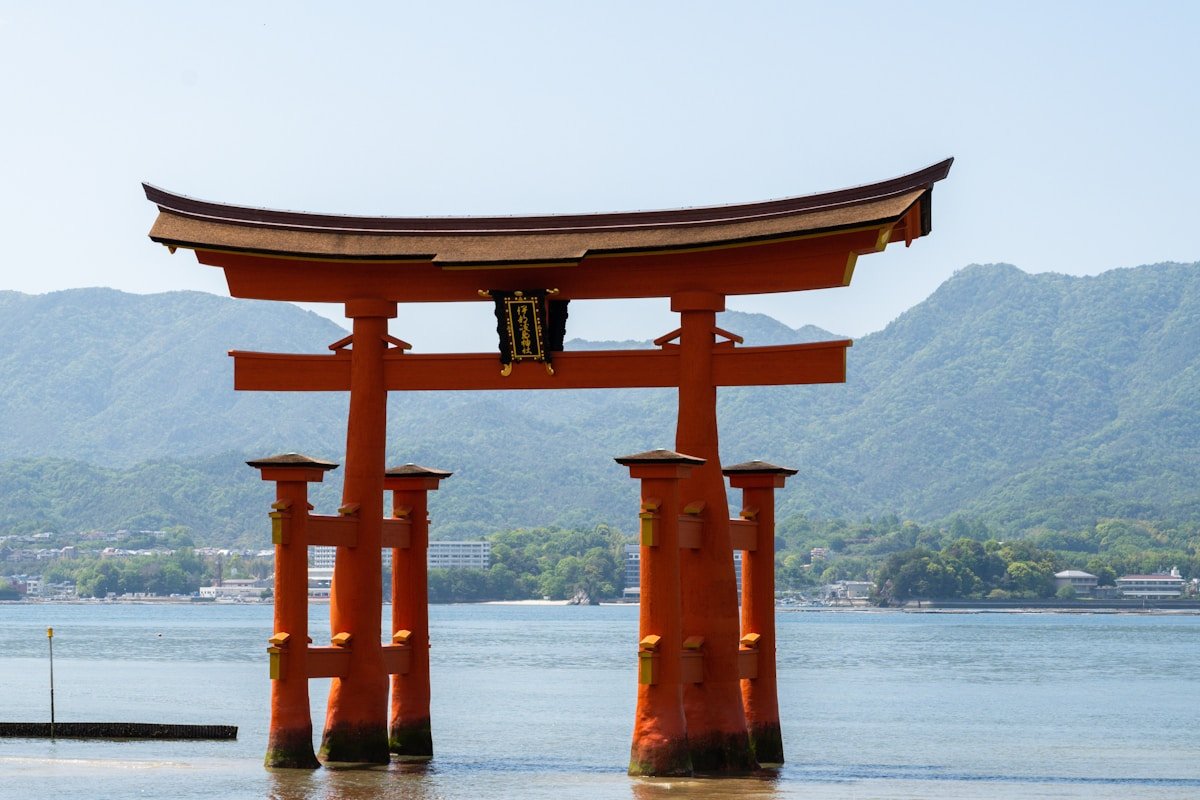
Day two: Take the JR Sanyo Line to Miyajimaguchi (approximately 25 minutes) then the JR ferry to Miyajima Island (approximately 10 minutes, ¥200 / USD 1.30 - free with JR Pass). Walk to the floating torii gate of Itsukushima Shrine (approximately ¥300 / USD 2). Try grilled momiji manju and oysters from the stalls along the approach.
Where to stay: J-Hoppers Hiroshima has dorms from approximately ¥3,000 / USD 20. Hotel Granvia Hiroshima, connected to the station, offers rooms from approximately ¥11,000 / USD 73. Search hotels in Hiroshima on Booking.com
Day 19: Fukuoka
Shinkansen from Hiroshima to Hakata Station in Fukuoka (approximately 60 minutes, ¥9,000 / USD 60).
Fukuoka is the tonkotsu ramen capital of Japan. Eat at the yatai (outdoor food stalls) along the Naka River in Tenjin - stalls open around 18:00 and ramen runs approximately ¥800 / USD 5. During the day, visit Ohori Park (free) and Fukuoka Tower observation deck (approximately ¥800 / USD 5, open 9:30–22:00). Walk through the Canal City shopping complex and the Kushida Shrine (free), which houses a permanent Hakata Gion Yamakasa festival float. Tours and activities in Fukuoka - including street-food yatai tours and Dazaifu day trips - are a good option if you have a second day in the city.
Where to stay: WeBase Hakata has dorms from approximately ¥2,500 / USD 17. Hotel Forza Hakataeki Hakata-guchi offers rooms from approximately ¥9,000 / USD 60. Search hotels in Fukuoka on Booking.com
Days 20–21: Yakushima or Okinawa
Option A - Yakushima: Fly from Fukuoka to Yakushima (approximately 75 minutes, from ¥15,000 / USD 100 one-way on JAL or ANA) or take the Shinkansen to Kagoshima (approximately 75 minutes, ¥10,640 / USD 71) and the high-speed ferry Toppy (approximately 2 hours, ¥9,500 / USD 63 one-way). Yakushima is a UNESCO World Heritage Site of ancient cedar forests. The Shiratani Unsuikyo trail (approximately ¥500 / USD 3 conservation fee, 2–5 hours depending on route) inspired the film Princess Mononoke. The Jomon Sugi, a 7,200-year-old cedar tree, requires a full-day 10-hour hike.
Where to stay on Yakushima: Yakushima South Village has guesthouse rooms from approximately ¥5,000 / USD 33. Search hotels in Yakushima on Booking.com
Option B - Okinawa: Fly from Fukuoka to Naha (approximately 90 minutes, from ¥8,000 / USD 53 on Peach or Jetstar). Explore Shuri Castle (approximately ¥400 / USD 3, open 8:30–18:00), stroll Kokusai-dori street, and spend day two on a beach in Chatan or snorkelling at Kerama Islands (day trip ferries from Tomari Port, approximately ¥3,000 / USD 20 return).
Where to stay in Okinawa: Koza Guest House has dorms from approximately ¥2,500 / USD 17. Hotel Anteroom Naha offers rooms from approximately ¥8,000 / USD 53. Search hotels in Okinawa on Booking.com
Transport Strategy
The 14-day JR Pass (approximately ¥80,000 / USD 533 as of 2026) covers the most intensive travel portion of this trip. Activate it on day 5 (Nikko day trip) and it will last through day 18 (Hiroshima/Miyajima). For days 1–4 in Tokyo, use the 72-hour Metro pass plus a Suica card. For the final Fukuoka–Yakushima/Okinawa leg, book flights or ferries separately - the Kagoshima–Yakushima high-speed ferry (Toppy) can be booked in advance through the operator’s website.
If you skip the JR Pass entirely and buy point-to-point tickets, the total Shinkansen and limited express cost for this route runs approximately ¥95,000–110,000 / USD 633–733.
Daily Budget Breakdown
| Category | Budget | Mid-Range | Comfort |
|---|---|---|---|
| Accommodation | ¥3,000–4,000 | ¥8,000–12,000 | ¥15,000–25,000 |
| Food | ¥2,500–3,500 | ¥4,000–6,000 | ¥8,000–15,000 |
| Transport | ¥1,000–2,000 | ¥2,000–3,000 | ¥3,000–5,000 |
| Activities | ¥500–1,000 | ¥1,500–2,500 | ¥3,000–5,000 |
| Daily total | ¥7,000–10,500 | ¥15,500–23,500 | ¥29,000–50,000 |
All prices are approximate as of 2026. Budget figures assume hostels and konbini meals; mid-range assumes business hotels and restaurant lunches; comfort assumes ryokans and multi-course dinners.
Final Notes
Three weeks is the sweet spot for a first comprehensive Japan trip. It covers the essential Golden Route cities, adds the alpine character of central Japan (Takayama, Kanazawa), and still leaves room for a southern detour that most shorter itineraries miss. The pace allows for slow mornings and unplanned discoveries - something that a 10-day trip rarely permits.
See also: Tokyo travel guide · Kyoto travel guide · Osaka travel guide · Hiroshima travel guide · Kanazawa travel guide · Takayama travel guide · Fukuoka travel guide · Two weeks in Japan · Onsen guide Japan · Ryokan guide Japan · Japan Rail Pass guide · Tokyo long-stay guide · Kyoto long-stay guide · Fukuoka long-stay guide · Kanazawa long-stay guide
Book Your Trip
Flights - search and compare on Flights to Japan guide · Aviasales eSIM - stay connected with Japan eSIM guide · Airalo Travel insurance - get covered with Japan travel insurance guide · VisitorsCoverage Airport transfers - book with Kiwitaxi Car rental - compare with Car hire in Japan guide · GetRentaCar Tours and activities - browse GetYourGuide