A week in Japan works if you resist the urge to see everything. This itinerary commits to the two cities that matter most on a first visit - Tokyo (3 nights) and Kyoto (2 nights) - then finishes with Nara’s deer and Osaka’s neon food streets (1 night) before flying out of Kansai International. One Shinkansen ride, no backtracking, no 6am packing panics.
Two things to arrange before departure: an Airalo eSIM for Japan so Google Maps works from the arrivals hall, and travel insurance - VisitorsCoverage can be taken out for exactly seven days.
Overview and Budget
| Day | Base | Highlights |
|---|---|---|
| 1 | Tokyo | Arrival, Asakusa, Senso-ji at dusk |
| 2 | Tokyo | Meiji Shrine, Harajuku, Shibuya |
| 3 | Tokyo | Tsukiji, teamLab, Shinjuku at night |
| 4 | Kyoto | Shinkansen, southern Higashiyama, Gion |
| 5 | Kyoto | Fushimi Inari, Arashiyama |
| 6 | Osaka | Nara en route, Dotonbori at night |
| 7 | Osaka | Castle or aquarium, fly out of KIX |
Daily budget per person (room, food, local transport, entry fees), as of 2026:
A realistic 7-day total excluding international flights: ¥85,000 budget, ¥180,000 mid-range, ¥350,000+ comfort.
Days 1–3: Tokyo
Stay near a Yamanote line station. Mid-range: Hotel Gracery Shinjuku (from approximately ¥18,000/night) or Dormy Inn Premium Shibuya (around ¥15,000, rooftop onsen and free 10pm ramen). Budget: Khaosan Tokyo Origami in Asakusa (dorms from ¥4,000) or UNPLAN Kagurazaka (from ¥4,500). Comfort: The Tokyo Station Hotel (from ¥55,000) puts the Shinkansen platform under your room for day 4. Search hotels in Tokyo on Booking.com
Day 1 - land and ease in. From Haneda, the monorail plus Yamanote gets you to most hotels in under an hour (around ¥700). If you are arriving with heavy luggage or want a direct transfer, Welcome Pickups operates from both Haneda and Narita at a fixed price. Head to Asakusa for late afternoon: Senso-ji temple glows after 5pm when the gates stay open and the crowds leave. Street-food dinner on Nakamise-dori and Hoppy-dori - yakitori, melonpan, and beer for under ¥2,500.
Day 2 - the west side. Meiji Shrine when it opens (free), Takeshita-dori in Harajuku, the Shibuya Crossing, and Shibuya Sky at sunset (¥2,500 - book online a week ahead, sunset slots sell out first). Dinner at Uobei Shibuya, where sushi arrives by high-speed rail at ¥120–¥360 a plate, or Ichiran ramen (around ¥1,200) for the solo-booth experience.
Day 3 - markets and digital art. Breakfast at Tsukiji Outer Market - tamagoyaki skewers (¥200) and a maguro bowl (from ¥1,500). Late morning at teamLab Planets in Toyosu (¥3,800, timed entry, book two weeks ahead - if you left it late, our last-minute tours page shows what still has open spots this week). Evening in Shinjuku: Omoide Yokocho’s smoke-filled yakitori alleys (sets from ¥1,500) and the free 45th-floor observation deck of the Metropolitan Government Building.
Days 4–5: Kyoto
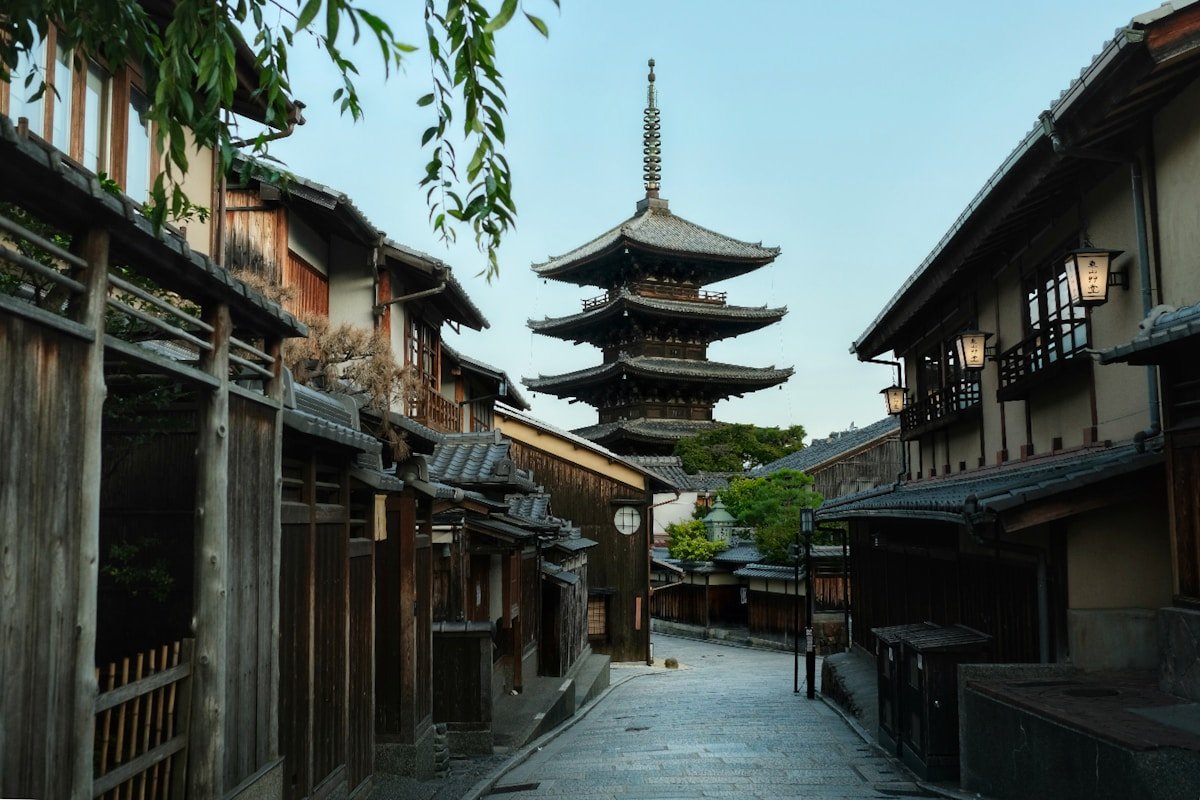
Day 4 - Shinkansen and Higashiyama. The Nozomi from Tokyo to Kyoto takes 2h15 (¥14,170 reserved, as of 2026 - buy at any JR ticket machine or the JR website in advance, no pass needed). Drop bags and walk southern Higashiyama: Kiyomizu-dera (¥500), down the preserved lanes of Sannenzaka and Ninenzaka to the Yasaka Pagoda, ending in Gion at dusk. Dinner: okonomiyaki at Gion Tanto (around ¥1,500) or kaiseki at Gion Karyo (from ¥12,000, reserve ahead).
Stay downtown for value - Hotel Resol Kyoto Kawaramachi Sanjo (from ¥13,000) or Piece Hostel Sanjo (dorms from ¥3,800). If a traditional inn is on your list, this is the city for it: smaller Higashiyama ryokan run ¥18,000–¥30,000 per person including dinner and breakfast - our ryokan guide explains how the pricing and etiquette work. Tours and activities in Kyoto - guided temple walks, tea ceremony experiences, and early-access Fushimi Inari tours - are worth booking ahead during peak season. Search hotels in Kyoto on Booking.com
Day 5 - icons day. Fushimi Inari at 7am - the torii tunnels are free, open 24 hours, and empty before 8. Climb to the Yotsutsuji viewpoint (about 45 minutes). Train across town to Arashiyama for the bamboo grove (free), Tenryu-ji (¥800), and lunch - yudofu tofu hot pot from ¥3,800 at Shoraian, or grab a ¥600 croquette and riverside bench instead. Evening: graze Nishiki Market before stalls close around 6pm.
Days 6–7: Nara and Osaka
Day 6 - Nara en route to Osaka. Check out, lock luggage at Kyoto Station (¥700 for a large coin locker), and take the JR Nara line (45 minutes, ¥720). Todai-ji’s Great Buddha hall (¥800) and the bowing deer of Nara Park (crackers ¥200) take a half day. Continue to Osaka-Namba on the Kintetsu line (about 40 minutes, ¥680). Tonight is Dotonbori: takoyaki at Wanaka Sennichimae (¥600 for 8), kushikatsu at Daruma (skewers ¥150–¥400), and the Glico runner sign for the obligatory photo.
Stay in Namba - Cross Hotel Osaka (from ¥12,000), or First Cabin Namba pods (¥5,500–¥7,500) for a comfortable capsule-style night. Our Osaka where-to-stay guide compares Namba against Umeda in detail. For guided tours in Osaka - street food walks, castle tours, and cooking classes - browse Osaka activities on GetYourGuide. Search hotels in Osaka on Booking.com
Day 7 - departure. With a morning to spare, choose Osaka Castle (¥600, grounds free) or the excellent Osaka Aquarium (¥2,700). The Nankai Rapi:t airport express runs Namba to Kansai International in 38 minutes (¥1,490).
Transport Summary and Tips
Total intercity transport: roughly ¥18,500 as of 2026 (Tokyo–Kyoto ¥14,170, Kyoto–Nara ¥720, Nara–Namba ¥680, Namba–KIX ¥1,490, plus metro). Skip the ¥50,000 JR Pass - it cannot pay for itself on this route.
If you cannot book an open-jaw flight and must return to Tokyo, swap the route’s direction: take the Shinkansen to Kyoto on day 1 (jet lag makes the train a welcome rest), work backwards through Osaka and Nara, and finish with Tokyo on days 5–7 so your final night is near the departure airport. The costs are identical apart from one extra Kyoto–Tokyo leg (¥14,170), which makes the 7-day JR Pass borderline - run the numbers before dismissing it.
Three practical notes. First, get an IC card (Suica or ICOCA, via iPhone Wallet or at any station) - it works on metros, buses, and konbini nationwide. Second, carry some cash: smaller restaurants and shrines remain cash-only. Third, if you can stretch the trip, three extra days transform it - our 10 days in Japan itinerary adds a Hakone onsen night and a slower pace through the same arc.
See also: 10 days in Japan itinerary · Japan Golden Route · 3 days in Tokyo itinerary · Tokyo travel guide · Kyoto travel guide · Osaka travel guide · Japan Rail Pass guide · Getting around Japan · Taiwan vs Japan comparison
Book Your Trip
Flights — search and compare on Aviasales eSIM — stay connected with Airalo Travel insurance — get covered with EKTA Airport transfers — book with Kiwitaxi Car rental — compare with GetRentaCar Tours and activities — browse GetYourGuide