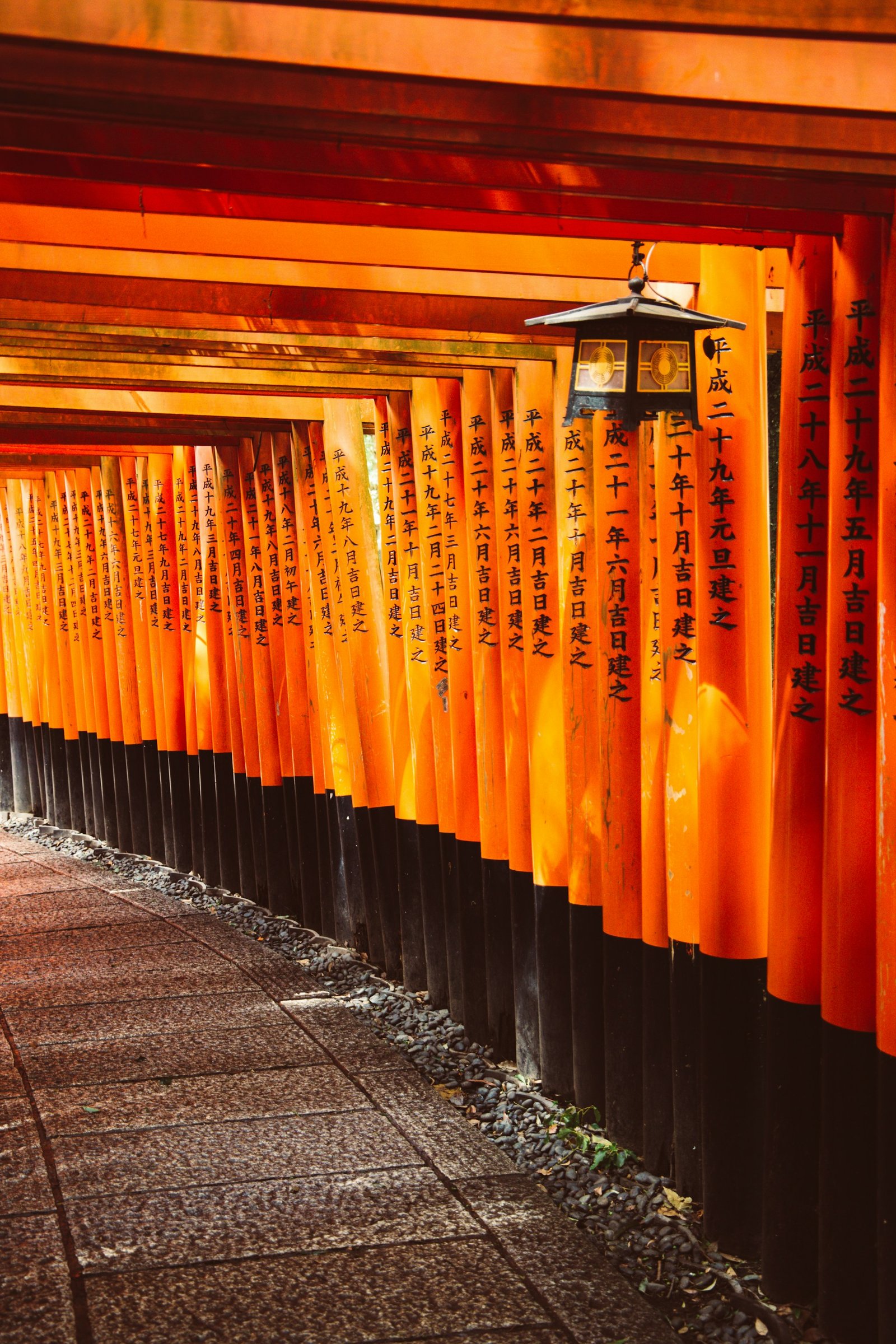
Kyoto rewards structure more than almost anywhere in Japan. The city holds over 1,600 Buddhist temples, 400 Shinto shrines, and 17 UNESCO World Heritage sites across an area roughly the size of Chicago - without a plan, you spend more time on buses than in front of anything worth seeing. This itinerary groups sights by district, each day walkable with short transit links between areas.
Before you arrive, activate an Airalo eSIM for Japan - Google Maps is essential in Kyoto where many shrines are not signposted in English. Book temple tickets in advance where noted; several sites now require pre-booking and sell out weeks ahead.
Getting to Kyoto
From Tokyo, the Shinkansen Nozomi reaches Kyoto in approximately 2 hours 15 minutes (approximately ¥13,320 / USD 89 one-way as of 2026). The Hikari and Kodama stop at Kyoto too - only the Nozomi passes through without stopping. From Osaka, the JR Kyoto Line takes 15 minutes from Osaka Station (¥580 / USD 4). Book Shinkansen seats in advance during peak seasons - cherry blossom (late March to mid-April) and autumn foliage (mid-November) see trains sell out days ahead.
From Kansai International Airport (KIX), the Haruka Limited Express runs direct to Kyoto Station in approximately 75 minutes (approximately ¥2,880 / USD 19 as of 2026). The airport limousine bus takes approximately 90 minutes and costs approximately ¥2,600 / USD 17. For a private door-to-door transfer from KIX, Welcome Pickups is worth considering if you are arriving with family or substantial luggage.
Transport in Kyoto
Buy a one-day bus pass (approximately ¥700 / USD 5) from the bus information centre at Kyoto Station, or load a Suica or ICOCA IC card for individual rides (¥230–310 per trip within the city). The Karasuma Subway Line runs north–south and is faster than buses during peak hours. A two-day subway pass (approximately ¥960 / USD 6.40) is worth buying if you plan to use the subway frequently on days two and three.
Key bus routes: Bus 100 connects Kyoto Station with Gion, Kiyomizu-dera, and the Heian Shrine. Bus 101 and 102 link Kyoto Station with Kinkaku-ji and Daitoku-ji. The JR Sagano Line reaches Saga-Arashiyama Station from Kyoto Station in 15 minutes (¥240 / USD 1.60).
Where to Stay
Budget: Len Kyoto Kawaramachi - dorm beds from approximately ¥3,200 / USD 21, private rooms from ¥8,500 / USD 57. Located in Kawaramachi, a 20-minute walk from Gion and steps from the Keihan Line for Fushimi Inari. The ground-floor café makes it a social base.
Mid-range: Dormy Inn Premium Kyoto Ekimae - rooms from approximately ¥12,000 / USD 80. Five-minute walk from Kyoto Station, in-house natural hot spring bath (onsen), free late-night ramen. Practical location for early starts to Fushimi Inari. Search hotels in Kyoto on Booking.com
Upper mid-range: Hotel Monterey Kyoto - rooms from approximately ¥18,000 / USD 120. Centrally located near Shijo, Art Nouveau–influenced interiors, and a rooftop with Kyoto skyline views.
All prices approximate as of 2026.
Day 1: Eastern Kyoto - Fushimi Inari, Kiyomizu-dera, Gion
Day one covers the most famous sites in Kyoto. Start early to beat the crowds at Fushimi Inari - by 8:00 the lower torii gates are already filling up; by 10:00 the paths are packed.
Morning: Fushimi Inari Taisha
Fushimi Inari Taisha is free and open 24 hours, but the shrine buildings at the base open at approximately 8:30. The main draw is the Senbon Torii - thousands of vermilion torii gates winding up Mount Inari through cedar forest. The complete mountain circuit takes 2–3 hours; most visitors turn back at the Yotsutsuji intersection (about 40 minutes up), which already offers views over southern Kyoto.
Take the JR Nara Line from Kyoto Station to Inari Station (2 minutes, ¥150 / USD 1). The shrine is a 2-minute walk from the station exit.
For breakfast, Vermillion Espresso on the approach to the shrine serves excellent filter coffee and toast from approximately ¥600 / USD 4. They open at 8:00, making it ideal for an early start.
Midday: Kiyomizu-dera and Higashiyama
From Fushimi Inari, take the JR Nara Line back to Tofukuji Station, then transfer to the Keihan Line north to Kiyomizugojo Station (total approximately 20 minutes). Walk up through Ninenzaka and Sannenzaka - two preserved stone-paved lanes lined with craft shops and tea houses. This 15-minute walk is one of the best short routes in Kyoto and leads directly to the temple.
Kiyomizu-dera charges approximately ¥500 / USD 3 entry (as of 2026, open 6:00–18:00, extended hours during cherry blossom and autumn foliage seasons). The wooden veranda stage - “jumping from the stage of Kiyomizu” is a Japanese expression for taking a leap of faith - projects over a hillside forest and frames the pagoda perfectly. Allow 45–60 minutes.
Lunch: Tousuiro on Ninenzaka (before the temple) serves tofu kaiseki lunch sets from approximately ¥2,200 / USD 15. For something lighter, Kasagi-ya at the top of Ishibei-koji alley sells matcha zenzai (sweet red bean soup with mochi) from approximately ¥800 / USD 5.
Afternoon: Gion and Yasaka Shrine
Walk north from Kiyomizu-dera along Kiyomizuzaka and into Gion, Kyoto’s historic geisha district. The narrow machiya townhouses along Hanamikoji-dori and the quieter Shirakawa-minami-dori canal are the most photogenic stretches - best walked between 15:00 and 17:00 when the light is warm. Occasional maiko and geiko pass through the district between 17:00 and 18:00 as they travel to evening engagements; give them space and do not photograph them without permission.
Yasaka Shrine at the west end of Gion is free and open 24 hours - worth walking through in the late afternoon. The stone lanterns lining the approach are lit from dusk.
Dinner in Gion: Gion Kappa on Kitatsuji-cho serves traditional Kyoto obanzai (small sharing dishes) from approximately ¥1,800–2,800 / USD 12–19 per person. For ramen, Gogyo on Nishikiyamachi-dori offers a distinctive charred tonkotsu broth from approximately ¥1,100 / USD 7. Book ahead for Gogyo during peak season.
For a guided evening walking experience in Gion, browse Kyoto evening tours - lantern-lit Gion walks run most nights and keep groups small.
Day 2: Central and Northern Kyoto - Kinkaku-ji, Ryoan-ji, Arashiyama
Day two covers the northwest of Kyoto and the Sagano area - a geographically spread-out day that works best with an early start and a flexible approach to the order.
Morning: Kinkaku-ji and Ryoan-ji
Kinkaku-ji (Golden Pavilion) is the single most visited site in Kyoto and the crowds reflect it. Arrive at opening (9:00) to beat tour groups. Entry is approximately ¥500 / USD 3 (as of 2026). The gold-leaf pavilion reflected in Kyokochi pond is the main view - allow 30–45 minutes total, as the path is a one-way loop.
From Kyoto Station, take Bus 101 or 102 directly to Kinkakuji-michi (approximately 40 minutes, ¥230 / USD 1.50).
Walk 15 minutes south (or take a short taxi, approximately ¥700 / USD 5) to Ryoan-ji, famous for its dry rock garden - 15 stones arranged in white gravel that cannot all be seen simultaneously from any single viewpoint. Entry is approximately ¥600 / USD 4 (open 8:00–17:00 March–November, 8:30–16:30 December–February). The garden is deceptively simple; allow 20–30 minutes to sit with it properly.
Breakfast near Kinkaku-ji: Kinkakuji Cafe at the temple exit serves matcha soft cream and tea sets from approximately ¥500 / USD 3. For a proper breakfast, walk to Sarasa Nishijin near the Nishijin textile district (10 minutes south of Ryoan-ji) - a café in a converted bathhouse serving thick toast and coffee from approximately ¥800 / USD 5.
Lunch and Afternoon: Arashiyama
Take Bus 59 or 26 from Ryoan-ji west to Arashiyama (approximately 30 minutes, ¥230 / USD 1.50), or take a taxi (approximately ¥1,200 / USD 8).
Arashiyama Bamboo Grove is a short (300-metre) walk through towering bamboo - impressive early in the morning or on cloudy days, but often congested by 11:00. It is immediately north of Tenryu-ji and free to walk through.
Tenryu-ji is the area’s main Zen temple and one of Kyoto’s finest gardens (approximately ¥500 / USD 3 for garden only, ¥800 / USD 5 including temple buildings, open 8:30–17:00). The pond garden, with Arashiyama mountain as borrowed scenery, is one of the best examples of shakkei (landscape-borrowing) in Japan.
Lunch: Arashiyama Yoshimura next to Togetsu-kyo bridge serves hand-rolled soba with mountain vegetable tempura sets from approximately ¥1,600 / USD 11. The riverside terrace seats fill quickly - arrive before 12:00 or after 14:00. For a lighter option, Rakushisha Café near the bamboo grove serves matcha and seasonal sweets from approximately ¥700 / USD 5.
After lunch, walk north along the Oi River to Jojakko-ji - a quieter mossy temple on the hillside above Arashiyama, entry approximately ¥500 / USD 3. The stone steps up through the maple trees are one of the best autumn foliage spots in Kyoto. A 15-minute walk further uphill reaches Nison-in, another peaceful temple with a long autumn foliage avenue (approximately ¥500 / USD 3).
Return to Kyoto via the JR Sagano Line from Saga-Arashiyama Station to Kyoto Station (15 minutes, ¥240 / USD 1.60).
Dinner: Musubi Cafe near Nijo Castle serves modern Kyoto cuisine with seasonal vegetable dishes from approximately ¥1,500–2,200 / USD 10–15. Alternatively, head to the Nishiki Market covered arcade (closes around 18:00) for street food - yakitori, yuba (tofu skin), and fresh pickles.
Day 3: Day Trip to Nara or Uji Tea District
Day three works as a flexible day. Both Nara and Uji are easy half-day trips from Kyoto, or you can combine a morning at one with an afternoon back in Kyoto.
Option A: Nara
Nara is 45 minutes from Kyoto by JR Miyakoji Rapid (approximately ¥720 / USD 5) or 35 minutes by the private Kintetsu Kyoto Line from Kyoto Station (approximately ¥760 / USD 5 - faster and more frequent, directly into central Nara).
Todai-ji, housing the world’s largest bronze Buddha (15 metres tall), charges approximately ¥600 / USD 4 entry (open 7:30–17:30 April–October, reduced hours in winter). The hall itself is enormous - even the model in the corridor showing what the original full site looked like is larger than most European cathedrals. Allow 45–60 minutes.
The approximately 1,200 free-roaming deer in Nara Park are the city’s most photographed attraction. Buy deer crackers (shika senbei) from vendors for approximately ¥200 / USD 1.30 - the deer have learned to bow for them. The park is free to wander.
Kasuga Taisha, reached via a 20-minute walk through Nara Park, is an active Shinto shrine with over 3,000 stone and bronze lanterns. Entry to the inner compound is approximately ¥500 / USD 3 (open 6:30–17:30). The lantern lighting events in February and August are worth planning around if your dates align.
Lunch in Nara: Nakatanidou near Higashimuki shopping street is famous for hand-pounded mochi - watch the rhythmic pounding and buy a bag of yomogi mochi from approximately ¥600 / USD 4. For a full lunch, Edoichi on Sanjo-dori serves kakinoha-zushi (sushi wrapped in persimmon leaves) sets from approximately ¥1,400 / USD 9.
Guided Nara tours from Kyoto typically include Todai-ji, the deer park, and Kasuga Taisha with a guide who handles the timing - useful if you want to understand the Buddhist and Shinto context rather than self-navigate.
Option B: Uji Tea District
Uji is 17 minutes south of Kyoto by JR Nara Line (¥240 / USD 1.60) - a compact town centred on the Uji River and Japan’s finest matcha production area.
Byodoin Temple is one of Japan’s most recognisable buildings - the Phoenix Hall appears on the ¥10 coin. Entry is approximately ¥700 / USD 5 (open 8:30–17:30 as of 2026). Arrive early; entry to the Phoenix Hall interior requires a timed ticket (additional ¥300 / USD 2) and queues build quickly.
The tea shops along Uji-bashi Dori let you try gyokuro, tencha, and matcha in their source region. Nakamura Tokichi is the most established - matcha parfaits from approximately ¥1,200 / USD 8, traditional tea ceremony sets from approximately ¥2,200 / USD 15. Taihoan, the city-run tea house in Uji Park, offers a more affordable tea ceremony experience at approximately ¥500 / USD 3.
Uji Shrine and Ujigami Shrine (Japan’s oldest surviving Shinto shrine building, UNESCO listed, free entry) are a 10-minute walk from Byodoin through a forest path along the river.
Afternoon Back in Kyoto
Whether you return from Nara or Uji by 14:00, the afternoon leaves time for anything missed earlier - the covered Nishiki Market (closes 18:00), Nijo Castle (entry approximately ¥800 / USD 5, open 8:45–16:00, closed Tuesdays), or the geisha district of Gion at dusk.
Final dinner: Gion Nanba on Shimbashi serves traditional kaiseki-style bento boxes at accessible prices (approximately ¥3,000 / USD 20 per person) in a machiya townhouse setting. For something more casual, Ramen Sen no Kaze near Kyoto Station serves rich chicken shio ramen from approximately ¥980 / USD 7.
Daily Budget Summary
| Category | Budget | Mid-Range |
|---|---|---|
| Accommodation | ¥3,200–5,000 | ¥12,000–18,000 |
| Food | ¥2,000–3,500 | ¥5,000–9,000 |
| Transport | ¥700–1,200 | ¥700–1,500 |
| Activities / entry fees | ¥1,000–2,000 | ¥2,500–5,000 |
| Daily total | ¥6,900–11,700 | ¥20,200–33,500 |
All prices in JPY, approximate as of 2026. USD conversions use approximately ¥150 = USD 1.
Key Tips
See also: Kyoto travel guide · Things to do in Kyoto · Where to stay in Kyoto · Best restaurants in Kyoto · Kyoto food guide · Kyoto day trips · Getting around Kyoto · Best tours in Kyoto · Japan Golden Route itinerary · One week in Japan itinerary
Tours & Activities
Kyoto rewards booking ahead. Cherry blossom season (late March to mid-April) and autumn foliage (November) see popular experiences sell out 2–3 weeks in advance.
Three experiences worth reserving before you arrive: early-access Fushimi Inari guided walks starting at 6:30am before tour buses arrive (from approximately ¥3,500); matcha tea ceremony in a machiya townhouse in Gion, typically 45 minutes with a kimono fitting option (from approximately ¥2,500); and evening lantern walks through Higashiyama, covering Yasaka Shrine, the Ninenzaka stone lanes, and Gion at dusk when the crowds thin.
Browse Kyoto tours on GetYourGuide
Book Your Trip
Flights - search and compare on Flights to Japan guide · Aviasales eSIM - stay connected with Japan eSIM guide · Airalo Travel insurance - get covered with Japan travel insurance guide · VisitorsCoverage Airport transfers - book with Kiwitaxi Car rental - compare with Car hire in Japan guide · GetRentaCar Tours and activities - browse GetYourGuide