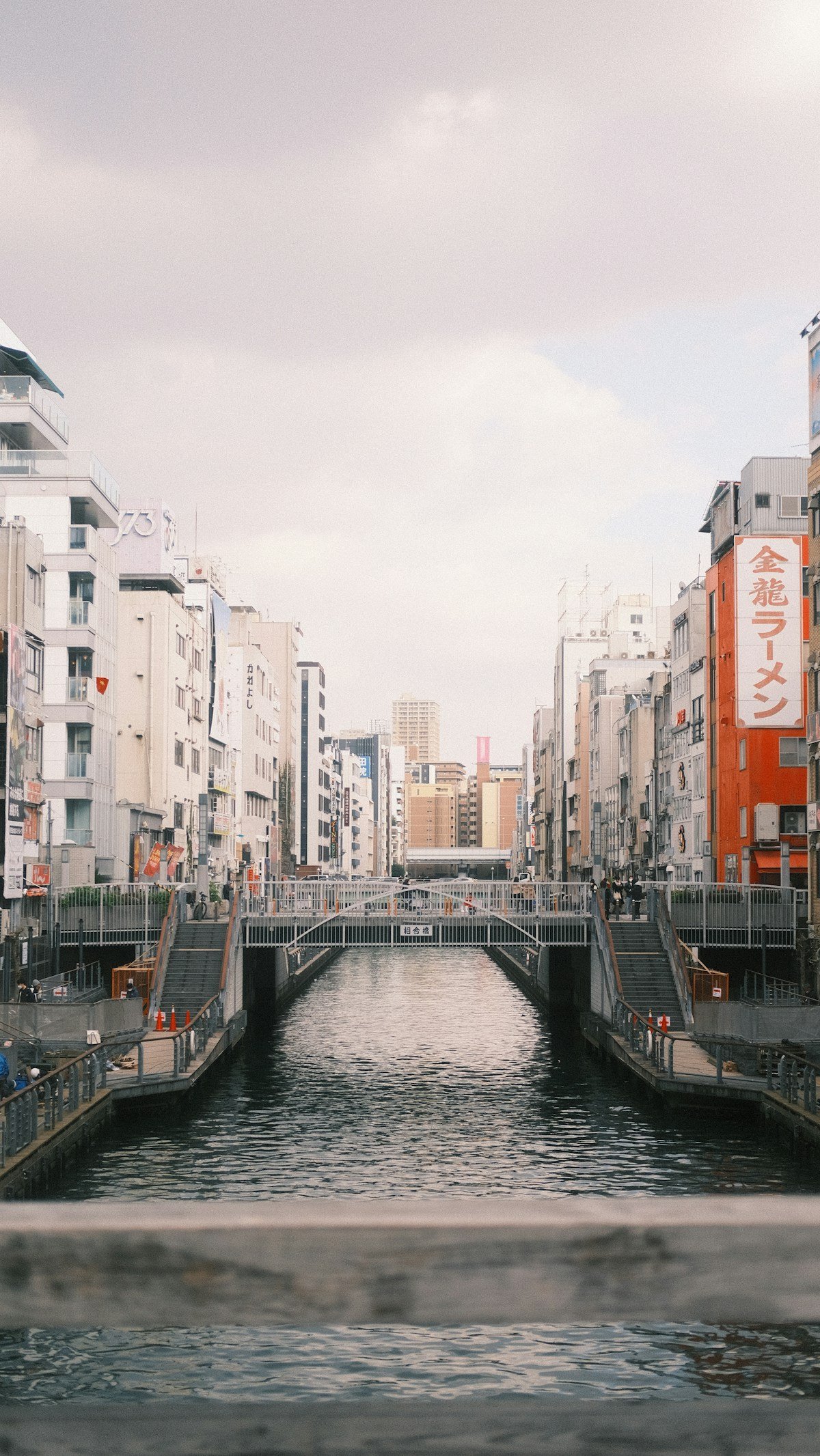
Three days is the sweet spot for Osaka. Long enough to eat your way through Dotonbori, climb Osaka Castle, lose yourself in Shinsekai’s retro streets, and still squeeze in a day trip to ancient Nara or the mountain monastery of Koya-san - short enough that you leave wanting more. This itinerary is built around food, because in Osaka, food is the point.
Where to Stay in Osaka
Namba and Shinsaibashi put you within walking distance of Dotonbori, Kuromon Market, and the subway lines that reach every other attraction. These are our recommended picks by budget tier.
Budget (approx ¥3,000–5,000/night per person as of 2026) The Playroom Hostel Shinsaibashi offers clean private capsules and a sociable lounge - ideal for solo travellers. Namba Hana Hostel is a short walk from Kuromon Market and costs around ¥3,500/night for a dorm bed. Toco Osaka Heritage Hostel near Tennoji gives a neighbourhood feel if you want to skip the tourist strip. Search hotels in Osaka on Booking.com
Mid-range (approx ¥10,000–16,000/night as of 2026) Cross Hotel Osaka sits in the heart of Namba and has a rooftop that justifies the price bump. Dormy Inn Premium Namba is a Japanese business hotel chain favourite - great breakfast spread, tiny onsen on the top floor, reliable quality. Vessel Hotel Campana Osaka is another solid pick with well-priced doubles and an easy walk to Dotonbori.
Comfort (approx ¥35,000–60,000/night as of 2026) W Osaka makes a statement - ultra-modern rooms in the Shinsaibashi shopping district. The St. Regis Osaka on Midosuji Boulevard covers business-district luxury. For something Japanese in spirit, Ritz-Carlton Osaka overlooking the Nakanoshima canal is the standard-bearer.
Day 1: Dotonbori, Kuromon Market & Namba
Morning: Kuromon Ichiba Market
Start early at Kuromon Ichiba Market (黒門市場), Osaka’s 200-year-old kitchen. Arrive by 9am to catch vendors setting up fresh tuna, fat oysters, and wagyu skewers before the crowds. A morning stroll here costs nothing, and grazing on oysters (approx ¥100–200 each as of 2026) is the best breakfast in the city.
From Kuromon, it is a 10-minute walk south to Dotonbori.
Breakfast/Snack: Kuromon Ichiba stalls - graze on oysters, grilled scallops, and tamagoyaki (Japanese egg omelette). Budget approx ¥500–1,500 per person.
Afternoon: Dotonbori & Namba
Dotonbori (道頓堀) is Osaka’s most recognisable street - the canal walk lined with giant mechanical crabs, the Glico Running Man billboard, and more takoyaki stands per square metre than anywhere on earth. Walk both sides of the canal before it gets crowded, then head inland to Shinsaibashi-suji covered shopping arcade for window shopping and people-watching.
Lunch: Imai Honten (今井本店), one of Osaka’s most respected udon restaurants, just off Dotonbori. A bowl of kitsune udon - sweet tofu skin on thick, silky noodles - costs approximately ¥900–1,200 as of 2026.
Evening: Street Food Circuit
Osaka evenings belong to the street and the izakaya. Walk the Dotonbori strip after dark when the neon reflects off the canal water and every restaurant has someone outside with a loudspeaker. This is takoyaki country.
Dinner option 1: Kani Doraku (かに道楽) - the crab restaurant with the mechanical claw sign is a Dotonbori institution. Set menus start from approximately ¥3,500 per person as of 2026.
Dinner option 2: Kinryu Ramen (金龍ラーメン) - open 24 hours right on the canal, it serves a straightforward tonkotsu-soy bowl for approximately ¥750 as of 2026. Perfect for a cheap, fast fix when you want to keep moving.
Dinner option 3: Ichiran Ramen Namba - the famous solo-booth ramen experience. One customisable bowl costs approximately ¥980 as of 2026.
Day 2: Osaka Castle, Tennoji & Shinsekai
Morning: Osaka Castle
Osaka Castle (大阪城) opens at 9am. The exterior and surrounding park are free; entry to the castle tower museum costs approximately ¥600 per adult as of 2026. The eight-floor museum covers the castle’s history through the Toyotomi clan and the Osaka Summer Campaign of 1615. The observation deck on the 8th floor gives the best skyline view in the city.
Allow 1–2 hours for the castle, plus time to walk the moat and grounds. The parkland around the castle is worth a slow lap - cherry blossoms in April, plum blossoms in February.
Transport: From Namba, take the Osaka Metro Midosuji Line to Tanimachi 4-chome (approx ¥230, 10 minutes).
Breakfast: 7-Eleven or FamilyMart inside the castle park sells hot sandwiches and onigiri from approx ¥150 each - Japan’s convenience store breakfast is genuinely good. If you want a sit-down option, the castle park’s JO-TERRACE complex has coffee shops from 8am.
Afternoon: Tennoji & Abeno
Head south to Tennoji, Osaka’s quieter alternative to Namba. The Tennoji Zoo (approx ¥500 admission as of 2026) is one of Japan’s oldest and connects to Tennoji Park. Abeno Harukas, Japan’s second-tallest building, has observation decks on the 58th and 60th floors with clear views to Osaka Bay - admission is approximately ¥2,000 as of 2026.
Lunch: Ganso Kushikatsu Daruma Tennoji - Daruma is the original home of Osaka’s kushikatsu (deep-fried skewers of meat and vegetables). A set of 10 skewers plus rice costs approximately ¥1,500–2,000 as of 2026. The single-dipping rule (no double-dipping in the shared sauce) is posted on every table.
Evening: Shinsekai
Shinsekai (新世界) is retro Osaka - a neighbourhood built in 1912 to mimic Paris and New York that evolved into a working-class entertainment district. The Tsutenkaku Tower (通天閣) lit in neon is the neighbourhood’s symbol; admission to the observation deck costs approximately ¥800 as of 2026 and the views over the Shinsekai grid are memorable at dusk.
The streets around Tsutenkaku are dense with yakitori stalls, mahjong parlours, and cheap izakayas. This is where Osaka eats without performing for tourists.
Dinner: Yaekatsu (八重かつ) - a beloved kushikatsu counter in Shinsekai, standing-only, with skewers from approximately ¥100–200 each as of 2026. Order the menchi (minced beef) and the lotus root.
Day 3: Day Trip to Nara or Koya-san
Option A: Nara (Recommended for First-Timers)
For a guided Nara day trip from Osaka - covering Todai-ji, the deer park, and Kasuga Taisha with commentary - browse Nara tours on GetYourGuide. Useful if you want the historical context without the navigation overhead.
Nara is 45 minutes from Osaka by the Kintetsu Nara Line (direct from Namba, approximately ¥680 one-way as of 2026). Arrive by 9am before tour buses descend.
Nara Park is home to approximately 1,200 wild sika deer that have lived around the temples since the 8th century. They bow back when you bow to them - allegedly - and they will absolutely eat your map. Deer crackers (shika senbei) cost approximately ¥200 per pack from park vendors.
Todai-ji Temple houses the world’s largest bronze Buddha, a 15-metre seated figure in a cedar hall so large it looks small. Admission costs approximately ¥800 per adult as of 2026.
Kasuga Taisha Shrine is a 20-minute walk through the deer park - lantern-lined paths lead to one of Japan’s most atmospheric Shinto shrines. Free to enter the outer precincts; the inner sanctuary costs approximately ¥500 as of 2026.
Lunch in Nara: Harishin - a long-running kaiseki-style lunch restaurant near Todai-ji. Set lunch menus run approximately ¥1,500–3,000 as of 2026.
Return to Osaka by 4pm to leave time for any shopping or evening dining you missed.
Option B: Koya-san (For Something Extraordinary)
Koya-san (高野山) is the mountain headquarters of Shingon Buddhism, founded by the monk Kukai in 816 CE. It sits 900 metres above Osaka in the Wakayama mountains.
Travel time is approximately 1 hour 45 minutes via the Nankai Koya Line from Namba (approx ¥1,600 one-way as of 2026) plus cable car and bus.
The Okunoin Cemetery - Japan’s largest, with over 200,000 stone monuments and the mausoleum of Kukai himself - is unmissable, especially in the predawn light. Entry is free. The Kongobuji Temple complex charges approximately ¥1,000 admission as of 2026 and includes Japan’s largest rock garden.
Staying overnight in a temple lodging (shukubo) is one of the best Japan travel experiences; rooms with vegetarian Buddhist meals (shojin ryori) start from approximately ¥12,000 per person as of 2026 and must be booked weeks in advance.
Per-Day Budget Breakdown
Budget Traveller (approx ¥8,000–11,000/day)
- Accommodation: ¥3,500–5,000 (hostel dorm)
- Food: ¥2,500–3,500 (convenience stores, ramen, standing bars)
- Transport: ¥600–1,200 (IC card, Osaka Metro day pass approx ¥800)
- Attractions: ¥600–1,800 (Osaka Castle, one or two paid sights)
Mid-Range Traveller (approx ¥18,000–26,000/day)
- Accommodation: ¥10,000–16,000 (business hotel, private room)
- Food: ¥4,000–6,000 (sit-down restaurants, one izakaya dinner)
- Transport: ¥800–1,500 (IC card, some taxis)
- Attractions: ¥1,500–3,000 (castle, observation deck, Nara day trip)
Comfort Traveller (approx ¥45,000+/day)
- Accommodation: ¥35,000–60,000+ (upscale hotel)
- Food: ¥8,000–15,000 (kaiseki lunch, quality izakaya or sushi dinner)
- Transport: ¥1,500–3,000 (IC card, taxis as needed)
- Attractions: ¥2,000–4,000 (same sights, just more of them)
Practical Tips
Getting around Osaka: The Osaka Metro day pass costs approximately ¥800 (weekdays) or ¥600 (weekends) as of 2026 and covers all eight subway lines. Most of the city’s main attractions are within the subway network.
IC card: Load a Suica or ICOCA card (minimum ¥2,000 including ¥500 deposit) at any station. Use it for all subway, JR, and convenience store payments.
Osaka Amazing Pass: For ¥2,800 (1-day) or ¥3,600 (2-day) as of 2026, this pass includes unlimited subway rides and free admission to 40+ attractions including Tsutenkaku Tower and Abeno Harukas. Worth it if you plan to hit multiple paid sights in a single day.
Language: English signage is good throughout Namba and the tourist areas. Away from those zones, Google Translate’s camera mode (instant sign translation) is essential.
Book Your Trip
Flights - search and compare on Flights to Japan guide · Aviasales eSIM - stay connected with Japan eSIM guide · Airalo Travel insurance - get covered with Japan travel insurance guide · VisitorsCoverage Airport transfers - book with Kiwitaxi Car rental - compare with Car hire in Japan guide · GetRentaCar Tours and activities - browse GetYourGuide
Frequently Asked Questions
Is 3 days enough for Osaka? Three days covers the main highlights well - Dotonbori, Osaka Castle, Shinsekai, and one day trip. You will not run out of things to eat. If you want to also visit Kobe or spend more time in Nara, add a fourth day.
Should I visit Nara or Koya-san from Osaka? Nara is easier, faster, and better for first-time Japan visitors - the deer and temples are immediately accessible. Koya-san is more remote and more rewarding for travellers with some Japan experience who want atmosphere over convenience.
What is the best area to stay in Osaka? Namba or Shinsaibashi. Both sit on the Midosuji subway line and give you walking access to Dotonbori, Kuromon Market, and the main entertainment streets. Tennoji is quieter and cheaper but slightly further from the main action.
Can I use the JR Pass to get from Osaka to Nara? Yes. The JR Yamatoji Line runs from Osaka/Tennoji to Nara in approximately 35 minutes and is covered by the JR Pass. The Kintetsu Nara Line from Namba is direct and often more convenient if you are based in the Namba area (not covered by the JR Pass).
What should I eat in Osaka? In priority order: takoyaki (octopus balls), okonomiyaki (savoury pancake), kushikatsu (deep-fried skewers), and fresh tuna or oysters at Kuromon Market. For full meals, ramen and udon joints are excellent value throughout the city.