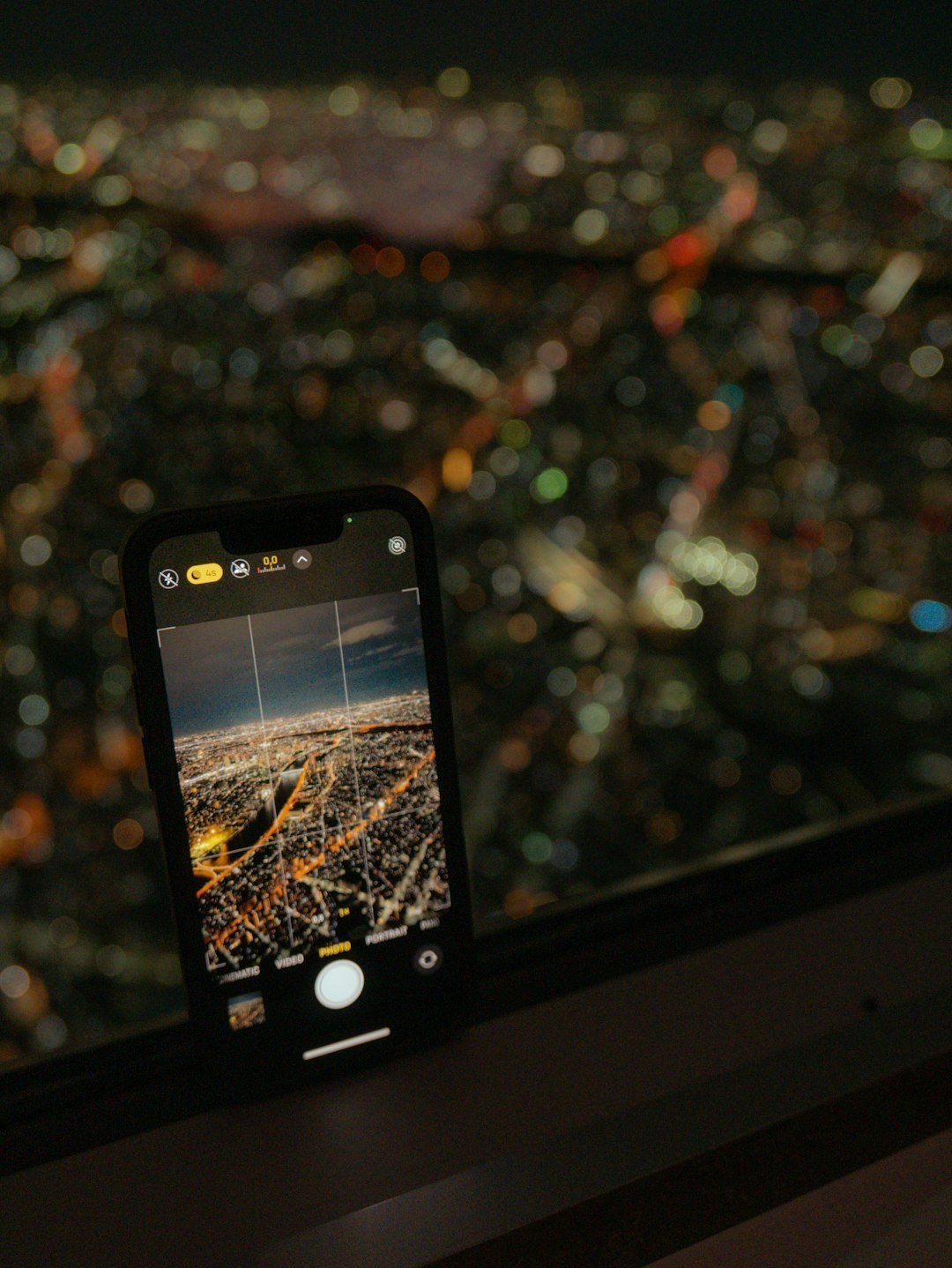
Staying connected in Japan is easier than it used to be, but picking the right data plan still matters. Japan’s networks - NTT Docomo, SoftBank, and au (KDDI) - deliver near-universal 4G/LTE coverage and solid 5G in urban centres, so the question isn’t coverage quality. It’s whether you want a physical SIM card from the airport or an eSIM installed before you board.
We use eSIMs for every Japan trip now. No queue at the airport kiosk, no fumbling with a SIM tray tool, no worrying about losing your home SIM. If your phone supports eSIM (most phones released after 2019 do), it’s the cleanest option by a wide margin.
Here’s what we’ve learned about the main providers.
eSIM vs Physical SIM Card in Japan
Before picking a provider, it’s worth knowing what you’re comparing against.
Physical tourist SIMs are available at Narita, Haneda, and Kansai airport counters from IIJmio, B-Mobile, and Japan SIM Card vendors. A typical 30-day/10GB card costs approximately ¥3,500–¥4,500 (around USD 23–30 as of 2026). They’re data-only - no voice calls. You’ll need to swap your home SIM out on arrival.
eSIMs install remotely via a QR code or app. You keep your home SIM active for calls and texts. Pricing per GB tends to be slightly higher than physical SIMs, but the convenience gap is significant. No airport queue, no jet-lag fumbling, works the moment you land.
One important limitation: Japan tourist SIMs and most eSIMs are data-only. If you need to make Japanese phone calls - booking restaurants, contacting ryokan, calling taxis - use a VoIP app like WhatsApp or Google Voice over data, or rent a pocket WiFi device if you need an actual Japanese number.
Airalo vs Holafly vs Nomad: Provider Comparison
These three dominate the Japan eSIM market for English-speaking travellers.
| Feature | Airalo | Holafly | Nomad |
|---|---|---|---|
| Network | SoftBank / Docomo | SoftBank | Docomo |
| Speed | 4G/LTE + 5G areas | 4G/LTE | 4G/LTE + limited 5G |
| Data type | Finite GB | Unlimited (throttled after cap) | Finite GB |
| Tethering | Yes | No | Yes |
| App required | Yes (or QR) | QR code | App or QR |
| Customer support | In-app chat | Email / chat | Email / chat |
Airalo is our top pick for most travellers. The app is polished, the pricing is transparent, and the SoftBank/Docomo network fallback means you’re rarely without signal even in rural areas. Tethering support is useful if you’re travelling with a companion or need to connect a laptop.
Holafly sells “unlimited” data, which is appealing, but read the fine print: speeds drop to around 1 Mbps after a daily threshold (typically 500MB–1GB depending on the plan). That’s fine for messaging and maps but frustrating for video or large uploads. The no-tethering restriction is a dealbreaker for many.
Nomad sits between the two. Docomo coverage is excellent - arguably the most consistent across rural Japan and in tunnels. Nomad’s app is less slick than Airalo’s, but plans are competitively priced and the data is genuinely unrestricted.
Japan eSIM Pricing: 7, 14, and 30-Day Plans (as of 2026)
Prices fluctuate slightly with exchange rates and seasonal promotions. Figures below are approximate as of mid-2026.
Airalo Japan Plans
| Plan | Data | Price (approx.) |
|---|---|---|
| 7-day / 3GB | 3GB | USD 8 |
| 7-day / 5GB | 5GB | USD 12 |
| 14-day / 10GB | 10GB | USD 18 |
| 30-day / 20GB | 20GB | USD 27 |
| 30-day / 50GB | 50GB | USD 45 |
For a typical 7–10 day trip with moderate use (Google Maps, social media, some streaming), the 5GB plan is comfortable. Power users or those doing video calls daily should size up to 10GB.
Holafly Japan Plans
| Plan | Data | Price (approx.) |
|---|---|---|
| 5-day unlimited | Unlimited* | USD 19 |
| 10-day unlimited | Unlimited* | USD 27 |
| 15-day unlimited | Unlimited* | USD 34 |
| 30-day unlimited | Unlimited* | USD 44 |
*Throttled after daily threshold. Not suitable for tethering.
Nomad Japan Plans
| Plan | Data | Price (approx.) |
|---|---|---|
| 7-day / 3GB | 3GB | USD 10 |
| 15-day / 10GB | 10GB | USD 20 |
| 30-day / 20GB | 20GB | USD 30 |
Which plan size do you need?
- Light use (maps, messaging, occasional social): 3GB per week
- Moderate use (maps, streaming music, video calls occasionally): 5–6GB per week
- Heavy use (remote work, video streaming, hotspot sharing): 10GB+ per week
If you’re travelling the Golden Route (Tokyo → Kyoto → Osaka) in 10 days, a 10GB Airalo plan covers almost everyone comfortably. Add a Hokkaido or Kyushu leg and step up to 20GB.
City-by-City Coverage in Japan
Japan’s main networks reach everywhere tourists typically go. Here’s what to expect city by city.
Tokyo - Docomo, SoftBank, and au all deliver strong 5G in central wards (Shinjuku, Shibuya, Akihabara, Roppongi). Underground in the Tokyo Metro system there’s full 4G in most stations and many tunnel sections. Dead zones are rare.
Osaka - Coverage mirrors Tokyo. The Dotonbori strip, Umeda, and Namba have excellent signal. Universal Studios Japan (USJ) has solid 4G throughout the park.
Kyoto - 4G/LTE is consistent across the city. Arashiyama bamboo grove, Fushimi Inari, and Gion all have reliable signal. The mountainous areas north of the city (Kurama, Ohara) can drop to weaker 4G or occasionally 3G - not an issue for navigation but don’t count on smooth video calls.
Sapporo - Full 4G/LTE across the city centre and Odori Park area. Ski resorts on the outskirts (Niseko, Rusutsu) have patchy coverage on the slopes themselves - download trail maps offline before heading up.
Hiroshima - Strong coverage across the city, Peace Memorial Park area, and Miyajima Island. The Itsukushima ferry has signal throughout. No surprises.
Fukuoka - One of Japan’s most connected cities. Canal City, Hakata station, and Tenjin all have excellent 5G-capable coverage. Day trips to Dazaifu (plum blossoms, Tenmangu shrine) maintain solid 4G throughout.
Step-by-Step: Activating Your Japan eSIM
Before you leave home
- Check eSIM compatibility - Go to Settings on your phone. On iPhone: Settings → General → About → scroll to find “eSIM” or “Available SIMs”. On Android: Settings → Network → SIM cards. If you’re unsure, Google your exact phone model.
- Unlock your phone - If you’re on a carrier contract (especially in the US or UK), your phone may be locked. Call your carrier and request an unlock before travelling.
- Purchase your plan - Buy through the Airalo app or website. You’ll receive a QR code or direct app installation link.
Installing the eSIM
iPhone: Settings → Mobile Data (or Cellular) → Add eSIM → Use QR Code → scan the QR code from your purchase confirmation.
Android (Samsung, Pixel, etc.): Settings → Connections → SIM Manager → Add eSIM → scan QR code. Steps vary slightly by manufacturer.
The eSIM downloads in under a minute. You’ll see it appear as a second line in your settings.
Activating on arrival in Japan
Most Airalo plans activate automatically when your phone connects to a Japanese tower. If it doesn’t activate within 10 minutes of landing:
- Open Settings → Mobile Data (or Cellular)
- Make sure the Japan eSIM is set as the data SIM (not your home SIM)
- Toggle airplane mode off, wait 30 seconds
- If still no data: Settings → Mobile Data → Japan eSIM → select “NTT Docomo” or “SoftBank” manually under network selection
Managing dual SIM
While in Japan, set your Japan eSIM as the data SIM and keep your home SIM active for calls and texts. On iPhone: Settings → Mobile Data → Default Voice Line (home SIM) and Default Data (Japan eSIM). You’ll use data from your Japan plan for everything internet-related while still receiving calls and SMS on your home number.
Pocket WiFi: The Alternative
Pocket WiFi rental is popular in Japan and widely used by visitors who want to connect multiple devices without individual SIMs. Rental units are available at airports - collect on arrival and return on departure (usually in a pre-paid return envelope).
Pricing is approximately ¥700–900 per day as of 2026 for standard units. The downsides: it’s another device to carry and charge. If the battery dies mid-day you lose connectivity, and losing the device usually incurs a significant replacement fee. For solo travellers or couples, individual eSIMs are simpler and cheaper. For families or groups sharing a single connection, pocket WiFi can still make economic sense.
Buying an eSIM at the Airport (if you skipped pre-purchase)
If you land at Narita or Haneda without a plan sorted, head to the telecom counters in the arrivals hall. Most carry physical SIMs rather than eSIM codes, so options are limited for eSIM users. You can still purchase via the Airalo app from the airport WiFi - just connect to the free airport network first, buy your plan, scan the QR code, and you’re live within a couple of minutes.
Kansai airport (KIX) has slightly better eSIM-friendly counters than the Tokyo airports, but the in-app purchase route is faster regardless of where you land.
Pocket WiFi: The Alternative
Pocket WiFi rental is popular in Japan and widely used by visitors who want to connect multiple devices without individual SIMs. Rental units are available at airports - collect on arrival and return on departure via a pre-paid envelope.
The downsides: it’s another device to carry and charge. If the battery dies mid-day, you lose connectivity. If you lose the device, there’s often a significant replacement fee. For solo travellers or couples, individual eSIMs are simpler. For families or groups sharing a single connection, pocket WiFi can still make sense on cost.
Our Recommendation
For most Japan trips, Airalo gives the best balance of price, network quality, and app convenience. Buy a 10GB plan for a standard 10-day trip, or a 20GB plan if you’re doing intensive research, content creation, or connecting others via hotspot.
Holafly’s unlimited plans suit travellers who’d rather not think about data limits and are happy to accept throttling - good for casual scrollers, not for anyone using Japan’s bullet train network as a remote office.
Nomad is worth considering if you specifically want Docomo coverage - it’s the most consistent in mountain areas and on rural Shinkansen routes.
Whichever provider you choose, set it up before you board. Arriving at Narita with a working data connection makes everything - immigration queues, train apps, translation - dramatically less stressful.
Get your Japan eSIM from Airalo →
Plan Your Trip
- Flights - Find the best fares to Japan
- Hotels - Search hotels in Japan on Booking.com
- Travel Insurance - Get covered before you go
- eSIM - Stay connected from landing
- Car Rental - Compare prices across providers
- Tours and activities - Browse experiences on GetYourGuide