Kyoto holds more designated national treasures than any other city in Japan - over 2,000 temples and shrines, centuries of preserved streetscapes, and a living tradition of arts and crafts that survived the modernisation that reshaped most other Japanese cities. These four experiences represent some of the best ways to access that depth: through tea ceremony, the Gion geisha district, Arashiyama’s bamboo grove, and the vast torii gate tunnel at Fushimi Inari.
Prices are approximate as of 2026.
Top Tours at a Glance
Here is a quick comparison of specific top-rated tours in Kyoto on GetYourGuide:
| Tour | Duration | Price (from) | Highlights |
|---|---|---|---|
| Tea Ceremony with Maiko | 45 min | from approximately $40 | Matcha with maiko, wagashi, small group |
| Meet the Geisha Maiko with Gion Walking Tour | 2.5 hrs | from approximately $68 | Hanamikoji walk, teahouse encounter, maiko |
| Arashiyama Bamboo Grove, Monkey Mountain Walking Tour | 4 hrs | from approximately $40 | Bamboo grove, Tenryuji, matcha, Monkey Park |
| Fushimi Inari Taisha Guided Walking Tour | 2-3 hrs | from approximately $30 | Upper and lower torii trails, fox symbolism |
| Early Morning Tour: Fushimi Inari and Gion | 4.5 hrs | from approximately $50 | Pre-crowd Fushimi Inari, Gion walk |
| Arashiyama Hidden Temples and Bamboo Grove Tour | 3 hrs | from approximately $35 | Off-path temples, uncrowded bamboo routes |
| Full-Day Private Tour with Licensed Guide | 4-8 hrs | from approximately $120 | Custom route, nationally licensed guide |
Browse all Kyoto tours on GetYourGuide
Tours by Traveller Type
Not every Kyoto tour suits every visitor. Here is how we break down the best options by what you are actually looking for.
Families with Children
The Arashiyama Bamboo Grove, Monkey Mountain Walking Tour works exceptionally well for families because it combines three things children engage with directly: the immersive green tunnel of the bamboo grove, the free-roaming macaques at Monkey Park Iwatayama, and a matcha tasting that doubles as sensory education. The tour runs four hours at a pace that suits younger visitors and removes all navigation stress in an area that can be confusing without local knowledge.
Families with children aged eight and above can also try the Tea Ceremony with Maiko - the 45-minute format is short enough for children’s attention spans, and watching a maiko demonstrate the ceremony creates a memorable cultural contact point that is rare outside of Kyoto.
Solo Travellers
The Early Morning Tour: Fushimi Inari and Gion suits solo visitors particularly well. The small-group format keeps costs reasonable without the awkwardness of a private tour, and the early morning departure means you experience Fushimi Inari’s lower tunnel before tour buses arrive - the difference in atmosphere between 6am and 10am at this shrine is dramatic. The Gion walk adds a culturally rich dimension to what becomes a genuinely full morning.
Solo visitors who want flexibility for the afternoon may prefer the standalone Fushimi Inari Taisha Guided Walking Tour, which covers the upper trail network and ends in time to explore the Fushimi sake district independently.
Budget Travellers
The Fushimi Inari Taisha Guided Walking Tour is Kyoto’s best value guided experience - the shrine has no entry fee, so you are paying only for a guide who transforms a walk through torii gates into a structured education in Shinto cosmology and the history of Inari worship. The upper trail access alone justifies the cost; most unguided visitors never make it past the photogenic lower sections where crowds gather.
For an affordable tea ceremony, the standard Tea Ceremony with Maiko at approximately ¥4,000 to ¥6,000 delivers the essential elements - matcha preparation, wagashi, and cultural context - without the higher price of premium private sessions.
Culture Seekers
The Meet the Geisha Maiko with Gion Walking Tour is the most culturally layered experience in this list. It combines a guided walk through Hanamikoji and the Gion Shirakawa canal district with an actual encounter with a maiko in a teahouse setting - not a staged performance for large groups, but an intimate session that includes the opportunity to ask questions directly. The guide explains the ochaya system, the structure of maiko apprenticeship, and why the geiko tradition survived in Kyoto when it faded almost everywhere else in Japan.
Pairing this with the Tea Ceremony with Maiko Premium creates a full day focused on Kyoto’s living cultural traditions rather than temple architecture alone.
Adventure and Outdoor Enthusiasts
The Arashiyama Hidden Temples and Bamboo Grove Tour is the active choice - a walking route through the Arashiyama hills that extends to less-visited temple complexes on the wooded slope above the river. The guide navigates routes that most independent visitors never find, and the distance covered is considerably more than a standard bamboo grove walk. Good footwear is recommended for the hillside sections.
For Fushimi Inari, the full summit circuit at 233 metres elevation combined with a knowledgeable guide via the Fushimi Inari Taisha Guided Walking Tour is genuinely more demanding than photographs suggest - mossy upper paths, steep sections, and sub-shrine complexes where atmosphere is entirely different from the crowded lower trail.
Luxury Travellers
The Full-Day Private Tour with Nationally Licensed Guide sets the standard for Kyoto luxury touring. A nationally licensed guide - the highest qualification level in Japanese tourism - provides expertise that amateur guides cannot match. The itinerary is completely customisable: morning tea ceremony at an Urasenke or Omotesenke affiliated venue, a private walk through Gion before tourist crowds arrive, lunch at a kaiseki restaurant with a guide-secured reservation, and an afternoon at whichever temples or craft studios interest you most.
An alternative for couples is the Arashiyama Customized Rickshaw Tour and Bamboo Forest - a private rickshaw through the bamboo grove and surrounding lanes with a guide who doubles as driver and cultural narrator. The experience is entirely private and exceptionally photogenic.
Tea Ceremony in Kyoto
The Japanese tea ceremony - chado, “the way of tea” - is both a practical ritual and a philosophical practice shaped over five centuries. Kyoto is the natural setting for it: the city was the centre of tea culture during the Muromachi and Momoyama periods, and the three main schools of tea (Urasenke, Omotesenke, and Mushanokoji Senke) are still headquartered here.
What a Tourist Tea Ceremony Includes
Standard tourist experiences run 30 to 45 minutes and cost approximately ¥2,500 to ¥4,500. A guide explains the history of chado and the significance of each utensil, demonstrates the preparation sequence, serves wagashi confectionery made to complement matcha, and walks you through preparing your own bowl.
The Tea Ceremony with Maiko adds a genuinely unusual dimension: the ceremony is hosted by a maiko in training, which means you receive both the tea ritual and a rare opportunity to interact with someone at the heart of Kyoto’s geisha culture. The 45-minute session includes matcha, wagashi, and the chance to take photographs with the maiko in kimono.
Recommended Independent Venues
En Tea Ceremony at Kodaiji Temple (approximately ¥3,800): Within the grounds of Kodaiji, one of Kyoto’s most significant Momoyama-period temples. English-speaking instructors. 30-minute sessions; advance booking recommended.
Camellia Tea Experience, Higashiyama (approximately ¥3,500 to ¥5,000): Two-hour instruction-focused session teaching the specific choreography of utensil handling and preparation. Small groups.
Ran Hotei, Nishiki Market area (approximately ¥2,500 to ¥3,000): More casual; sometimes accepts walk-ins off-peak. Good for visitors on tighter schedules.
The Gion Geisha District
Gion is Kyoto’s best-preserved historic district and the centre of the city’s ochaya (teahouse) culture. The Meet the Geisha Maiko with Gion Walking Tour covers both the Hanamikoji and Shirakawa sections with a local guide who can explain the social structure of the ochaya system - context that makes the preserved facades and evening foot traffic legible rather than merely picturesque.
Hanamikoji Street
The south section of Hanamikoji, below Shijo Street, is Gion’s most photogenic stretch: traditional ochaya with latticed wooden facades, stone paving, and low lanterns. In the early evening (approximately 5:30 to 7pm), geiko and maiko can sometimes be seen walking between engagements. Photography etiquette is increasingly formalised - several side streets have enacted photography bans, and blocking paths or pursuing subjects is both socially unacceptable and now signposted in some areas.
Gion Shirakawa
The northern quarter around the Shirakawa Canal is quieter and less commercial than Hanamikoji. Cherry blossoms in late March turn this into one of Kyoto’s most photographed scenes. Year-round, the canal path lined with ochaya and weeping willows is calmer than the tourist-heavy south.
Arashiyama and the Bamboo Grove
The Arashiyama Bamboo Grove, Monkey Mountain Walking Tour covers the main bamboo path and extends significantly beyond it - Monkey Park Iwatayama (where over 100 free-roaming macaques inhabit a hillside above the river), a matcha tasting with wagashi at a local venue, and Tenryuji’s celebrated Zen garden. The four-hour format prevents the rushed feeling common in Arashiyama, where independent visitors frequently find themselves in the bamboo path for 15 minutes and then uncertain what to do next.
For visitors who specifically want to avoid crowds, the Arashiyama Hidden Temples and Bamboo Grove Tour takes deliberate detours away from the main tourist corridor and is particularly well-reviewed by visitors who found so much more on a second Arashiyama visit than they saw independently.
The Bamboo Grove
The main path cuts through dense moso bamboo for approximately 500 metres between Tenryuji Temple’s north gate and Okochi Sanso garden. Free entry, no ticket required. Best before 8am for near-solitude. By 9:30am on weekends, the path fills with visitors.
Hozu River Boat Trip
The 16km river trip from Kameoka to Arashiyama takes approximately 2 hours by traditional wooden boat. Cost: approximately ¥4,100 per adult one-way. Runs March to November.
Fushimi Inari: Thousands of Torii Gates
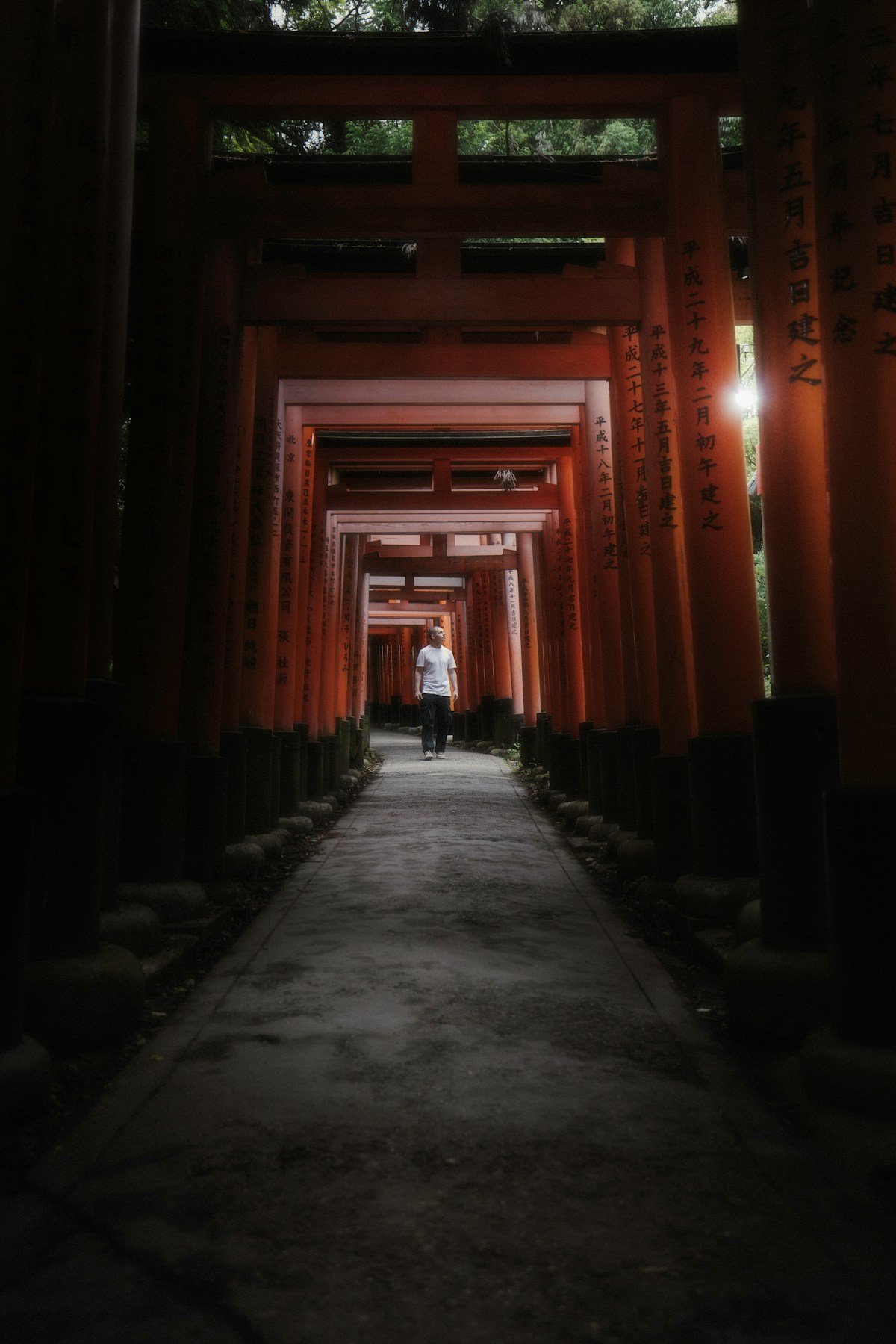
The Fushimi Inari Taisha Guided Walking Tour transforms what is otherwise a pleasant but contextless walk through torii gates into a structured encounter with one of Japan’s most significant Shinto sites. The guide explains the meaning of individual gate inscriptions (each torii was donated by a business or individual with name and date carved on the reverse face), the symbolism of the fox statues, and the agricultural origins of Inari worship that predate the construction of the shrine complex.
The Early Morning Tour: Fushimi Inari and Gion adds a logistical advantage: the 4.5-hour tour uses public transport to combine both sites before the mid-morning tour bus crowds arrive at either location. For visitors with only one morning to spend in southeastern Kyoto, this is the most efficient format available.
Entry and Hours
Free entry. Open 24 hours. Getting there: 5 minutes from JR Inari station (one stop south of Kyoto station on the JR Nara Line) or 7 minutes from Fushimi Inari station on the Keihan Main Line.
Kyoto rewards slow travel - the city’s depth is not accessible in a single pass. Each of these four experiences works well independently, but combining tea ceremony and Higashiyama with an evening in Gion, or pairing a morning in Arashiyama with an afternoon at Fushimi Inari, creates a day with genuine range rather than just checked boxes.
See also: Kyoto travel guide · Things to do in Kyoto · Tea ceremony guide Kyoto · Japan Golden Route · Kansai region guide