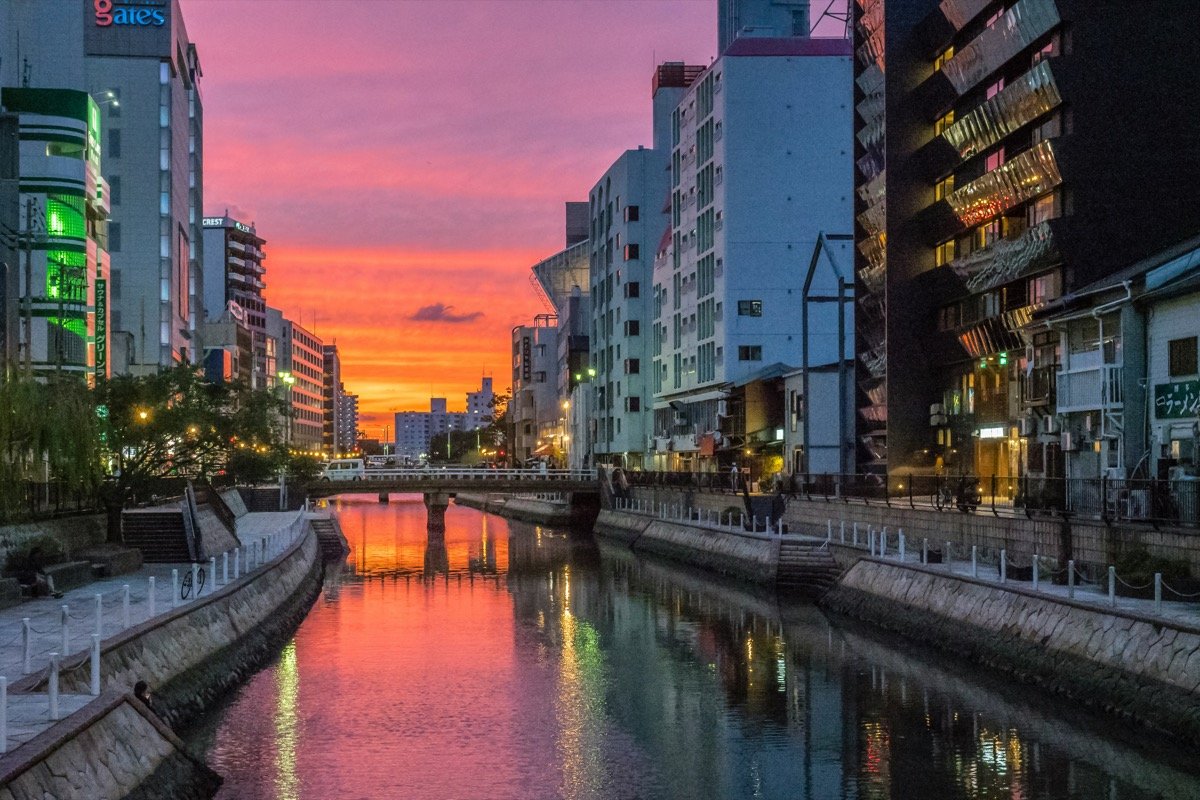
Fukuoka is Japan’s fastest-growing city and its most underrated - a compact, walkable urban core with some of the best street food in the country, an accessible shrine circuit, and easy rail access to Kyushu’s onsen towns and rural highlands. Most visitors to Japan skip Fukuoka entirely, arriving in Tokyo and heading west on the Golden Route to Kyoto and Osaka. That is a genuine miss. Fukuoka has its own very specific pleasures: Hakata ramen at 2am, the yatai street stalls along Nakasu canal, the quiet cedar forest at Dazaifu, and the ceramics tradition at Arita.
Prices are approximate as of 2026.
Top Tours at a Glance
Here’s a quick comparison of specific top-rated tours in Fukuoka on GetYourGuide:
| Tour | Duration | Price (from) | Highlights |
|---|---|---|---|
| Yatai Food Stalls Night Tour with Local Guide | 2.5–3 hrs | from approximately $40 as of 2026 | Guide, 4–5 yatai stops, ramen, yakitori, Tenjin district |
| Private Eat Like a Local Food Tour | 3 hrs | from approximately $80 as of 2026 | Custom route, yakitori, tonkotsu ramen, mentaiko tastings |
| Private Evening Yatai Food Tour | 2.5 hrs | from approximately $75 as of 2026 | Private guide, yatai circuit, yakitori, rich tonkotsu broth |
| Nakasu Food Stall Private Guided Tour with Tastings | 2–3 hrs | from approximately $65 as of 2026 | Nakasu riverfront stalls, oden, yakitori, ramen, stewed specialties |
| Private Fukuoka Night: Yatai Food Tour and River Cruise | 3 hrs | from approximately $120 as of 2026 | Yatai dining + river cruise, romantic format for couples |
| Fukuoka’s Sacred Path: Temples, History and Culture | 3 hrs | from approximately $35 as of 2026 | Shofukuji Zen Temple, Kushida Shrine, Sumiyoshi Shrine |
| Hakata Old Town Cultural and Food Walking Tour | 2.5 hrs | from approximately $40 as of 2026 | Jotenji Temple, Tochoji, Hakata neighbourhood streets |
| Fukuoka: Hakata Ramen Tasting Tour | 2 hrs | from approximately $45 as of 2026 | Two top-rated Hakata ramen shops, guide, tonkotsu history |
| Nanzoin Temple and Dazaifu Day Trip with Lunch | Full day | from approximately $55 as of 2026 | Nanzoin reclining Buddha, Dazaifu Tenmangu, lunch included |
| Yanagawa River Cruise and Lunch Private Guided Tour | Full day | from approximately $90 as of 2026 | Kawakudari canal boat, traditional donko-bune, eel lunch |
Browse Fukuoka tours on GetYourGuide
Tours by Traveller Type
Fukuoka’s tour scene is dominated by its food culture, and the yatai format — open-air covered stalls serving ramen, yakitori, and drinking snacks from around 18:00 — is the defining experience. Here is how the available tours suit different kinds of visitor.
Families with Children
The Nakasu Food Stall Private Guided Tour with Tastings works well for families with older children. The private format allows for flexibility — if children are tiring, the guide can adjust the route and pacing without disrupting a group schedule. The riverside Nakasu setting is atmospheric and far less overwhelming than Dotonbori-scale crowds in Osaka, and the oden, yakitori, and ramen stops introduce children to Japanese food in approachable small-portion formats that work better than full restaurant sittings.
For a daytime family option, the Nanzoin Temple and Dazaifu Day Trip with Lunch takes families out of the city to see the world’s largest bronze reclining Buddha (41 metres long at Nanzoin Temple) and Dazaifu Tenmangu Shrine — a calmer, more scenic day that suits all ages and avoids the late-night format most yatai operate on.
Solo Travellers
The Yatai Food Stalls Night Tour with Local Guide is designed for small groups and is one of the more social experiences in Fukuoka’s tour offering. Meeting at Tenjin, walking through the yatai district with a local guide who knows which stalls are worth the queue, and sharing a ramen counter with five or six international visitors is a natural way to spend an evening alone in an unfamiliar city. Fukuoka’s yatai are social by design — you sit close enough to your neighbours that conversation is natural, and solo visitors consistently report this as one of the more memorable evenings of their Japan trip.
Budget Travellers
The Yatai Food Stalls Night Tour with Local Guide is the most cost-effective guided experience in Fukuoka, starting from approximately $40 as of 2026. Four to five yatai stops over 2.5 hours, with ramen, yakitori, and drinks included — a guide who knows which stalls have the best version of each dish adds genuine value for the modest additional cost over eating independently.
The Day Trip from Fukuoka to Oita: Dazaifu, Beppu, and Yufuin, starting from approximately $39 as of 2026, covers three Kyushu destinations in a single day with transport included — one of the lowest-priced full-day tour options on the entire platform and a genuine bargain for the distance and variety covered.
Culture Seekers
The Fukuoka’s Sacred Path: Temples, History and Culture tour is a three-hour guided walk through the heart of Hakata covering Shofukuji Zen Temple (Japan’s first Zen temple, founded in 1195), Kushida Shrine (the city’s spiritual anchor and host of the Hakata Gion Yamakasa festival), and Sumiyoshi Shrine. A guide who can explain the theological distinctions between these sites transforms what would otherwise be a pleasant stroll into a genuinely educational half-day. The Hakata Old Town Cultural and Food Walking Tour extends the cultural walk to include Tochoji Temple and the preserved machiya townhouses of the Hakata neighbourhood, with local food stops woven in — a 2.5-hour format that covers historical and culinary dimensions without requiring visitors to choose between the two.
Adventure and Outdoor Enthusiasts
The Day Trip from Fukuoka to Oita: Dazaifu, Beppu, and Yufuin includes access to the Beppu Ropeway — a cable car that ascends above the city with views across Beppu Bay on clear days — and the Beppu Hells circuit, where boiling red-clay pools, cobalt-blue hot springs, and steam venting from the ground at Umi Jigoku (Sea Hell) create a volcanic landscape unlike anything on the Japanese mainland. This is Kyushu’s most distinctive natural terrain and well worth the day trip from Fukuoka for anyone drawn to active geology and dramatic scenery.
For independent outdoor enthusiasts, Itoshima Peninsula (45 minutes west by Chikuhi Line train) offers coastal walking, surf beaches, and pottery workshops in a rural setting that feels entirely distinct from urban Fukuoka. The twin Futamigaura rocks at Sakurai, connected by a shimenawa rope with a small torii between them, are among the most quietly impressive natural monuments in Kyushu — entirely self-guided and free to visit.
Couples and Date Night
The Private Fukuoka Night: Yatai Food Tour and River Cruise combines the most visually striking elements of Fukuoka’s evening into a single experience — eating at the canal-side yatai as the city lights come on, then a river cruise through the illuminated Naka River with reflections of the neon signs above. The private format means no shared table with strangers at the stalls, and the pacing is entirely your own. For visitors spending a special evening in Fukuoka, this is the most distinctive option on the platform and provides a genuinely different lens on a city most visitors only see through a ramen bowl.
For a daytime romantic option, the Yanagawa River Cruise and Lunch Private Guided Tour takes couples south to Yanagawa for a 70-minute flat-bottomed boat ride through the canal system followed by an eel lunch at a riverside restaurant — an unhurried afternoon that suits visitors who want something more tranquil than urban food-crawling.
Street Food and Yatai Tours
Fukuoka’s most distinctive food institutions are yatai - small covered stalls that set up along the Nakasu canal, Tenjin, and Nagahama districts from around 18:00. Most serve Hakata ramen, yakitori, oden, and small drinking snacks to a mix of office workers, tourists, and regulars.
Hakata Street Food The standard guided format runs 2–3 hours with 4–6 food stops including at least one yatai, costing approximately ¥6,000–¥9,000 per person including food and non-alcoholic drinks. Some operators include a drink at each stop; check before booking. Group sizes are typically 4–10 people. Private food tours from approximately ¥18,000–¥25,000 for two people.
Hakata Ramen Hakata ramen (thin wheat noodles in a milky tonkotsu pork bone broth) is the most imitated regional ramen style in the world. The originals are here. The Fukuoka: Hakata Ramen Tasting Tour covers two top-rated shops in two hours with a professional guide who explains the variations in broth richness, noodle thickness, and toppings between producers - the difference between a 12-hour simmer and a 48-hour simmer is something you can taste once you know what to look for. For a more immersive experience, the Local Ramen Experience in Downtown Fukuoka explores the history of tonkotsu ramen through the Tenjin and Nakasu districts with a guide who grew up eating it. Both cost from approximately ¥4,500 to ¥6,000 per person including tastings. Ichiran and Ippudo both originated in Fukuoka; countless smaller shops serve versions just as good.
Nakasu Night Walk Nakasu - the island between the Naka and Hakata rivers - is Fukuoka’s entertainment district: yatai on the canal banks, nightclubs in the multi-storey towers, and izakaya occupying nearly every ground floor. A guided evening walk through Nakasu with food stops costs approximately ¥5,000–¥7,000 per person. Best on weekdays when crowds are manageable.
Cultural and Historical Tours
Fukuoka City Tour (half-day) The Fukuoka’s Sacred Path: Temples, History and Culture tour is the clearest half-day cultural tour available - three hours through the Hakata district with an English-speaking guide covering Japan’s first Zen temple, the city’s oldest shrine complex, and the neighbourhood streets where Hakata’s merchant and craft guilds once operated. For a full-day private format with a nationally licensed guide, the Fukuoka: Private Walking Tour with Local Guide covers the complete city at a custom pace, from the castle ruins at Maizuru Park to the waterfront at Momochi. Small group half-day tours cost from approximately ¥3,000 to ¥5,000 per person; private full-day tours from approximately ¥15,000 to ¥20,000.
Kushida Shrine Kushida Shrine is Fukuoka’s principal shrine, dating to 757 AD, and the starting point of the Hakata Gion Yamakasa festival in July - when teams of men carry multi-tonne festival floats (yamakasa) through the city at a sprint. One of the floats is on permanent display in the shrine’s museum (entry ¥300). The shrine precincts take 20–30 minutes to explore; admission is free.
Fukuoka Castle Ruins and Maizuru Park Fukuoka Castle was demolished during the Meiji era but the moat, stone walls, and tower base remain on a wooded hill in the centre of Maizuru Park. Best visited during cherry blossom season (late March to early April). Admission to the park is free; a small museum charges ¥200.
Day Trips from Fukuoka
Dazaifu Tenmangu Shrine Dazaifu Tenmangu is the most visited shrine in Kyushu - a large Shinto complex dedicated to Tenjin, the deity of learning and scholarship, built over the grave of Sugawara no Michizane (845-903 AD). The main hall, surrounding plum orchards, and the carp pond make for a relaxed 2-hour visit. Admission is free; the surrounding shopping street sells umegaemochi (plum rice cakes, approximately ¥200 each as of 2026).
Getting there independently: 30 minutes from Tenjin Station via the Nishitetsu Dazaifu Line (¥420 return as of 2026). For a guided experience, the Fukuoka: Dazaifu Tenmangu 2-Hour Private Guide Tour pairs you with a private guide who explains the shrine’s founding history, the plum blossom symbolism tied to Michizane, and the significance of the ox statues scattered throughout the grounds. For visitors who also want to see the Nanzoin reclining Buddha (41 metres long, the largest bronze reclining Buddha in the world), the Nanzoin Temple and Dazaifu Day Trip with Lunch combines both sites with lunch in a full-day format, from approximately $55 as of 2026.
Yanagawa River Boat Tour Yanagawa (45 minutes south of Fukuoka by Nishitetsu express) is a small city famous for its network of canals originally dug as castle moat drainage. Flat-bottomed boat tours through the canals, guided by a gondolier with a pole, run approximately 70 minutes and cost ¥1,700 per person as of 2026. After the cruise, the local dish is unaju - fresh eel over rice, approximately ¥2,500 to ¥3,500. For visitors who want transport, the canal cruise, and lunch all arranged in one booking, the Yanagawa River Cruise and Lunch Private Guided Tour handles the full day from Fukuoka, including the kawakudari boat ride on traditional donko-bune vessels and a guided eel lunch at a riverside restaurant.
Beppu Onsen Day Trip Beppu, 1.5 hours from Fukuoka by limited express (approximately ¥5,000 one-way as of 2026), is Japan’s most prolific hot spring city - over 2,000 individual springs producing 100,000 litres of geothermal water per minute. The Hells (Jigoku) circuit (¥2,200 for combined entry as of 2026) covers eight dramatically different boiling pools. The Day Trip from Fukuoka to Oita: Dazaifu, Beppu, and Yufuin is a full-day itinerary that combines the Dazaifu shrine visit in the morning with Beppu’s Hell Springs and a stroll through the historic streetscapes of Yufuin, covering three very different Kyushu experiences in a single managed day. A more focused option pairing Yufuin and Beppu without the Dazaifu stop is the Fukuoka: Yufuin and Beppu Day Tour, which includes optional brewery visits. Day trips from Fukuoka combining the Hells circuit and a public onsen bath run from approximately ¥12,000 to ¥16,000 per person in a small group as of 2026.
Nagasaki Day Trip Nagasaki is 1 hour 20 minutes from Hakata Station by Kamome Shinkansen (approximately ¥5,360 one-way as of 2026). The Peace Park and Atomic Bomb Museum complement Hiroshima for those visiting both; Dejima (the Dutch trading post island) and the Glover Garden offer a unique perspective on Japan’s engagement with the outside world during the Edo period. The Private Day Trip to Nagasaki from Fukuoka with Bus covers the Peace Park, Urakami Cathedral, and the Nagasaki Atomic Bomb Museum in a private format, with all transport managed from Fukuoka. For a more flexible option, the Fukuoka, Saga, Nagasaki Customizable 1-Day Tour allows itinerary adjustments based on your specific interests between the peace sites and the historical trading port district. Guided day trips from Fukuoka to Nagasaki cost approximately ¥14,000 to ¥20,000 per person as of 2026.
Arita Porcelain Town Arita, 1 hour from Hakata by local train, is the origin of Japanese porcelain production - Kakiemon, Nabeshima, and Arita styles originated here in the 17th century. The town has over 30 kilns and numerous showrooms. The Kyushu Ceramic Museum (free entry) gives the full historical context. Guided tours of Arita with a ceramics workshop typically cost ¥10,000–¥14,000 per person.
Outdoor Activities Near Fukuoka
Itoshima Peninsula 45 minutes west of Fukuoka by Chikuhi Line train, Itoshima is a rural coastal peninsula popular with Fukuoka residents on weekends. The Futamigaura twin rocks at Sakurai (with a small torii gate between them), the beachside cafes, and the pottery workshops attract a younger, creative crowd. Best as a self-guided half-day by local train.
Hiking at Mount Hiko Mount Hiko (1,199m) in Fukuoka Prefecture is a sacred mountain in Shugendo (mountain ascetic practice), with well-maintained hiking trails and a complex of shrines near the summit. From Hikosan Station the ascent takes 1.5–2 hours. Fully independent, no guided tours required.
Getting Around Fukuoka
Fukuoka’s compact layout means most city sights are reachable on the subway (¥200–¥300 per trip) or on foot. The Hakata Station area, Tenjin shopping district, and Nakasu canal are all within 20 minutes’ walk of each other.
For day trips, the Nishitetsu rail network (to Dazaifu and Yanagawa) is separate from JR - a Japan Rail Pass does not cover it. Budget approximately ¥500–¥800 for Nishitetsu day-trip rail fares in addition to any tour cost.
Browse all Fukuoka tours on GetYourGuide for current availability, food tours, cultural walks, and day trip packages from Hakata Station.
See also: Fukuoka travel guide · Things to do in Fukuoka · Kyushu region guide · Fukuoka vs Osaka