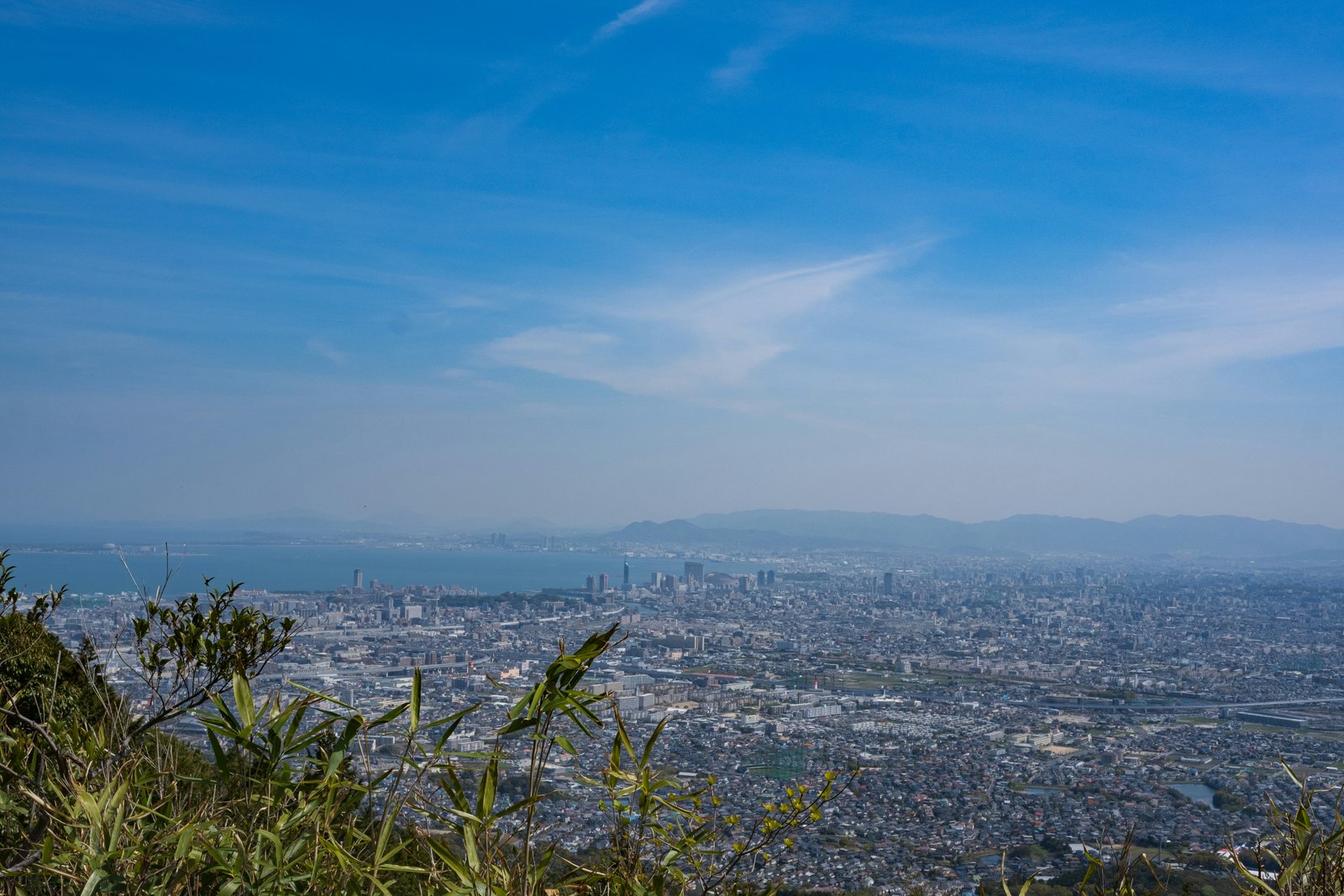
Fukuoka Travel Guide: Ramen, Beaches, and Gateway to Asia
Complete guide to Fukuoka - Japan's fastest-growing city with tonkotsu ramen, yatai street stalls, Hakata culture, and Itoshima beach day trips.
Guides for Fukuoka
Fukuoka is a city of approximately 1.6 million people at the northern tip of Kyushu, Japan’s southernmost major island. It is consistently identified as Japan’s fastest-growing major city - its population has increased every year for over two decades - driven by a young demographic attracted by lower costs than Tokyo or Osaka, a startup-friendly business environment, and a quality of life that places it consistently at or near the top of domestic livability rankings.
Geographically, Fukuoka is the closest major Japanese city to mainland Asia. Seoul is 1 hour 20 minutes by air; Shanghai is 1 hour 40 minutes; Busan in South Korea can be reached by high-speed ferry in approximately 3 hours (¥10,000–¥15,000). This proximity has shaped the city’s character - Korean and Chinese communities have been established in Fukuoka for centuries, and the food culture reflects a long history of cross-strait exchange.
The city divides historically into two distinct areas: Hakata (the eastern merchants’ town, now the location of Hakata Station) and Fukuoka proper (the western samurai town around the castle). Today the administrative boundary has merged them, but the names coexist - visitors arrive at Hakata Station, but the city is called Fukuoka.
Hakata Ward
The Hakata area around the main station retains its historical identity as a merchant district, with Kushida Shrine (free, 1587, Hakata’s guardian shrine) as its centre. The shrine houses a permanent display of the Hakata Gion Yamakasa festival floats - massive constructions used in the July festival when teams race 1-tonne floats through the streets at high speed. The Hakata Machiya Folk Museum (¥200) immediately adjacent to the shrine covers the district’s merchant history and demonstrates Hakata-ori silk weaving, the traditional textile produced here for centuries.
Tenjin Ward
The Tenjin area, 15 minutes west of Hakata by subway, is the main commercial and shopping centre with Tenjin Underground Shopping City, Daimaru and Mitsukoshi department stores, and Canal City Hakata (a large shopping and entertainment complex built around an artificial canal, free entry, water show performances at regular intervals). Tenjin is also where many of Fukuoka’s best yatai concentrate in the evening.
Yatai Street Food Culture
The yatai - open-air street stall - is Fukuoka’s most distinctive contribution to Japanese food culture. Approximately 150 licensed yatai operate across the city each evening from around 6:00pm to 1:00am, setting up their wooden counter stalls in fixed locations on the Nakasu riverbank, in Tenjin-nishi alleyways, and along the Nagahama Port waterfront.
Each stall seats 8 to 12 people at a counter, typically serving tonkotsu ramen (¥900–¥1,100), yakitori grilled skewers (¥200–¥400 each), oden (slow-cooked winter stew components ¥100–¥300 per piece), and a selection of beer, shochu, and sake. The atmosphere is informal and social - conversation between strangers at the counter is common, and the stall operator (usually the owner) knows regulars by name.
Average spend at a yatai is ¥2,000–¥3,000 per person for a meal and drinks. Nakasu Island (the central area between two forks of the Naka River, easily reached from Nakasu-Kawabata subway station) has the highest concentration of tourist-accessible yatai. Tenjin-nishi has more local-oriented stalls.
Hakata Ramen
Fukuoka is the birthplace of the tonkotsu ramen style - milky white pork bone broth made by boiling pork bones at high heat for 8 to 12 hours until the collagen emulsifies and the broth turns opaque. The result is rich, intensely porky, and deeply satisfying. Thin straight noodles (thinner than typical ramen noodles), chashu pork slices, kikurage cloud-ear mushroom, green onion, and benishoga (pickled red ginger) are the standard toppings.
Key establishments:
- Ichiran (original Hakata branch): ¥980 for the classic bowl, consumed in solo wooden booth partitions. The ordering form allows precise customisation of broth intensity, noodle firmness, and topping quantity.
- Ippudo (Watanabe-dori branch): ¥880, cleaner and slightly lighter style than Ichiran.
- Shin-Shin (Tenjin): ¥750, a local favourite with a somewhat gentler broth profile than the most intense Hakata styles.
- Ganso Nagahamaya (Nagahama Port): ¥700, the style associated with late-night port workers - very direct, minimal presentation, excellent.
Fukuoka Castle Ruins
Maizuru Park, surrounding the ruins of Fukuoka Castle (Fukuokajo), covers a substantial green space in the west of the city centre. The castle, built between 1601 and 1607 by Kuroda Nagamasa, was the largest castle in Kyushu - remains of 47 towers and gates are documented, though only a handful of surviving structures remain on the hilltop site. The park is free to enter. Cherry blossoms (late March to early April) draw large crowds to the park and moat area.
Ohori Park
Ohori Park, adjacent to Maizuru Park, is built around a large artificial lake created in the 1930s. The 2-kilometre lakeside path is the most popular recreational walking and jogging route in the city. Rental rowing boats and pedalos are available at the park boathouse (¥1,000–¥1,500/hour). A Japanese garden within the park (¥200) provides a quieter enclosed space. Bicycle rental within the park costs ¥150 per 30 minutes.
Nanzoin Temple
In the suburb of Sasaguri, approximately 30 minutes from Hakata Station by JR (¥330 to Kido-Nanzoin-Mae station), stands a bronze reclining Buddha that is among the largest in the world at 41 metres long and 11 metres tall, weighing approximately 300 tonnes. Entry to the temple grounds is ¥100. The surrounding temple complex extends up a wooded hillside with subsidiary halls, stone Buddhas, and a series of 88 pilgrimage stations replicating the famous Shikoku circuit.
Dazaifu Tenmangu
Dazaifu, 30 minutes from Hakata by Nishitetsu Railway (¥400 approximately), is the site of one of Japan’s most important Shinto shrines: Dazaifu Tenmangu, dedicated to Sugawara no Michizane (845–903), the divine patron of scholarship, learning, and examinations. The shrine attracts students from across Japan who visit to pray for academic success. Entrance to the shrine grounds is free; 6,000 plum trees (ume) bloom in late February to early March.
The approach street (Sando) sells Fukuoka’s iconic souvenir sweet: umegae-mochi (¥150) - a soft mochi rice cake with red bean paste, imprinted with a plum blossom, grilled on a cast-iron plate fresh to order. The Kyushu National Museum (¥700), Japan’s fourth national museum with a focus on Japan’s cultural connections to Asia, sits a 5-minute walk from the shrine via moving walkway.
Guided day trips from Fukuoka to Dazaifu Tenmangu - combining the shrine, Kyushu National Museum, and the Sando street food - are a convenient option for visitors who want historical context without navigating the Nishitetsu Railway independently.
Fukuoka Tower
On the Momochi seafront district, the Fukuoka Tower (¥800, open 9:30am–10:00pm) rises 234 metres and is clad in approximately 8,000 mirror tiles on its lower two-thirds, reflecting sky and sea. The 123-metre observation deck provides views of Hakata Bay, the Itoshima Peninsula, and on clear days, the Korean peninsula approximately 200 kilometres distant. The tower is surrounded by a seafront park; the adjacent Fukuoka City Museum (¥200) has permanent exhibitions on the city’s history.
Itoshima Beaches
The Itoshima Peninsula, 40 minutes from Hakata by JR Chikuhi Line (¥560), offers beaches and coastal scenery notably different from central Fukuoka. The most photographed spot is Sakurai Futamigaura - a pair of offshore rocks (husband and wife rocks) connected by a sacred shimenawa rope, with a red torii gate standing in the sea beside them. The site is free and accessible via a short walk from a bus stop.
From December to March, oyster huts along the Itoshima coast offer winter oyster experiences - buy oysters by weight (¥1,000 per 250g) and grill them yourself over coals on outdoor braziers provided at picnic-style tables. This format is extremely popular with local families and worth the trip from the city in season.
Getting to Fukuoka
From Tokyo: Tokaido-Sanyo Shinkansen (Nozomi) approximately 5 hours, ¥22,220 reserved. Flying approximately 1h40m (from ¥8,000 with advance booking). Fukuoka Airport is 2 minutes from Hakata Station by subway - one of Japan’s most convenient airport connections.
From Osaka: Sanyo Shinkansen (Nozomi) approximately 2 hours 30 minutes, ¥14,720 reserved. For an Osaka travel guide and the full Kansai circuit, see our dedicated guide.
From Hiroshima: Sanyo Shinkansen (Nozomi or Sakura) approximately 1 hour, ¥9,200 reserved. See our Hiroshima travel guide for the full day program at the Peace Memorial and Miyajima Island.
From Nagasaki: JR 1h45m (¥4,930) or Shinkansen to Shin-Tosu then limited express (total approx 1h20m, ¥5,000).
Once you are in town, our guide to getting around Fukuoka covers the subway and trains in more detail.
Timing changes the experience a lot here, so our best time to visit Fukuoka month-by-month guide is worth a look before you book.
Fukuoka vs Other Cities
Choosing between Fukuoka and another Japanese destination? See our Fukuoka vs Osaka comparison - two of Japan’s strongest food cities and how to decide which fits your itinerary.
Fukuoka is the entry point to Kyushu, Japan’s third-largest island. For an overview of the whole island, see our Kyushu region guide.
Planning your trip to Fukuoka? Tours and activities in Fukuoka cover guided experiences, cultural immersion, and the top sights with local expertise. Flights to Japan vary significantly by season - compare early to secure the best fares. Sort out travel insurance for Japan before you book, and pick up an Airalo eSIM for Japan to have mobile data the moment you land.
Search hotels in Fukuoka on Booking.com
Explore Fukuoka
Things to do in Fukuoka · Where to stay in Fukuoka · Best restaurants in Fukuoka · Fukuoka food guide · Day trips from Fukuoka · Getting around Fukuoka · Best time to visit Fukuoka
Official sources worth checking before you go: Japan National Tourism Organization.
See also: Kyushu region guide · Beppu travel guide · Nagasaki travel guide · Kansai and Kyushu itinerary · Onsen guide Japan · Japan Rail Pass guide · Long stay in Fukuoka
Upcoming Events in Fukuoka
Hatsumode - New Year Shrine Visits
Hatsumode 2027, 1–3 January. Japan's most important annual tradition - millions visit shrines and temples in the first three days of the new year.
Nearby Cities
Frequently Asked Questions
- How do I get to Fukuoka from Tokyo?
- The Tokaido-Sanyo Shinkansen from Tokyo to Hakata (Fukuoka) takes approximately 5 hours on the Nozomi service and costs around ¥22,220 for a reserved seat. Flying from Tokyo Haneda to Fukuoka Airport takes approximately 1 hour 40 minutes - Fukuoka Airport is only 2 minutes from Hakata Station by subway.
- What is yatai in Fukuoka?
- Yatai are open-air street food stalls unique to Fukuoka - wooden counter stalls set up each evening on riversides and in alleyways, seating 8 to 12 people, serving tonkotsu ramen, yakitori skewers, and oden. Approximately 150 operate across the city. Average spend is ¥2,000 to ¥3,000 per person for drinks and food.
- What is Fukuoka's most famous food?
- Tonkotsu ramen - milky pork bone broth with thin straight noodles - originated in Fukuoka (specifically Hakata and Nagahama ports) and is the city's defining dish. The original Ichiran and Ippudo ramen chains both started here. Mentaiko (spicy cod roe) is the other major Fukuoka specialty.
- How far is Fukuoka from Osaka?
- The Sanyo Shinkansen from Shin-Osaka to Hakata takes approximately 2 hours 30 minutes on the Nozomi service for around ¥14,720 reserved. It is one of the most efficient intercity connections in Japan.
- Is Itoshima beach worth a day trip from Fukuoka?
- Yes. The JR Chikuhi Line from Hakata reaches the Itoshima area in approximately 40 minutes (¥560). The coastline has a distinctive torii gate standing in the sea at Sakurai Futamigaura beach, fresh winter oyster huts (December to March), and a relaxed beach atmosphere unlike central Fukuoka.
Book an experience
Top experiences in Fukuoka
Explore the best tours and activities in Fukuoka, with instant confirmation and free cancellation on most bookings.