Beppu Travel Guide: Japan's Hot Spring Capital
Complete guide to Beppu - 83 million litres of hot spring water daily, the 8 Hells tour, sand baths, onsen cuisine, and how Beppu compares to Yufuin.
Guides for Beppu
Beppu is a city of approximately 120,000 people in Oita Prefecture on the northeast coast of Kyushu. It sits in a geothermally active basin where volcanic activity from the underground Tsurumi volcano produces more hot spring water than any other city on Earth - approximately 83 million litres per day from more than 2,800 individual springs. Only the geothermal systems of Iceland produce more hot spring output nationally than Japan, and within Japan, Beppu’s output significantly exceeds any other onsen city.
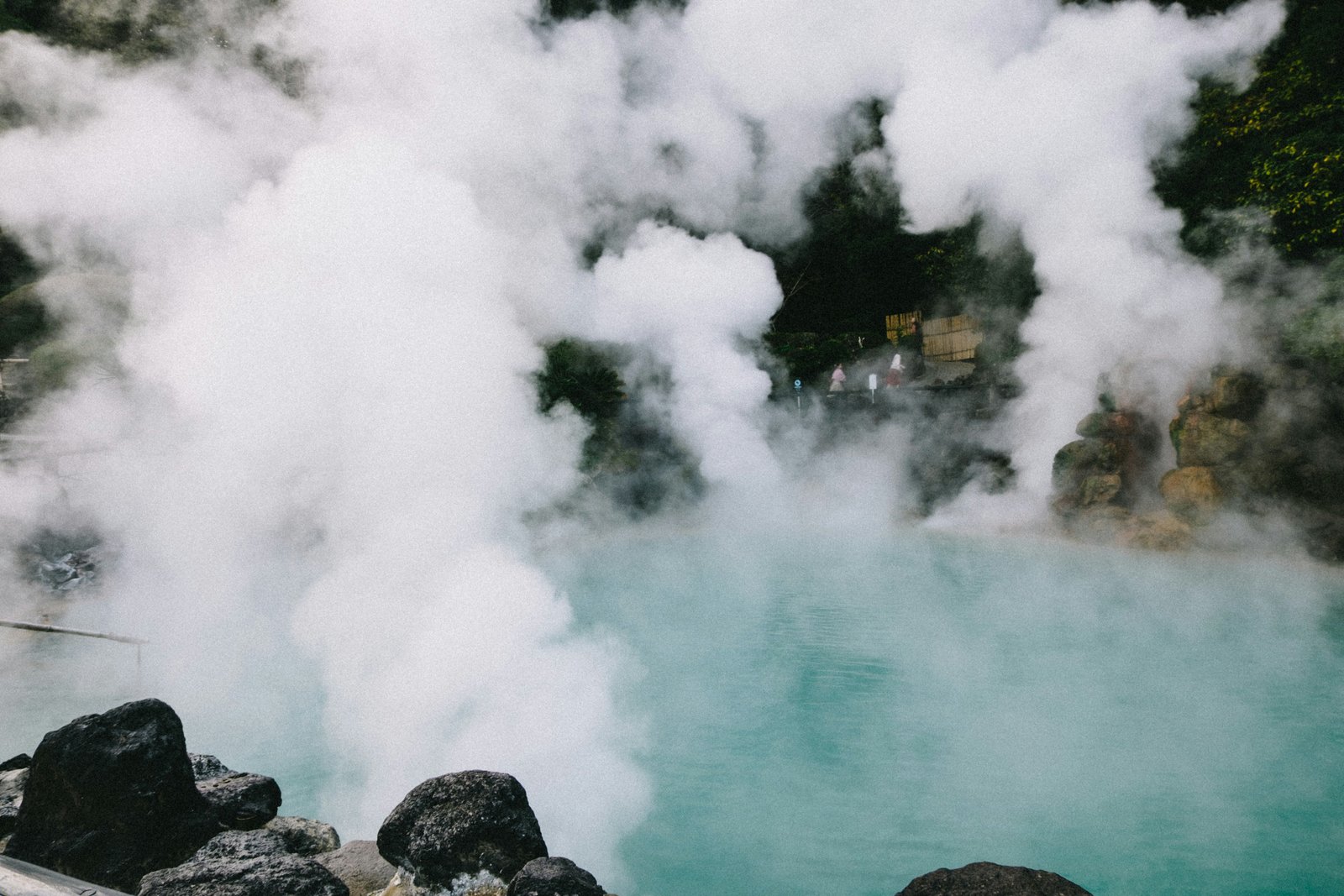
The steam rising from drains, rooftops, and street vents throughout the city is not incidental or decorative - it is a constant physical presence that gives Beppu a genuinely otherworldly atmosphere, particularly in winter when the cold air makes the steam columns visible from a distance. Walking through Kannawa, the primary hot spring district in the hills above the city, amid the sound of water boiling from the ground and the sulphurous smell of the vents, is an experience specific to this place.
The Eight Hells of Beppu
The Beppu Jigoku Meguri (Hell Circuit) is a collection of dramatic hot spring features spread across two areas of the city: Kannawa (6 hells) and Shibaseki (2 hells), approximately 2 kilometres apart. A combo ticket (¥2,200) covers 7 of the 8 official hells; individual entries cost ¥400 each.
Umi Jigoku (Sea Hell): The most photogenic of the hells - a 98°C pool of extraordinary cobalt blue, the colour caused by dissolved iron sulfate compounds. The surface steams continuously; the viewing platforms surround the pool at close range. Adjacent facilities allow cooking onsen eggs in a smaller pool beside the main crater.
Chinoike Jigoku (Blood Pond Hell): An intense rust-red pool caused by iron and magnesium compounds in solution. The colour is dramatic and the visual contrast with the surrounding green landscape is stark. The “blood pond” designation dates to the 8th century - one of the oldest recorded onsen features in Japan.
Tatsumaki Jigoku (Tornado Hell): A geyser that erupts every 30 to 40 minutes, reaching approximately 25 metres before a concrete overhang caps the eruption. Viewing the eruption sequence requires waiting at the site; arrival times vary but a full eruption cycle is displayed on a timer board.
Kamado Jigoku (Cooking Hell): A complex of several pools including boiling mud, each demonstrating different mineral colours and consistencies. Visitors can taste onsen steam-cooked food (eggs, puddings, corn) at stalls within the grounds.
Oniyama Jigoku (Monster Mountain Hell): A large thermal pool with unusually warm water (approximately 50°C) that supports a sizeable crocodile farm - approximately 80 crocodiles are kept in enclosures using the naturally heated water. Unusual combination.
Yama Jigoku (Mountain Hell): A series of small-scale thermal features across a hillside, primarily notable for an improbable collection of hippopotamuses, flamingos, and other warm-climate animals kept in enclosures heated by the volcanic warmth. Genuinely strange.
Shiraike Jigoku (White Pond Hell): A milky white pool created by silica compounds, with goldfish tanks heated by the thermal water alongside the main feature.
Kinryu Jigoku (Golden Dragon Hell): The eighth hell, in Shibaseki, is the least dramatic but notable for steam venting from a concrete dragon structure - primarily visual effect rather than natural phenomenon.
Guided Beppu Hells tours cover the full circuit in a half-day with geological context - a practical option if you want commentary on the volcanic science behind each spring type rather than reading the signs independently.
Allow 3 to 4 hours for all 8. The Kannawa cluster (6 hells) is walkable; reaching Chinoike and Tatsumaki in Shibaseki requires a short bus ride or taxi.
Public Sento Bathhouses
Beyond the hell circuit, Beppu’s most authentic onsen experience is in the public sento - neighborhood bathhouses that local residents use daily and that welcome visitors. Most sento in Beppu are significantly older and more atmospheric than the purpose-built resort facilities.
Takegawara Onsen (1879): The most architecturally distinguished sento in Beppu - a Meiji-era wooden building with a large roof, central bathing room with wooden fittings, and the traditional sand bathing facility. Sand bathing (sunamushi, ¥1,500) involves lying on a naturally heated sand floor covered with beach sand while attendants bury you to the neck for 10 to 15 minutes. The standard bath (¥300) is available separately. Open 8:00am–10:30pm; closed third Wednesday of each month.
Hyotan Onsen: The most comprehensive private onsen facility in Beppu (¥820) with indoor and outdoor pools, a sand bath, a waterfall bath, steam rooms, and a cold water pool. The outdoor section has a cascading waterfall pool unique in the city. Operates 24 hours.
Hamawaki Onsen: A basic locals-only neighbourhood sento (¥200) with no tourist infrastructure - two pools, changing room, no English. The cheapest bathing experience in the city and the most authentically ordinary. Busiest in the early evening when local residents finish work.
Most sentos in Beppu charge between ¥200 and ¥500 per person and expect visitors to wash thoroughly at the shower stations before entering the communal pools. Tattoos are prohibited at most facilities.
Hell-Steamed Cuisine
Jigoku-mushi (hell steaming) uses volcanic steam venting directly from the ground to cook food in bamboo steamers - a cooking method unique to Beppu. The Jigoku Mushi Kobo facility in the Kannawa district (open 10:00am–8:00pm, closed Wednesdays) allows visitors to purchase raw ingredients from an adjacent shop and cook them in purpose-built steam venting stations.
Typical session: purchase ingredients (eggs ¥100 each, corn ¥200, potato ¥200, whole vegetables ¥200–¥400, seafood parcels ¥500–¥1,200), place in bamboo steamer, insert into steam vent for 10 to 30 minutes (timing varies by ingredient, displayed on information boards). Total spend for a substantial steam meal: ¥1,000–¥2,500 per person.
The steam cooking produces food of concentrated flavour - eggs in particular have a dense, custardy yolk quality that differs from conventional cooking. Onsen tamago (hot spring eggs) cooked slowly in 70°C water rather than steam have a softer, more liquid-centred result and cost ¥100 per egg at Umi Jigoku.
Beppu vs Yufuin
The two main onsen destinations of Oita Prefecture attract different visitors for legitimate reasons. Understanding the difference helps in choosing where to base.
Beppu: Larger city (120,000 people), more affordable accommodation (¥8,000–¥20,000/night), the full hell circuit, sand baths, multiple types of onsen water chemistry within walking distance, rougher and more working-class atmosphere, better for solo travellers and those prioritising quantity and variety of onsen experiences.
Yufuin: Small resort town (10,000 people), upmarket ryokan atmosphere (¥25,000–¥80,000+/person with dinner and breakfast), Lake Kinrinko lakeside walk, boutique shopping, more romantic and refined. Better for couples seeking luxury ryokan stays.
Both can be combined - Yufuin is 45 minutes from Beppu by bus (¥880 return) and makes an excellent day trip from a Beppu base, or vice versa.
Getting to Beppu
From Fukuoka (Hakata): JR Sonic limited express, approximately 2 hours, ¥6,030 reserved. Runs multiple times daily.
From Oita Airport: Oita Airport limousine bus, 45 minutes, ¥1,500. The airport has flights to Tokyo (ANA, JAL), Osaka, and Nagoya.
From Kumamoto: JR via Oita, approximately 2h30m, ¥5,100.
Getting Around Beppu
Buses are the main transport option within Beppu. The Kamenoi Bus operates throughout the city, including routes to all of the hell circuit (Bus route 26 from Beppu Station serves the Kannawa hells; bus route 16 covers the Shibaseki hells). Individual bus fares run ¥170–¥400; the Beppu City Wide Bus Pass (¥900/day) allows unlimited rides on Kamenoi buses within Beppu city. Taxis are available at Beppu Station.
Planning your trip to Beppu? Tours and activities in Beppu cover guided experiences, cultural immersion, and the top sights with local expertise. Flights to Japan vary significantly by season - compare early to secure the best fares. Sort out travel insurance for Japan before you book, and pick up an Airalo eSIM for Japan to have mobile data the moment you land.
Search hotels in Beppu on Booking.com
Explore Beppu
Things to do in Beppu · Where to stay in Beppu · Best restaurants in Beppu · Beppu food guide · Day trips from Beppu
Beppu is part of the Kyushu region. For an overview of Japan’s southernmost island, see our Kyushu region guide. For a full guide to hot spring bathing across Japan, see our onsen guide.
See also: Kyushu region guide · Fukuoka travel guide · Nagasaki travel guide · Onsen guide Japan · Ryokan guide Japan · Kansai and Kyushu itinerary · Long stay in Beppu
Upcoming Events in Beppu
Hatsumode - New Year Shrine Visits
Hatsumode 2027, 1–3 January. Japan's most important annual tradition - millions visit shrines and temples in the first three days of the new year.
Nearby Cities
Frequently Asked Questions
- How do I get to Beppu from Fukuoka?
- Take the JR Sonic limited express from Hakata to Beppu - approximately 2 hours, ¥6,030 reserved. Alternatively, Oita Airport (45 minutes south by bus) has frequent connections to Tokyo Haneda and Osaka Itami. The airport limousine bus to Beppu takes 45 minutes (¥1,500).
- What is the Jigoku Meguri hell tour?
- The Beppu Jigoku Meguri is a circuit of 8 dramatic hot spring features - boiling blood-red pools, cobalt-blue thermal lakes, crocodile enclosures, and a geyser - spread across two areas of Beppu. A combo ticket covering 7 of the 8 hells costs ¥2,200. Individual entries cost ¥400 each. Allow 3 to 4 hours for all 8.
- What is sand bathing in Beppu?
- Sand bathing (sunamushi) involves lying on a specially prepared beach or indoor sand bath while attendants bury you in naturally heated volcanic sand. The sand above Beppu's hot spring vents reaches 50 to 60°C. Sessions last 10 to 15 minutes and are considered effective for improving blood circulation. Takegawara Onsen charges ¥1,500 for sand bathing.
- What is hell-steamed cuisine?
- Jigoku-mushi (hell steaming) uses steam venting directly from volcanic ground to cook food in bamboo steamers. At the Jigoku Mushi Kobo facility in Kannawa (the main hell area), visitors purchase raw ingredients and cook them in the volcanic steam vents for 10 to 30 minutes (¥1,000 to ¥2,500 total). The flavour is concentrated and distinctive.
- Should I stay in Beppu or Yufuin?
- Beppu is rougher, more earthy, better value, and has far more varied onsen experiences including the hell tour and sand baths. Yufuin is a refined mountain resort with upmarket ryokan and a more romantic atmosphere. Both are worth visiting; budget travellers and onsen enthusiasts get more from Beppu.
Book an experience
Top experiences in Beppu
Explore the best tours and activities in Beppu, with instant confirmation and free cancellation on most bookings.