Beppu’s primary attraction is its hot spring culture in all its variety - from the dramatic volcanic spectacle of the hell circuit to the ordinary neighbourhood sento, from volcanic sand baths to steam-cooked meals above natural vents. But the city also has wildlife, mountain scenery, and an excellent day trip to a refined neighbouring resort. These are the 15 best things to do.
1. Jigoku Meguri Hell Circuit
The 8-hell circuit is the defining Beppu experience and a genuinely impressive collection of volcanic phenomena. The ¥2,200 combo ticket covers 7 of the 8 official hells (Beppu Hatto); individual entries are ¥400 each.
Priority order for limited time:
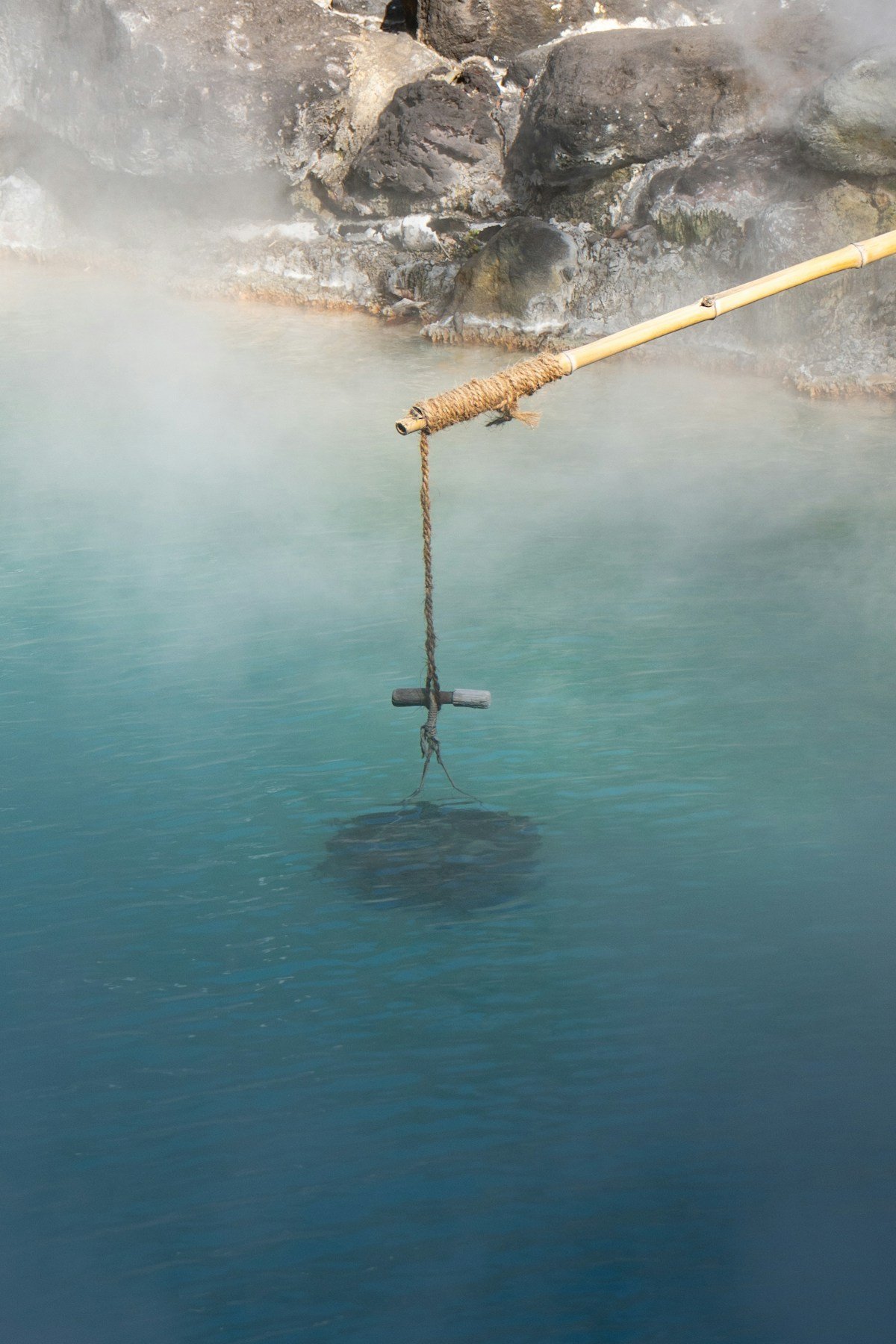
- Umi Jigoku (Sea Hell, Kannawa): Cobalt-blue 98°C pool - the most photogenic and frequently photographed. Onsen egg cooking pool adjacent.
- Chinoike Jigoku (Blood Pond Hell, Shibaseki): Rust-red pool, intense and dramatic. One of the oldest recorded onsen features in Japan (documented since the 8th century).
- Tatsumaki Jigoku (Tornado Geyser, Shibaseki): Geyser erupting every 30 to 40 minutes, reaching 25 metres before being capped. Watch the timer board for eruption times.
- Kamado Jigoku (Cooking Hell, Kannawa): Multiple pools in different colours and temperatures, with tasting opportunities.
- Yama Jigoku (Mountain Hell, Kannawa): Hippos, flamingos, and pygmy hippos kept in naturally heated enclosures - bizarre and worth 15 minutes.
Allow 3 to 4 hours for all 8 hells including transit between Kannawa and Shibaseki clusters. Buy the combo ticket at the first hell you visit.
2. Takegawara Onsen Sand Bath
The sand bath (sunamushi) at Takegawara Onsen (¥1,500) is among the most unusual bathing experiences in Japan. You change into a provided yukata, lie on the sand floor in a prepared trough, and an attendant shovels naturally heated volcanic sand over your body until you are buried to the neck. The sand above the hot spring vents reaches 50 to 60°C on the surface.
A session lasts 10 to 15 minutes - longer is not recommended given the heat load. The claimed benefits include improved blood circulation and muscle relaxation; the experience is genuinely pleasant and unlike anything available in conventional bathing. After the sand bath, shower thoroughly (included) and optionally continue to the regular hot water bath (¥300 additional, in the same 1879 Meiji-era building).
Takegawara opens at 8:00am; morning is the best time (cooler ambient temperature, fewer crowds). Closed the third Wednesday of each month.
3. Hyotan Onsen Comprehensive Bathing
Hyotan Onsen (¥820) is the most complete public onsen complex in Beppu, open 24 hours and offering indoor pools at different temperatures, outdoor pools including a waterfall cascade bath (water falls from a ledge into the pool at force - an effective massage), sand bath (additional ¥1,000), steam rooms, and cold water pools. The full facility represents the widest range of thermal water types and bathing styles available in one location in the city.
The outdoor waterfall bath is the most unusual and popular feature - the cascade falls approximately 2 metres into the pool below at force, and standing beneath it for 2 to 5 minutes is intense and effective. The 24-hour operation makes it suitable for late-night bathing after dinner, or early morning before the hells circuit opens.
4. Public Sento Bathing at Hamawaki
The experience that most Beppu residents have every day is at the local neighbourhood sento - a basic public bathhouse with two or three pools, clean changing facilities, and no tourist infrastructure whatsoever. Hamawaki Onsen (¥200) is a good example: simple wooden changing room, the onsen bath and a cooler rinse pool, local residents of all ages. Arriving between 5:30pm and 7:00pm finds the bath at its busiest and most convivial.
Other local sento worth trying: Kitahama Onsen Termas (¥600, modern facility with sea view from upper floor outdoor bath), Hoyo Land (¥1,000, mud pack bath using volcanic clay from the Blood Pond hell - masks and body treatments).
5. Hell-Steam Cooking at Jigoku Mushi Kobo
The Jigoku Mushi Kobo facility in Kannawa (open 10:00am–8:00pm, closed Wednesdays) provides purpose-built volcanic steam venting stations where visitors cook raw ingredients in bamboo steamers using naturally venting ground steam.
Practical process: Purchase ingredients at the shop adjacent to the cooking facility (vegetables ¥200 each, eggs ¥100 each, corn ¥200, pork belly parcel ¥600, seafood parcel ¥800–¥1,200), place in the bamboo steamer, insert into the steam vent and close the lid. Cooking times are displayed on large reference boards: eggs (10–15 minutes), corn (20 minutes), potatoes (25 minutes), pork (30 minutes). A complete meal for two (eggs, vegetables, pork, seafood) costs approximately ¥1,800–¥3,000.
The concentrated steam cooking produces exceptionally flavoured vegetables - potato and corn in particular develop a sweetness and density not achieved through boiling. The experience of cooking your own food over volcanic vents in an active geothermal area is unique to Beppu.
6. Local Sento Neighbourhood Experience
For ¥200 at Beppu’s simplest public baths, you get the experience that has shaped daily life in this city for generations. The Hamawaki district below Kannawa has several neighbourhood sento where the entrance fee, the changing room, the double pool (hot and cooler rinse), and the other regulars are a complete slice of local life. No English, no tourist guide, no concession to outsiders - simply show up, pay, wash, and bathe alongside whoever else is there.
7. Yufuin Day Trip
The neighbouring resort town of Yufuin (45 minutes by Kamenoi Bus from Beppu Station, ¥880 return) is Beppu’s complement rather than its competitor. Where Beppu is earthy, working-class, and varied, Yufuin is refined, upmarket, and focused on luxury ryokan stays. A day visit (without overnight) gives access to Lake Kinrinko - a small volcanic lake on the edge of town where morning mist creates a famously photogenic scene - the boutique craft and food shopping street (Yufuin Floral Village, free entry, cheese shops, jam stalls, craft stores), and a foot bath experience at one of the town’s public foot baths (free or ¥100).
The Yufuin Film Festival (October) screens independent films in outdoor settings around the town. Yufuin is best as a half-day from Beppu - the town rewards a slow morning walk rather than a structured itinerary.
8. Takasakiyama Wild Monkey Mountain
Takasakiyama Monkey Park, 20 minutes by bus south of Beppu Station (¥530 entry), maintains the largest concentration of wild Japanese macaques in Japan. Approximately 1,500 monkeys from two resident groups live on the forested mountain and descend to a feeding area each morning. The feeding session allows close observation of social hierarchy, infant care, and feeding behaviour in a fully wild animal population (the monkeys are not captive - they come and go freely). Best viewed 9:00am to 11:00am when both groups come down simultaneously.
9. Beppu Bamboo Craft Museum
Beppu is the centre of Japanese bamboo weaving craft - the finest quality bamboo baskets, trays, and containers in Japan are made here by a small number of traditional craftspeople working in a style developed over centuries. The Beppu City Traditional Bamboo Crafts Center (¥300) demonstrates the production process and displays historical and contemporary bamboo work. The collection ranges from everyday household items to extraordinarily complex large-scale decorative pieces.
Simple introductory basket-weaving workshops (¥1,500–¥3,000) are available with reservation; more advanced courses run full days. The craft is designated an Important Intangible Cultural Property of Oita Prefecture.
10. Mt Tsurumi Ropeway
The ropeway to the summit of Mt Tsurumi (1,375 metres, ¥1,800 return) provides the best aerial view of Beppu Bay and the city below, with Shikoku visible across the water on clear days. The summit plateau is part of the Aso-Kuju National Park; hiking trails extend across the plateau and to adjacent peaks. In autumn (October to November) the mountain is covered in seasonal grass (susuki reed) turning golden - the most attractive season for the ropeway. Winter brings ice-covered trees at the summit, similar to the juhyo phenomenon in Zao.
11. Beppu Rakutenchi Amusement Park
Beppu Rakutenchi (¥1,200 entry plus ride tickets) is an old-school Japanese amusement park perched on a hillside above the city with ropeway access from the bottom station. The park dates from 1929 and the atmosphere is resolutely mid-20th century - roller coasters, spinning rides, game stalls, a haunted house, and a small zoo with local animals. The ropeway ride to the park (included in entry) provides the best views of the steam rising from Beppu’s hot spring district below. Worth visiting for the anachronistic atmosphere.
12. Onsen Egg Cooking at Sea Hell
A small pool beside the main Umi Jigoku (Sea Hell) at 70°C is used to cook onsen tamago - slowly cooked eggs where the white remains soft and barely set while the yolk becomes custardy and smooth. Buy raw eggs at the stall (¥100 each), place in a basket, lower into the 70°C pool for 30 minutes, and eat on the spot. This is the simplest and least expensive version of Beppu’s volcanic cooking tradition.
13. Beppu Toriten Lunch
Toriten - tempura-battered chicken thigh, a Beppu specialty - is the city’s distinctive casual lunch dish. Pieces of chicken thigh are coated in a light, egg-based batter and fried until crispy outside and juicy inside, served with a ponzu citrus dipping sauce. Cost at casual restaurants: ¥900–¥1,400 for a set with rice, miso soup, and salad. Unlike tempura in Tokyo, Beppu toriten uses chicken rather than seafood and is considerably more filling.
14. Oita Stadium Football Match
The Oita Bank Dome in Oita city (20 minutes by JR from Beppu, ¥270) hosts J-League football matches for the Oita Trinita club. Match tickets start at ¥1,000 for terraces and ¥2,000 for seats. The stadium is a distinctive dome-shaped retractable-roof venue; the atmosphere at local derbies against Fukuoka, Kumamoto, or Nagasaki tends to be livelier than mid-season matches.
Book ahead for popular experiences: Tours and activities in Beppu include guided options, skip-the-line tickets, and immersive cultural experiences.
15. Day Trip to Aso Caldera
The Aso volcanic caldera - 25 kilometres wide, the largest active volcanic caldera in Japan - is accessible from Beppu by a combination of JR and bus (approximately 2 hours total, ¥2,000–¥3,000). Mt Aso’s active inner crater (Naka-dake) can be walked when open - access is restricted by volcanic activity levels. When fully open, the walk to the crater rim at 1,506 metres overlooks a steaming, sulphur-yellow active crater with fumaroles and occasionally visible lava. The Ebino-kogen plateau (alternate route from Miyazaki side) has a separate volcanic plateau ecosystem walkable year-round.
Check volcanic alert levels for Naka-dake before planning - the crater access changes frequently based on gas emissions and seismic activity. The official Aso Volcano Museum (¥840) provides context and live crater cameras.
Where to stay: Search hotels in Beppu on Booking.com
See also: Beppu travel guide · Where to stay in Beppu · Best restaurants in Beppu · Day trips from Beppu · Kyushu region guide