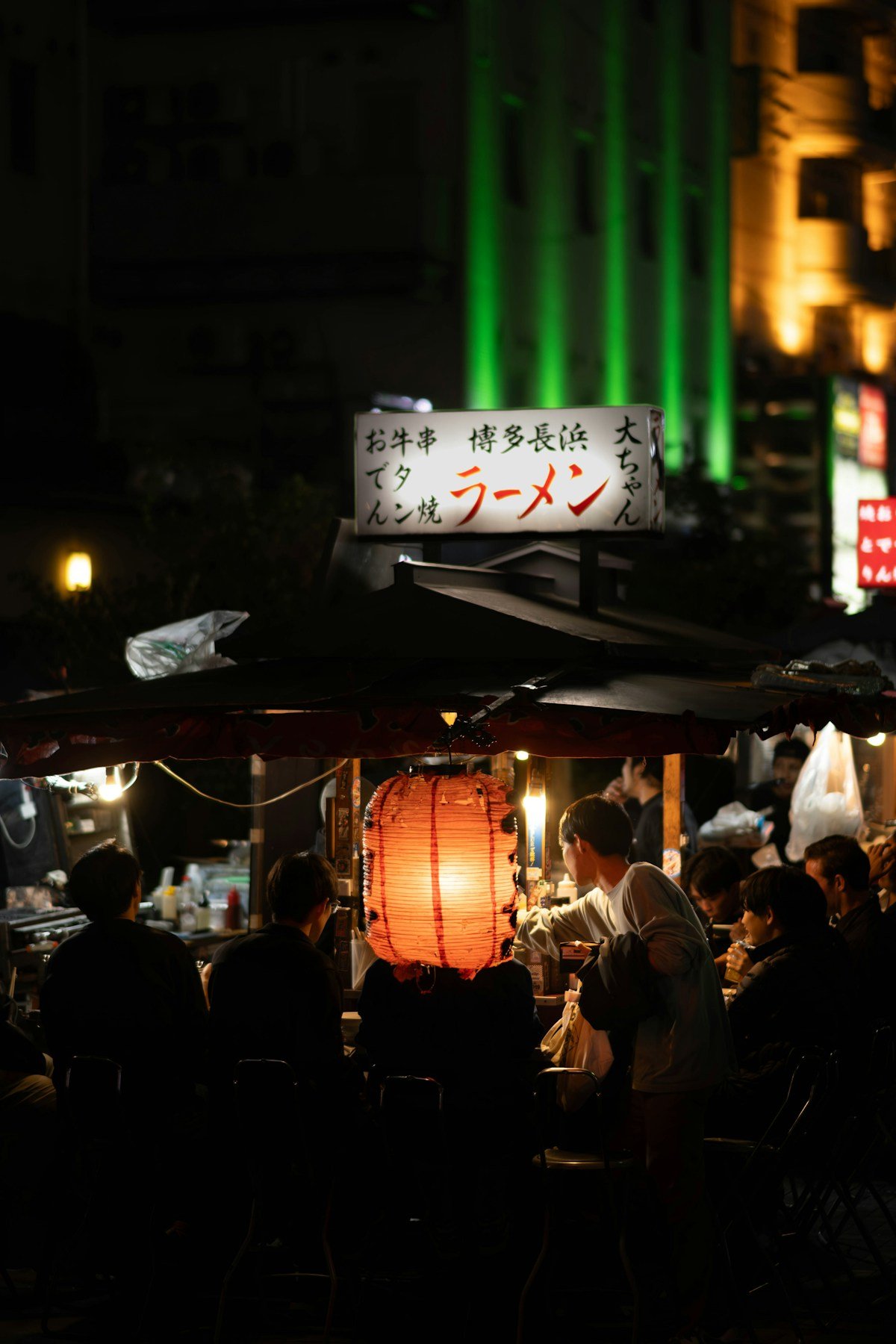
Fukuoka is widely considered one of Japan’s top cities for food - a claim supported by the density of exceptional restaurants relative to its size, the quality of local seafood from the surrounding seas, and a food culture that prizes directness and freshness over presentation. Multiple food critics have designated it Japan’s informal food capital. Here is a thorough guide to the key dishes and where to eat them.
Food Culture Overview
The city’s position at Kyushu’s northern tip places it within reach of three distinct fishing areas: the Genkai Sea to the north (yellowtail, mackerel, squid), Hakata Bay (clams, mullet), and the Ariake Sea to the south (the saltiest sea in Japan, producing unusual bivalves and nori seaweed). The combination of seafood from multiple sources gives Fukuoka’s restaurants unusual flexibility in what appears on seasonal menus.
The strong Korean and Chinese community presence - established over centuries of cross-strait trade - has also influenced the local food culture in ways visible in everyday cooking: fermented ingredients, bold seasonings, and a directness of flavour that distinguishes Fukuoka’s palate from the more subtle styles of Kyoto or Tokyo.
Yatai Street Stalls
The yatai open-air stall is Fukuoka’s most singular food institution and one of the few surviving examples in Japan of this historically common format. Approximately 150 licensed yatai operate each evening, set up on sidewalks, riversides, and alleyways in fixed locations known to regulars. Each stall seats 8 to 12 people at a wooden counter; the menu is short and changes little from season to season.
The Nakasu Island area (reached from Nakasu-Kawabata subway station) has the most accessible cluster of yatai for first-time visitors, with perhaps 20 to 30 stalls along the riverside facing the Naka River. These stalls cater to a mixed local-and-tourist clientele and most operators speak enough English to take an order.
The Tenjin-nishi area (west of Tenjin subway station) has smaller, older stalls that have operated in the same spots for 30 to 50 years and cater almost entirely to Japanese locals. The atmosphere is more intimate and the food quality at the best stalls is arguably higher.
Unwritten yatai etiquette: Sit down before you examine the menu; it is considered impolite to stand and look around. Order something promptly - even a drink signals commitment. Do not linger if a queue has formed. Thank the operator when you leave.
Average spend: ¥2,500–¥3,500 per person including two to three drinks. Operating hours: approximately 6:00pm to 1:00am, weather permitting. Yatai do not operate in heavy rain.
Tonkotsu Ramen
The tonkotsu ramen developed in Fukuoka (specifically in the Hakata district and at the Nagahama fishing port) is the foundation of a globally replicated style, but the original Fukuoka versions have characteristics that differ from their international descendants: thin, straight noodles with a firm bite, a very concentrated pork-bone broth boiled for 8 to 12 hours until collagen emulsifies and the liquid turns milky white, and toppings of remarkable restraint - usually chashu pork, kikurage mushroom, green onion, and benishoga (pickled red ginger).
Hakata Ramen Shop Comparison:
| Shop | Price | Broth Style | Wait Time | Best For |
|---|---|---|---|---|
| Ichiran (Hakata) | ¥980 | Intense, clean pork | 5–20 min | Solo eating, customisation |
| Ippudo (Watanabe-dori) | ¥880 | Medium intensity, slight soy | 10–30 min | Classic experience |
| Shin-Shin (Tenjin) | ¥750 | Lighter, balanced | 15–40 min weekends | Local atmosphere |
| Ganso Nagahamaya | ¥700 | Direct, rich, port style | Minimal | Late night, authenticity |
| Shin Shin Tenjin Honten | ¥750 | Clean, accessible | Variable | Weekday lunch |
Most Hakata ramen shops offer kaedama - a replacement ball of noodles added to your remaining broth for ¥100 to ¥150. This is expected and common; ask for it when your bowl is nearly empty.
Mentaiko
Mentaiko (辛子明太子) is Fukuoka’s most important food export - seasoned pollock roe (tarako) marinated in chili and salt to produce a spicy, savoury product with a pop-and-melt texture. Fukuoka is the undisputed home of mentaiko production; the major brands (Fukuya, Yamaya, Ikematsu) are all Fukuoka-based.
How to eat mentaiko in Fukuoka:
Mentaiko ochazuke (¥900): The traditional way - a bowl of plain rice with mentaiko on top, over which hot green tea or dashi broth is poured and the components are mixed together. The roe gently cooks in the hot liquid and the flavour disperses throughout the bowl. Widely available at traditional restaurants and teishoku (set meal) lunch shops.
Mentaiko spaghetti (¥1,200): A modern adaptation - pasta with mentaiko, cream, and nori seaweed, served at café-restaurants throughout the city. The richness of the cream tempers the spice of the roe; a very good combination.
Mentaiko as souvenir: The Hakata Station basement food floor (AMU PLAZA) is the most convenient purchase point, with all major brands represented. Prices: ¥1,000 for a standard portion, ¥2,000–¥3,000 for premium or large portions. Keep refrigerated.
Mizutaki Hot Pot
Mizutaki is a Fukuoka specialty hot pot with a history reaching back to the Meiji era. The broth is made by simmering a whole chicken (sometimes with added collagen-rich bones) for several hours without seasoning until the liquid becomes slightly opaque and rich with dissolved collagen. The pot arrives at the table unseasoned, with pieces of chicken, tofu, Chinese cabbage, and green onion. Diners dip the cooked items in ponzu (citrus soy sauce) and consume the broth at the end, when it has absorbed flavour from the ingredients and typically has seasoning added.
The experience is unhurried and social - best with a group of three to five sharing one pot. Cost is approximately ¥3,000–¥5,000 per person at specialist restaurants. Recommended establishments include Suigetsu (Hakata area, approximately ¥4,000/person), Hakata Mizutaki Junpei (central, approximately ¥3,500/person), and Hakata-jo (Nakasu area, approximately ¥4,500/person).
Gomasaba
Gomasaba (ごまさば) - raw mackerel in sesame sauce - is one of Fukuoka’s most distinctive seafood dishes and one of the least known outside the region. The dish uses saba (chub mackerel) from the Genkai Sea, which is considered superior to mackerel from other fishing areas due to the water temperature and feeding patterns. The fish is lightly cured in sake and served raw with a dressing of sesame oil, soy sauce, and green onion.
Gomasaba appears on izakaya menus throughout the city at ¥800–¥1,200 and is best ordered fresh - it is a dish where the quality of the raw material matters enormously. The best version we have encountered is at Yanagibashi Market’s counter stalls (¥900, eaten on the spot) where the fish is prepared immediately from the morning’s delivery.
Hakata-dori Chicken
Hakata-dori is Fukuoka’s traditional chicken breed - raised locally and known for high collagen content in the skin and a distinctive flavour from the region’s feed and farming methods. The most traditional preparation is mizutaki (described above), but it also appears as tori-tataki (lightly seared raw chicken breast, sliced thin, with ponzu and ginger, ¥1,000–¥1,500), and as yakitori skewers at yatai and dedicated yakitori restaurants.
A full yakitori tasting course at a specialist restaurant costs ¥2,000–¥4,000 per person and covers multiple cuts including thigh, breast, wing, skin, liver, and the prized oyster cut (soriresu) near the lower back.
Yanagibashi Market Seafood Breakfast
The Yanagibashi Rengo Market (5 minutes walk from Tenjin, open from 5:00am) is Fukuoka’s wholesale fish and produce market, open to the public. Sashimi sets (¥1,500–¥2,500) at the counter stalls use fish from the morning’s delivery - typically including tuna, flounder (hirame), sea bream (tai), yellowtail (hamachi), and seasonal items. The market has a narrow covered alley of about 20 stalls; visiting at 6:00am to 7:00am gives the freshest stock and an active market atmosphere.
Korean Influences: Hakata Koreatown
The area around Hakata Station’s east exit has a concentration of Korean-influence restaurants reflecting the city’s proximity to Busan (200 kilometres away). Korean barbecue restaurants (samgyeopsal pork belly, galbi short ribs, ¥2,000–¥3,500/person including meat and side dishes), Korean fried chicken chains, and bibimbap lunch spots operate here. These are not traditional Fukuoka cuisine but reflect a genuine cultural continuum maintained by cross-strait ferry traffic for generations.
See Fukuoka through its food: Food and cultural tours in Fukuoka often include market visits, tastings, and dishes you’d never find independently.
Craft Izakaya and Drinking Culture
Fukuoka’s izakaya scene is mature and varied. Recommendations beyond the yatai:
Wanchiku (Daimyo district): Craft beer bar (¥700–¥1,000/glass) specialising in Kyushu and local Fukuoka brews. Food menu of light bar bites (¥500–¥1,500). Open from 6:00pm.
Ganso Nagahamaya (Nagahama Port): Technically a ramen shop (¥700) but open from midnight to 6:00am - a post-drinks institution rather than a dinner destination. The port location and late-night clientele give it a rougher, more authentic atmosphere than Hakata’s tourist ramen scene.
Hakata Issui (Nakasu): Traditional Fukuoka izakaya with full menu of local specialties including gomasaba, mentaiko, and Hakata-dori chicken. ¥3,000–¥5,000/person with drinks. Reservations recommended for weekends.
Take a Guided Food Tour of Fukuoka
Fukuoka is arguably Japan’s best street food city - the yatai stalls that line the Nakasu waterfront and Tenjin are licensed outdoor kitchens serving Hakata tonkotsu ramen, gyoza, and mentaiko dishes to regulars who return every week. A guided food tour navigates the stall politics (each yatai has regulars, seating is cramped, and knowing which master is worth the wait matters), covers the fish market at Nagahama Port, and explains why gomasaba - sesame-marinated mackerel eaten raw - is only safe when it’s truly fresh. The tour format works particularly well at night, when the yatai light up along the canal.
Guided food tours in Fukuoka take you beyond tourist-obvious spots - local guides know which stall has the freshest gomasaba, where to find the best Hakata ramen, and how to navigate an all-Japanese menu.
See also: Fukuoka travel guide · Fukuoka food guide · Things to do in Fukuoka · Where to stay in Fukuoka · Kyushu region guide
Search hotels in Fukuoka: browse stays in Fukuoka