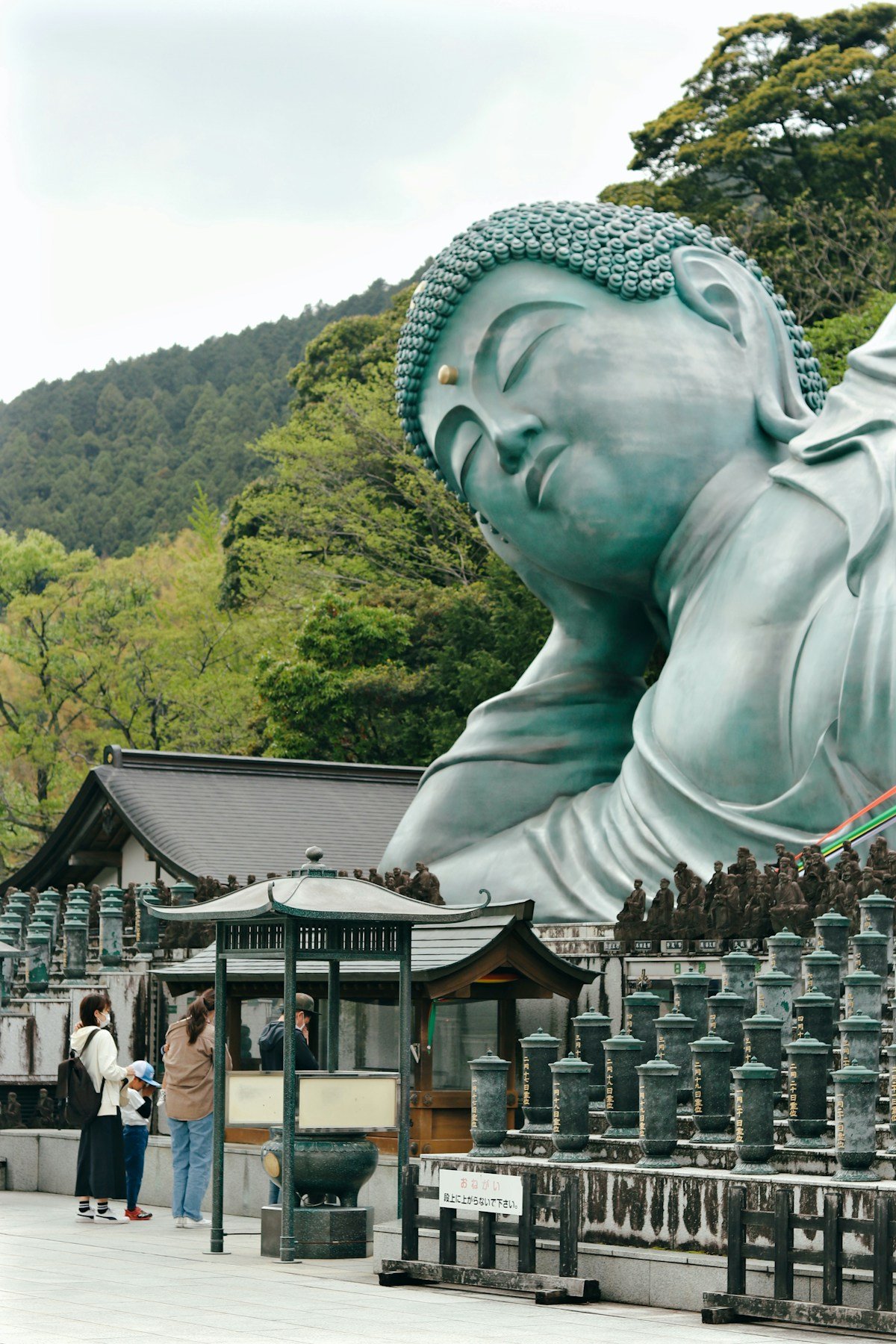
Fukuoka and Osaka are Japan’s two great food-first cities - both intensely proud of their culinary traditions, both more affordable than Tokyo, and both with distinct local characters that make them memorable beyond their food. Fukuoka is Japan’s gateway to Kyushu and Korea, intimate and warmly local. Osaka is Japan’s third-largest city, louder, more international, and with a food culture known across the world.
Quick Verdict
| Category | Fukuoka Wins | Osaka Wins |
|---|---|---|
| Tonkotsu ramen | Yes (origin city) | - |
| Variety of food | - | Yes |
| Yatai stall culture | Yes | - |
| Street food culture | - | Yes (takoyaki, kushikatsu) |
| Nightlife | Yes (Nakasu) | Yes (Namba, Shinsaibashi) |
| Day trips | Yes (Kyushu circuit) | Yes (Kyoto, Nara) |
| City size | Smaller, easier to navigate | Larger, more options |
| Korea connections | Yes | - |
| International accessibility | Yes (Fukuoka Airport) | Yes (Kansai Airport) |
| Budget travel | Both affordable | Both affordable |
Fukuoka wins for tonkotsu ramen, yatai culture, and access to Kyushu. Osaka wins for food variety, volume of options, and access to the Kansai circuit.
When to Visit
Both cities are enjoyable year-round with similar seasonal patterns to mainland Japan.
Spring (late March to early April) brings cherry blossoms to both cities. Fukuoka’s Maizuru Park (beside Fukuoka Castle ruins) is the local favourite - entry free, less crowded than Osaka equivalents. Osaka’s Sakuranomiya Park and the moat around Osaka Castle are the main spots.
Summer in Fukuoka includes the Hakata Gion Yamakasa festival (July 1–15) - one of Japan’s most energetic festivals, featuring teams of men in fundoshi (loincloths) racing through the streets carrying elaborate festival floats (kazariyama) weighing up to 1,000kg. The final race (Oiyama) at 4:59am on July 15 draws 1 million spectators. Osaka’s Tenjin Matsuri (July 24–25) is equally spectacular with fire boats on the river.
Autumn (October–November) is pleasant in both cities with comfortable temperatures (18–24°C).
Winter is mild compared to northern Japan - Fukuoka averages 8°C in January, Osaka 7°C. Neither city shuts down; winter is a good time for cheaper accommodation and uncrowded food experiences.
Cost Comparison
| Expense | Fukuoka | Osaka |
|---|---|---|
| Hostel dorm | ¥2,500–4,500 | ¥2,800–5,000 |
| Budget hotel | ¥7,000–12,000 | ¥8,000–13,000 |
| Mid-range hotel | ¥14,000–25,000 | ¥15,000–28,000 |
| Tonkotsu ramen | ¥750–1,100 | ¥1,000–1,400 |
| Street food snack | ¥300–700 | ¥300–800 |
| Yatai dinner (full spread) | ¥3,000–5,000 | N/A |
| Sit-down dinner | ¥1,500–3,500 | ¥1,500–4,000 |
| Daily budget (mid-range) | ¥10,000–17,000 | ¥10,000–18,000 |
Both cities are meaningfully cheaper than Tokyo. Fukuoka has a slight edge on everyday ramen and casual dining prices; Osaka’s greater variety creates more price range options.
Top Experiences
Fukuoka
Fukuoka’s defining experience is its yatai culture. Yatai are open-air food stalls - wooden counter structures with canvas awnings, seating eight to twelve people shoulder-to-shoulder, open from dusk until 2–3am. Approximately 150 yatai operate in Fukuoka’s Nakasu (mid-river island entertainment district), Tenjin (central shopping district), and Nagahama (waterfront) areas. Most stalls serve tonkotsu ramen, oden (stewed winter skewers), and yakitori, plus beer and shochu; a full yatai dinner with drinks runs approximately ¥3,000–5,000 per person. This culture exists almost nowhere else in Japan - city fire regulations eliminated most yatai in other cities in the postwar period, and Fukuoka’s were grandfathered in.
Hakata ramen: the definitive bowl is tonkotsu - milky-white pork bone broth, thin straight noodles, chashu pork belly, soft-boiled egg, pickled ginger, sesame, and spring onion. The standard practice in Hakata is kaedama (noodle refill for approximately ¥100 while keeping your remaining broth). Best-known shops: Shin-Shin in Tenjin (from approximately ¥750, cash only, 11am–3am), Ichiran (the individual booth chain that originated in Fukuoka; from approximately ¥980), and Hakata Furyu near Hakata Station (from approximately ¥880).
Dazaifu Tenmangu Shrine is Fukuoka’s main cultural day trip - a 30-minute Nishitetsu Railway trip from Tenjin (approximately ¥400 one way). This Heian-era shrine (established 919 CE) is dedicated to the scholar-deity Tenjin and is surrounded by 6,000 plum trees, spectacular in late February. The approach path (Sando) is lined with wagashi (traditional sweet) shops; the famous Kasanoya sells umegae mochi (rice cake filled with sweet bean, ¥130) from their original 300-year-old stall.
Fukuoka Castle ruins (Maizuru Park, free entry) - the reconstructed ramparts offer the best free views in the city. The adjacent Ohori Park has a large lake with pedal boats and a traditional Japanese garden (entry ¥240).
For further Kyushu exploration from Fukuoka: Beppu (1.5 hours by express, Japan’s most volcanically active onsen town), Nagasaki (2 hours by shinkansen and Kamome limited express), and Kumamoto (45 minutes by shinkansen) are all practical day trips or overnights.
Osaka
Osaka’s experiences are covered in detail in our Osaka vs Kyoto comparison and Tokyo vs Osaka comparison, but the essentials: Dotonbori for street food and neon spectacle, Kuromon Ichiba Market for fresh seafood, Shinsekai for kushikatsu and retro atmosphere, and Osaka Castle for the Sengoku period museum. Day trips: Kyoto (15 minutes by shinkansen), Nara (40 minutes by Kintetsu), and Kobe (30 minutes by Hankyu or JR).
For Tokyo-based visitors: Osaka is 2.5 hours from Tokyo by shinkansen and is the natural southern anchor of the Japan golden route.
Food and Drink
Fukuoka’s food identity centres on ramen and the sea. Beyond tonkotsu ramen, the city’s mentaiko (spicy marinated pollock roe) is a local speciality used in everything from pasta to onigiri - and Fukuoka’s mentaiko is considered the best in Japan. Motsu nabe (offal hot pot with leeks and chilli in a miso or soy broth) is a winter Fukuoka speciality - available at specialist restaurants in Nakasu from approximately ¥1,500–2,500 per person. Fresh seafood from Hakata Bay: the morning fish market at Yanagibashi Rengo Market (near Watanabe-dori) is Fukuoka’s kitchen, open from 5am, with the best seasonal sashimi from approximately ¥1,200 for a small plate.
Osaka’s food identity is broader: takoyaki (¥600–800 per six), okonomiyaki (¥900–1,500), and kushikatsu (¥120–280 per skewer) are the famous exports, but the city’s range extends to excellent Korean food in Tsuruhashi, yakitori at tiny counter bars in Namba’s backstreets, and the most competitive ramen scene in Kansai. Our Osaka food guide covers the essential stops.
Accommodation
Fukuoka: Best area is between Hakata Station and Tenjin - the two central hubs connected by subway in 5 minutes. Solaria Nishitetsu Hotel Fukuoka (from approximately ¥16,000) is a reliable mid-range choice in Tenjin. Vessel Inn Hakata Chikushiguchi (from approximately ¥9,000) is a solid budget business hotel. Hostels: Khaosan Fukuoka Guesthouse (from ¥2,800 dorm) is close to Hakata Station.
Osaka: Covered in our Osaka vs Kyoto comparison. The Namba and Shinsaibashi areas are best for first-time visitors; Umeda is the business hotel district with the best transport connections.
Getting Around Each City
Fukuoka’s subway runs three lines covering Hakata Station, Tenjin, Nakasu-Kawabata, and Fukuoka Airport (airport to central Fukuoka: 5 minutes, ¥260 - one of the most centrally located major airports in Japan). The Nishitetsu Railway connects Tenjin to Dazaifu, Yanagawa, and Kurume. A one-day subway pass costs ¥900 and covers unlimited subway use; it pays off if you make four or more journeys.
Osaka’s metro is covered by the ICOCA IC card or the Osaka Amazing Pass (approximately ¥2,500/day including 35+ attractions). The Midosuji red line is the spine of the system.
Ready to book? Compare flights to Japan - prices and routes vary significantly depending on your departure city. Tours and activities across Japan cover both destinations covered in this comparison. Travel insurance for Japan is worth arranging before you commit to bookings.
Who Should Visit Each?
Choose Fukuoka if you:
- Are doing a Kyushu circuit and need a western Japan base
- Want Japan’s best ramen in a city that takes ramen seriously
- Love food-stall (yatai) culture
- Are connecting to or from Korea (fast ferry to Busan: 3 hours, approximately ¥10,000 one way)
Choose Osaka if you:
- Are following the classic Japan golden route (Tokyo–Kyoto–Osaka)
- Want the broadest Kansai day-trip access (Kyoto, Nara, Kobe, Hiroshima)
- Want more variety in a larger city
- Are already based in the Kansai region
Most ambitious Japan itineraries include both - a Kyushu extension from Osaka via shinkansen through Fukuoka is among the most rewarding regional additions to the golden route.
See also: Fukuoka travel guide · Osaka travel guide · Kyushu region guide · Kansai region guide · Kansai and Kyushu itinerary · Osaka food guide · Fukuoka food guide
Plan Your Trip
Book your flights to Japan Get travel insurance Stay connected with an eSIM Rent a car