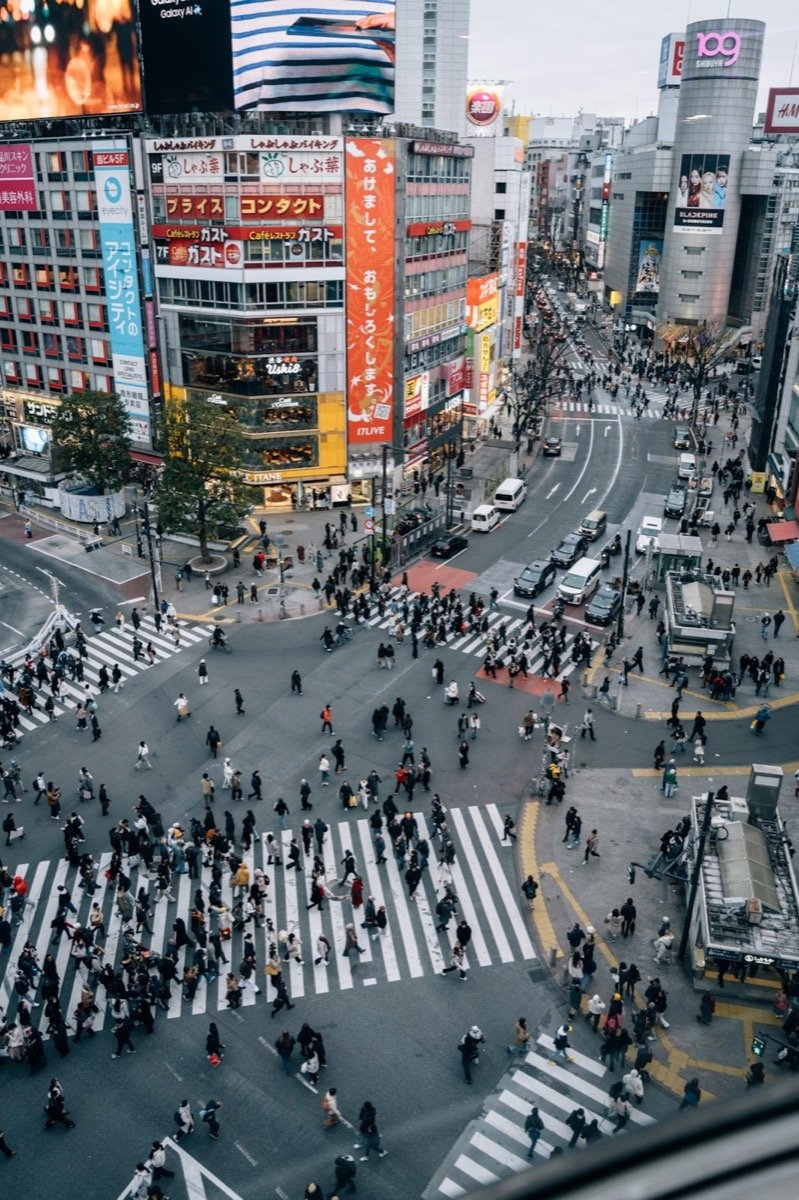
Tokyo’s scale can make independent exploration feel overwhelming - and some experiences are genuinely better with a local guide or organised transport. This guide covers the four tour categories that consistently deliver the most value in Tokyo: digital art at teamLab, early-morning immersion at Tsukiji fish market, the deliberately absurd Robot Restaurant, and escaping the city entirely on a day trip to Mt Fuji.
Prices are approximate as of 2026.
Top Tours at a Glance
Here’s a quick comparison of top-rated tours in Tokyo on GetYourGuide:
| Tour | Duration | Price (from) | Highlights |
|---|---|---|---|
| TeamLab Planets Art & Tsukiji Market Food Tour | 4 hrs | from $85 | teamLab immersion + Tsukiji tastings, small group |
| Tsukiji Fish Market Tour, TeamLab Planets & Subway | Half day | from $95 | Guided market walk + guaranteed TeamLab entry + subway pass |
| Mt Fuji Tour, Hakone Ropeway, Owakudani, Lake Ashi | 10 hrs | from $80 | Mt Fuji 5th Station, ropeway, Lake Ashi cruise |
| One Day Group Tour of Must-See Areas & Secret Spots | Full day | from $65 | Asakusa, Shibuya, Harajuku, Meiji Shrine |
| Private Full-Day Sightseeing Tour with Hotel Pickup | Full day | from $120 | Custom route, private guide, hotel pickup |
Browse all Tokyo tours on GetYourGuide
Tours by Traveller Type
Not every Tokyo tour suits every visitor. Here is how we break down the best options by what you are actually looking for.
Families with Children
The Meiji Shrine, Asakusa, Skytree Bus Tour and Cruise works well for families because the coach handles all the logistics between widely spread sights. Children engage with Asakusa’s sensory street market, the Skytree observation deck, and the ferry cruise on the Sumida River. The pace is managed and there is no pressure to navigate the subway with bags and young kids across a city of 37 million people.
The teamLab Planets and Tsukiji combined tour also works for children old enough to follow quiet-zone rules - the installations respond to movement and children typically find the sensory experience extraordinary.
Solo Travellers
The One Day Group Tour of Must-See Areas and Secret Spots is purpose-built for solo visitors. Small groups of six to twelve people, an English-speaking local guide, and a route that covers Asakusa’s temples, Ueno Park, the Shibuya crossing, and hidden neighbourhood lanes that independent visitors routinely walk past without stopping. You get the company of a group with none of the compromise of travelling with strangers you know.
Budget Travellers
The self-guided itinerary option - the Tokyo 1 to 4 Full Days Itinerary made by local guides - provides a curated walking route from local insiders without the cost of a group tour. You follow your own schedule and pay only for entry tickets you choose to buy. For visitors comfortable with navigation, it is significantly cheaper than guided alternatives while still offering the benefit of local knowledge about where to eat, what to skip, and how to sequence the city efficiently.
Culture Seekers
The Tsukiji Fish Market Tour combined with teamLab Planets and a subway pass covers two genuinely distinct cultural layers: the four-century-old food trading tradition at Tsukiji’s outer market, and teamLab’s entirely contemporary art philosophy applied to digital environments. The subway pass included in the price allows independent movement between both and for the rest of the day.
Adventure Seekers and Outdoor Enthusiasts
The Mt Fuji Tour with Hakone Ropeway, Owakudani, and Lake Ashi is the obvious choice. A full ten hours out of the city, crossing an active volcanic crater on a ropeway, cruising across a caldera lake with Mt Fuji rising above the far shore on clear days. The coach tour handles the logistics of getting between Owakudani, Togendai, and the lake without requiring a car or confidence with rural Japanese bus connections.
Luxury Travellers
The Private Full-Day Sightseeing Tour with Hotel Pickup offers exactly what it states: a vehicle, an English-speaking private guide, and a completely customisable day. For visitors who want to see teamLab Borderless at Azabudai Hills followed by lunch in Ginza followed by a late afternoon in Yanaka’s old neighbourhood lanes, a private guide makes that sequencing effortless. Costs more than a group tour, but the time efficiency and personalisation are genuinely different.
teamLab: Digital Art Without Equal in Tokyo
teamLab is one of the few attractions in Tokyo that cannot be adequately described from photographs. The art collective creates room-scale immersive environments where light, projection, and movement interact in real time - the visual output changes based on visitor presence, season, and time. There are two main venues in Tokyo.
teamLab Planets (Toyosu)
teamLab Planets opened in 2018 as a temporary installation and never closed due to demand. It is located in Toyosu, roughly 15 minutes from Ginza by subway.
The experience: Visitors remove shoes and socks at the entrance and proceed barefoot through a sequence of about seven rooms over approximately 60 to 90 minutes. One room requires wading through shallow water (depth varies - bring clothes you do not mind getting wet at the hem). Standout installations include the vast room of floating crystal spheres that change colour in response to touch, the infinity mirror garden of flowers, and the floor-projection space that generates blooming patterns from footsteps.
Tickets: Approximately ¥3,200 per adult. Advance booking is mandatory - the venue sells out weeks ahead during busy periods. The TeamLab Planets Art and Tsukiji Market Food Tour includes guaranteed entry plus a guide who explains the creative philosophy behind each installation.
When to go: Weekday mornings are quietest. Avoid the first weekend slot, which fills with families.
teamLab Borderless (Azabudai Hills)
The original teamLab Borderless closed in Odaiba in 2024 and reopened in a vastly larger space at Azabudai Hills in Minato ward.
The experience: Rooms here bleed into one another without fixed routes - visitors wander freely through forests of lanterns, an athletic forest of climbing rope structures, and rooms where ink painting regenerates from walls to floors. Expect to spend 2 to 4 hours depending on how long you linger in each space.
Tickets: Approximately ¥3,800 to ¥4,800 depending on day and time slot. Timed entry applies. Book in advance.
Getting there: Azabudai Hills station on the Tokyo Metro Hibiya line. Easy connection from most central Tokyo locations.
Both teamLab venues are strictly ticketed - walk-up entry is not available on peak days. Buying as part of a GetYourGuide experience package can include pickup and a guide explaining the creative philosophy behind each installation, which significantly enriches the experience for visitors unfamiliar with the art collective’s work.
Tsukiji Fish Market: Early Morning Tokyo in Microcosm
The Tsukiji inner market relocated its wholesale tuna auctions to Toyosu in 2018, but the outer market - the 400-metre strip of street stalls, sushi restaurants, and kitchen supply shops around Tsukiji station - remains one of Tokyo’s most compelling food destinations.
What to Expect on a Tsukiji Tour
Morning timing: Arrive between 6am and 8am for the freshest selection and the most active atmosphere. The outer market is in full swing from around 5am; by 10am, the best stalls have often sold out.
What to eat:
- Fresh sushi: Multiple counter restaurants in the outer market serve chef’s-choice omakase sets from approximately ¥1,500 to ¥4,000 per person depending on the level.
- Tamagoyaki: Thick rolled omelette from vendors like Tsukiji Yamachō - a standard ¥500 to ¥700 snack.
- Freshly grilled scallops and oysters: Stalls near the market entrance grill shellfish to order from around ¥300 to ¥700 per piece.
- Uni (sea urchin) on rice: Available at several specialist stalls for approximately ¥1,500 to ¥3,000 depending on the grade.
Guided Tsukiji Tours
The Tsukiji Fish Market Tour with TeamLab Planets and Subway is one of the most efficient ways to cover both Tsukiji and teamLab Planets in a single day. A guide leads you through the market’s narrow alleys explaining ingredient sourcing, the history of Japan’s seafood trade, and how to navigate the stalls for the best tastings - then the included subway pass gets you to Toyosu for the teamLab session.
Guided tours take 2 to 3 hours for the Tsukiji section alone and typically include tastings at 4 to 6 vendors.
Cost: Approximately ¥8,000 to ¥12,000 per person including tastings for a standalone market tour. Self-guided visits are free but you miss the context and vendor introductions that guides provide.
Note: The inner Toyosu tuna auction requires a separate, limited advance booking directly through the Toyosu Market website. Spaces are limited to around 120 visitors per day across two viewing slots, and fill quickly. This is not included in standard Tsukiji guided tours.
Robot Restaurant: Shinjuku’s Most Intentionally Absurd Show
The Robot Restaurant in Kabukicho, Shinjuku is not subtle, not quiet, and not representative of everyday Japanese culture. It is a ¥10 billion fever dream of neon, taiko drums, large animatronic robots, and performers in rhinestone-covered costumes. It is exactly what it presents itself as.
The Show
Duration: Approximately 90 minutes of performance across 4 to 5 acts. Each act features a different narrative - Edo-period warriors, space invaders, a kaiju battle - with enormous mechanical floats operated by performers.
Sound level: Very loud. Hearing sensitivity should be considered.
Dinner: Basic bento meals can be added to packages (from approximately ¥1,500 extra). The food is incidental - come for the show, not the cooking.
Pricing and Booking
Packages run from approximately ¥9,000 to ¥12,000 per person depending on seating tier and meal inclusion. Premium front-row seats are at the higher end and are worth it for photographs. Tickets are available directly at the venue; pre-booking guarantees your seat and typically saves ¥500 to ¥1,000 over door prices.
Hours: Shows run in evening time slots, typically starting at 5:55pm, 7:30pm, and 9pm. Confirm current schedule when booking.
Location: 1-7-1 Kabukicho, Shinjuku - a 5-minute walk from Shinjuku station east exit.
Is It Worth It?
Yes, if you approach it as a theme park spectacle rather than a cultural experience. No, if you want a window into authentic Tokyo. The Robot Restaurant is a tourist attraction built to be one - it has no pretensions otherwise. Visitors who understand this leave entertained.
Mt Fuji Day Trip from Tokyo
Mt Fuji is visible from Tokyo on clear days, particularly in winter - and for many visitors, experiencing the mountain from its base or summit is the most memorable part of a Japan trip. Day trips from Tokyo are the standard approach.
Getting to Mt Fuji
Option 1 - Organised coach tour (most common): The Mt Fuji Tour with Hakone Ropeway, Owakudani, and Lake Ashi departs from central Tokyo around 7–8am. Journey takes approximately 2 hours each way. The tour handles parking, entry fees, and lunch arrangements. Full day runs 10 hours. Cost: approximately ¥12,000 to ¥18,000 per person.
Option 2 - Bullet train + Fujikyuko line (independent travel): Tokyo to Mishima by Shinkansen (approximately ¥5,000, 45 minutes), then local train to Fujinomiya or Kawaguchiko. Flexible but requires confidence with Japanese train systems.
Option 3 - Private tour: The Private Customizable Mt Fuji and Hakone Full-Day Tour provides a private car or van with an English-speaking guide for total flexibility to stop at Fuji Five Lakes, Chureito Pagoda, and countryside shrines en route. Approximately ¥40,000 to ¥60,000 per vehicle (up to 5 to 6 people).
Climbing Season and Conditions
The official climbing season runs from early July to mid-September, when the mountain huts are staffed and the summit trail is maintained. Outside this window, trails are closed and conditions are dangerous. Most guided climbing tours operate July to September only.
Summit elevation: 3,776 metres. Altitude sickness affects some visitors regardless of fitness level - ascend slowly, stay hydrated, and descend if symptoms worsen.
The most popular route: The Yoshida Trail from Fuji Subaru Line 5th Station (2,300m). From 5th Station to summit and back takes 5 to 8 hours depending on fitness. Many visitors aim for the summit before dawn to watch the goraiko (sunrise) from above the clouds.
Beyond the Summit: Lake Kawaguchiko
Visitors not planning to climb can get outstanding views from the Fuji Five Lakes area - particularly Lake Kawaguchiko, where the Chureito Pagoda above Arakurayama Sengen Shrine frames Mt Fuji in the composition familiar from hundreds of photographs. This view requires a 400-step climb from the shrine entrance but takes about 15 minutes.
Day tours from Tokyo that include the Chureito Pagoda viewpoint and Lake Kawaguchiko without climbing run from approximately ¥8,000 to ¥12,000 per person. These are available year-round, though the pagoda and pink sakura combination only occurs in late March to mid-April.
How to Book Tokyo Tours
The most straightforward booking method for all four experiences above is through GetYourGuide, which offers free cancellation on most Tokyo activities up to 24 hours before the tour date. Direct booking on the teamLab websites avoids booking fees but is Japan-only interface.
For Mt Fuji day trips, confirm the tour includes English-speaking guides and specify whether you want a climbing or sightseeing-only itinerary when booking.
General tips:
- Book teamLab at least 2 weeks ahead, more during sakura season
- For Tsukiji, confirm the tour meets at 6am or earlier for the best experience
- Robot Restaurant is easiest to book - rarely sells out except in peak autumn and spring weeks
- Mt Fuji coach tours from Shinjuku run daily during climbing season; confirm departure point carefully as multiple operators use different Shinjuku meeting spots
See also: Tokyo travel guide · Things to do in Tokyo · teamLab guide Tokyo · 3 days in Tokyo itinerary · One week in Tokyo itinerary · Tokyo food tours · Mount Fuji climb guide · Kanto region guide