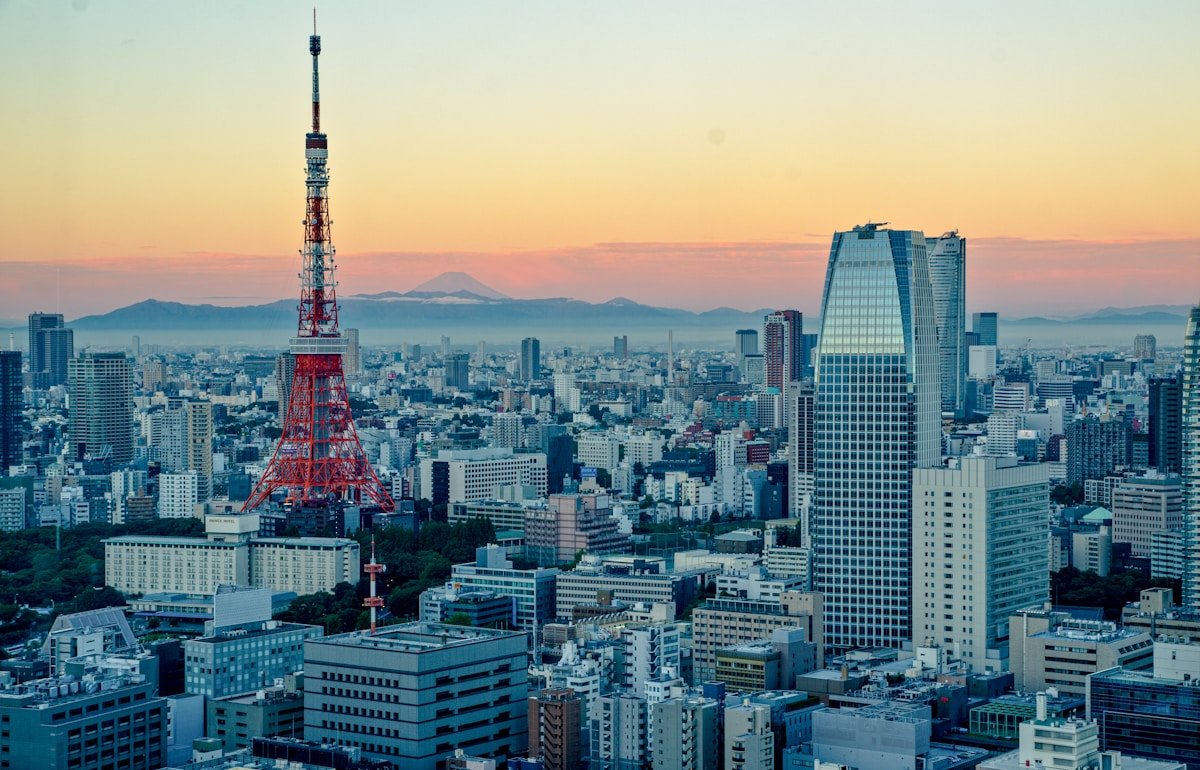
Tokyo is large enough that a week does not begin to exhaust it - but it is also a city that rewards repetition. This 7-day plan covers the essential neighbourhoods, one essential day trip, and some of the experiences that make Tokyo worth extending a Japan trip for. Each day is structured with a geographic logic so you are not crossing the city unnecessarily.
One thing to arrange before arrival: an Airalo eSIM for Japan means you step off the plane with working data - essential for Google Maps, real-time train departure boards, and restaurant research in a city where the best places rarely advertise in English.
Day 1: Asakusa and Eastern Tokyo
Start at Senso-ji temple (grounds free, accessible from 24 hours but atmospheric from first light). The Nakamise-dori market connecting the Kaminarimon thunder gate to the main hall opens around 9am. The surrounding Asakusa neighbourhood rewards wandering - traditional craft shops, ningyo-yaki cake stalls, and the riverside Sumida Park stretch toward Skytree.
Tokyo Skytree (350m observation deck ¥2,100, 450m tower ¥1,000 extra): Japan’s tallest structure and the first major viewing point of the trip. Book online to skip queues. Views on a clear day extend to Mt Fuji (best in winter mornings).
Cross the Azuma Bridge to the west bank of the Sumida River for the afternoon. The Edo-Tokyo Museum in Ryogoku (¥600, check current opening status as it has been under renovation) covers 400 years of Tokyo’s history with full-scale reconstructions of Edo-period buildings.
Evening: Sumida River district izakaya. Budget ¥2,000–¥3,500 for dinner and drinks at a riverside restaurant.
Transport: Asakusa is on the Tobu Skytree line, Ginza subway, and Toei Asakusa line.
Day 2: Shinjuku and Shibuya
Shinjuku morning: Shinjuku Gyoen National Garden (¥500, open 9am–4:30pm) is the best garden in central Tokyo - a 58-hectare combination of formal French, English landscape, and Japanese garden design. Cherry blossom season here draws enormous crowds; in any other season it is relatively calm. The Shinjuku Station area (west exit) contains skyscraper government buildings - Tokyo Metropolitan Government Building North Tower observation deck is free and opens at 9am.
Harajuku afternoon: Meiji Jingu Shrine (free, 10-minute walk through forested approach from Harajuku Station). Takeshita-dori for youth street fashion culture (free to walk, budget ¥500–¥1,500 for crepe or snacks). Omotesando boulevard for architecture - Herzog & de Meuron’s Prada building, SANAA’s Dior, Tadao Ando’s Omotesando Hills shopping complex.
Shibuya crossing at dusk: Arrive around 30 minutes before sunset. The best view of the crossing is from the Starbucks at the corner of Tsutaya Records (arrive early to secure a window seat) or from the free rooftop Mag’s Park. The crossing itself is most dramatic when the intersection clears completely between pedestrian phases - around 5pm to 7pm on weekdays.
Evening: Shibuya or Shinjuku for dinner. Shinjuku Golden Gai (small bars, ¥800–¥1,500 per drink plus some cover charges ¥500) or Omoide Yokocho (yakitori alley under the train tracks, ¥2,000–¥3,000).
Day 3: Akihabara, Yanaka, and Ueno
Akihabara morning: The electronics and anime culture district. Yodobashi Camera (electronics megastore, free to browse), Mandarake Complex (retro manga and anime merchandise), and the game centre arcades. The neighbourhood is most active from 11am. Budget ¥0–¥5,000 depending on shopping impulses.
Yanaka lunch and afternoon: A 15-minute walk north of Ueno brings you to Yanaka - one of the few Tokyo neighbourhoods that escaped both the 1923 Great Kanto Earthquake and World War II bombing. Low wooden shophouses, a working cemetery, and a traditional shopping street (Yanaka Ginza) create a picture of pre-war Tokyo that is largely absent from the rest of the city. Free to walk; budget ¥500–¥1,000 for street food and snacks on Yanaka Ginza.
Ueno Park afternoon: The park (free) contains the Tokyo National Museum (¥1,000, largest art museum in Japan), the National Museum of Nature and Science (¥630), Shinobazu Pond with lotus flowers (free), and Ameya-yokocho market street (free, most active from noon). The collection at the Tokyo National Museum includes the most significant collection of Japanese art and historical objects in the world - the main building alone requires 2 hours.
Day 4: Harajuku, Omotesando, and Ginza
Morning - Nezu Shrine: A less-visited alternative to Fushimi Inari with tunnel paths of torii gates through a forested hillside in central Tokyo (free, accessible from Nezu station on the Chiyoda line). Arrive before 9am for quiet.
Omotesando and Aoyama: The concentration of signature architect-designed buildings along Omotesando - Tadao Ando, Kengo Kuma, Herzog & de Meuron, and SANAA all have work here - makes this Tokyo’s most architecturally interesting commercial street. Free to walk; building interiors are retail spaces accessible without purchase.
Ginza afternoon: Tokyo’s traditional luxury shopping district, now also home to an increasing number of gallery spaces. The Itoya stationery flagship (free, 10 floors) is worth visiting purely as a design object. The Ginza Six building has a free public rooftop garden on the top floor.
TeamLab Borderless (Azabudai Hills, ¥3,200, open 10am–10pm - book well ahead, often sells out): Interactive digital art where the works flow between rooms and respond to visitor movement. Allow 2 to 3 hours. Located in the new Azabudai Hills complex that opened in 2024.
Day 5: Kamakura Day Trip
JR Shonan-Shinjuku Line from Shibuya or Shinjuku to Kamakura (about 55 minutes, ¥950 each way - JR Pass valid). Kamakura is a coastal town 50 kilometres south of Tokyo that served as the seat of Japan’s first shogunate from 1185 to 1333. The Great Buddha of Kotoku-in (¥300) - a 13-metre bronze seated figure cast in 1252 and open to the sky after its covering hall was destroyed by a typhoon in 1334 - is the primary draw.
Hokoku-ji bamboo garden (¥500, 15 minutes from central Kamakura by bus): A dense grove of 2,000 moso bamboo with a small tea ceremony pavilion inside the grove. A matcha set in the bamboo (¥700) is available without a formal ceremony.
Kamakura Hase-dera (¥400): A clifftop temple complex with views over Sagami Bay and an extensive cave beneath the main hall containing hundreds of carved Jizo figures.
Enoshima Island: 15 minutes by JR from Kamakura (¥200) plus a short walk across a bridge to an island with shrine complex, sea caves (¥500), and seafood restaurants. The sunset from Enoshima’s observation tower (¥350) on a clear day shows Mt Fuji directly behind the island - one of the classic Fuji views accessible from Tokyo.
Return to Tokyo by evening; budget dinner in Shibuya or Shinjuku. Prefer a guided day in Kamakura? Kamakura tours from Tokyo cover the Great Buddha, Hokoku-ji bamboo garden, and Enoshima in a structured day with a local guide.
Day budget: Transport ¥1,900 return, activities ¥1,500–¥2,500, food ¥2,000–¥3,500. Total ¥5,400–¥7,900.
Day 6: TeamLab (if not done Day 4), Toyosu, and Odaiba
Toyosu Market: Japan’s largest wholesale fish market (relocated from Tsukiji in 2018). The public auction viewing area (free, reservation required for the 5:25am tuna auction - book at least 2 months ahead) and the market building viewing decks (free, 9am–5pm) show the scale of Japan’s seafood supply chain. The sushi restaurants in the outer market area serve excellent tuna (¥3,000–¥5,000 for a full set).
Odaiba afternoon: The artificial island in Tokyo Bay has a free beach, the Miraikan science museum (¥630), and the teamLab Planets art experience (¥3,200, different from Borderless - more immersive wading-through-water experience, requires advance booking). The Palette Town Ferris wheel (now rebuilt as Tokyo Wheel) provides bay and Fuji views for ¥1,000.
Team Oedo Onsen Monogatari in Odaiba (¥2,480 after 6pm) - a large onsen theme park drawing naturally hot spring water from beneath Tokyo Bay. Yukata robes provided. Atmospheric in the evening after museum visits.
Day 7: Tsukiji Outer Market, Shopping, and Departure Prep
Tsukiji Outer Market morning: The inner market moved to Toyosu, but the outer market’s cluster of sushi shops, knife dealers, and seafood stalls remains active from 5am. The Sushi Dai and Daiwa Sushi queues begin before 6am on weekdays and run to 2 to 3 hours. For a more manageable wait, Tsukiji Hongan-ji Temple market stalls around the outer market perimeter serve similar quality with shorter queues. Budget ¥2,500–¥4,500 for a tuna breakfast.
Afternoon shopping and packing: Akihabara for electronics and gifts (tax-free shopping available at most major stores on passport presentation - 10% consumption tax refunded on purchases over ¥5,000). Shinjuku Takashimaya Times Square for department store shopping. Don Quixote discount chain (¥0–¥X depending on purchases) for souvenir goods, cosmetics, and snacks at competitive prices.
Transport to airport: Narita Express from Shinjuku or Tokyo Station (80 minutes, ¥3,070, JR Pass valid for most). Haneda airport is faster - Tokyo Monorail from Hamamatsucho (20 minutes, ¥500, JR Pass valid). Allow 3 hours for international check-in at Narita; 2 hours at Haneda. If you are departing from Narita with heavy bags after a week of shopping, a pre-booked private transfer via Kiwitaxi can be more practical than managing luggage on the N’EX.
Budget Summary
| Category | Budget (¥) | Mid-Range (¥) | Comfortable (¥) |
|---|---|---|---|
| Hotel (7 nights) | ¥21,000–¥28,000 | ¥63,000–¥98,000 | ¥126,000–¥168,000 |
| Search hotels in Tokyo on Booking.com |
| Food (7 days) | ¥14,000–¥24,500 | ¥21,000–¥42,000 | ¥42,000–¥70,000 | | Activities (7 days) | ¥7,000–¥14,000 | ¥14,000–¥28,000 | ¥21,000–¥42,000 | | Transport within Tokyo | ¥4,200–¥7,000 | ¥4,200–¥7,000 | ¥7,000–¥14,000 | | Kamakura day trip | ¥5,400–¥7,900 | ¥5,400–¥7,900 | ¥5,400–¥7,900 | | Airport transport | ¥500–¥3,070 | ¥500–¥3,070 | ¥1,000–¥6,000 | | Total (excl. flights) | ¥52,000–¥84,000 | ¥108,000–¥186,000 | ¥202,000–¥308,000 |
Mid-range total in USD (at ¥150/$1): Approximately $720–$1,240 for the week excluding flights.
Optional Day 8 - Tokyo Disney Resort: If you have an extra day, Tokyo DisneySea is 15 minutes from Tokyo Station by JR Keiyo Line and is consistently rated the most sophisticated Disney park in the world. The 2024 Fantasy Springs expansion (Frozen, Rapunzel, Tinker Bell) makes this an even stronger option for a bonus day. Book tickets well in advance - the gate does not sell same-day tickets.
See also: Tokyo travel guide · 3 days in Tokyo itinerary · Two weeks in Japan · Tokyo Disney Resort tickets · Kamakura travel guide · Kanto region guide
Book Your Trip
Flights - search and compare on Flights to Japan guide · Aviasales eSIM - stay connected with Japan eSIM guide · Airalo Travel insurance - get covered with Japan travel insurance guide · VisitorsCoverage Airport transfers - book with Kiwitaxi Car rental - compare with Car hire in Japan guide · GetRentaCar Tours and activities - browse GetYourGuide