This 14-day itinerary covers Japan’s essential experiences without feeling rushed: three nights in Tokyo to absorb the city before the long journey begins, a day trip that rewards the extra effort, a mountain onsen stop, five nights in the historic Kansai region, and a final push to Japan’s most powerful memorial site before returning through Osaka. It is designed to work with a 14-day JR Pass.
Two things to sort before you fly: travel insurance and a Japan data SIM. For insurance, VisitorsCoverage covers medical, cancellation, and trip interruption and can be taken out for the exact duration of this itinerary. For mobile data, an Airalo eSIM for Japan activates before you board - essential for Google Maps navigating Tokyo’s train network on day one.
Overview
Days 1–3: Tokyo
Arrive and orient. Tokyo is manageable if you divide it by neighbourhood rather than trying to cover it geographically. Three days allows a solid introduction without feeling rushed.
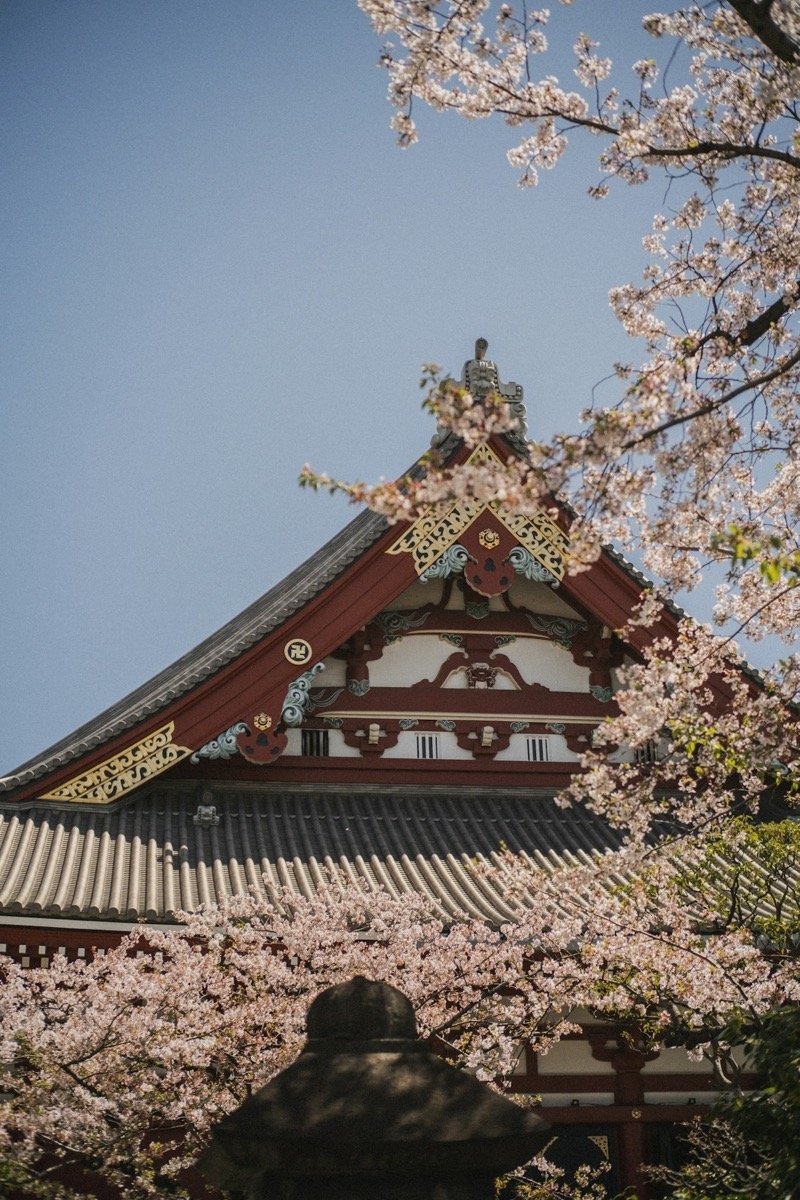
Day 1 - Asakusa and East Tokyo: Start at Senso-ji temple (grounds free, open at sunrise). The Nakamise-dori market opens around 9am. Walk along the Sumida River to the Tokyo Skytree observation deck (¥2,100 for the lower observatory at 350m) or save money by booking the Tokyo Metropolitan Government Building free observation deck for another day. Evening: Akihabara electronics district for context; izakaya dinner in the Ueno area (¥2,000–¥3,000).
Day 2 - Shibuya and Shinjuku: Harajuku Takeshita Street (free) for street fashion culture. Meiji Jingu Shrine (free, 15-minute walk through forested approach). Omotesando for architecture and shopping (free to walk). Shibuya Crossing late afternoon - visit from the Starbucks overlooking the intersection or from Mag’s Park rooftop (free). Shinjuku for dinner and evening - Golden Gai’s tiny six-seat bars (¥800–¥1,500/drink, cover charge ¥500–¥1,000 at some) or Omoide Yokocho yakitori alley (¥2,000–¥3,000).
Day 3 - Tokyo free day: Options include: teamLab Borderless digital art museum (¥3,200, book ahead - it sells out), Yanaka old neighbourhood (free walking), Tsukiji Outer Market tuna breakfast from ¥3,000 (arrive by 6am on weekends), or the Edo-Tokyo Museum in Ryogoku (¥600, currently under renovation - check status). Planning this free day on the fly? There are usually last-minute tours available with confirmed spots in the next three days. For guided Tokyo experiences - food tours, neighbourhood walks, and teamLab combined packages - browse Tokyo tours on GetYourGuide.
Daily budget in Tokyo: ¥10,000–¥18,000 (mid-range hotel ¥8,000–¥12,000 near Asakusa or Shinjuku, food ¥2,000–¥4,000, activities ¥1,000–¥3,000). Search hotels in Tokyo on Booking.com
Day 4: Nikko Day Trip
From Tokyo, the JR Tohoku Shinkansen to Utsunomiya (55 minutes, ¥4,810) and then a local JR train to Nikko (45 minutes, ¥780). Total one-way by JR: approximately ¥5,590 (covered by JR Pass). Alternatively, the Tobu Nikko line from Asakusa is slightly cheaper but not JR Pass-covered (¥1,480 each way, 2 hours on the semi-express).
Nikko is the ornate mountain shrine complex built to enshrine Tokugawa Ieyasu, the founder of the Edo shogunate. The Tosho-gu Shrine complex (¥1,300) is the centrepiece - excessive by the standards of most Japanese shrine architecture, with carved animals, gilded details, and the famous “see no evil, hear no evil, speak no evil” monkeys above the stable building. The Rinno-ji temple complex (¥1,000) and the Futarasan Shrine (¥200) round out the main sights.
Return to Tokyo by early evening; depart for Hakone the following morning.
Day budget: Transport ¥11,000–¥12,000 (if not using JR Pass), activities ¥2,500–¥3,000, food ¥1,500–¥2,500.
Day 5: Travel to Hakone via Odawara
From Tokyo Shinjuku, the Odakyu Romancecar (¥2,570, 85 minutes, advance reservation required) or JR Shonan-Shinjuku Line to Odawara (¥1,580, 80 minutes, JR Pass valid) connects to Hakone. From Odawara, the Hakone Tozan Railway climbs to Gora (40 minutes, ¥510, not on JR Pass unless using Hakone Free Pass).
Hakone Free Pass (¥5,000 from Shinjuku including return train): covers all Hakone transport - Tozan Railway, ropeway, Lake Ashi pirate ship, and buses - for 2 days. Significantly better value than individual tickets if using multiple transport modes.
Check into your Hakone accommodation. Evening: outdoor onsen bath (rotenburo) at your ryokan or hotel - best experience in Japan is to soak in a hot spring pool while looking at Mt Fuji or forest at dusk.
Day 6: Hakone - Mt Fuji Views and Onsen
A clear day at Hakone reveals Mt Fuji across Lake Ashi - the classic view from Hakone-en or from the ropeway above Owakudani. Fuji visibility is best in the morning before clouds build, and clearest in winter. If it is cloudy (which it frequently is), the Owakudani volcanic area (active sulphur vents, black eggs boiled in the thermal water - ¥600 for 5 eggs) and the Open Air Museum in Chokokunomori (¥1,600, sculpture park with a Picasso pavilion) are excellent in any weather.
Accommodation: Hakone has a broad range from business hotels (¥10,000) to traditional ryokan with kaiseki meals (¥30,000–¥60,000/person). Budget ryokan and guesthouses offer onsen facilities from ¥12,000–¥20,000 per person with two meals. Search hotels in Hakone on Booking.com
Day 7: Shinkansen to Kyoto
From Odawara, the Tokaido Shinkansen Hikari to Kyoto (approximately 1 hour 40 minutes, ¥12,710 - covered by JR Pass). Reserved seats can be booked at any JR ticket office in Japan or through the JR website before departure. Check into Kyoto accommodation; the afternoon allows a first orientation walk through Gion and Pontocho (free).
Days 8–9: Kyoto
Two days provides time for the major sites without exhaustion.
Day 8 - East Kyoto: Fushimi Inari Taisha (free, arrive before 7am for the best atmosphere on the 4km torii gate path). Afternoon: Kinkaku-ji Golden Pavilion (¥500, best in morning light - open 9am) or Ryoan-ji rock garden (¥600). Evening dinner in Pontocho alley (¥3,000–¥5,000).
Day 9 - Arashiyama: The Bamboo Grove (free, arrive at 7am before tour groups) and the approach along the Katsura River. Tenryu-ji Garden (¥500, UNESCO, excellent karesansui garden). Nijo Castle (¥800, the shogun’s Kyoto residence with famous “nightingale floors”) in the afternoon. Nishiki Market for food tasting (free to walk, budget ¥1,000–¥2,000 for tastings).
Daily budget in Kyoto: Mid-range hotel ¥10,000–¥18,000 per night (book ahead for peak periods), food ¥2,000–¥4,000, activities ¥1,500–¥3,000. Search hotels in Kyoto on Booking.com
Day 10: Nara Day Trip
JR Miyakoji Express from Kyoto to Nara (45 minutes, ¥740, JR Pass valid). Nara’s freely roaming deer (approximately 1,200 animals, designated national treasure) are the draw - they roam through Nara Park and bow their heads when you bow first. Todai-ji temple (¥600, the largest wooden building in the world by floor area, housing a 15-metre bronze Buddha) and Kasuga Taisha shrine (free outer precincts, ¥500 inner treasure hall) are the main sights.
Return to Kyoto for the evening or proceed to Osaka for the night.
Day 11: Osaka Evening → Hiroshima
Travel Kyoto to Osaka by JR (15 minutes, ¥580, JR Pass valid) and spend the afternoon at Dotonbori - Osaka’s entertainment district. Takoyaki octopus balls (¥600 for 8), okonomiyaki (¥900–¥1,400), and the neon-lit Glico Running Man sign are the highlights. This is a strong food city - even an afternoon here justifies the detour.
Evening Shinkansen from Shin-Osaka to Hiroshima (1 hour 10 minutes by Hikari, ¥9,950, JR Pass valid). Arrive and check in; walk to the illuminated Atomic Bomb Dome (A-Bomb Dome) area (free at all hours).
Day 12: Hiroshima Peace Memorial + Miyajima
Morning - Miyajima: Take the JR line from Hiroshima to Miyajimaguchi (30 minutes, ¥420) then the JR ferry to Miyajima Island (10 minutes, ¥200 - free with JR Pass). The Itsukushima Shrine floating torii gate is the primary sight (shrine ¥300). Deer roam the island freely. The Daisho-in temple complex (free) on the mountain slope is excellent. Return to Hiroshima by noon.
Afternoon - Hiroshima Peace Memorial Museum and Park: The museum (¥200, open 8:30am–6pm, extended hours in summer) documents the atomic bombing of August 6, 1945 through personal testimonies, physical artefacts, and scientific explanation. It is among the most important museums in Asia. Allow 2 hours. The Peace Memorial Park (free) surrounds the museum with monuments, the A-Bomb Dome UNESCO site, and the Children’s Peace Monument.
Dinner: Hiroshima-style okonomiyaki at Okonomi-mura, a three-floor building of okonomiyaki restaurants in central Hiroshima (¥1,000–¥1,500 per person). Tours in Hiroshima - including Peace Memorial guided walks and Miyajima combined day tours - are worth booking in advance. Search hotels in Hiroshima on Booking.com
Day 13: Back to Osaka - Full Day
Shinkansen from Hiroshima to Shin-Osaka (1 hour 10 minutes by Hikari, covered by JR Pass). Full day in Osaka: Osaka Castle (grounds free, castle museum ¥600), Shinsekai neighbourhood (budget fugu or kushikatsu ¥1,500–¥3,000), Kuromon Market for lunch (fresh seafood, budget ¥1,500–¥2,500), and Dotonbori again for the evening. Osaka is a strong final night - excellent food and genuinely lively nightlife without Kyoto’s tourist density.
Daily budget in Osaka: Hotel ¥9,000–¥16,000, food ¥3,000–¥5,000, activities ¥1,000–¥2,000. Search hotels in Osaka on Booking.com
Day 14: Departure from Osaka/Kansai
Kansai International Airport (KIX) is connected by the Haruka Express from Shin-Osaka (75 minutes, ¥3,090, JR Pass valid). For a private hotel-to-airport transfer with heavy bags, Kiwitaxi offers fixed-price cars from central Osaka. Check in 3 hours ahead for international flights. If you haven’t already sorted your flights to Japan, the open-jaw option - flying into Tokyo, out of Osaka - is the most logical structure for this route.
Transport Cost Summary
| Journey | Individual Cost | JR Pass? |
|---|---|---|
| Tokyo → Nikko (Shinkansen + local) | ¥11,180 return | Yes (JR lines) |
| Tokyo → Hakone (Odakyu + Hakone) | Hakone Free Pass ¥5,000 | Partial |
| Hakone → Kyoto (Shinkansen) | ¥12,710 | Yes |
| Kyoto → Nara return | ¥1,480 | Yes |
| Kyoto → Osaka | ¥580 | Yes |
| Osaka → Hiroshima (Shinkansen) | ¥9,950 | Yes |
| Hiroshima → Miyajima ferry | ¥400 | JR ferry free |
| Hiroshima → Osaka (Shinkansen) | ¥9,950 | Yes |
| Osaka → Kansai Airport (Haruka) | ¥3,090 | Yes |
| Total JR-covered if no pass | ~¥49,000 | - |
| 14-day JR Pass | ¥80,000 | - |
The JR Pass saves approximately ¥15,000 on this route once you add city transit costs and any additional JR journeys during the Tokyo and Kyoto days.
Accommodation Budget by City
| City | Nights | Budget (dorm ¥) | Mid-range (¥) | Comfortable (¥) |
|---|---|---|---|---|
| Tokyo | 3 | ¥3,000/night | ¥10,000/night | ¥18,000/night |
| Hakone | 2 | - | ¥18,000/person | ¥40,000/person |
| Kyoto | 3 | ¥3,500/night | ¥12,000/night | ¥22,000/night |
| Hiroshima | 1 | ¥3,000/night | ¥9,000/night | ¥15,000/night |
| Osaka | 2 | ¥3,000/night | ¥9,000/night | ¥16,000/night |
See also: Tokyo travel guide · Kyoto travel guide · Osaka travel guide · Hiroshima travel guide · Hakone travel guide · Japan Rail Pass guide · Ryokan guide Japan · Japan Golden Route · 10 days in Japan itinerary · Taiwan vs Japan comparison · Tokyo long-stay guide · Kyoto long-stay guide · Osaka long-stay guide
Book Your Trip
Flights - search and compare on Flights to Japan guide · Aviasales eSIM - stay connected with Japan eSIM guide · Airalo Travel insurance - get covered with Japan travel insurance guide · VisitorsCoverage Airport transfers - book with Kiwitaxi Car rental - compare with Car hire in Japan guide · GetRentaCar Tours and activities - browse GetYourGuide