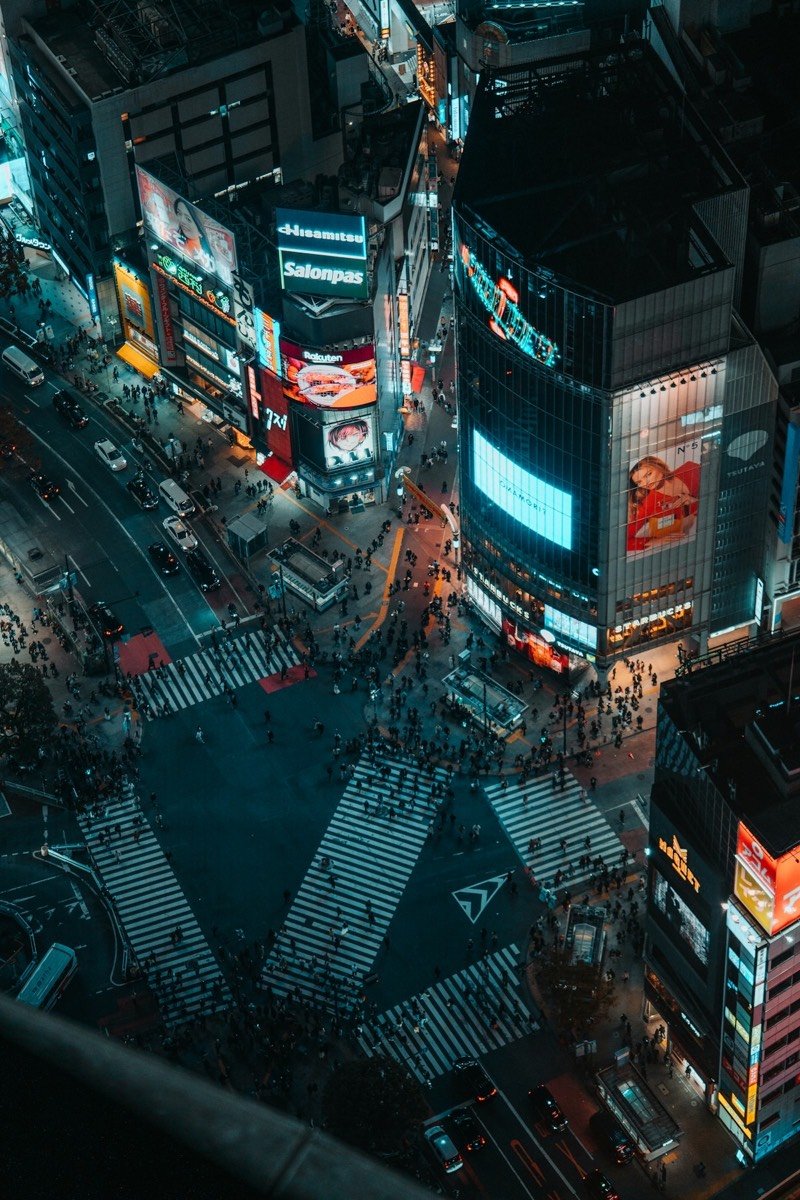
Tokyo rewards structure. The city is enormous - 14 million people across dozens of distinct neighbourhoods - and three days without a plan leads to hours lost on trains between areas that could have been grouped together. This itinerary clusters sights by geography, minimising transport time and maximising time on the ground.
Before you land, activate an Airalo eSIM for Japan so Google Maps works the moment you step off the plane. Tokyo’s train network is world-class but genuinely confusing for newcomers - live navigation is essential, not optional.
Transport Setup
Buy a 72-hour Tokyo Metro pass (approximately ¥1,500 / USD 10 as of 2026) from the airport or any major Metro station. This covers all nine Tokyo Metro lines. For JR lines (Yamanote Loop, Chuo, Sobu) and private railways, load a Suica or Pasmo IC card with approximately ¥3,000 / USD 20 for the three days. Individual Metro rides cost ¥170–320; the pass pays for itself by the second day.
From Narita Airport, the Narita Express (N’EX) runs to Shinjuku in approximately 80 minutes (¥3,250 / USD 22). From Haneda Airport, the Keikyu Line reaches Shinagawa in 15 minutes (¥300 / USD 2), connecting to the Yamanote Line. If you are arriving with heavy bags or prefer a direct door-to-door transfer, Welcome Pickups covers both airports with fixed prices and meet-and-greet service.
Where to Stay
Budget: Nui. Hostel & Bar Lounge in Kuramae - dorms from approximately ¥3,500 / USD 23, private rooms from ¥9,000 / USD 60. The ground-floor bar makes this a social base. Located one stop from Asakusa on the Oedo Line. Search hotels in Tokyo on Booking.com
Mid-range: Tokyu Stay Shinjuku - rooms from approximately ¥12,000 / USD 80 with in-room washer-dryers. Five-minute walk from Shinjuku Station’s east exit, direct access to Golden Gai and Kabukicho.
Upper mid-range: Hotel Gracery Shinjuku - rooms from approximately ¥16,000 / USD 107. Famous for the Godzilla head on the terrace. Clean, well-located, and the views from upper floors cover the Shinjuku skyline.
All prices are approximate as of 2026.
Day 1: Shibuya, Meiji Shrine, Harajuku, Shinjuku
Morning: Shibuya Crossing and Surrounds
Start at Shibuya Station by 9:00. Walk to Shibuya Crossing - the world’s busiest pedestrian intersection. For the classic overhead photo, head to the Shibuya Sky observation deck on the rooftop of Shibuya Scramble Square (approximately ¥2,000 / USD 13, open 9:00–23:00, book online to skip queues). The Hachiko statue outside the station’s south exit takes 30 seconds to see.
Walk north through Center-gai and up to Meiji Shrine (free entry, open sunrise to sunset, approximately 10-minute walk from Shibuya). The forested approach along the gravel path offers a genuine contrast to the crossing you just left. The main hall takes 30–45 minutes to walk through.
Lunch: Harajuku
Exit Meiji Shrine via the Harajuku gate onto Takeshita-dori. This narrow pedestrian street is packed with crêpe shops, streetwear stores, and themed cafés. For a proper lunch, skip the crêpes and walk to Afuri Ramen in nearby Ebisu or the Harajuku branch - yuzu shio ramen from approximately ¥1,080 / USD 7. Alternatively, Gyukatsu Motomura in Harajuku serves breaded beef cutlet sets from approximately ¥1,500 / USD 10 - the meat comes rare and you sear it on a hot stone at the table.
Afternoon: Omotesando and Cat Street
Walk Omotesando, Tokyo’s architectural showcase - the Prada building (Herzog & de Meuron), Tod’s (Toyo Ito), and Dior (SANAA) are all within 300 metres. Cat Street, the quieter back lane parallel to Omotesando, has independent boutiques and coffee shops. Onibus Coffee on Cat Street serves single-origin pour-overs from ¥500 / USD 3.
Evening: Shinjuku
Take the JR Yamanote Line from Harajuku to Shinjuku (2 minutes, ¥150 / USD 1). Head to the Tokyo Metropolitan Government Building for a free observation deck (open 9:30–23:00, closed select Tuesdays). The north tower offers panoramic views and on clear days you can see Mt Fuji.
For dinner, walk to Omoide Yokocho (Memory Lane) near the west exit - a narrow alley of yakitori stalls dating back to the post-war era. A meal of grilled chicken skewers and a beer runs approximately ¥1,500–2,500 / USD 10–17. After dinner, explore Golden Gai, five narrow alleys containing roughly 200 tiny bars. Most seat 6–10 people. Cover charges range from ¥500–1,000 / USD 3–7 - always ask before sitting down.
Day 2: Asakusa, Akihabara, teamLab, Ginza
Morning: Asakusa and Senso-ji
Take the Ginza Line to Asakusa Station and walk to Senso-ji, Tokyo’s oldest temple (founded 628 AD). The Kaminarimon gate with its red lantern is the main photo point. Walk through Nakamise-dori shopping street (open from approximately 9:00) for ningyo-yaki cakes (¥300–500 / USD 2–3 for a bag) and sensu folding fans. The temple grounds are free and open 24 hours, but the main hall opens at 6:00.
For breakfast or early lunch, walk to Asakusa Gyukatsu near the temple for beef cutlet sets (approximately ¥1,300 / USD 9) or cross the Sumida River to Sometaro, which serves DIY okonomiyaki on tabletop griddles from approximately ¥900 / USD 6.
Midday: Akihabara
Subway to Akihabara (Tsukuba Express or Hibiya Line, approximately 10 minutes). The electronics district has shifted towards anime, manga, and gaming culture. Browse Yodobashi-Akiba (8 floors of electronics, open 9:30–22:00), Mandarake Complex (8 floors of manga and collectibles), and the retro game shops on Chuo-dori. The Super Potato retro game store on the 5th floor of the Radio Kaikan building is worth a look even if you are not buying.
Lunch at Kanda Matsuya (10 minutes’ walk south of Akihabara, towards Ochanomizu) - a soba noodle institution since 1884. Cold seiro soba sets from approximately ¥750 / USD 5.
Afternoon: teamLab Borderless
Take the Hibiya Line to Roppongi, then walk to teamLab Borderless at Azabudai Hills (approximately ¥3,800 / USD 25 as of 2026, open 10:00–21:00, closed Tuesdays). Book tickets online in advance - walk-up entry is often sold out. Allow 2–3 hours inside. The installations flow between rooms, so there is no fixed path.
Evening: Ginza
Walk or take the subway to Ginza (Hibiya Line, approximately 10 minutes). Ginza is Tokyo’s upscale shopping district, but eating here does not have to be expensive. Ginza Kagari serves tori paitan (chicken broth) ramen from approximately ¥1,000 / USD 7 - one of the best bowls in the city. For something more substantial, Ginza Sato Yosuke serves handmade Inaniwa udon from Akita (sets from approximately ¥1,500 / USD 10).
Walk the Chuo-dori pedestrian zone (car-free on weekends) and look up at the department store architecture - Ginza Six and the UNIQLO flagship are worth walking through.
Day 3: Tsukiji, Imperial Palace, Roppongi, Golden Gai
Morning: Tsukiji Outer Market
Start early at Tsukiji Outer Market (most stalls open 5:00–14:00, best before 10:00). The inner wholesale market moved to Toyosu in 2018, but the outer market remains - roughly 400 stalls selling seafood, tamagoyaki (rolled egg), and street food. Sushi Dai at Toyosu requires 2–4 hour waits; instead, eat at Tsukiji Sushiko in the outer market for quality sushi sets from approximately ¥2,500 / USD 17. Pick up tamagoyaki on a stick from Yamacho (approximately ¥200 / USD 1.30) and fresh uni (sea urchin) from the counter vendors (approximately ¥500–1,000 / USD 3–7 per portion).
Late Morning: Imperial Palace Gardens
Walk north to the Imperial Palace East Gardens (free, open 9:00–16:30, closed Mondays and Fridays). The gardens occupy the former Edo Castle grounds and contain the stone walls, moats, and foundations of the original structure. Allow 60–90 minutes for a full circuit. The Ninomaru Garden is the most photogenic section.
Lunch: Marunouchi and Tokyo Station
Tokyo Ramen Street in the basement of Tokyo Station has eight ramen shops under one roof. Rokurinsha serves thick tsukemen with a rich fish-pork broth (approximately ¥1,050 / USD 7, expect a 20–30 minute queue). Alternatively, walk to the Marunouchi brick-building district for café lunches - Marunouchi Coffee Club serves sandwiches and drip coffee in a quiet setting.
Afternoon: Roppongi
Subway to Roppongi (Hibiya or Oedo Line). Visit the Mori Art Museum on the 53rd floor of Roppongi Hills (approximately ¥2,000 / USD 13, open 10:00–22:00 Wednesday–Monday, until 17:00 Tuesdays). The ticket includes access to the Tokyo City View observation deck, which offers 360-degree views and is less crowded than Shibuya Sky.
Evening: Return to Golden Gai or Kabukicho
End the trip back in Shinjuku. If you missed Golden Gai on night one, this is your second chance. For dinner, Fuunji near Shinjuku Station south exit serves tsukemen - thick noodles dipped in concentrated broth - from approximately ¥1,000 / USD 7. The queue moves quickly (15–20 minutes typical). For a sit-down izakaya dinner, Uotami near the east exit has all-you-can-drink deals from approximately ¥2,500 / USD 17 for 2 hours - useful for a final night group dinner.
Daily Budget Summary
| Category | Budget | Mid-Range |
|---|---|---|
| Accommodation | ¥3,500–5,000 | ¥12,000–16,000 |
| Food | ¥2,500–3,500 | ¥5,000–8,000 |
| Transport | ¥800–1,200 | ¥800–1,500 |
| Activities | ¥500–2,000 | ¥3,000–6,000 |
| Daily total | ¥7,300–11,700 | ¥20,800–31,500 |
All prices in JPY, approximate as of 2026. USD conversions use approximately ¥150 = USD 1.
Key Tips
Day trips from Tokyo: If you have a spare half-day, Hakone tours from Tokyo offer Mt Fuji views and onsen experiences without needing to arrange transport and accommodation independently. Kamakura tours are another popular option - the Great Buddha and bamboo gardens are a comfortable 55-minute train from Shibuya.
See also: Tokyo travel guide · Things to do in Tokyo · Where to stay in Tokyo · Tokyo food guide · One week in Tokyo itinerary · Japan Rail Pass guide · Kanto region guide
Book Your Trip
Flights — search and compare on Aviasales eSIM — stay connected with Airalo Travel insurance — get covered with EKTA Airport transfers — book with Kiwitaxi Car rental — compare with GetRentaCar Tours and activities — browse GetYourGuide