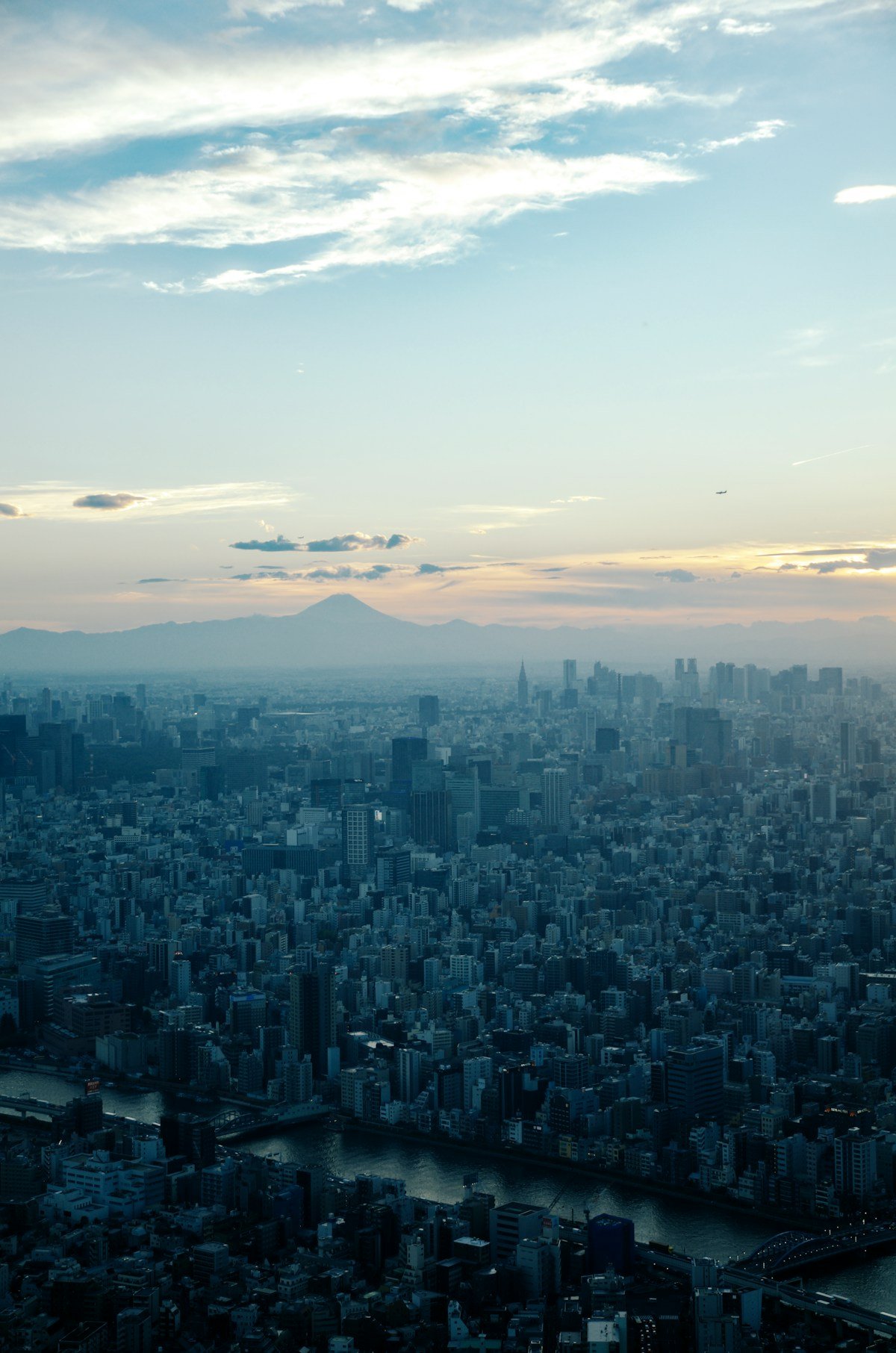
Kanto is Japan’s most visited region, and for good reason. Tokyo anchors it - the world’s largest metropolitan area, with more Michelin stars than any other city, a rail network that makes everything easy, and enough to fill weeks without repeating. But the region’s strength is what sits around the capital: within two hours by train, you can reach Nikko’s gilded mountain shrines, Kamakura’s coastal temple trail, Hakone’s Mount Fuji views, and Yokohama’s working harbour. Most visitors do a version of this without ever leaving Kanto.
Tokyo
Tokyo is the starting point and, for most travellers, the longest stop. The city divides into distinct neighbourhoods, each with a different character: Asakusa has the oldest temple in Tokyo and the city’s most traditional streetscape; Shibuya and Harajuku draw younger crowds and are where Japanese street culture concentrates; Shinjuku runs from the Golden Gai back-alley bars to the government tower observation deck; Akihabara deals in electronics and anime merchandise; Yanaka has the old low-rise city that survived the war.
Tokyo’s transport card (Suica or Pasmo, bought at the airport) covers the entire subway and JR network within the city. A single-day subway pass costs around ¥600 ($4) and covers most tourist areas. Budget ¥3,000–5,000 ($20–33) per person per day for food without trying. A conveyor-belt sushi lunch runs ¥1,500 ($10); a proper ramen bowl costs ¥1,000–1,500 ($7–10).
Key sights: Senso-ji temple (Asakusa, free, open 24 hours), Meiji Shrine (Harajuku, free, forested grounds), Shinjuku Gyoen garden (¥500/$3.30, closed Monday), teamLab Borderless digital art (¥3,200/$21, book ahead), Tsukiji outer market (free to walk, open from 5am).
How long: Three days is a minimum to cover the main areas. Five days is comfortable. One week lets you go slower and add a day trip.
Nikko
Nikko sits in the mountains 150km north of Tokyo, and its UNESCO World Heritage shrine complex is genuinely striking - gold leaf, lacquerwork, and carved figures stacked up a forested hillside. Tosho-gu is the main site: it holds the mausoleum of Tokugawa Ieyasu, the shogun who unified Japan, and was built to impress. The famous three wise monkeys carving (“see no evil, hear no evil, speak no evil”) is here.
Nikko is an easy day trip from Tokyo. The Tobu Nikko Line from Asakusa takes around 2 hours on a limited express train (¥1,360/$9 one way; JR Pass does not cover this route). A better option is the Tobu Nikko Pass (around ¥4,780/$32), which covers round-trip transport from Asakusa plus unlimited bus travel in the Nikko area. Entry to the main Tosho-gu complex costs ¥1,300 ($8.50). Allow 3–4 hours on site.
Further up the mountain, Lake Chuzenji and Kegon Falls (¥570/$3.80 to view from the observation platform) add another half-day if you want to stay overnight.
Kamakura
Kamakura was Japan’s political centre in the 13th century, and the coastal city still carries the weight of that history. The Great Buddha (Kotoku-in) is a 13-metre bronze figure cast in 1252, set against a hillside backdrop - entry ¥300 ($2). Engakuji and Kencho-ji are serious Zen training temples that allow visitors into the grounds.
The Daibutsu Hiking Course connects several of the hilltop temples and takes around 2 hours; it is one of the better urban hikes in Japan and gives views over the bay to Enoshima island. Hasedera temple has a hillside garden and coastal views, and the lower town around Komachi-dori street is good for lunch.
From Tokyo: Yokosuka Line from Shinjuku or Ofuna Line from Tokyo station, around 55 minutes (¥940/$6.20; JR Pass valid). If combining with Enoshima island, the Enoshima Electric Railway runs between them.
Hakone
Hakone is the most popular day trip and weekend destination from Tokyo, primarily because it frames Mount Fuji. On clear days - most reliably in winter and spring - the view across Lake Ashi to the mountain is photographed millions of times a year. The Open Air Museum holds a permanent outdoor sculpture collection and a Picasso gallery (¥1,600/$10.50). Owakudani is the active volcanic area with sulphur vents and the famous black eggs boiled in the hot springs (¥500/$3.30 for five eggs).
The Hakone Free Pass (around ¥6,500/$43 from Shinjuku) covers all transport within the Hakone area, including the Romancecar limited express from Shinjuku, a mountain railway, cable car, ropeway over Owakudani, and Lake Ashi pirate boat. It is efficient value if you use multiple transport options, which most people do.
Hakone has some of Japan’s best ryokan (traditional inns with hot-spring baths). A mid-range overnight stay with dinner and breakfast costs ¥20,000–35,000 ($133–233) per person. Book well ahead for weekends and cherry blossom season.
Yokohama
Japan’s second largest city and main port, 30 minutes from Tokyo on the Tokaido Line or subway. Yokohama’s Chinatown (Chukagai) is the largest in Japan, with around 600 restaurants and shops. The harbour area - Minato Mirai, around Osanbashi pier and the Red Brick Warehouse complex - gives a sense of Japan’s 19th-century opening to international trade.
Yokohama is best as a half-day or full-day add-on from Tokyo rather than a separate overnight stop. The Cup Noodles Museum (¥500/$3.30) is genuinely interesting - a history of instant noodles and a workshop where you create your own flavour. Sankeien garden (¥700/$4.60) has historical buildings brought from across Japan to a traditional landscaped park.
Getting Around Kanto
The Kanto region is entirely covered by Japan Railways and private rail lines. From Tokyo:
- Nikko: 2h (Tobu Nikko Line, ¥1,360/$9 one way; JR Pass not valid on fastest services)
- Kamakura: 55min (JR Yokosuka Line, ¥940/$6.20; JR Pass valid)
- Hakone: 85min (Odakyu Romancecar from Shinjuku, ¥1,230/$8.15; or JR to Odawara then Hakone Tozan)
- Yokohama: 30min (JR Tokaido Line, ¥480/$3.20; JR Pass valid)
The JR Pass covers most inter-city JR routes but not private lines (Tobu, Odakyu). A Suica card handles everything within Tokyo. Search hotels in Tokyo on Booking.com
Best Season to Visit
Spring (late March to early April) brings cherry blossoms - Tokyo peaks around late March. Autumn (mid-November to early December) has foliage, particularly striking in Nikko’s mountain areas. Summer is hot and humid (July–August often 30–35°C with high humidity) but functional. Winter (December–February) is cold but clear, with the best Mount Fuji views from Hakone and the fewest crowds outside ski areas.
Plan your Kanto visit: Tours and activities across Kanto cover the region’s top experiences. Flights to Japan - compare early, especially for travel to regional airports outside Tokyo. Travel insurance for Japan and an Airalo eSIM are worth sorting before you fly.
City Guides for Kanto
Detailed city guides: Tokyo · Kamakura · Nikko · Hakone · Kawaguchiko
Related guides: 3 days in Tokyo itinerary · One week in Tokyo · Hakone vs Nikko · Nara vs Kamakura · Tokyo vs Kyoto
See also: Tokyo travel guide · Kamakura travel guide · Nikko travel guide · Hakone travel guide · Mount Fuji climb guide · teamLab Tokyo guide · Best tours in Tokyo · Hakone long-stay guide · Kamakura long-stay guide · Kawaguchiko long-stay guide