Kanazawa Travel Guide: Samurai Districts, Garden & Geisha
Kanazawa travel guide covering Kenroku-en garden, geisha districts, Omicho Market, and gold leaf culture on Japan's Sea of Japan coast.
Guides for Kanazawa
Kanazawa sits on Japan’s Sea of Japan coast in Ishikawa Prefecture, roughly equidistant between Tokyo and Osaka but feeling unlike either. With a population of around 470,000, it is large enough to have excellent infrastructure yet compact enough to walk its historic quarters in a single day. Most importantly, Kanazawa was one of the few major Japanese cities not bombed during World War II, which means its samurai and geisha districts survive in original form - not reconstructed, not museumified, but intact and still inhabited.
The comparison to Kyoto comes up constantly, and we understand why. Both cities have geisha culture, historic machiya townhouses, and famous gardens. But where Kyoto has been transformed by mass tourism into something approaching a theme park on peak days, Kanazawa remains a working city with a genuine cultural pulse. The gold leaf workshops, sake breweries, and teahouses here serve local people as much as visitors. The Higashi Chaya geisha district is quieter and more authentic than Gion, with actual ozashiki banquets still arranged for those willing to pay and wait.
Kenroku-en Garden
Kenroku-en is consistently ranked among Japan’s top three landscape gardens, alongside Koraku-en in Okayama and Kairaku-en in Mito. Entry costs ¥320. The name translates roughly as “garden of six qualities” - spaciousness, solitude, artificiality, antiquity, abundant water, and panoramic views - a set of attributes considered impossible to achieve simultaneously, yet somehow managed here.
The garden contains 11,400 trees including Japanese black pines that have been standing for more than 200 years. The two-legged stone lantern reflected in Kasumigaike Pond has become the symbol of the city. In late January and February, the garden’s pine trees are fitted with yukizuri - rope scaffolding radiating from a central pole to protect branches from heavy snow. The resulting shapes, particularly against a snowfall background, produce some of the most photographed images in all of Japanese garden culture.
Seasonal highlights are genuine rather than manufactured. Cherry blossoms bloom around the pond in late March to early April. Irises and azaleas follow in May. Autumn maples reach peak colour in mid-November. Illumination events in late winter and early spring - usually February into March - allow evening visits when the garden glows against the dark.
Arrive before 9am to experience the garden before tour groups arrive from Kyoto. The atmosphere at 7am, when morning light falls across the ponds and only a handful of local walkers are present, is entirely different from midday.
Kanazawa Castle Park
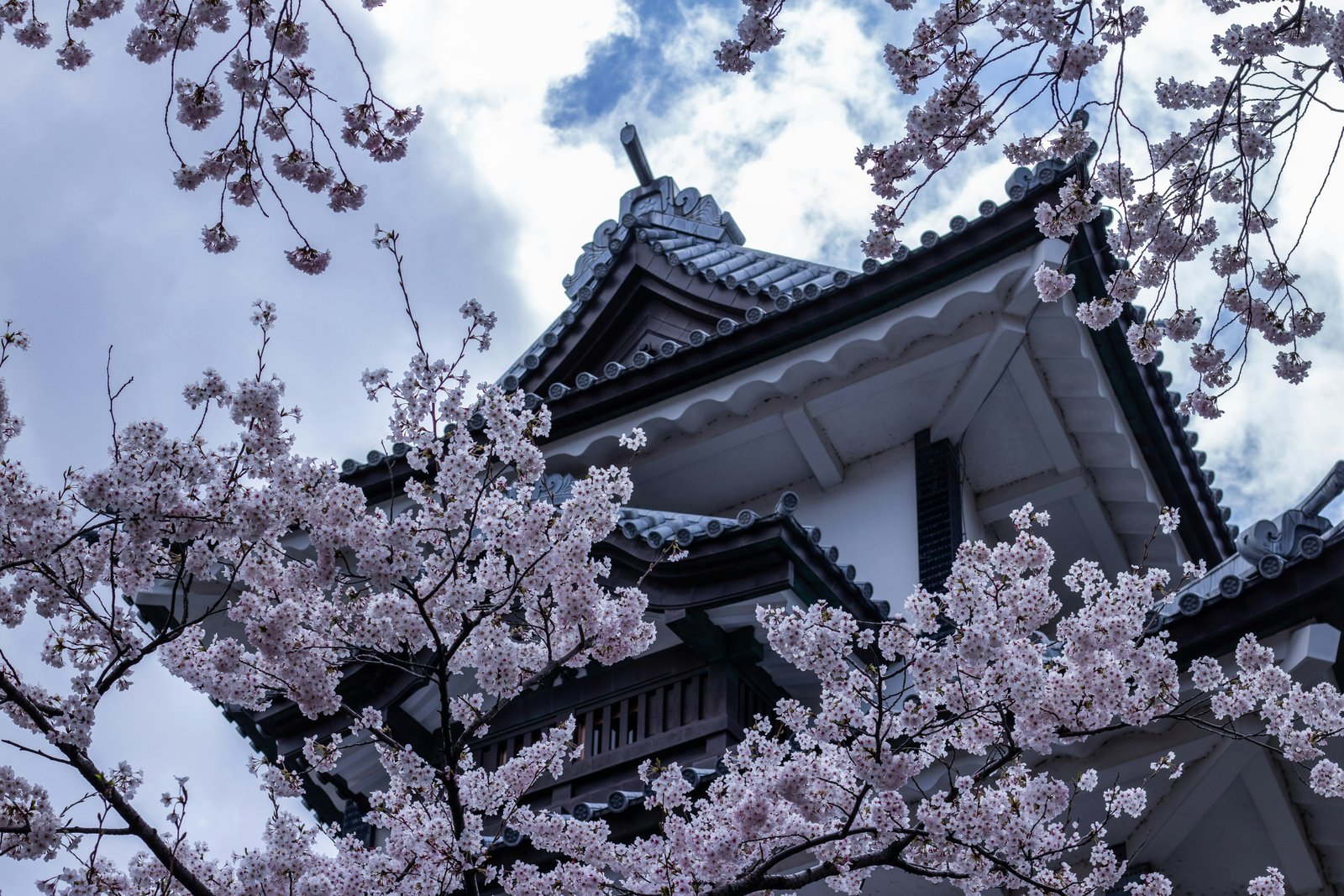
Adjacent to Kenroku-en, Kanazawa Castle Park is free to enter. The reconstructed Hishi-yagura turret and connecting Hashizume-mon Tsuzuki Yagura cost ¥320 to enter and are worth the fee for the interior joinery work alone - the reconstruction used traditional timber techniques from the Edo period rather than modern materials, making this one of the most historically faithful castle reconstructions in Japan.
The castle grounds are extensive and pleasant to walk at any time of year. The Gyokusen’inmaru Garden on the castle’s western side (¥310) is less visited than Kenroku-en and offers a more contemplative experience.
Higashi Chaya Geisha District
Higashi Chaya - East Teahouse District - is the largest of Kanazawa’s three geisha districts and one of the best-preserved Edo-period urban streetscapes in Japan. Admission to walk the streets is free. The wooden latticed teahouses lining the main lane date from 1820 and are protected as Important Cultural Properties.
Unlike Kyoto’s Gion district, where the geisha culture has become largely performative for tourists, Kanazawa’s geisha community remains small and functional. Approximately 30 active geiko and maiko practice here. Ozashiki banquets - formal dinners with geisha entertainment - can still be arranged, though they require a Japanese-speaking intermediary, significant advance planning, and a budget of ¥30,000 or more per person.
For visitors, the most accessible experience is the Shima ochaya teahouse museum (¥500), preserved exactly as it was when licensed in 1820. The Kaikaro teahouse offers tea ceremony experiences for ¥1,500. Several machiya townhouses along the main street have been converted into cafes and craft shops selling gold leaf lacquerware and local sweets.
Kanazawa guided tours covering the geisha districts, Kenroku-en Garden, and Kanazawa Castle are the most efficient structure for a day visit, with local guides who can provide context on the teahouse culture that self-guided visits rarely capture.
Kazuemachi and Nishi Chaya
Kazuemachi is the smallest of the three geisha districts and arguably the most photogenic. Located along the Asanogawa River, its row of teahouses faces the canal, with stone lanterns reflected in the water at dusk. The walk takes less than 10 minutes but rewards lingering, especially in the hour before dark when the lanterns glow and day-trippers have moved on. Entry is free.
Nishi Chaya (West Teahouse District) is quieter than Higashi Chaya and sees fewer visitors. The Nishi Chaya Shiryokan museum (free admission) explains the history of the district with displays of geisha instruments and ornaments.
D.T. Suzuki Museum
This is among the most unusual museums in Japan. Dedicated to Daisetz Teiaro Suzuki, the philosopher who introduced Zen Buddhism to the Western world in the early 20th century, the building was designed by architect Kengo Kuma and completed in 2011. Entry costs ¥310.
The design centres on a large water mirror garden - a shallow reflective pool open to the sky, surrounded by concrete walls. There is almost nothing to do here except sit and look. The contemplative effect is intended and genuine. Visitors who arrive expecting traditional museum content often find the experience disorienting; visitors who arrive expecting a Zen space find it extraordinary.
21st Century Museum of Contemporary Art
The 21st Century Museum of Contemporary Art opened in 2004 and quickly became one of Japan’s most visited contemporary art institutions. Entry to the public zone - an open circular building with outdoor works and free indoor spaces - costs nothing. The main collection costs ¥1,000.
The most famous work is Leandro Erlich’s “Swimming Pool” - a permanent installation that allows visitors on the upper level to look down through water at people standing below, and vice versa. The effect is completely convincing and continues to draw queues. James Turrell’s light installation “Blue Planet Sky” - a room open to the sky through a precisely framed rectangular aperture - shifts its perception of colour and depth with the changing light.
Omicho Market
Omicho is Kanazawa’s central market, operating from roughly 9am to 6pm daily with around 170 stalls. Entry is free. The seafood selection reflects the city’s position on the Sea of Japan coast: nodoguro (black throat seaperch) is the prestige local fish, served as nigiri for ¥500–¥800 per piece or as a full set for ¥2,500–¥4,000.
From November through March, snow crab (zuwaigani) and its larger cousin the PHP crab (hanasaki in some regions, but locally often called kegani or PHP by market sellers) dominate the displays. A whole crab sold at market ranges from ¥8,000 to ¥30,000 depending on size and grade. Many market restaurants will cook a crab you purchase at market for an additional ¥500–¥1,000 preparation fee.
The market is best visited between 9am and noon when it is most active and seafood is freshest. Several stalls sell prepared seafood bowls for ¥1,500–¥2,500 - look for stalls with lines of locals rather than signs in multiple languages.
Gold Leaf Culture
Kanazawa produces approximately 99 percent of Japan’s gold leaf. The craft arrived in the city in the early Edo period when the Maeda clan, who ruled the region, deliberately cultivated artisan culture to rival Kyoto. Gold leaf is applied to lacquerware, ceramics, Buddhist altar fittings, cosmetic mirrors, and even food - a gold leaf soft-serve ice cream has become a popular street food near Higashi Chaya.
Workshops across the city offer hands-on experiences ranging from applying gold leaf to a small lacquered dish (¥1,000–¥1,500) to more involved sessions creating lacquerware or decorating chopsticks (¥2,000–¥3,000). The Hakuichi main shop on Higashi Chaya’s main street has the largest retail selection of gold leaf products and a small exhibition on the production process.
Getting to Kanazawa
The JR Hokuriku Shinkansen connects Kanazawa directly to Tokyo Station. Journey time is approximately 2 hours 30 minutes and the standard fare is ¥14,120. The line was extended southwest to Tsuruga in March 2024, opening faster connections to Osaka - the current journey from Osaka (via transfer at Tsuruga or Maibara) takes around 2 hours at a cost of approximately ¥7,260.
From Nagoya, limited express trains take around 2 hours (¥5,610). From Kyoto, the most practical route is via the Shinkansen to Tsuruga then local express, totalling around 2 hours 20 minutes and approximately ¥6,500. A popular circuit from Tokyo pairs Kanazawa with Takayama - travel Nagoya → Takayama by JR Hida (2h 25m) then Takayama → Toyama by JR Hida (1h 20m) then Toyama → Kanazawa by Hokuriku Shinkansen (20 minutes), combining alpine Hida character with Kanazawa’s crafts and seafood in a single trip.
Within Kanazawa, the Loop Bus connects the station to all major sightseeing areas for ¥200 per ride or ¥600 for a day pass. The city is also manageable by bicycle - the terrain is flat and rentals are available from ¥500 per half day.
Once you are in town, our guide to getting around Kanazawa covers buses and trains in more detail.
Kanazawa hosts a jazz festival each September. See our Kanazawa Jazz Street event guide for dates and viewing tips.
Kanazawa vs Other Cities
Choosing between Kanazawa and Kyoto? Our Kyoto vs Kanazawa comparison covers which city delivers more value for a Japan itinerary - classical temple culture versus samurai districts and contemporary craft.
Planning your trip to Kanazawa? Tours and activities in Kanazawa cover guided experiences, cultural immersion, and the top sights with local expertise. Flights to Japan vary significantly by season - compare early to secure the best fares. Sort out travel insurance for Japan before you book, and pick up an Airalo eSIM for Japan to have mobile data the moment you land.
Search hotels in Kanazawa on Booking.com
Explore Kanazawa
Things to do in Kanazawa · Where to stay in Kanazawa · Best restaurants in Kanazawa · Kanazawa food guide · Day trips from Kanazawa · Getting around Kanazawa
Kanazawa is part of the Chubu region. For a broader overview of central Japan travel, see our Chubu region guide.
Official sources worth checking before you go: Japan National Tourism Organization.
See also: Chubu region guide · Kyoto vs Kanazawa · Takayama travel guide · Onsen guide Japan · Ryokan guide Japan · Japan Rail Pass guide · Long stay in Kanazawa
Upcoming Events in Kanazawa
Hatsumode - New Year Shrine Visits
Hatsumode 2027, 1–3 January. Japan's most important annual tradition - millions visit shrines and temples in the first three days of the new year.
Nearby Cities
Frequently Asked Questions
- How do you get from Tokyo to Kanazawa?
- Take the JR Hokuriku Shinkansen from Tokyo Station to Kanazawa. Journey time is around 2 hours 30 minutes and costs ¥14,120 one way. The line was extended to Tsuruga in March 2024.
- Is Kanazawa worth visiting compared to Kyoto?
- Yes. Kanazawa has equally well-preserved historic districts but far fewer crowds than Kyoto. Geisha culture here remains active, gold leaf crafts are unique to the region, and Omicho Market seafood surpasses anything in Kyoto.
- When is the best time to visit Kanazawa?
- January to February for snow-covered pine trees at Kenroku-en garden - the most iconic image of the city. Spring cherry blossoms in April are also excellent. Summers are hot and humid; autumn foliage peaks in November.
- Do you need a Japan Rail Pass for Kanazawa?
- If you are combining Kanazawa with Tokyo and Osaka on a longer trip, a 7-day JR Pass at ¥50,000 covers the Hokuriku Shinkansen and can save money. For Kanazawa alone from Tokyo, calculate whether two individual tickets at ¥14,120 each exceed the pass cost.
- How many days do you need in Kanazawa?
- Two full days covers the main highlights: Kenroku-en, Kanazawa Castle, Higashi Chaya and Kazuemachi districts, Omicho Market, and 21st Century Museum. Three days allows a day trip to the Noto Peninsula or Kaga Onsen.
Book an experience
Top experiences in Kanazawa
Explore the best tours and activities in Kanazawa, with instant confirmation and free cancellation on most bookings.