Kanazawa rewards methodical exploration. The historic districts are walkable, the culture is layered, and the food - particularly the seafood - gives the city a sensory richness that goes beyond its monuments. This list covers the 18 most worthwhile things to do here, from the obvious garden to the less-visited brewery towns an hour away.
1. Kenroku-en Garden at Morning Light
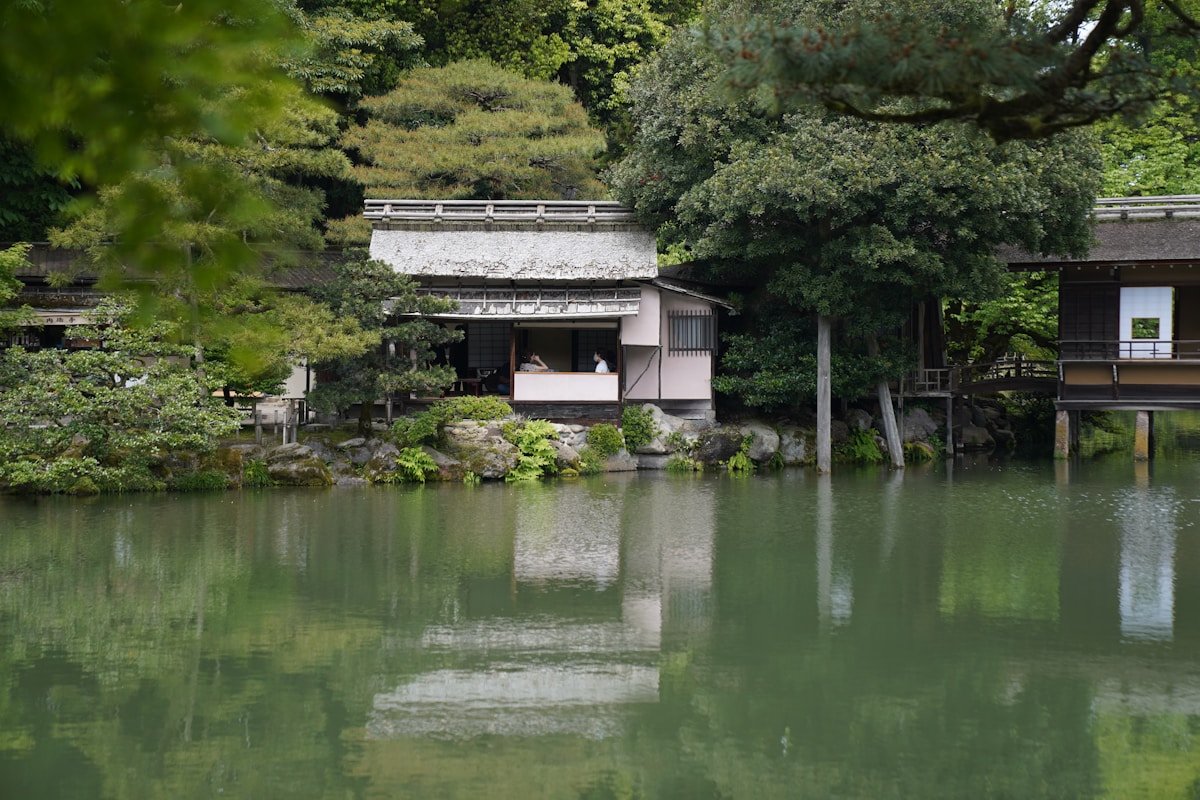
Kenroku-en (¥320, open 7am–6pm in summer, 8am–5pm in winter) earns its reputation as one of Japan’s three great landscape gardens. Walk all of it rather than just the postcard pond - the upper terraces with their ancient pines, the iris and plum gardens, and the stone lanterns at water’s edge together create a complete aesthetic experience.
All four seasons offer something genuinely different. January and February bring yukizuri rope scaffolding on the pine trees to prevent snow damage - the resulting shapes against a snowfall background are iconic. Late March to early April brings cherry blossoms over the ponds. Irises bloom in May; maples turn in November.
Arrive by 7am on weekends to experience the garden with almost no other visitors. By 9:30am, tour groups from Kyoto and Tokyo begin arriving, and the atmosphere changes completely.
2. Kanazawa Castle Reconstruction
The reconstructed Hishi-yagura tower and connecting turret corridor (¥320) are worth the entry fee specifically for the interior woodwork - the rebuilders used Edo-period joinery techniques with no nails, producing massive timber structures held together by complex interlocking joints. The grounds themselves are free and include pleasant lawns, a restored stone wall circuit, and views down into Kenroku-en from the castle’s elevated position.
3. Higashi Chaya District Walking Tour
The main lane of Higashi Chaya (free to walk, open throughout the day) is flanked by two-story wooden teahouses with characteristic latticed ground-floor facades. The Shima ochaya museum (¥500) preserves one teahouse’s interior exactly as it was in the 1820s - the red lacquered staircase, the instrument storage rooms, and the second-floor banquet rooms create a picture of the Edo-period entertainment economy that is hard to find elsewhere.
The Kaikaro teahouse (¥1,500 tea ceremony) is the most accessible experience for visitors who want to sit inside a working ochaya. The setting - genuine Edo-period rooms with lacquered pillars and silk screens - is more atmospheric than most dedicated tea ceremony venues.
4. Kazuemachi Canal Walk at Dusk
Kazuemachi is a short lane of teahouses alongside the Asanogawa River. Walking it takes less than 10 minutes but should be timed for the hour before dark. The stone lanterns illuminate the canal water and the latticed teahouse fronts glow against the evening sky. Day-trippers are largely gone by 5pm, leaving the lane to photographers and local residents. Entry is free.
5. Nishi Chaya District
Smaller and quieter than Higashi Chaya, Nishi Chaya’s main street (free to walk) has a handful of craft shops and a small free museum explaining the district’s history. The geisha culture here has been less commercialized than Higashi Chaya - fewer tea ceremony studios, more of the original working character. Worth 20 to 30 minutes as part of a longer walking day.
6. 21st Century Museum of Contemporary Art
The circular building at the heart of the city (free public zone, ¥1,000 main collection) contains some of Japan’s most engaging contemporary art. Leandro Erlich’s “Swimming Pool” - in which people above stand on glass over water and people below stand in a dry space beneath that glass, looking up at each other through rippling water - requires a queue but delivers a genuinely disorienting experience. Plan 45 minutes minimum for the main collection.
The free public zone surrounding the main galleries contains outdoor works and free interior pieces - worth walking through even without a paid ticket.
7. D.T. Suzuki Museum
Kengo Kuma’s building for the Zen philosopher’s legacy (¥310) uses a water mirror garden as its centrepiece - a large, shallow reflective pool open to sky, enclosed by concrete walls. There is almost nothing to look at in the conventional sense. The experience is meditative by design. Allow 30 to 45 minutes and resist the urge to rush.
8. Omicho Market Seafood Lunch
Omicho (free entry, most stalls open 9am–6pm) is a genuine working market with around 170 vendors across a covered market complex. The seafood here directly reflects Kanazawa’s position on the Sea of Japan - nodoguro (black throat seaperch), amaebi sweet shrimp, and seasonal fish fill the display cases at the front of stalls.
Budget ¥1,500 to ¥3,000 for a bowl over rice or a nigiri set lunch. Several market restaurants upstairs offer set meals in the ¥1,200–¥2,500 range. From November to March, snow crab dominates - a small whole crab costs ¥8,000 and up, while the exceptional PHP crabs can reach ¥30,000.
9. Gold Leaf Workshop
Kanazawa produces roughly 99 percent of Japan’s gold leaf, and workshops here offer hands-on sessions where you apply leaf to a lacquered object - typically a small dish, a pair of chopsticks, or a cosmetic mirror. Most introductory sessions cost ¥1,000 to ¥1,500 and take about an hour. More involved lacquerware workshops run ¥2,500 to ¥3,000 and take 90 minutes. The Hakuichi and Sakuda Gold Leaf workshops near Higashi Chaya are the most accessible for English-speaking visitors and run sessions without advance booking during off-peak periods.
10. Nagamachi Samurai District
Nagamachi (free walking) is the former samurai residential quarter, a 10-minute walk southwest of the city centre. Earthen walls, narrow lanes, and wooden gates survive largely intact. The Nomura-ke samurai house (¥550) offers the most complete interior view - tatami reception rooms, a private tea garden, and displayed armour give a sense of the domestic life of a mid-ranking Edo-period samurai family.
The district is best early in the morning when the light falls through the earthen walls and before the small tour groups arrive.
11. Higashi Chaya Ozashiki Banquet
Arranging a formal ozashiki - a geisha banquet - in Kanazawa requires planning months in advance, a Japanese-speaking intermediary (most ryokan concierges can assist), and a budget of ¥30,000 or more per person. The experience - traditional course meal, sake poured by geiko, shamisen music, and conversation games - is increasingly rare even in Japan. Kanazawa is one of the few cities where it remains genuinely available rather than purely theatrical.
12. Local Sake at an Izakaya
Kanazawa sits in Ishikawa Prefecture, which produces some of Japan’s most respected sake using snowmelt water from the Hakusan mountain range. Tedorigawa and Kagatobi are the two labels to look for - both are typically available by the glass at local izakaya for ¥600 to ¥900. The area around Katamachi has the highest concentration of izakaya and is active from 6pm onward.
13. Noto Peninsula Day Trip
If you have a third day, the Noto Peninsula extends north along the Sea of Japan coast and rewards a full day excursion. Buses run from Kanazawa Station to Wajima (1 hour 30 minutes, ¥2,000 each way). The Wajima morning market (free, 8am–noon) sells local lacquerware, dried seafood, and produce. Lacquerware workshops in Wajima offer hands-on sessions using the local Wajima-nuri technique (¥2,000–¥4,000). The Suzu coast road further north passes through dramatic clifftop scenery largely unknown to foreign visitors.
14. Cycling the Historic Districts
Kanazawa’s central districts are flat and connected by cycling paths. Bicycle rentals cost ¥500 to ¥1,000 per day from outlets near the station and at Kenroku-en. A cycling loop from the station through Nagamachi, past Kenroku-en and the castle, along to Higashi Chaya and Kazuemachi covers all the main areas in around 2 to 3 hours without rushing. The canal paths along the Asanogawa River are particularly pleasant.
15. Kanazawa Ramen
Kanazawa has a distinct local ramen style characterised by soy broth enriched with seafood stock - shoyu-based but heavier and more umami-driven than Tokyo shoyu. Local shops serve thick, slightly wavy noodles in bowls topped with char siu, nori, and locally caught fish-based additions. Expect to pay ¥800 to ¥1,200 per bowl. Several shops cluster around the Katamachi area and open for lunch from 11am.
16. Hakusan Sake Brewery Tour
Hakusan Brewery, located about 1 hour from the city by local transport, offers tours of its production facilities and a tasting session (¥600 for the tasting, tours free with reservation). The brewery draws its water from the Hakusan mountain snowmelt - the same source that defines Ishikawa sake production. Tours run on set days; book through the tourist information office at Kanazawa Station.
17. Kaga Onsen Day Soak
Four interconnected hot spring towns - Yamashiro, Yamanakas, Katayamazu, and Awazu - sit 45 minutes south of Kanazawa by JR (approximately ¥1,150). Collectively known as Kaga Onsen, they offer day-use bathing from ¥800 at public bathhouses and up to ¥3,000 for private baths at ryokan. The water quality varies between towns - Yamanaka is considered the most prestigious, drawing devotion from the tea ceremony community for centuries.
18. Kanazawa Cuisine Beyond Seafood
The city’s food culture extends well beyond its market seafood. Jibu-ni is Kanazawa’s signature hot pot dish - duck or chicken simmered with fu (wheat gluten), vegetables, and a rich soy-based sauce thickened with starch, served in lacquerware (¥1,500–¥2,500 at restaurants). Kaga-ryori is the broader tradition of refined Kaga cuisine - typically served as a multi-course meal at ryokan or dedicated restaurants (¥6,000–¥20,000 per person). Local wagashi confectionery is among the best in Japan outside Kyoto.
Book ahead for popular experiences: Tours and activities in Kanazawa include guided options, skip-the-line tickets, and immersive cultural experiences.
Kanazawa vs Kyoto: A Practical Comparison
| Factor | Kanazawa | Kyoto |
|---|---|---|
| Geisha culture | Active, accessible with effort | Mostly theatrical for tourists |
| Crowds | Moderate, manageable | Severe at peak periods |
| Garden quality | Kenroku-en ranks equally | Multiple top-ranked gardens |
| Accommodation cost | ¥10,000–¥30,000 typical | ¥15,000–¥50,000+ typical |
| Gold leaf crafts | Unique, 99% produced here | Not available |
| Seafood quality | Exceptional (Sea of Japan coast) | Inland - limited fresh seafood |
| Day trip options | Noto Peninsula, Kaga Onsen, Gokayama | Nara, Osaka, Hiroshima |
| English signage | Good in tourist areas | Excellent throughout |
Where to stay: Search hotels in Kanazawa on Booking.com
See also: Kanazawa travel guide · Where to stay in Kanazawa · Best restaurants in Kanazawa · Day trips from Kanazawa · Kyoto vs Kanazawa · Chubu region guide · Three weeks in Japan itinerary · Japan Rail Pass guide