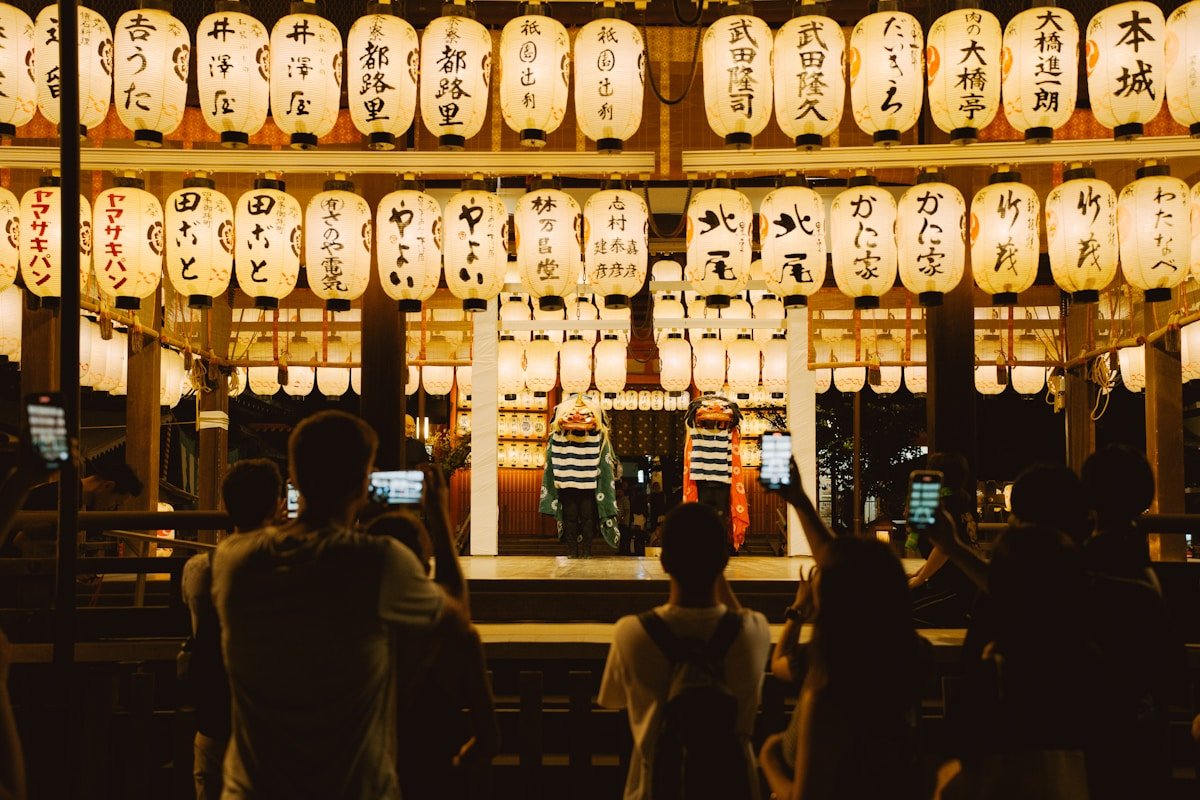
December divides into two distinct halves in Japan. Early-to-mid December is one of the country’s quietest tourism periods - cold but clear, with spectacular illumination displays and almost no crowds. Late December shifts dramatically as New Year (Oshogatsu), Japan’s most important holiday, triggers the largest domestic travel surge of the year.
First Frosts and Hokkaido Deep Powder: December Conditions
Tokyo is cold and dry: 4–12°C with clear skies on most days. Snow is rare in central Tokyo - perhaps once or twice per winter and usually light. The air is crisp and visibility is excellent, making December one of the best months for seeing Mt. Fuji from the city.
Kyoto is colder: 2–10°C with occasional frost. The last autumn leaves linger into early December at lower elevations. The bamboo groves and temple gardens take on a spare, winter beauty that has its own appeal.
Hokkaido is deep winter: Sapporo averages −4 to 2°C with heavy snowfall. The ski season is fully underway by mid-December. Niseko, Furano, and Rusutsu receive some of the lightest, driest powder snow in the world - a major draw for international skiers.
Okinawa is mild at 16–21°C. Not beach weather for most, but pleasant for sightseeing without crowds.
Ski Season Opens
Japan’s ski season begins in late November at higher elevations and is in full swing across Hokkaido and the Honshu Alps by mid-December. Japan’s snow quality - particularly Hokkaido’s famous “Japow” powder - is world-class.
Key destinations:
- Niseko (Hokkaido): Japan’s most international resort. Average annual snowfall exceeds 15 metres. The village has a strong apres-ski scene with excellent restaurants. Book December accommodation months ahead - Niseko is increasingly popular.
- Hakuba (Nagano): The 1998 Winter Olympics site. Multiple interconnected resorts, more affordable than Niseko, and accessible from Tokyo in under 4 hours by Shinkansen and bus.
- Nozawa Onsen (Nagano): A traditional onsen town with a ski resort above it. The combination of skiing and evening hot springs is quintessentially Japanese.
- Furano/Tomamu (Hokkaido): Less crowded than Niseko with comparable snow quality.
Winter Illuminations
December is the peak month for Japan’s elaborate illumination displays. Major installations include:
- Nabana no Sato (Mie Prefecture): Japan’s largest illumination, with millions of LED lights creating landscapes and tunnels. Runs October through May but December is the signature month.
- Kobe Luminarie: Originally created to commemorate the 1995 earthquake, this December-only event fills Kobe’s streets with elaborate light arches.
- Tokyo: Roppongi Hills, Marunouchi (near Tokyo Station), Shibuya’s Blue Cave, and Omotesando’s tree-lined avenue are all illuminated through December.
- Rikugien (Tokyo): The autumn illumination extends into early December, with the last maples lit up over the garden pond.
Christmas in Japan
Christmas is not a national holiday in Japan but has evolved into a distinctive cultural event. Key traditions that surprise first-time visitors:
- KFC on Christmas Eve is a genuine phenomenon. Kentucky Fried Chicken runs a “Kurisumasu” campaign dating to 1974, and millions of Japanese families pre-order their Christmas chicken weeks in advance. Queues at KFC on December 24th stretch out the door.
- Christmas cake (a light sponge cake with strawberries and cream) is ubiquitous. Every bakery and convenience store stocks them.
- Illuminations and date nights: Christmas Eve is a romantic occasion in Japan, closer to Valentine’s Day than a family holiday. Restaurants require reservations weeks ahead.
New Year (Oshogatsu) - Late December
The final week of December transforms Japan. Oshogatsu is the most significant holiday in the Japanese calendar, and the impact on travel is substantial:
- December 28–31: Businesses close, domestic travel surges, Shinkansen fill, and hotel prices in popular areas spike. This is Japan’s equivalent of the Christmas–New Year travel rush in Western countries.
- December 31 (Omisoka): Temples ring their bells 108 times at midnight (joya no kane), symbolising the cleansing of 108 worldly desires. Meiji Jingu in Tokyo, Chion-in in Kyoto, and Zojo-ji near Tokyo Tower are the most popular locations.
- January 1–3 (Hatsumode): The first shrine visit of the year draws millions. Meiji Jingu alone receives over 3 million visitors in the first three days of January.
If you are in Japan over New Year, it is a profound cultural experience - but book everything 3–4 months ahead and expect limited restaurant options (many close December 29 through January 3).
Two Decembers: Low Season Value and New Year Surge
Early-to-mid December (1st–20th) is low season in most of Japan. Hotel rates are among the year’s lowest in Tokyo and Kyoto. This is an excellent-value window for city sightseeing.
Exceptions: Hokkaido ski resorts are high season from mid-December, and prices rise nationwide after December 25th as New Year approaches. The December 28–January 3 period commands peak pricing everywhere.
Planning a trip this month? Flights to Japan prices vary significantly by season - compare fares early for the best value. Travel insurance for Japan covers delays, medical costs, and the unexpected. Pick up an Airalo eSIM for Japan to have mobile data from the moment you land - no queueing at the airport for a physical SIM.
Onsen Towns, New Year Prep, and Winter Warmth
- Warm clothing is essential. Tokyo and Kyoto are cold enough for a proper winter coat, scarf, and gloves. Hokkaido requires heavy winter gear, thermals, and waterproof boots.
- Onsen towns are at their best. Cold air and hot water are the perfect combination. Kinosaki, Kurokawa, Ginzan, and Hakone are all excellent in December.
- Nengajo (New Year cards): Post offices sell special New Year postcards from early December. Sending them is a widespread tradition - a window into daily Japanese life.
- Cash: Carry extra yen during the New Year period, as some ATMs have reduced hours December 31–January 3. 7-Eleven ATMs operate normally.
For a broader perspective on how seasons shape your Japan trip, see our Japan by season guide.
See also: Best time to visit Japan · Japan in November · Japan in January · Onsen guide Japan · Hokkaido region guide · Sapporo travel guide · Kyoto travel guide · Ryokan guide Japan · Budget travel guide Japan · Japan itineraries · Japan where to stay
Search hotels in Japan on Booking.com
Plan Your Trip
Early-to-mid December is genuinely low season in Tokyo and Kyoto - some of the year’s best hotel rates. Ski destinations are the opposite: Niseko in December books out months ahead as the first powder weeks begin. New Year (December 28–January 3) commands peak pricing everywhere, so factor that into your timing.
- Hotels in Niseko - Book early: December powder weeks fill fast
- Hotels in Hakuba - Shinkansen access from Tokyo; more affordable than Niseko
- Hotels in Nozawa Onsen - Ski resort combined with traditional onsen town
- Ski and winter tours - Browse Niseko experiences · Sapporo activities
- Flights - Early December fares are often excellent
- eSIM - Stay connected from landing
- Travel Insurance - Ski cover and winter delay protection