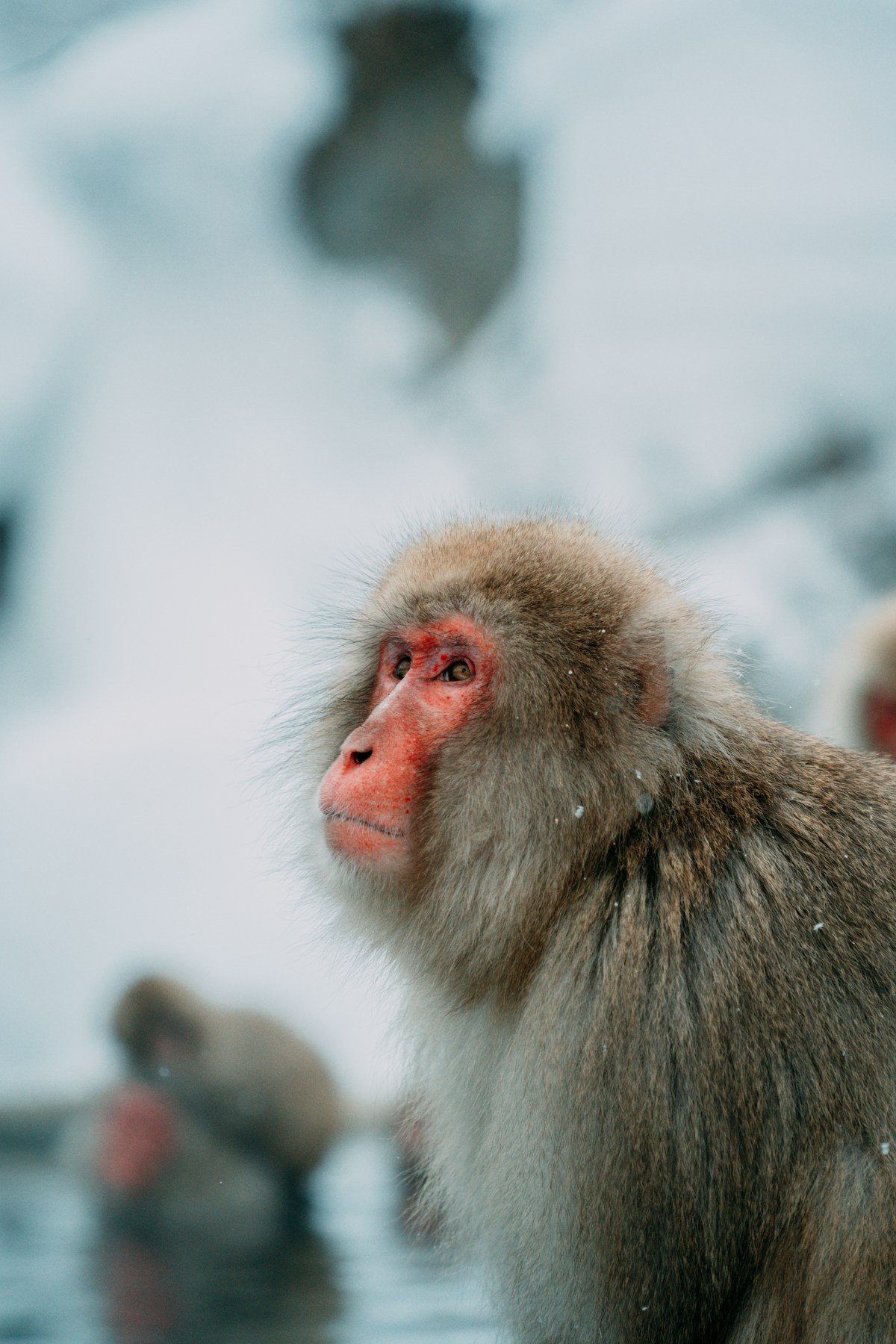
Japan in January 2027 is cold but dry: Tokyo reaches 8-10°C with clear skies, Kyoto 2-9°C and Sapporo sits at −8 to −2°C, so pack warm and it is well worth the trip. January is one of Japan’s quietest months for tourism. The post-New Year calm settles in after the first few days, leaving major attractions uncrowded and hotel prices at their lowest. The trade-off is cold weather across most of the country, but for skiers and anyone who prefers travelling without crowds, it is one of the best months to visit.
Cold, Clear, and Dry: January Conditions
Tokyo and central Honshu are cold and dry, with daytime highs of 8–10°C and overnight lows around 2°C. Rain is rare. The skies are often clear, and visibility toward Mt. Fuji from Tokyo is at its best during winter months.
Kyoto and Osaka are similar to Tokyo, running 2–9°C. Kyoto occasionally receives a dusting of snow, which transforms Kinkaku-ji (the Golden Pavilion) and the bamboo grove at Arashiyama into scenes worth travelling for specifically.
Hokkaido is deep winter: Sapporo sits at −8 to −2°C with heavy snowfall. This is peak powder season for Niseko, Furano, and Rusutsu. Siberian weather systems cross the Sea of Japan and dump dry, light snow - the famous “Japow” that draws skiers from across the world.
Okinawa remains mild at 15–20°C. It is too cool for comfortable swimming, but Okinawa is where Japan’s cherry blossom season actually begins: the kanhizakura (Okinawan cherry) blooms from mid-January, weeks before the mainland.
Hatsumode and New Year Traditions
The first three days of January are dominated by Hatsumode - the tradition of making the year’s first shrine visit. Meiji Jingu in Tokyo receives roughly three million visitors during January 1–3, and Fushimi Inari in Kyoto sees similar numbers. If you arrive in the first week of January, expect major shrines to be extremely busy while the rest of the country is quiet.
New Year food (osechi-ryori) is served at ryokan and many restaurants through the first week. Shops and some restaurants close December 31 through January 3 - convenience stores and chain restaurants remain open.
Skiing in January
January is the strongest month for skiing in Japan. Hokkaido receives its heaviest snowfall, with base depths regularly exceeding 3 metres at Niseko. The Japan Alps resorts - Hakuba, Nozawa Onsen, and Myoko Kogen - also have excellent conditions, though the snow is slightly heavier than Hokkaido’s ultra-dry powder.
Our resort guides cover Niseko, Hakuba and Furano in detail, including lift pass prices and how to get there. A 7-day JR Pass covers the Shinkansen from Tokyo to Nagano (for Hakuba and Nozawa access) in about 80 minutes. For Hokkaido, the Hokkaido Shinkansen runs from Tokyo to Shin-Hakodate-Hokuto, with onward trains to Sapporo.
After Hatsumode: Quiet Temples, Sumo, and Ski Slopes
- Tokyo - museums, TeamLab, Senso-ji, and Tsukiji Outer Market all without the usual queues. Sumo’s January Grand Tournament (Hatsu Basho) runs for 15 days from the second Sunday at the Ryogoku Kokugikan.
- Kyoto - temples in winter stillness, potential snow scenes, and excellent kaiseki dining without needing reservations months ahead.
- Hokkaido - world-class skiing, plus Otaru’s snow-lit canal walks and Sapporo’s ramen alley.
- Okinawa - early cherry blossoms at Nakijin Castle and Nago, plus whale watching season (humpback whales migrate through Okinawan waters from January through March).
Tokyo hosts the January grand tournament, and our sumo wrestling experience in Tokyo guide covers morning practice visits.
Off-Peak Value: Temples to Yourself
January (after the first week) is low season. Hotel rates in Tokyo and Kyoto drop 20–40% compared to cherry blossom season or autumn. The exception is Hokkaido ski resorts, where accommodation - particularly in Niseko - books out well ahead and prices reflect international demand. Budget travellers will find January one of the most affordable months for a Japan trip.
Planning a trip this month? Flights to Japan prices vary significantly by season - compare fares early for the best value. Travel insurance for Japan covers delays, medical costs, and the unexpected. Pick up an Airalo eSIM for Japan to have mobile data from the moment you land - no queueing at the airport for a physical SIM. Search hotels in Japan on Booking.com
Winter Essentials: Layering, Onsen, and JR Pass
- Layering is essential. Indoor spaces are well-heated, but temples and shrines are open-air. A warm coat, scarf, and gloves cover most situations in Tokyo and Kyoto.
- JR Pass strategy: A 7-day pass works well for a Tokyo–Kyoto–Osaka circuit. For Hokkaido skiing combined with Honshu sightseeing, consider a 14-day pass.
- Cash: Japan has expanded cashless payments significantly, but smaller restaurants, ryokan, and rural areas still prefer cash. 7-Eleven and Japan Post ATMs accept international cards.
- Onsen: January is peak onsen season. Outdoor hot spring baths (rotenburo) with snow falling around you are a defining Japanese winter experience. Hakone, Kinosaki Onsen, and Nyuto Onsen in Akita are all excellent.
For a broader perspective on how seasons shape your Japan trip, see our Japan by season guide.
See also: Best time to visit Japan · Japan in February · Japan in December · Hokkaido region guide · Onsen guide Japan · Ryokan guide Japan · Snow monkeys at Jigokudani · 1 week in Japan itinerary · Japan where to stay
Plan Your Trip
January splits between the Hatsumode rush (first three days) and one of the cheapest, quietest periods of the year. For skiing, Niseko and Sapporo are the priorities - powder weeks book out months ahead. Onsen accommodation in Hakone or Nagano for the Jigokudani snow monkey visit rounds out the classic January itinerary.
- Hotels in Niseko - Book early - January powder weeks sell out fast
- Hotels in Sapporo - Gateway to Hokkaido ski resorts
- Ski and snow tours - Browse Niseko experiences · Sapporo activities
- Flights - Find the best fares to Japan
- eSIM - Stay connected from landing
- Travel Insurance - Essential for winter weather delays