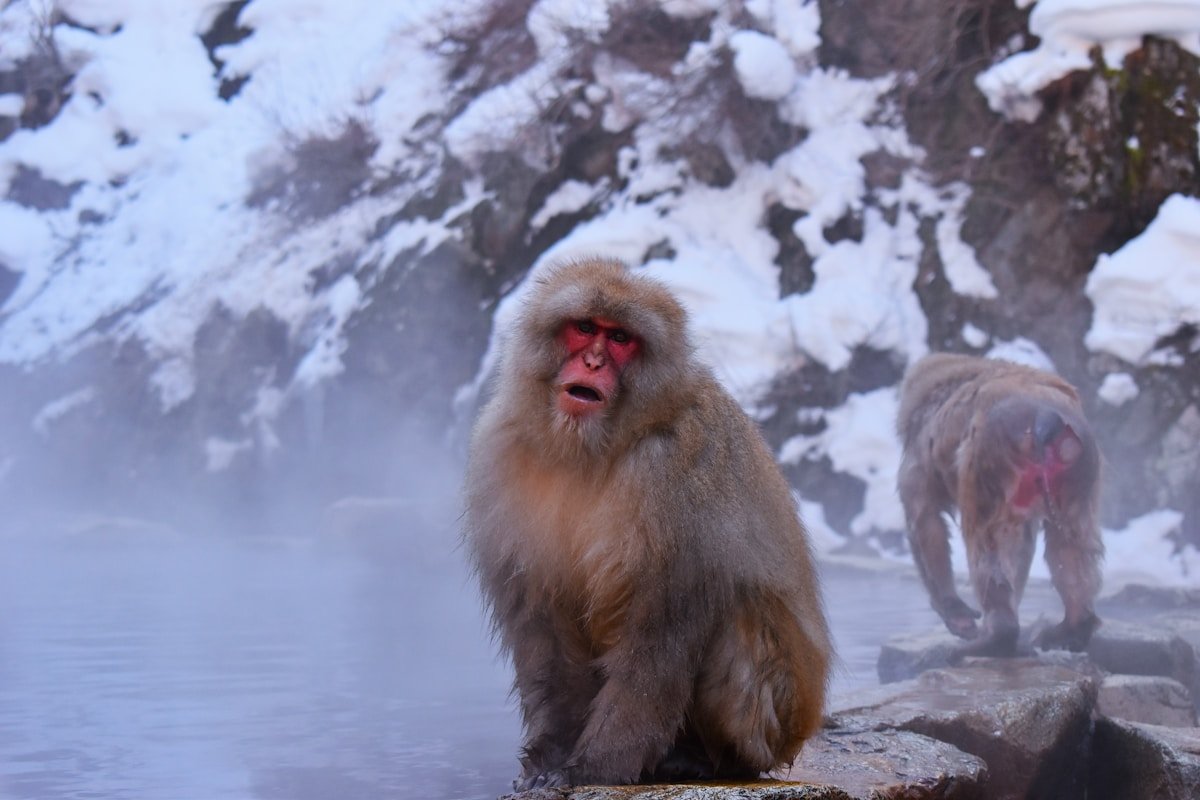
Jigokudani Monkey Park in Nagano Prefecture is home to the only wild population of Japanese macaques known to regularly bathe in hot spring pools. The setting - a narrow river gorge surrounded by snow-covered cedar forest, with steam rising from the onsen - is one of the most photographed wildlife scenes in Japan. Getting there requires a shinkansen, a local train, and a short bus or taxi ride, but the logistics are manageable and the experience is unlike anything else in the country.
Prices are approximate as of 2026.
Top Tours at a Glance
Here’s a quick comparison of top-rated snow monkey tours on GetYourGuide:
| Tour | Duration | Price (from) | Group Size | Highlights |
|---|---|---|---|---|
| Snow monkey day tour from Nagano | 5 hrs | from $45/person | Small group (max 12) | Guided walk to park, English commentary, park entry included |
| Jigokudani and Zenkoji Temple day tour from Nagano | 8 hrs | from $72/person | Group | Snow monkeys + Nagano’s main temple in one day |
| Snow monkey day trip from Tokyo | Full day | from $130/person | Group | Shinkansen + local transport + park entry, all-in logistics |
| Nagano winter tour — snow monkeys and onsen | 2 days | from $195/person | Small group | Park visit + Shibu Onsen ryokan overnight stay |
Browse all snow monkey tours → GetYourGuide
What to Expect at Jigokudani
Jigokudani translates as “Hell Valley” - named for the steam vents and boiling water that bubble up from the volcanic ground throughout the gorge. The monkey park sits at roughly 850 metres elevation in the mountains above Yamanouchi, in the Shiga Kogen area of Nagano Prefecture.
The park’s outdoor onsen pool was constructed in 1964 specifically to attract the macaques from the surrounding forest, and it worked. Today around 160 macaques from the resident troop use the pool and surrounding area year-round. Behaviour varies by season: in winter, multiple monkeys soak simultaneously in the heated water to keep warm, clustered close enough for close-up observation; in summer, they tend to move through the surrounding forest more actively and use the pool less.
Visitors walk freely through the open park - there are no cages and no barriers between observers and monkeys. The macaques are habituated to human presence but not tame; you are not permitted to feed them or touch them, and getting too close will result in a warning grunt or display. In practice, the monkeys pay visitors very little attention.
Entry fee: Approximately ¥800 per adult, ¥400 per child (as of 2026)
Opening hours: 9:00am to 4:00pm (November to March); 8:30am to 5:00pm (April to October)
Photography: All lenses permitted. The low winter light in January and February produces particularly dramatic images in the steam around the pool.
Best Season to Visit
Winter (December to March) - Peak Season
This is the classic visit window. Snow covers the forest and surrounds the pool, the macaques cluster visibly in the water, and the temperature contrast between the icy air and the steaming onsen is most pronounced.
- January and February: The snowpack is deepest, temperatures fall well below freezing at night, and the monkeys are most reliably in the pool during the morning hours (roughly 10am to noon before visitor numbers peak)
- December: Lighter snow than mid-winter but fewer crowds
- March: Snow begins to thin; monkeys still active in the pool through mid-March
Wear waterproof boots and warm layers - the forest trail retains ice, and the park itself can be very cold in the morning. The park loans crampons at the entrance free of charge during icy conditions.
Spring (April to May)
The snow melts, the forest greens quickly, and visitor numbers drop sharply after the winter peak. The monkeys are active and visible in the park area, though pool use decreases. Cherry blossom sometimes reaches the lower valley areas in late April.
Summer (June to August)
Quiet, warm, and green. The hike in is pleasant without the ice. The monkeys are present but distributed more widely through the forest - pool use is minimal. This is the best season if you dislike crowds.
Autumn (September to November)
Autumn foliage reaches the Yamanouchi area in late October and early November, making the trail particularly striking. Temperatures drop through November; snow typically arrives by late November.
Getting There from Tokyo
The most common approach from Tokyo involves the Hokuriku Shinkansen (previously the Nagano Shinkansen) from Tokyo Station or Ueno Station to Nagano, then local connections.
Step 1: Tokyo to Nagano by Shinkansen
Trains: Kagayaki and Hakutaka services run frequently from Tokyo Station.
- Journey time: Approximately 80 minutes (Kagayaki, fastest) to 100 minutes (Hakutaka)
- Cost: Approximately ¥8,660 per adult for an unreserved seat, or ¥9,060 for a reserved seat (as of 2026)
- Japan Rail Pass: The Hokuriku Shinkansen is covered by the JR Pass. If you have a pass, this leg is effectively free - a meaningful saving that makes the overnight option even more cost-effective.
The first practical departure from Tokyo to reach the park before 11am is approximately 7:30am from Tokyo Station (arriving Nagano around 9:10am).
Step 2: Nagano to Yudanaka
From Nagano Station, take the Nagano Dentetsu (Nagaden) Line to Yudanaka Station.
- Journey time: Approximately 45 to 50 minutes
- Cost: Approximately ¥1,280 per adult
- Frequency: Trains run roughly every 30 to 60 minutes
Note: The Nagano Dentetsu is a private line not covered by the JR Pass.
Step 3: Yudanaka to the Park
From Yudanaka Station, there are two options:
Option A - Bus to Kanbayashi Onsen bus stop: Buses run from Yudanaka to Kanbayashi Onsen (the trailhead for the park) taking approximately 10 minutes. From the bus stop, the trail to the park entrance is approximately 1.6km, taking 20 to 30 minutes on foot.
Option B - Taxi: Taxis from Yudanaka Station directly to the park trailhead cost approximately ¥1,500 to ¥2,000.
Total Journey Time from Tokyo
Allow approximately 2.5 to 3 hours from Tokyo Station to the park entrance. A comfortable day trip requires leaving Tokyo by 7:30am and returning no later than 4:30pm from the park.
Getting There from Nagano City
If you are already in Nagano (common on a wider Japan itinerary), the journey to the park is considerably shorter.
By train + bus: Nagaden Line from Nagano Station to Yudanaka (approximately 48 minutes), then bus to Kanbayashi Onsen + 30-minute walk. Total: approximately 90 minutes.
By organised tour: Several Nagano-based tour operators offer guided half-day trips from Nagano Station to the monkey park, including transport and an English-speaking guide. Prices run approximately ¥5,000 to ¥9,000 per person. GetYourGuide lists options with free cancellation - a good choice if you want the navigation handled.
Day Trip vs Overnight Stay
Day Trip
Feasible from Tokyo if you start early. The main limitation is that the best monkey activity at the pool tends to be in the morning - arriving after 11am on a busy winter weekend means more visitors and potentially less animal activity. A day trip leaves no time to explore the wider Yamanouchi area.
Overnight in Yudanaka or Shibu Onsen
The stronger option. Staying in the area allows you to:
- Visit the park first thing in the morning before tour groups arrive (the park opens before most group tours depart Nagano)
- Soak in the historic onsen baths at Shibu Onsen in the evening
- Combine with a full day in Nagano the next day
Named ryokan options in the Yudanaka / Shibu Onsen area (prices approximate as of 2026):
- Kokuya (Shibu Onsen, founded 1758): A beautifully preserved historic ryokan in the heart of the Shibu Onsen bath street. Rates from approximately ¥15,000 per person per night including dinner and breakfast (kaiseki dinner). Book via the ryokan website directly.
- Binario (Yudanaka): A smaller, more affordable option with private onsen bath access. Rates from approximately ¥9,000 to ¥12,000 per person per night including meals.
- Yorozuya (Shibu Onsen): Mid-range traditional ryokan with indoor and outdoor baths. Rates from approximately ¥18,000 per person per night with full board.
See our ryokan guide for Japan for advice on what to expect at a traditional Japanese inn, how to use the communal baths, and booking etiquette.
Shibu Onsen Bath Street
Shibu Onsen is a narrow, lantern-lit street of traditional bathhouses 15 minutes on foot from Yudanaka Station. The area contains nine public communal baths (numbered 1 through 9) that are technically reserved for guests staying at local ryokan - if you are staying overnight in the area, your ryokan will provide a key that accesses all nine.
The final bath in the circuit, Oyu (Bath No. 9), is the most atmospheric - a large, architecturally striking bathhouse at the top of the village. Bathing here after a cold morning at the monkey park, with a sake or local Nagano Namacha beer from one of the nearby shops, is one of Japan’s better winter evenings.
Combining with Nagano Sightseeing
If you are spending a night or two in the area, Nagano city itself is worth a half-day.
Zenkoji Temple: Nagano’s primary temple and one of the most significant in Japan, housing a Buddhist relic not publicly displayed since the 7th century. The temple grounds are a 10-minute bus ride from Nagano Station and open year-round. Entry to the grounds is free; the inner sanctuary costs approximately ¥500 (as of 2026). The Nakamise shopping street leading to the main gate sells Nagano’s signature snacks: oyaki (stuffed dumplings) and nozawana pickles.
Sake: Nagano Prefecture produces some of Japan’s finest sake - the cold mountain water and local rice varieties support a strong brewing tradition. The Suwa Lake area and the Matsumoto region are the main production zones, but several breweries in and around Nagano city offer tastings. Kinoene Sake Brewery in nearby Ogawa Village is one accessible option.
Soba: Nagano is Japan’s buckwheat country - local soba (made from locally grown sobako flour, often with a higher buckwheat content than standard restaurant soba) is a regional point of pride. Nagano Station’s basement food hall has solid soba options; serious soba seekers should try one of the small specialist shops in the streets around Zenkoji.
Plan your Nagano visit: Tours and activities in Nagano include snow monkey day trips, sake brewery visits, and winter sports. The Japan Rail Pass covers the Hokuriku Shinkansen to Nagano from Tokyo.
Practical Tips
Morning visits: Monkeys are most active at the pool in the morning, particularly on cold days. Arriving at park opening (9:00am in winter) puts you there before the day-trip tour buses.
Crampons: Borrow them from the park gate in winter - they are free. The trail back to the bus stop is downhill and icy conditions make it slippery.
Camera gear: A zoom of 70 to 200mm or equivalent makes it easy to photograph individual monkeys without getting close. That said, phone cameras work well given how close the monkeys often sit to the viewing areas. Bring a spare battery - cold temperatures drain batteries quickly.
Children: The trail is manageable for older children (5+) but not suitable for pushchairs. The monkeys are fascinating for children and the park is safe - the key rule is to stay calm and not approach.
For transport planning from Tokyo, see our Japan Rail Pass guide and getting around Japan overview. The onsen culture surrounding the park is covered in depth in our Japan onsen guide.
See also: Nagano travel guide · Things to do in Nagano · Chubu region guide · Japan Rail Pass guide · Best time to visit Japan