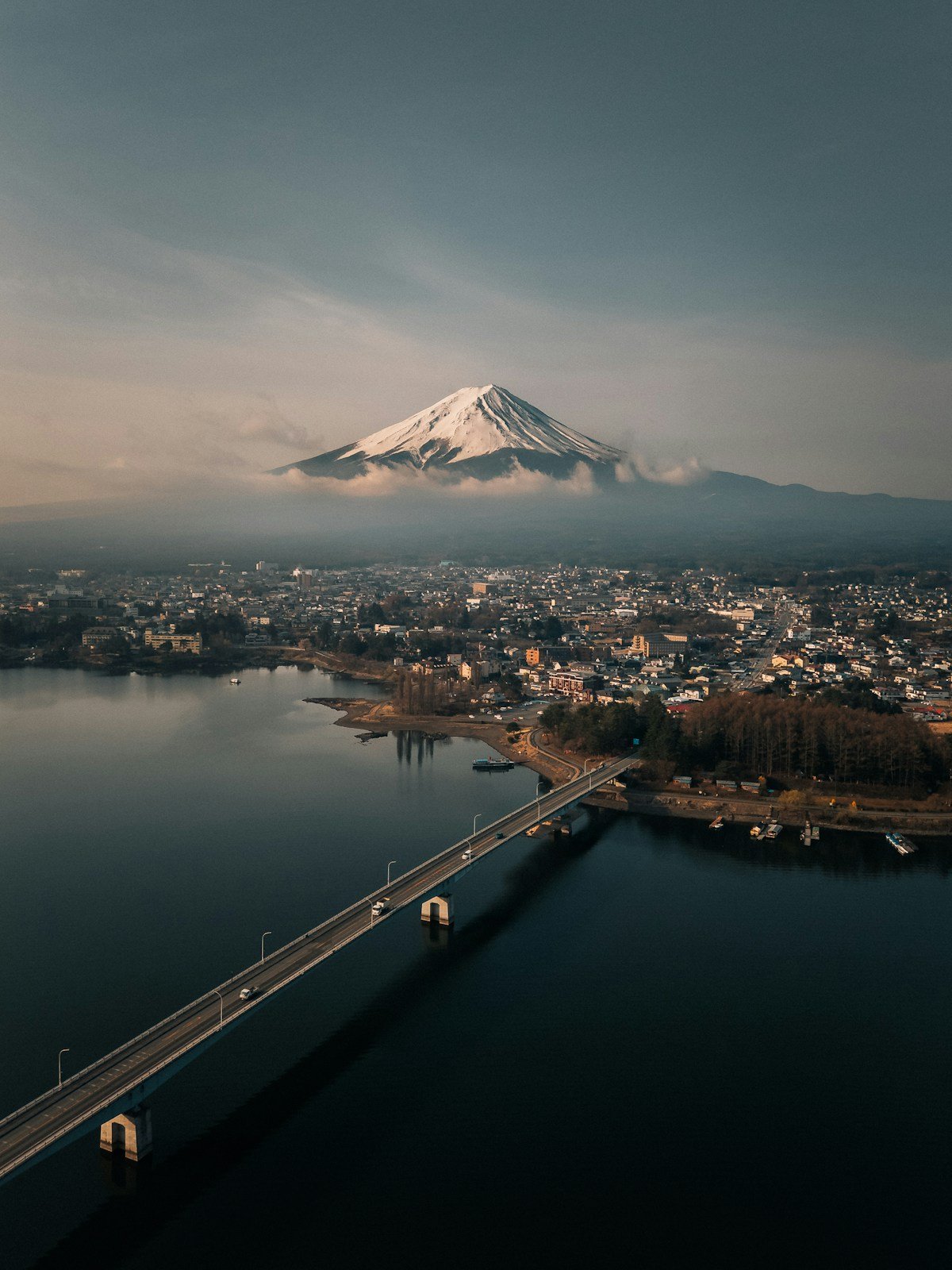
Japan in November 2026 is cool, dry and clear: Tokyo runs 9-17°C and Kyoto 7-17°C, so it is well worth visiting. November is when Japan’s autumn foliage reaches its most famous locations. Kyoto’s temples - the most photographed autumn scenery in the country - peak in mid-to-late November. Tokyo follows in late November. The weather is crisp and clear, the light is golden, and the landscape is at its most colourful. This is peak koyo season, and it draws crowds to match.
Crisp Mornings and Crimson Maples: November Conditions
Tokyo cools noticeably: 9–17°C with low humidity and frequent clear skies. Mornings are cold enough for a warm jacket; afternoons in sunshine are pleasant. Rain is infrequent - November is one of Tokyo’s driest months.
Kyoto runs 7–17°C. Morning frost is possible by late November. The cold mornings and warm afternoons produce the temperature differential that intensifies autumn colour - nature’s chemistry at work.
Hokkaido enters early winter: Sapporo averages 1–8°C. The first significant snowfalls arrive, particularly in inland and mountain areas. Autumn foliage is finished; the ski season is weeks away.
Okinawa remains mild at 19–24°C - effectively a subtropical autumn with no foliage change. Typhoon risk is near zero.
Kyoto’s Autumn Foliage Peak
Kyoto in November is the koyo experience most visitors imagine when they think of Japanese autumn. The key locations and their typical timing:
- Tofuku-ji: The most famous autumn temple in Kyoto. The Tsutenkyo (Bridge to Heaven) frames a valley of 2,000 maple trees. Peak colour typically arrives around November 15–20. Expect long queues - arrive before 8:30am on weekdays.
- Eikan-do (Zenrin-ji): Known as the “maple-viewing temple,” Eikan-do’s night illuminations during peak foliage are among Kyoto’s most popular events. Evening sessions run from mid-November.
- Arashiyama: The hillside behind Tenryu-ji and along the Hozu River turns orange and red in the second half of November. Togetsukyo Bridge with autumn mountains behind it is the iconic shot.
- Kitano Tenmangu: The shrine’s maple garden opens for autumn viewing in November. Less crowded than Tofuku-ji but equally colourful.
The exact peak dates shift by 1–2 weeks depending on autumn temperatures. Warm Octobers delay the peak; cold snaps accelerate it. We recommend checking the Japan Meteorological Corporation’s weekly koyo forecasts.
If you want this month laid out as a route, see our Japan in November itinerary, and for Arashiyama specifically read Arashiyama in autumn.
Shichi-Go-San (November 15)
November 15 is Shichi-Go-San - the festival celebrating children aged 3, 5, and 7. Families visit shrines dressed in formal kimono, and the children carry bags of chitose-ame (thousand-year candy). While not a public holiday, major shrines (Meiji Jingu in Tokyo, Kitano Tenmangu in Kyoto) are busy around this date with beautifully dressed families.
For visitors, it is one of the most photogenic cultural scenes in Japan - though photographing other people’s children requires sensitivity and permission.
Tokyo’s Autumn Colour
Tokyo peaks later than Kyoto, typically in the last week of November through early December:
- Shinjuku Gyoen: Tokyo’s finest autumn garden, with maple, ginkgo, and zelkova trees in a spacious park. No alcohol permitted - the atmosphere is calm compared to spring hanami.
- Rikugien: Famous for its evening illuminations during koyo season. The lit-up maples reflected in the garden’s pond are Tokyo’s most striking autumn image.
- Meiji Jingu Gaien: The ginkgo avenue - a corridor of golden yellow trees - peaks in late November. It draws enormous weekend crowds but is open 24 hours, so early-morning visits are rewarded.
- Koishikawa Korakuen: One of Tokyo’s oldest gardens, with excellent maples and fewer visitors than Shinjuku Gyoen or Rikugien.
Kyoto Koyo Surge: Booking Six Months Out
November is a high-demand month for Kyoto. Central Kyoto hotels during the peak foliage weeks (November 15–30) command rates second only to cherry blossom season in April. A standard hotel room that costs ¥12,000 in January may reach ¥30,000–40,000 during peak koyo.
Book Kyoto accommodation 3–4 months ahead for mid-to-late November. Tokyo is less extreme but still busy on weekends. Staying in Osaka and day-tripping to Kyoto is a practical alternative - Osaka hotels are 30–40% cheaper and the Shinkansen takes 15 minutes.
Nara’s Deer Parks, Hakone, and the First Onsen Evenings
- Nara’s autumn deer: The deer in Nara Park against a backdrop of red and yellow maples is a scene unique to November. The park is less crowded than Kyoto’s temples and equally beautiful.
- Hakone: Lake Ashi cruise with autumn-coloured mountains and Mt. Fuji in the background. The Hakone Tozan Railway through the mountains is one of Japan’s most scenic short rail journeys.
- Onsen season begins in earnest: Cold evenings make outdoor hot springs (rotenburo) especially satisfying. Kinosaki Onsen, Ginzan Onsen, and Hakone are all excellent in November.
Planning a trip this month? Flights to Japan prices vary significantly by season - compare fares early for the best value. Travel insurance for Japan covers delays, medical costs, and the unexpected. Pick up an Airalo eSIM for Japan to have mobile data from the moment you land - no queueing at the airport for a physical SIM.
Beating the Koyo Crowds: Timing, Weekdays, and Night Illuminations
- Warm layers and a good jacket. Mornings at temples can be 5–8°C. Afternoons warm to 15–17°C but shade stays cold.
- Weekday travel to Kyoto, Nikko, and Tokyo’s parks makes a significant difference in crowd levels.
- Evening illuminations at Kyoto temples (Eikan-do, Kiyomizu-dera, Kodai-ji) often require separate tickets from daytime entry. Check schedules and book where possible.
- Cash: Carry yen for temple admission fees, small restaurants, and rural destinations. 7-Eleven ATMs accept international cards.
For a broader perspective on how seasons shape your Japan trip, see our Japan by season guide.
See also: Best time to visit Japan · Japan in October · Japan in December · Kyoto travel guide · Nikko travel guide · Hiroshima travel guide · Kansai region guide · Onsen guide Japan · Ryokan guide Japan · Japan Golden Route itinerary · Japan where to stay
Search hotels in Kyoto on Booking.com
Plan Your Trip
Kyoto in mid-to-late November is Japan’s most competitive accommodation window outside cherry blossom season - central hotels sell out 3–4 months ahead. Staying in Osaka and day-tripping to Kyoto is a practical alternative (15 minutes by Shinkansen, rates 30–40% cheaper). A night in Nara adds deer park maple scenery with far less pressure than the Kyoto temples.
- Hotels in Kyoto - Book by August for mid-November koyo peak
- Hotels in Osaka - Budget-friendly base with easy Kyoto access
- Hotels in Nara - Overnight for deer park autumn leaves
- Kyoto tours - Evening illumination tours, guided koyo walks
- Nara tours - Autumn deer park and temple walks
- Flights - Compare November fares
- eSIM - Stay connected from landing
- Travel Insurance - Get covered before you go